Legal Tint Percentage In Arizona
So the other day, my buddy Rick rolls up to my place looking like he’s auditioning for a secret service detail. His brand-new truck had windows so dark I couldn’t even tell if he was in the driver’s seat. “Dude,” I said, squinting, “are you trying to hide from the DMV or the mob?” He just grinned and rolled down the window, and that’s when he hit me with the question we’ve all asked at some point: “What’s the actual legal tint percentage in Arizona, anyway?”
Honestly, I thought I knew. I mumbled something about “thirty percent” and “don’t get pulled over,” but the look on his face told me I was about as accurate as a weatherman in a monsoon. So we did what any responsible citizens would do—we cracked open some cold ones and went down the rabbit hole of Arizona’s window tint laws. Turns out, it’s a lot more specific than you’d think, and the fine print is where the real fun begins.
The Big Number You’ll Actually Remember
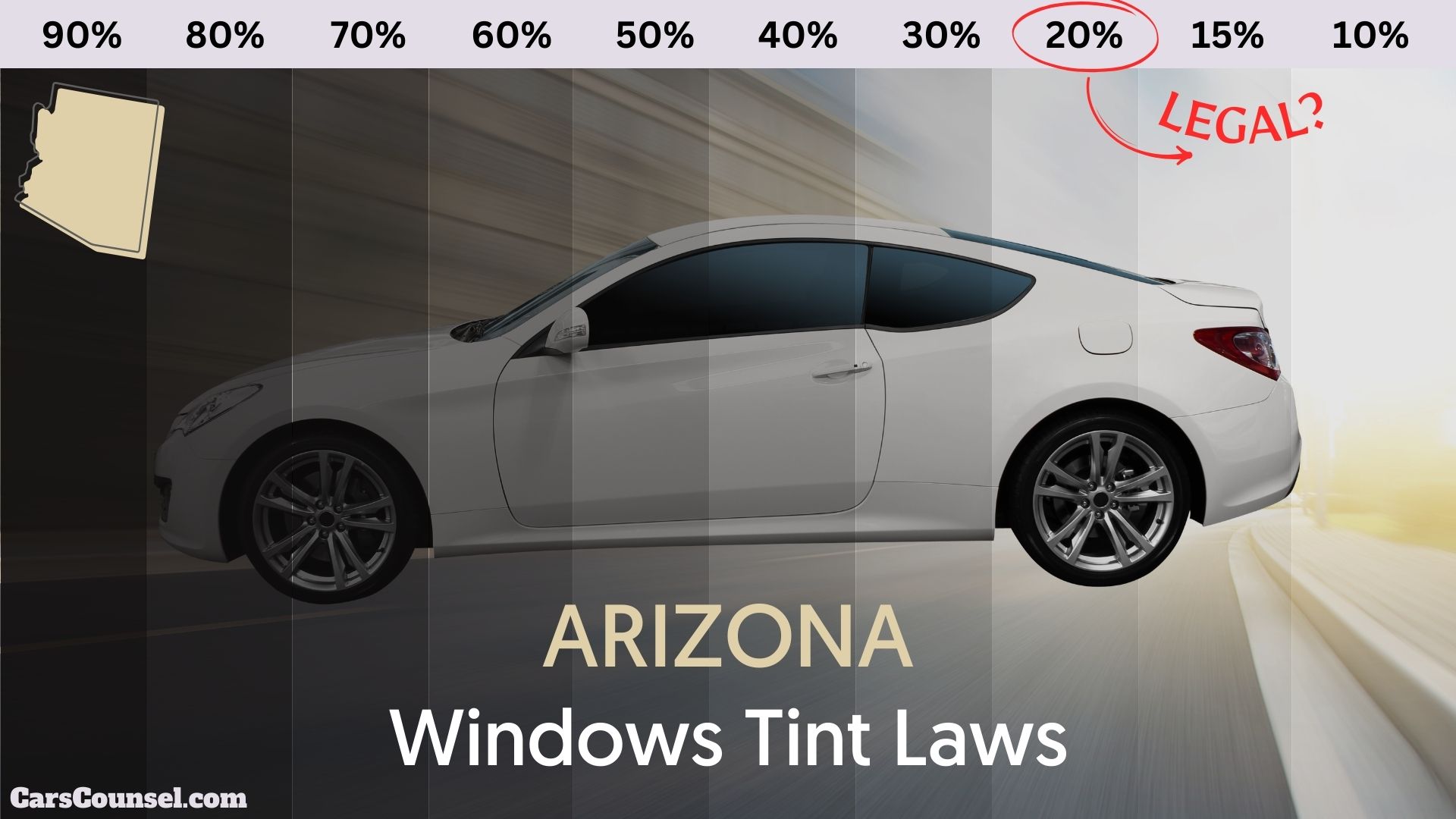
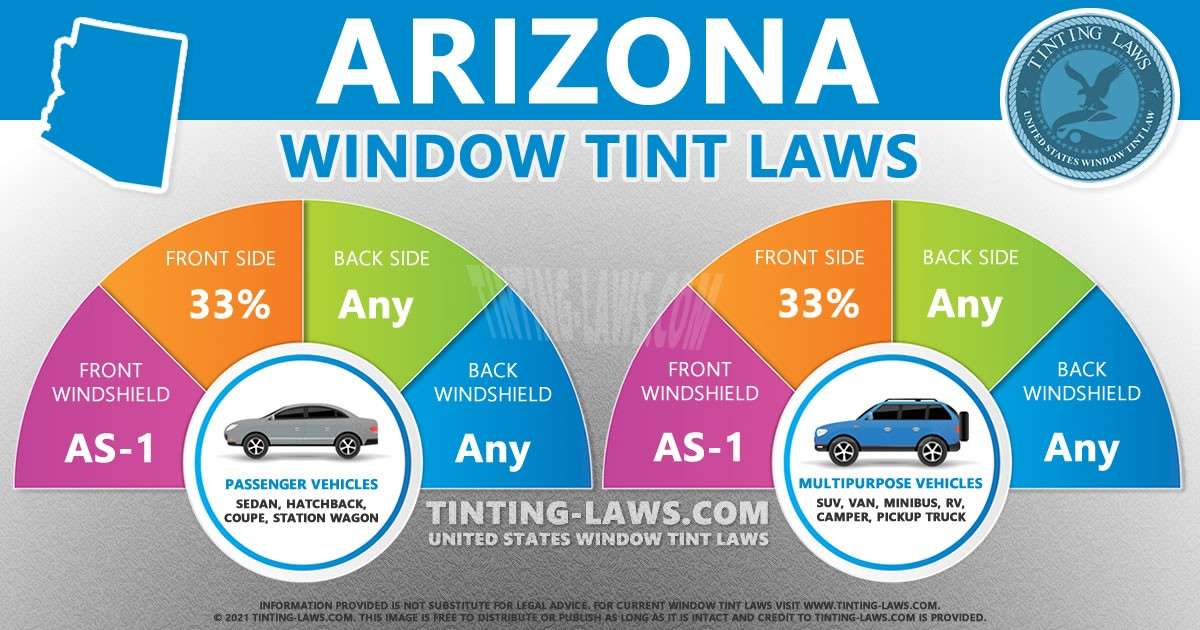
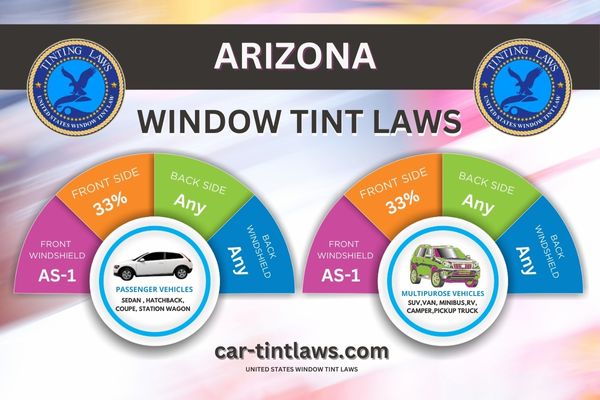
Here’s the headline: for the front side windows (the ones next to your face), Arizona law requires you to let in at least 33% of visible light. That’s the magic number, people—not 30, not 35, but 33. And honestly, it’s a weirdly specific number that makes you wonder if the legislature just threw a dart at a windshield.
Must Read
But hold on—don’t go ordering that 5% “limo tint” for your sedan just yet. The back side windows and the rear windshield? Those can be as dark as you want. Seriously, you can black those out like a cave and the law will just shrug. That’s the “I don’t want your headlights in my eyes” clause, and I respect it.
Wait, What About the Windshield?
The front windshield is where the rules get a little... personal. You’re allowed a non-reflective tint strip across the top, but it can only go down five inches from the top of the glass. That’s it. Five inches—not “a hand’s width,” not “just enough to block the sun.” If the cop has a ruler and a bad day, you’re toast.
And here’s a side comment for you: if you drive one of those big lifted trucks, that five inches looks hilariously small, like a tiny visor on a giant face. But yeah, the law doesn’t care about your aesthetic.
The Ironic Part? It’s All About That "VLT"
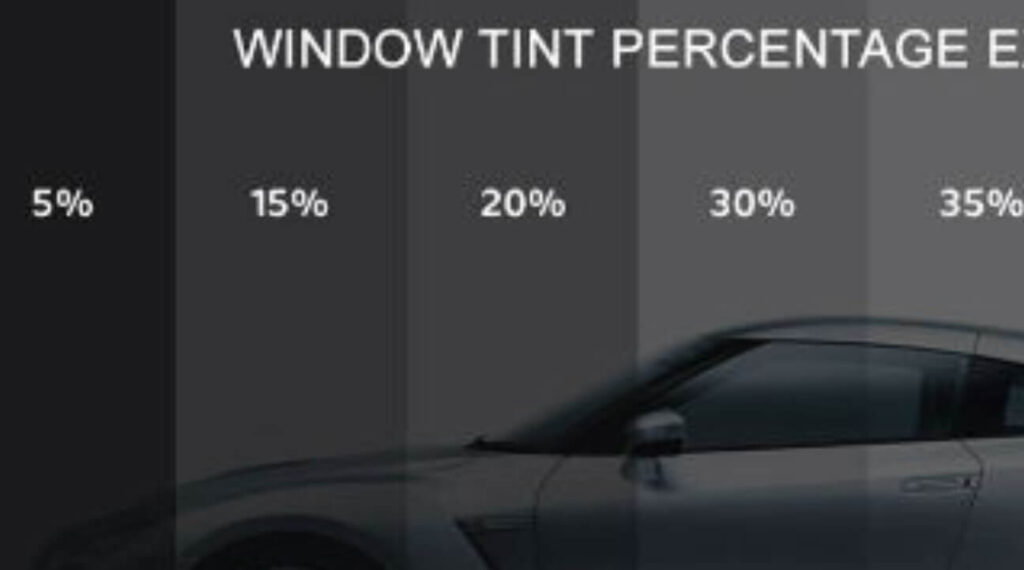
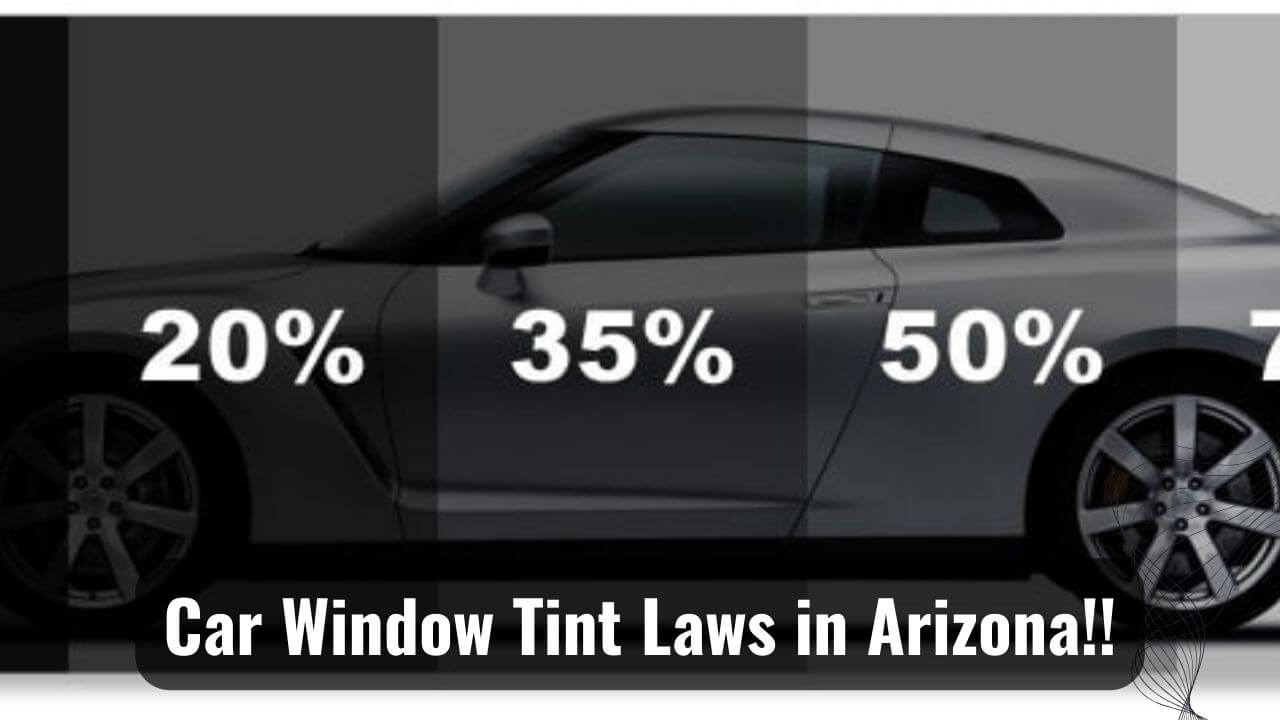
Now, let’s get technical for a second—but don’t worry, I’ll keep it painless. The “33%” refers to Visible Light Transmission (VLT). That means 33% of the light has to pass through the glass. So if you’re buying film, look for a product that says “33% VLT” or higher. Anything less, like 20% or even 15%, is illegal for the front sides.
But, and this is the kicker, the factory glass itself already blocks some light. So if you put a 33% film on top of glass that already blocks 10%, your actual VLT drops below 33%. You just became a lawbreaker without even knowing it! (Fun, right?)
Why Does Arizona Even Care?
You’d think in a state where the sun is basically a personal attack, they’d let you tint everything, but no. The official reasoning is safety—officers need to see you when they approach your car, and you need to see pedestrians at night. I get it, but also, have you seen the afternoon glare on the 101?
So here’s the practical advice, and I’m talking directly to you now: go to a reputable shop, ask for "legal front tint", and they’ll likely put you at around 35% on the front sides just to be safe. Then go wild on the back. That’s the sweet spot—you look cool, you stay cool, and you avoid a $200 ticket plus a court order to remove the film.
What Happens If You Get Caught? (Don't Panic)
First offense in Arizona is a civil violation—think of it as a traffic ticket for your windows. You’ll get a fine, usually around $150 to $300, and you’ll have to fix the tint and prove it. The second time? It starts creeping into misdemeanor territory, and nobody wants that on a Tuesday.
But here’s the real irony: if you have a medical exemption (like a skin condition), you can go darker with a doctor’s note. So technically, you can have illegal-looking tint if you’re willing to flash a note from your dermatologist. The system works, I guess.
Rick ended up getting 35% on the front and 5% on the rear, and it looks sharp. He also keeps a copy of the law in his glovebox, just in case. And that’s the real takeaway—know your numbers so you can enjoy the shade without the headache. Stay cool out there, and if you see me squinting at traffic, just know I’m secretly judging your VLT.


![Choosing The Correct Legal Window Tint Percentage [By State]](https://i1.wp.com/axlewise.com/wp-content/uploads/2023/03/tinting-chart-768x384.png)