Lateral Area Of Trapezoidal Prism
Let’s be honest: when you hear “lateral area of a trapezoidal prism,” your brain probably tries to escape through your ears. I get it. It sounds like a punishment for something you did in a past life. But stick with me, because we’re about to make this geometry thing almost fun.
What on Earth Is a Trapezoidal Prism, Anyway?
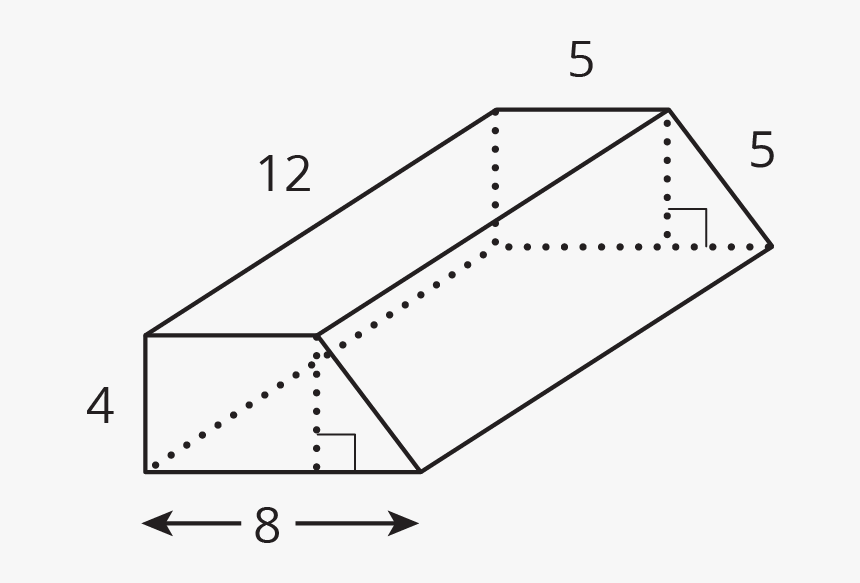
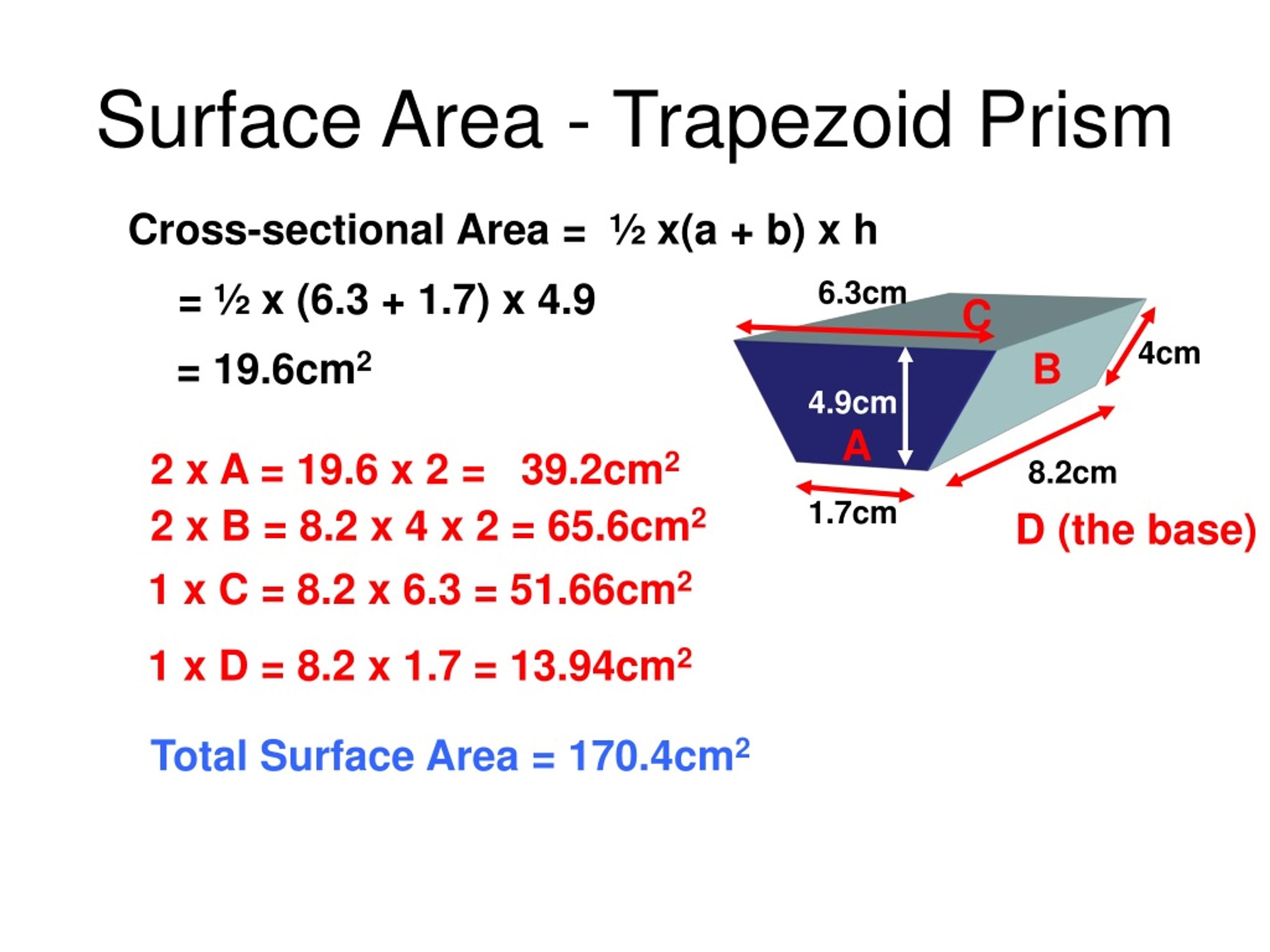
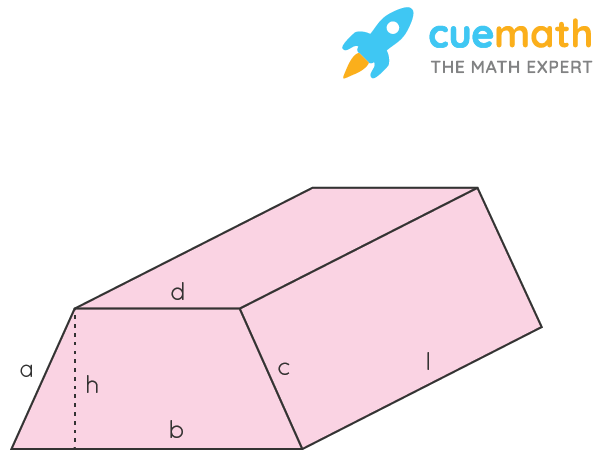
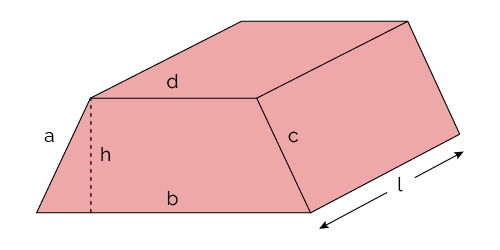
Picture a loaf of bread, but the slice isn’t a square—it’s a trapezoid. Now, stretch that slice into a long, weird loaf. That, my friends, is a trapezoidal prism. It’s like a cardboard box that got stepped on and then pulled.
Most people never think about this shape, and honestly, why would they? You don’t see trapezoidal prisms in daily life unless you’re a beekeeper or a very bored architect. But here we are, talking about its lateral area, which is a fancy way of saying “the sides, not the top or bottom.”
Must Read
The top and bottom trapezoids are the “boring” faces. The lateral area is all the skin on the sides—the four rectangles (or parallelograms, if you’re a stickler) that wrap around. So, it’s like measuring the amount of wrapping paper needed to cover a weird gift without the lid.
The Unpopular Opinion: This Formula Is Actually Chill
Here’s my hot take: the lateral area of a trapezoidal prism is easier than finding a matching sock in the dryer. No, really. You don’t need the height of the trapezoid or its weird slanted sides for this part.
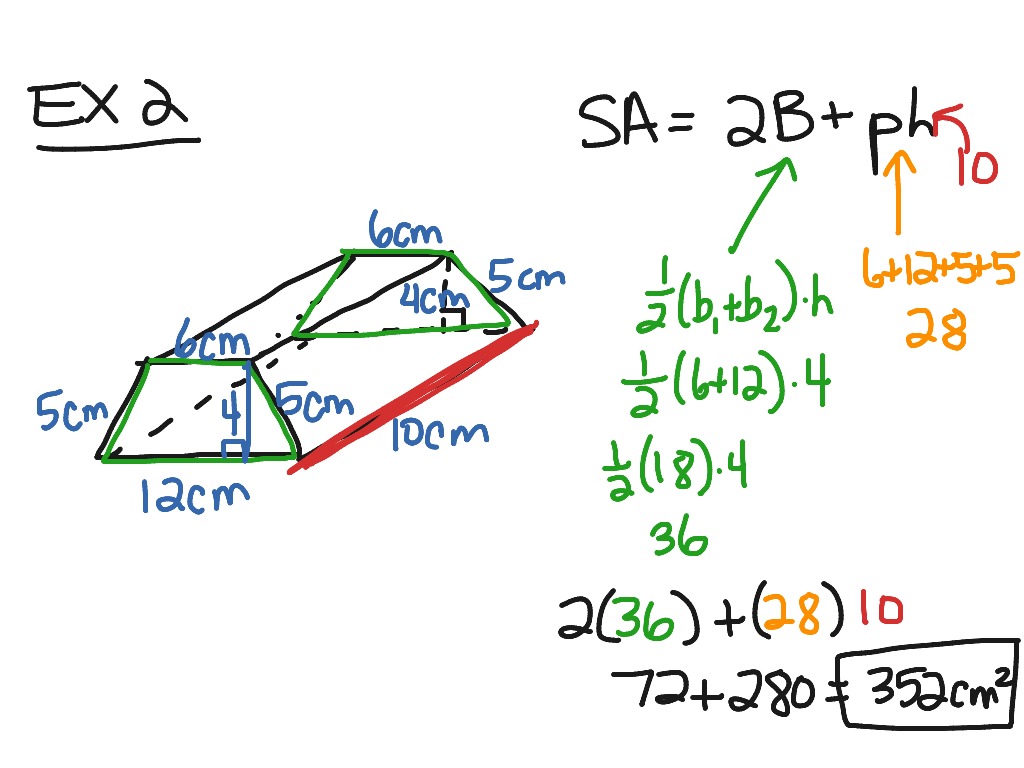
All you need is the perimeter of the trapezoid (the sum of all four sides) and the prism’s length (how long that bread loaf is). Multiply those two numbers. Boom. Done.

The formula looks like this: Lateral Area = (Perimeter of trapezoid) × (Length of prism). That’s it. No pi, no square roots, no tears. If you can multiply, you can conquer this.
Let’s Do a Silly Example (With a Shed)
Imagine you have a garden shed shaped like a trapezoidal prism because you hate normal sheds. The trapezoid ends have sides of 4, 5, 6, and 5 feet. Add those up and you get a perimeter of 20 feet.
Now, pretend your shed is 8 feet long. Multiply 20 by 8, and you get 160. That’s 160 square feet of wall space for the sides—perfect for painting, or for procrastinating about painting.
Notice we never looked at the roof or the floor. We don’t care about those. The lateral area is just the sides, so we’re ignoring the trapezoid’s actual area like it’s a pop-up ad. That’s the whole trick.
Why Does This Even Matter? (Don’t Panic)
You might be thinking, “When will I ever use this outside of a math test?” Fair question. Maybe you’re building a custom fish tank with a trapezoidal base, or a fancy planter for your balcony. You’d need the lateral area to know how much glass or wood to buy.
Or maybe you’re a dungeon master designing a weird trap for your D&D game. That’s a legitimate use case, and I respect that. The point is, this formula is a lifesaver when you want to avoid over-buying materials.

And if you never use it again, congratulations—you’ve just unlocked a tiny, useless superpower. Use it to impress someone at a party, then immediately change the subject.
The Only (Slightly) Tricky Part
Sometimes, the prism isn’t straight—it’s slanted. That’s called an oblique trapezoidal prism. In that case, the lateral faces might be parallelograms, not perfect rectangles. Don’t panic; the formula stays the same.
The perimeter and the length still do all the work. The slant changes the shape of the sides but not how you calculate the total lateral area. It’s like having a crooked smile—still the same number of teeth.
So, the next time someone asks you about the lateral area of a trapezoidal prism, you can smirk and say, “Oh, just multiply the perimeter by the length.” Then watch them think you’re a genius. You’re welcome.
Remember: the top and bottom are the trapezoids. The sides are just a rectangle-party. Don’t overthink it—your brain will thank you.
And if you still hate this, that’s okay. I’ll happily be the lone advocate for the underappreciated trapezoidal prism. It’s got four sides to love, after all.
So go forth, measure your weird shapes, and multiply with confidence. You’re now officially 0.1% better at geometry than the average person. That’s basically a math PhD in my book.