How Long Does Tresiba Take To Work
Last Tuesday, my friend Dave texted me at 11 PM, which is basically the witching hour for anyone with type 1 diabetes. He’d just taken his nightly dose of Tresiba and, in a panic, asked, “Dude, is my sugar going to drop in like 20 minutes or what?” I could almost hear the gears grinding in his brain as he tried to remember what his endo had said. Honestly, I don’t blame him for being confused, because the answer is gloriously... complicated.
We’re so used to fast-acting insulins that swoop in like a superhero and fix a high blood sugar before you finish your Netflix episode. But Tresiba? Oh no, honey. Tresiba is more of a background character—the loyal friend who shows up slowly, settles in, and then stays for the entire movie marathon, and the next morning's breakfast, and probably next Tuesday’s lunch.
So, let’s clear the air right now: Tresiba does not work in 20 minutes. It doesn’t even work in 2 hours. It’s what we call a basal insulin, which means it’s designed to be your steady, flat-lining baseline of insulin around the clock. If you’re looking for a quick fix, you’re looking at the wrong bottle—and you probably know that, but you needed to hear it from someone who also gets tempted to micro-dose for a bag of chips.
Must Read
The Slow Burn (Literally)
Tresiba (generic name: insulin degludec) starts to enter your bloodstream within 30 to 90 minutes after injection. But here’s the kicker—it doesn’t really “peak” in the way other insulins do. Instead, it builds up a gentle, steady level that just hangs out in your system, like a chill houseguest who asks for nothing but water and a Wi-Fi password.
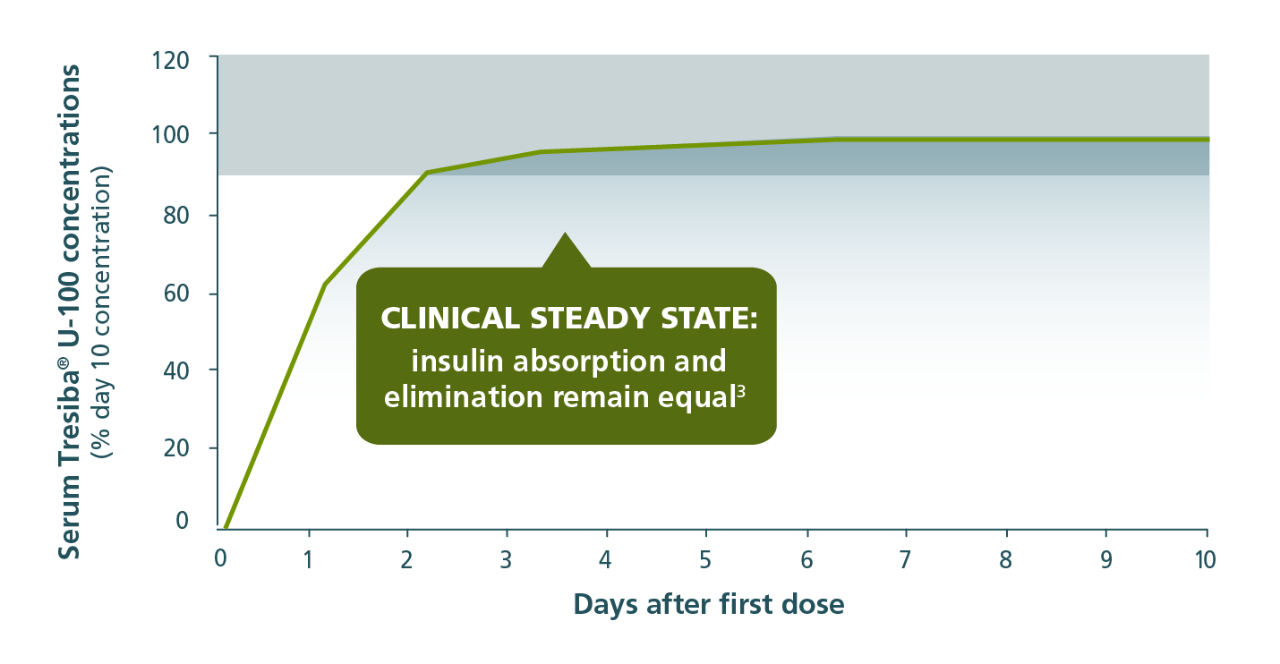
That means the real question isn’t “when does it start?” but “when does it reach full effect?” For most people, that’s about 2 to 3 days of daily injections. Yes, you read that right. Days. Your body needs a little time to accumulate the drug until it hits that perfect, steady-state plateau. (Side note: this is why you shouldn’t judge your blood sugar on day one—it’s like judging a crockpot meal before the pot even warms up.)
Why So Slow? A Nerdy Tangent
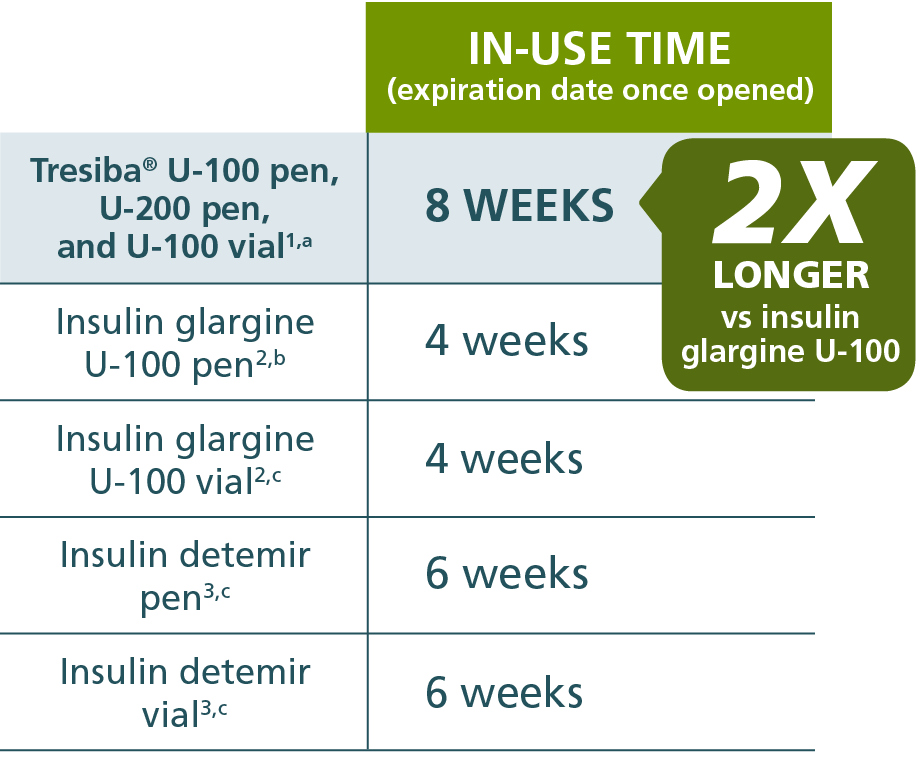
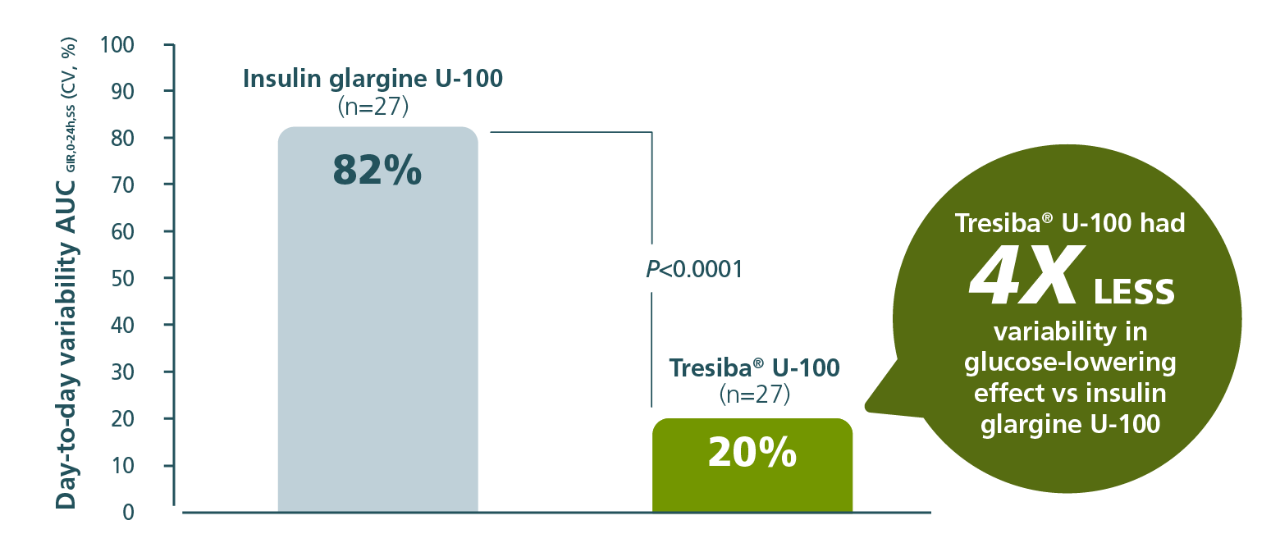
I’m not going to turn into a biochemist on you, but the magic happens because Tresiba binds to a protein in your blood called albumin. It’s like the insulin is holding hands with a chaperone, and they slowly stroll through your body together. This clever dance is what gives it that clockwork 42-hour duration—much longer than the 24-hour insulins like Lantus or Levemir.
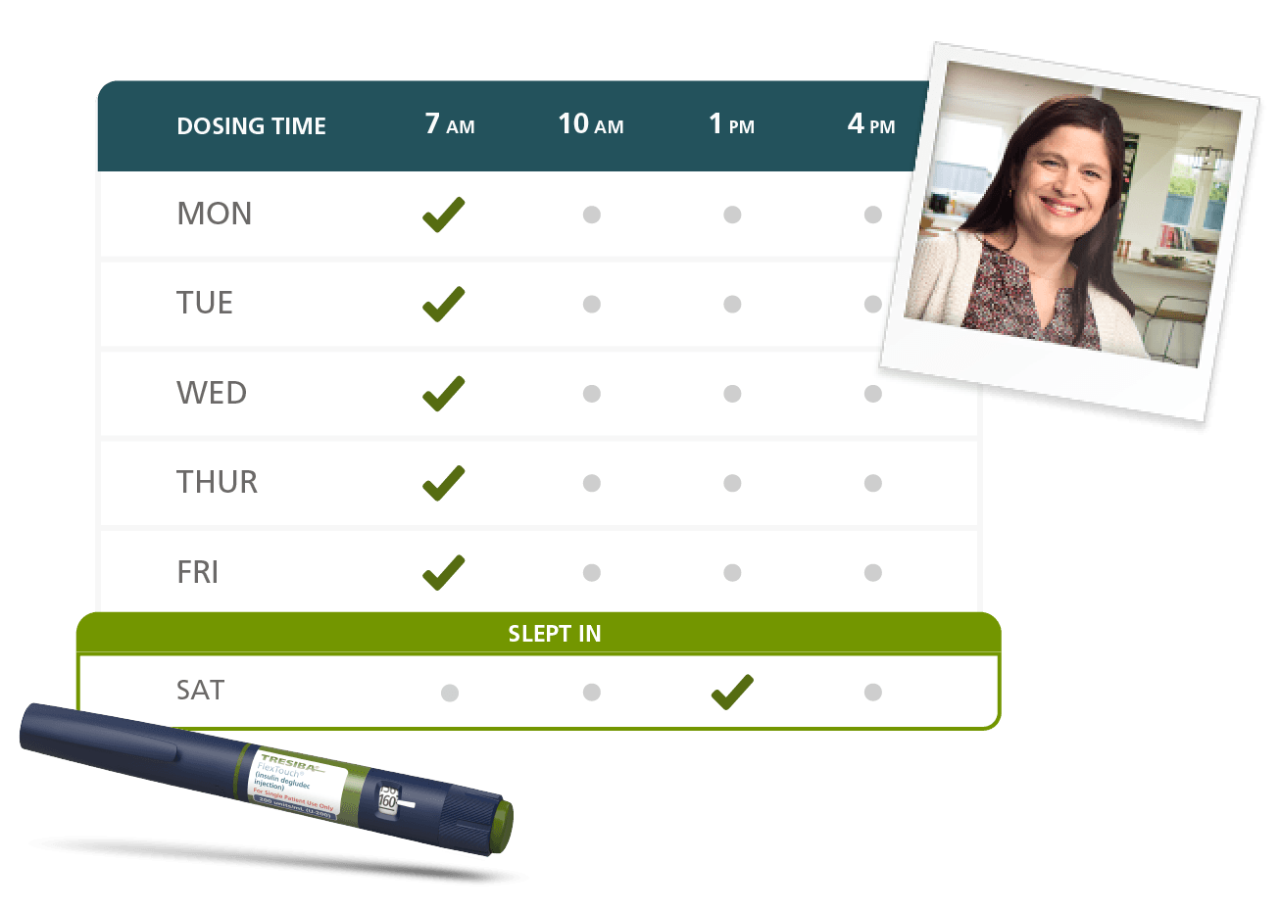
If you miss a dose, don’t panic. You have a grace period of about 8 hours to take it before your glucose starts doing the cha-cha. But try to be consistent, because that’s how this drug builds its magic. (And no, taking a double dose to “catch up” is a terrible idea. We’re not making a milkshake here.)
So, What Should You Actually Expect?
On your first night, you might notice a very slight dip in your fasting sugar the next morning, but it’s often so subtle you’ll think you forgot to inject. Don’t be fooled—it’s working, just at low wattage. By the third or fourth day, you should see your morning numbers stabilizing like a weather forecast that finally agrees with the weekend.
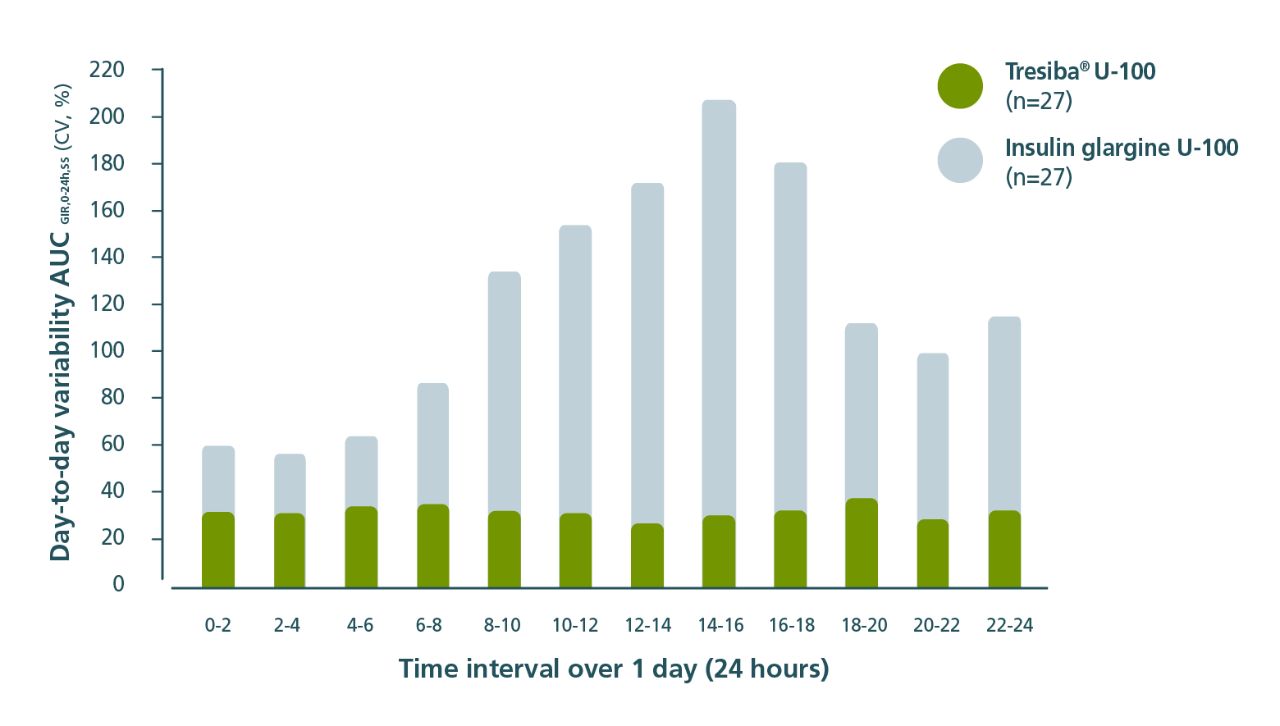
The real kicker? Tresiba’s action is so flat that you might not feel a “crash” or a “spike” ever. It’s the anti-drama insulin. You’ll just get this quiet, consistent baseline that makes your rapid-acting insulin’s job much easier. (Your pancreas—if you still have one—is probably jealous, but it’ll get over it.)

One more thing: don’t inject it into the same spot every day. Not because it won’t work, but because you’ll end up with lumpy scar tissue that messes with absorption. And trust me, the last thing you want is a stubborn knot that makes your insulin decision-making feel like a blindfolded dart throw.
The Bottom Line (No Puns, I Promise)
So, how long does Tresiba take to work? It’s working from the very first hour, but you’ll only see its true power after a few days. Patience is not diabetes’ strong suit, but this is one time you need to let the slow burn do its thing.
If you just started Tresiba, give it a week before you tweak your doses. And if you’re like Dave, panicking at 11 PM, just take a breath—you’ll be fine. The insulin is already strolling down the street, holding hands with its albumin chaperone, and it’s going to be fashionably late. That’s okay. It’s always late, but it always shows up. And when it does, it stays—like a good friend, or that one guest who doesn’t leave until you’ve made them a sandwich.