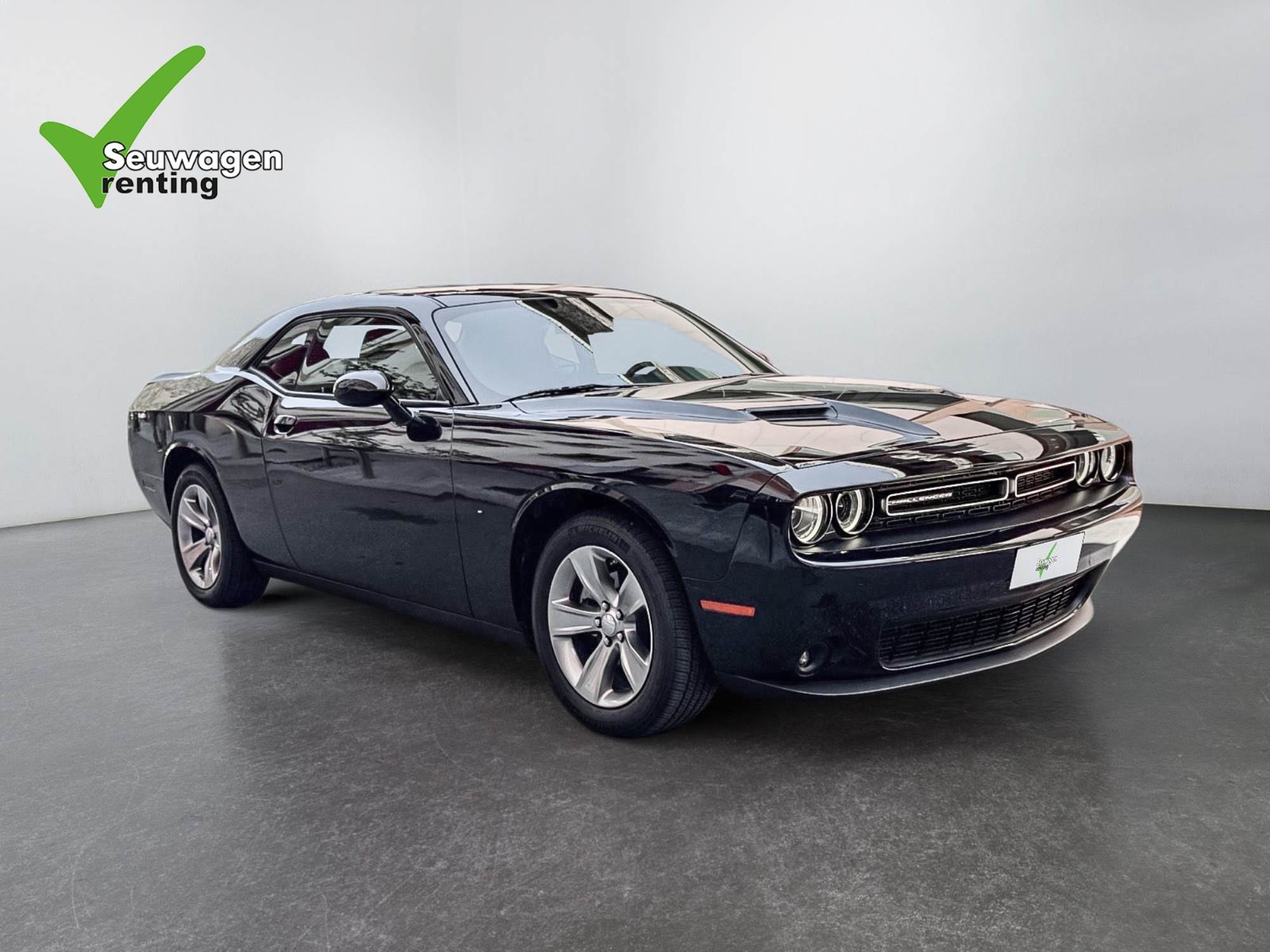
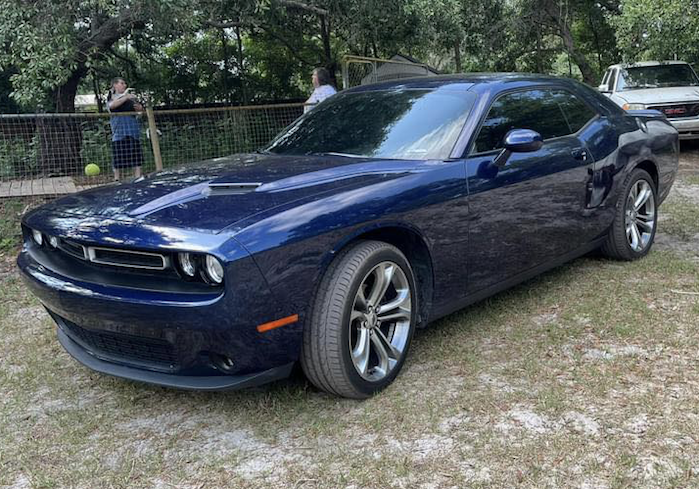
Insurance For Dodge Challenger Sxt

Remember when the Dodge Challenger was just that car from Vanishing Point your dad wouldn’t shut up about? Well, pump the nostalgia brakes, because the SXT—the Hemi’s unassuming, rental-fleet-adjacent little sibling—has become the unofficial mascot of a very specific, very online personality. It’s the car of the "finance guy" who says "brrr" unironically, the ride of choice for TikTok influencers who film dash-cam POVs of their commute to a soul-crushing corporate job. And suddenly, everyone and their cousin with a 620 credit score wants to insure one. But here’s the kicker: insuring a Dodge Challenger SXT in 2025 is a wild ride through actuarial chaos, influencer-fueled theft rings, and a deeply toxic love-hate relationship with American muscle.
Why the sudden surge? Blame the algorithm. Between the "SXT vs. SRT" roast videos on YouTube and Twitter threads mocking the V6 as a "hairdresser’s Challenger," the car has become a vibe. It’s the gateway drug to muscle car culture, but with the insurance bill of a sensible commuter—until it isn’t. Insurance companies have caught on that the SXT is the most stolen vehicle in its class in certain zip codes, not because it’s fast, but because it’s flashy enough to look expensive and cheap enough to chop for parts. Your premium is no longer just about your driving record; it’s about the collective chaos of everyone else who bought the same car because YouTube told them it was a "tuner killer."
So, you’ve joined the club. You’ve got the Halo-style headlights, the flat-bottom steering wheel feel, and the vague sense of missing eight cylinders. Now, how do you protect this rolling statement piece without your monthly payment eclipsing your car note? Buckle up, because this isn’t your grandpa's insurance chat. This is a deep dive into the underworld of Dodge SXT premiums, where "comprehensive coverage" is a swear word and "telematics" is a spy game.
Must Read
The Toxic Ecosystem: From "Kia Boyz" to "Hemi Guys"
Let’s address the elephant in the garage. The Challenger SXT exists in a bizarre cultural crossfire. On one side, you have the die-hard V8 purists who mock the SXT as a "paperweight with paddle shifters." On the other, you have the "anti-car" crowd on Reddit who see any Challenger as a gas-guzzling symbol of toxic masculinity. Insurance actuaries don’t care about your feelings, though. They care that the SXT is statistically overrepresented in two dramatic categories: red light street races (yes, even in the V6) and catastrophic parking lot vandalism because it looks like it should have a Hemi. This isn’t just about theft; it’s about the vibe of risk. Your car screams "owner might do something stupid" to the algorithm, and that perception is baked into your rate.
Then there’s the TikTok effect. You’ve seen them—those videos of dudes sliding sideways in a wet parking lot, captioned "SXT don't need a Hemi, bro." That footage has done more to spike insurance rates than any real accident data. Insurers now use social listening tools to gauge "risk sentiment" by ZIP code. If your area has a viral Challenger meet-up group, your premium goes up. It’s a digital panopticon for car guys. Even if you drive like a saint, your insurance card is stained by the sins of a 19-year-old who bought a salvage-title SXT and posts "F&F vibes" under every clip. The result? A market where loyalty discounts are meaningless and usage-based insurance is the only way to prove you aren’t a hooligan. It’s exhausting, and it’s precisely why we need a strategy.

How To Insure Your SXT Without Selling A Kidney
First rule of SXT club: Do NOT let the insurance company see your social media. Yes, that’s real advice in 2025. Before you even start getting quotes, scrub your public profiles of any content featuring your car. No "cold start" videos, no "0-60" times (even though it’s a 5.7-second affair that’s more jog than launch), and absolutely no photos of you "revving" at a red light. Underwriters now run a quick "adversarial media check" on high-risk vehicles. An Instagram post of you doing a burnout in the rain is a guaranteed 30% rate hike. Treat your car like a secret agent’s identity—boring, plain, and invisible online.
Next, you have to play the game of theft mitigation theater. The SXT is stolen not for joyrides but for parts—specifically the infotainment screen and steering wheel. Insurers will cut you a break if you install aftermarket GPS trackers (like DroneMobile or even an AirTag in a secret spot). But the trick is to go one step further: install a kill switch. Yes, it feels archaic, but showing your agent a receipt for a simple battery disconnect switch lowers your comprehensive premium by up to 15% because it signals you’re not an idiot. Also, consider a dash cam with a "parking mode"—not to catch who dinged you, but to prove to the insurer that your car is garaged and monitored. That little piece of plastic is the holy grail of premium reductions.
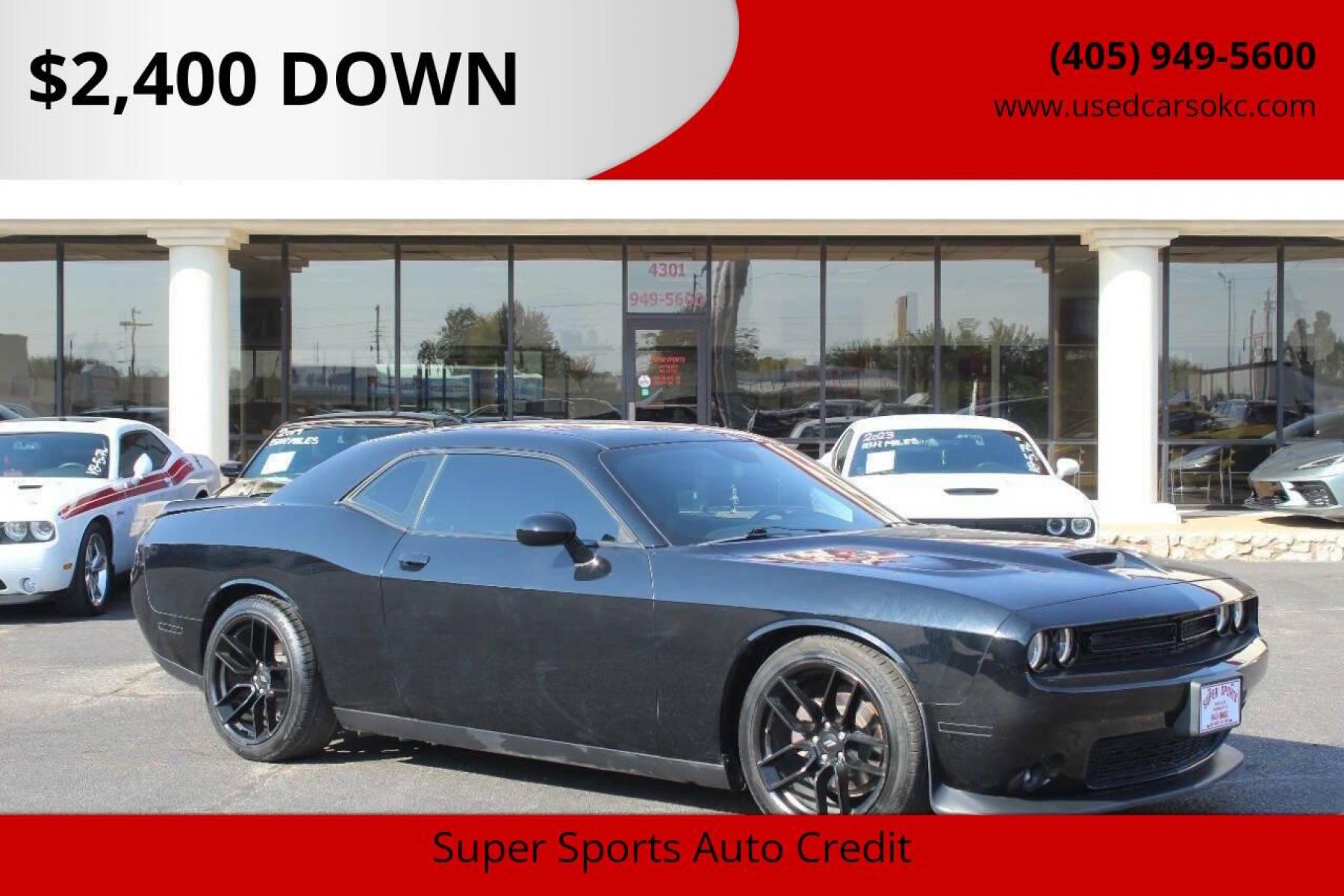
Now, for the actual comparison shopping. Do not, under any circumstances, use a standard aggregator. They will immediately flag you as "high-risk" and flood you with scammy quotes. Instead, go direct to companies that specialize in enthusiast vehicles—think Hagerty, Grundy, or even a specialty broker for "daily drivers with muscle DNA." They offer "agreed value" policies that argue your SXT is more valuable than the depreciated book value, which actually matters if it gets totaled. But beware: these policies often require you to have a "regular" car for daily commuting. If you only own the Challenger, you’ll be forced into a high-mileage policy with a huge deductible. The trick? Add a beater Civic to your policy as the primary. You’ll pay $200 a month for the Honda on paper, but your Challenger premium drops to a weirdly low number because the insurer sees "low usage vehicle."
Third, and this is the wallet-saving hack that goes viral every other quarter: Pay annually, not monthly. Monthly payment plans on high-risk vehicles tack on a "deferred payment fee" that’s basically a 14% APR loan wearing a trench coat. Paying in full upfront saves you hundreds. Also, look for "low mileage rebates." If you work from home or live in a dense city, you can enroll in a telematics program that tracks your driving via a smartphone app. Now, I know that sounds like Big Brother, but here’s the loophole: only keep the app open when you’re driving to the grocery store, circa 25 mph, in the right lane. The moment you go to a car meet? Force-close that app. You’re gaming the algorithm, not lying—you just "forgot" to open it. Your score stays pristine, and your renewal is a breeze.
Finally, consider bundling your renters or homeowners insurance with your auto. But here’s the sharp edge: if you bundle, don’t ever file a small claim on the home policy. Underwriters cross-reference everything. If you claim a $500 bike theft, they will absolutely use that to jack up your Challenger’s comprehensive rate. It’s a spiderweb of underwriting logic. Keep your history totally clean. One speeding ticket? Fight it. In 2025, a single moving violation doubles your SXT premium more than it would for a Camry. You’re paying a "stupid tax" for the badge, so you have to be a squeaky-clean saint on the roads.
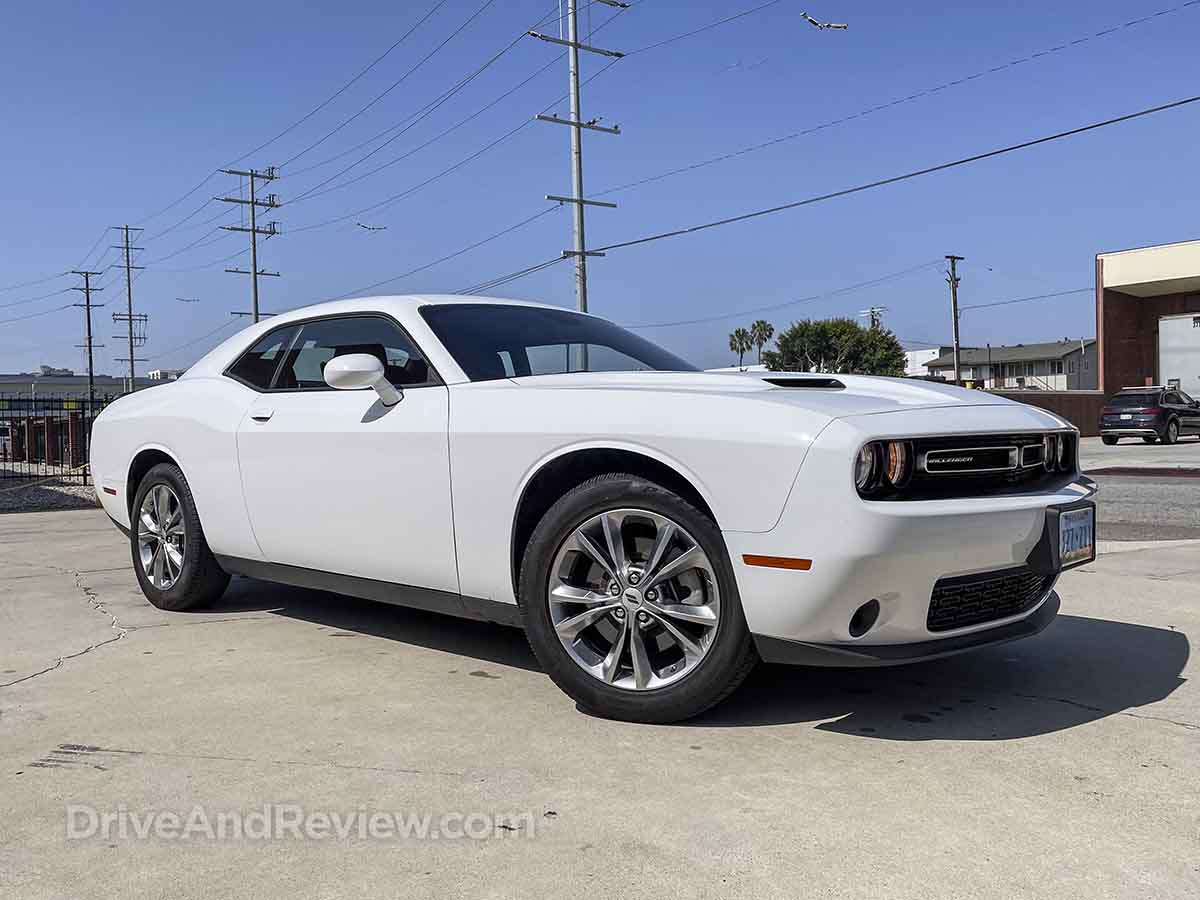
FAQs: Burning Questions From The Group Chat
Is it true that a "Hemi" option on the SXT is impossible, and does insurance care if I put fake Hellcat badges on?
Absolutely correct on the first part: the SXT is V6-only, and putting a Hellcat badge on it is the automotive equivalent of wearing a fake Rolex to a finance bro’s wedding. It’s cringe, but here’s the insurance angle: they don’t care about your badges because the DMV VIN says SXT. However, they will care if you modify the exhaust to sound like a V8. A loud exhaust is a "performance modification claim" waiting to happen. If you add an aftermarket cold-air intake or a tune, you void any "non-performance" policy. If you’re caught in an accident with aftermarket go-fast parts that elevate horsepower beyond factory spec, they will deny the claim outright. The "fake badge" isn’t a crime, but the "fake bumblebee stripe" might be. Keep it stock, or keep your receipts and get a custom policy. Don't be the meme.
Why is my comprehensive quote higher than my collision quote? I thought theft was the issue.
This is the weirdest aspect of SXT insurance. Collision covers you crashing into things; comprehensive covers theft, vandalism, and weather. The SXT is a theft magnet, so comprehensive should be high. But you’re seeing the opposite? That’s because in 2025, insurers realized that SXT drivers are prone to "panic swerving" accidents due to the car’s heavy steering and mediocre braking from the factory. The collision data is worse than the theft data in sunny states. The fix? Raise your collision deductible to $2000 and lower your comprehensive deductible to $500. You’re betting that a fender bender is more likely than a straight-up theft. It’s a backward gamble, but it’s one that statistically pays off because the parts for the SXT’s headlights are now so expensive that vandalism claims are astronomical. Insurers hedge their bets; you should too.

Will "usage-based insurance" like Progressive Snapshot screw me over for driving on the highway?
Yes and no. Snapshot and similar apps measure hard braking, speeding, and time of day. Driving at 2 AM? Flagged. Driving 80 mph on an empty freeway? Flagged. But here’s the workaround that’s been circulating on car forums: the app runs in the background, but you can turn off "background app refresh" on your phone's settings. Then, just open the app right before you start your car and lock it. It tracks your trip but misses the first 30 seconds of aggressive acceleration. More importantly, the algorithm punishes g-forces—so if you accelerate smoothly like you’re carrying a crockpot full of soup, you’ll get a perfect score. It’s tedious, but a 30% discount is a 30% discount. However, if you live in a cold climate, forget it. The app misreads wheel spin in snow as "aggressive driving." That’s a penalty you can’t fight. Use telematics only if you live in a temperate, traffic-jammed city.
Is the insurance headache for a Challenger SXT a passing fad or a lifestyle shift? I’d argue it’s a permanent fixture of the "Value Muscle" economy. We’ve moved past the era where the Challenger is just a car; it’s a character in our personal content feed. The insurance industry has adapted to that reality, treating every owner as a potential influencer with a lead foot. As long as gas prices don’t nuke the V6’s appeal, and as long as the Charger/Challenger replacement goes full EV (which, let’s be real, won’t sound as cool), the SXT will remain a cultural staple for the budget-conscious speed demon. The premiums are just the cover charge for being part of the club.
Eventually, the insurance algorithms will get smarter, and maybe they’ll start offering a "Life Balance" discount for drivers who hoard their mileage. Until then, you’re left with the archaic dance of hunting for paper insurance cards, arguing with underwriters over the phone about "supervised joyrides," and praying that your neighbor doesn’t post a video of your car on Nextdoor. But that friction, that daily negotiation with the actuarial gods, is part of the charm. It’s a test of your dedication. If you can’t handle the heat of insuring a V6, you don’t deserve the cool air conditioning of a car that decimates a Mustang EcoBoost in a straight line—at least in your head. Stay safe, drive like a grandma, and keep your socials private. Your wallet will thank you.