Indian Domestic Gas Cylinder Weight

There’s a moment in every Indian kitchen that feels almost sacred—the thud of a full LPG cylinder being set down on the floor. It’s a sound that promises warm rotis, quick chai, and the comforting hiss of a blue flame. But have you ever stopped to wonder about that metallic beast’s actual weight, and why it seems lighter some months than others? Let’s lift the lid on the surprisingly fascinating world of domestic gas cylinder weights.
The 14.2kg Illusion
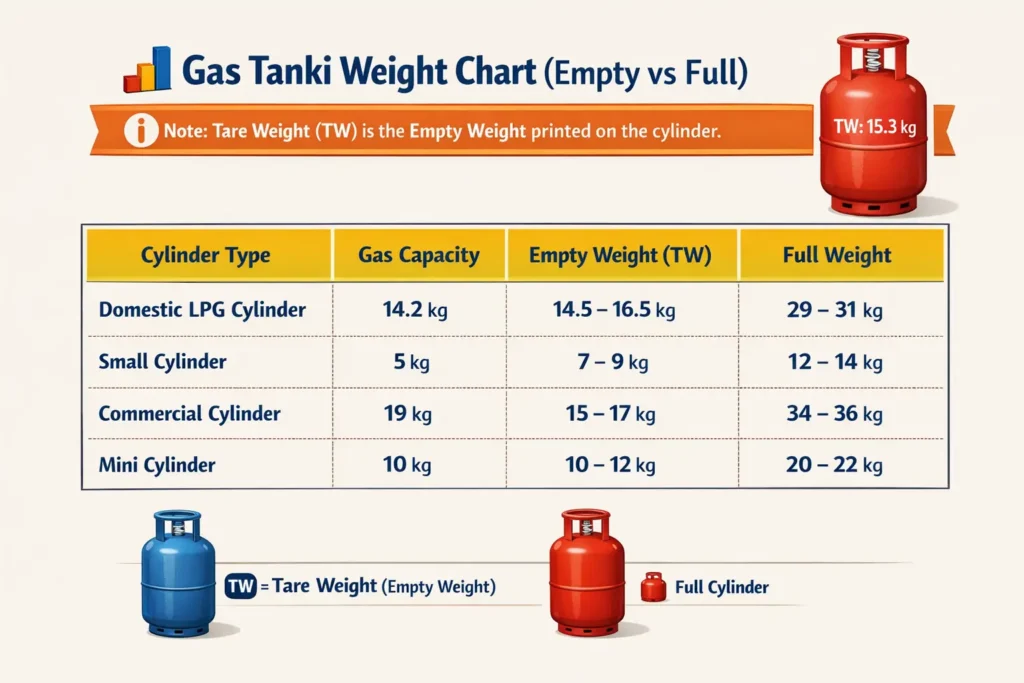
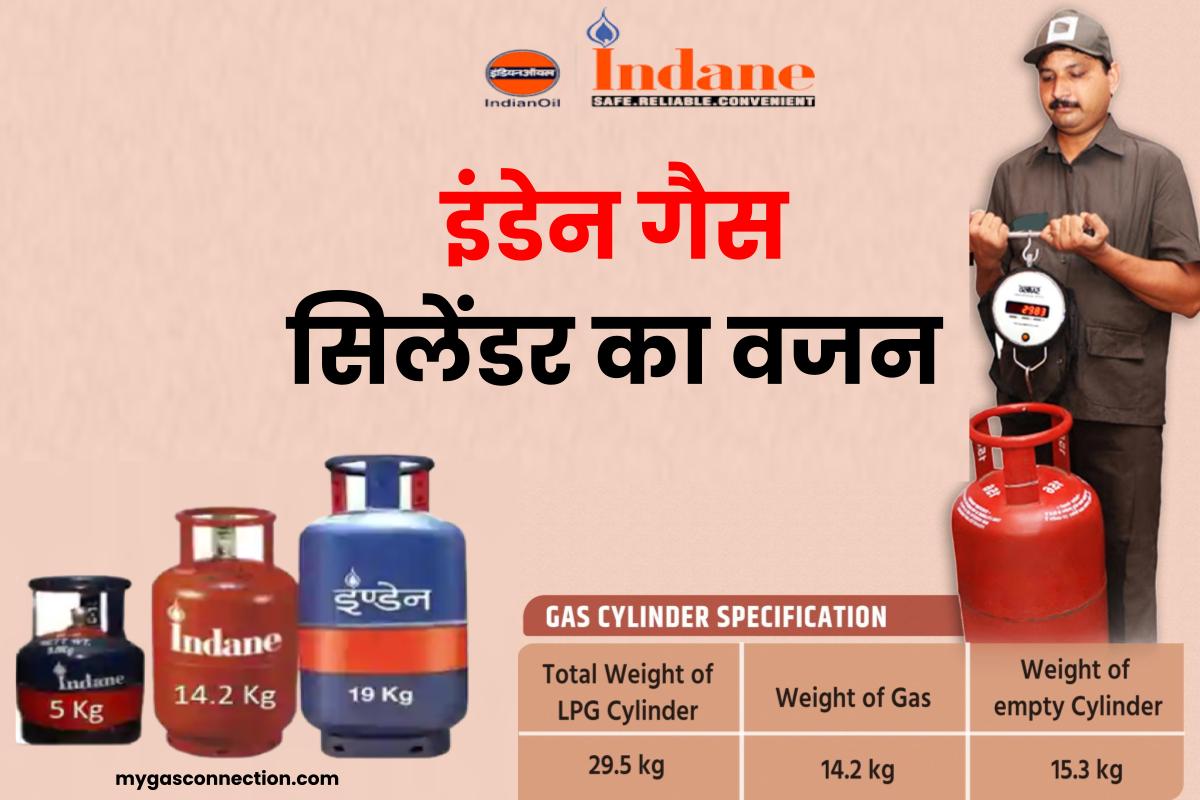
When we say “14.2 kg,” we’re not talking about the entire cylinder you struggle to heave into your car boot. That figure is only the weight of the gas inside—the actual fuel that cooks your dal. The empty cylinder itself, made of sturdy steel, weighs anywhere between 15.5 kg and 16.5 kg depending on the brand and its age.
So, that “full” cylinder you’re dragging is actually a total package of around 30 kg. Next time you leverage it onto the bracket, remember you’re not weak—you’re just lifting a heavyweight champion.
Must Read
Interestingly, the 14.2 kg figure is a sweet spot devised for Indian family sizes. It’s designed to last an average household about a month, balancing portability with practicality. Any heavier, and the doorstep delivery guy would probably quit on the spot.
The Tare Weight Trouble
Here’s where things get sneaky. Every cylinder has a tare weight—the empty weight—stamped right on its neck or handle. This is your golden ticket to checking if you’ve been shortchanged, but almost nobody looks at it.

You see, older cylinders that have been through years of rough handling can lose a little metal due to rust or dents. If the tare weight says 16.2 kg but the cylinder is actually 15.8 kg empty, the distributor could technically fill it with less gas while still showing the same gauge on their machine. It’s a tiny difference, but over a year, it adds up to a free meal or two—that you’re paying for.
The smart move? Ask the delivery person to weigh the cylinder on a scale in front of you. The total weight should be the tare weight plus 14.2 kg, with a small variance of 150 grams for safety. You’ll look like a pro, and they’ll think twice before gaming your kitchen.
The “Low Flame” Conspiracy
Have you ever noticed that your new cylinder’s flame is a fierce blue, but after two weeks, it turns lazy and orange? That’s not your regulator acting up; it’s the butane-to-propane ratio shifting as the cylinder empties. Butane, which is heavier, burns with a softer flame and tends to stay at the bottom.

This natural phenomenon means that a “full” cylinder isn’t just heavy—it’s chemically different from a nearly-empty one. So when your grandmother insists the food tastes better on a fresh cylinder, she’s not imagining things. The higher propane content in the beginning burns hotter, giving you that perfect golden-brown crisp on your onions.
Pro tip: if your flame is looking weak but you know you have gas left, try gently tipping the cylinder for a second. This helps the liquid butane vaporize better. Just be careful not to shake it like a cocktail—you want a smooth pour, not a geyser.
Why You Should Care About the Gauge
Let’s be honest—most of us just tap the tank with a spoon and listen for a hollow ring. That’s like checking if a watermelon is ripe by looking at its picture. The real way to monitor your gas is to weigh the cylinder periodically or check for mist on the surface after a long cooking session.
That condensation you see near the bottom? It’s a sign that the liquid gas is still present, cooling the metal as it evaporates. No mist, no gas—it’s that simple. Also, switch to a digital kitchen scale if you have one; placing the cylinder on it won’t win you points for style, but it will give you an exact readout.
And here’s a fun fact: a single kilogram of LPG yields roughly 494 liters of gas. That means your 14.2 kg cylinder gives you over 7,000 liters of cooking energy. You could theoretically boil 200 cups of chai every single day for a month.
The Cultural Connection
In many Indian homes, the gas cylinder is treated like a family member—dusted daily, covered with a knit cosy, and never allowed to show its raw steel in public. But this humble vessel also participated in our history. During the 2020 lockdowns, when supply chains faltered, the cylinder became a symbol of resilience. Neighbours swapped partially-used tanks like borrowed sugar.

That shared anxiety of “will it last until the next delivery?” is a universal Indian experience. It’s why we keep a backup stove, a pack of candles, and a silent prayer for the man on the scooter transporting our blue-and-red lifeline.
A Little Weight on Your Shoulders
So, next time you heft that cylinder onto its bracket, give it a second of respect. It’s not just heavy metal; it’s the vessel of your daily nourishment, the silent partner in every biryani and khichdi. The tare weight might be standard, but your connection to that cylinder is anything but.
After all, life is a lot like a gas cylinder—you never really know how much is left until you stop, check the actual weight, and count the moments that truly matter. Until then, keep the flame steady, and may your kitchen always smell like warm ghee.