Ielts Speaking Task 1 Sample Answer

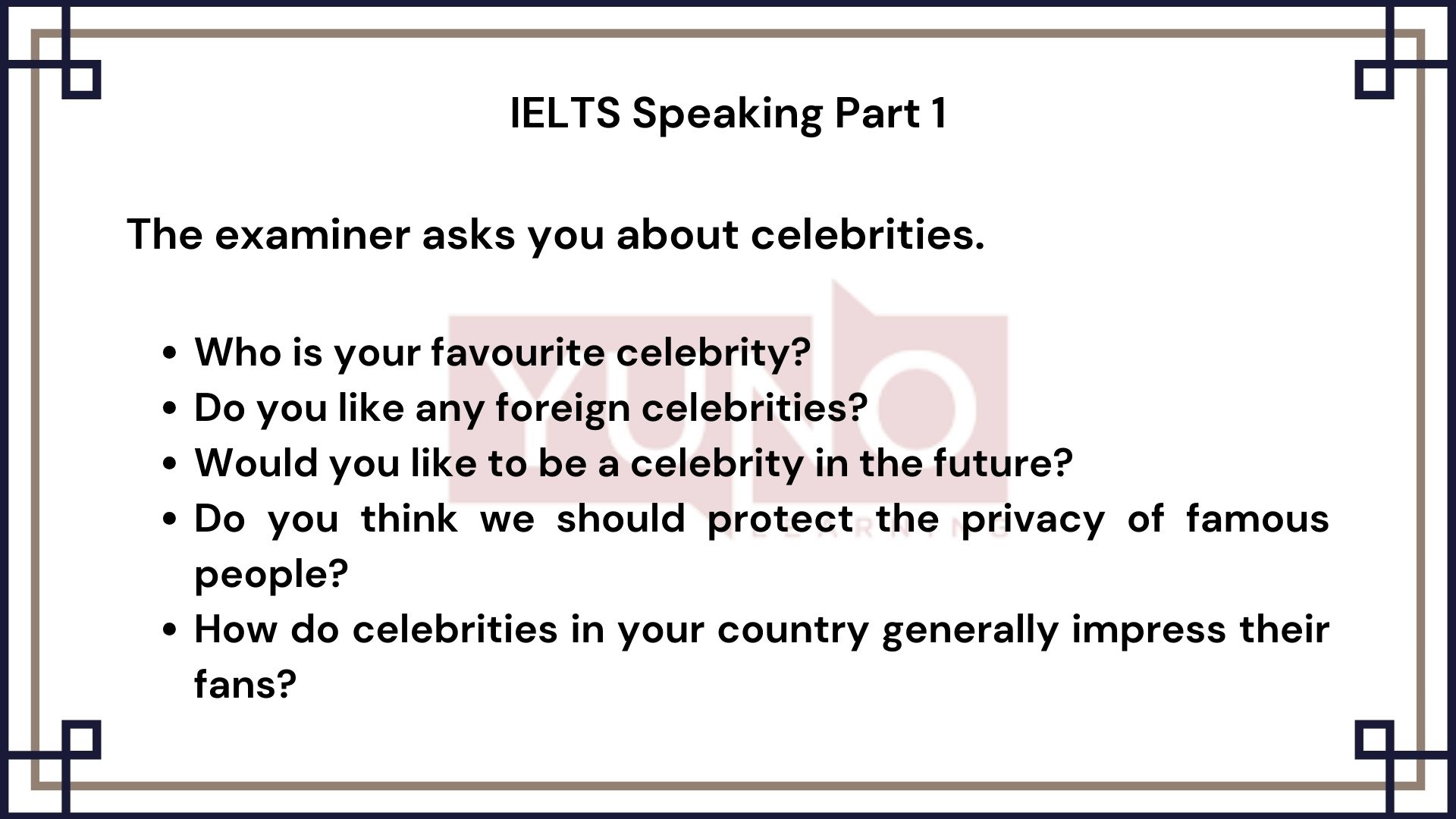
Picture this: you’re sitting across from a perfectly friendly examiner, and they hit you with a question so profound it could shake the foundations of philosophy—“Do you like flowers?” Your brain, meanwhile, is doing the Macarena while screaming, “What’s the ‘right’ answer?!” Welcome to IELTS Speaking Part 1, the verbal appetizer where the goal isn’t to be brilliant, but to be delightfully chatty.
Here’s the dirty little secret: the examiner doesn’t care about your botany degree. They care about whether you can string together a few sentences without hyperventilating. So, forget the “right” reply and embrace the golden trifecta: a direct answer, a reason, and a tiny, juicy detail. It’s like making a verbal sandwich—boring bread on the outside, but the filling is where the magic happens.
The “Do You Like…” Trap
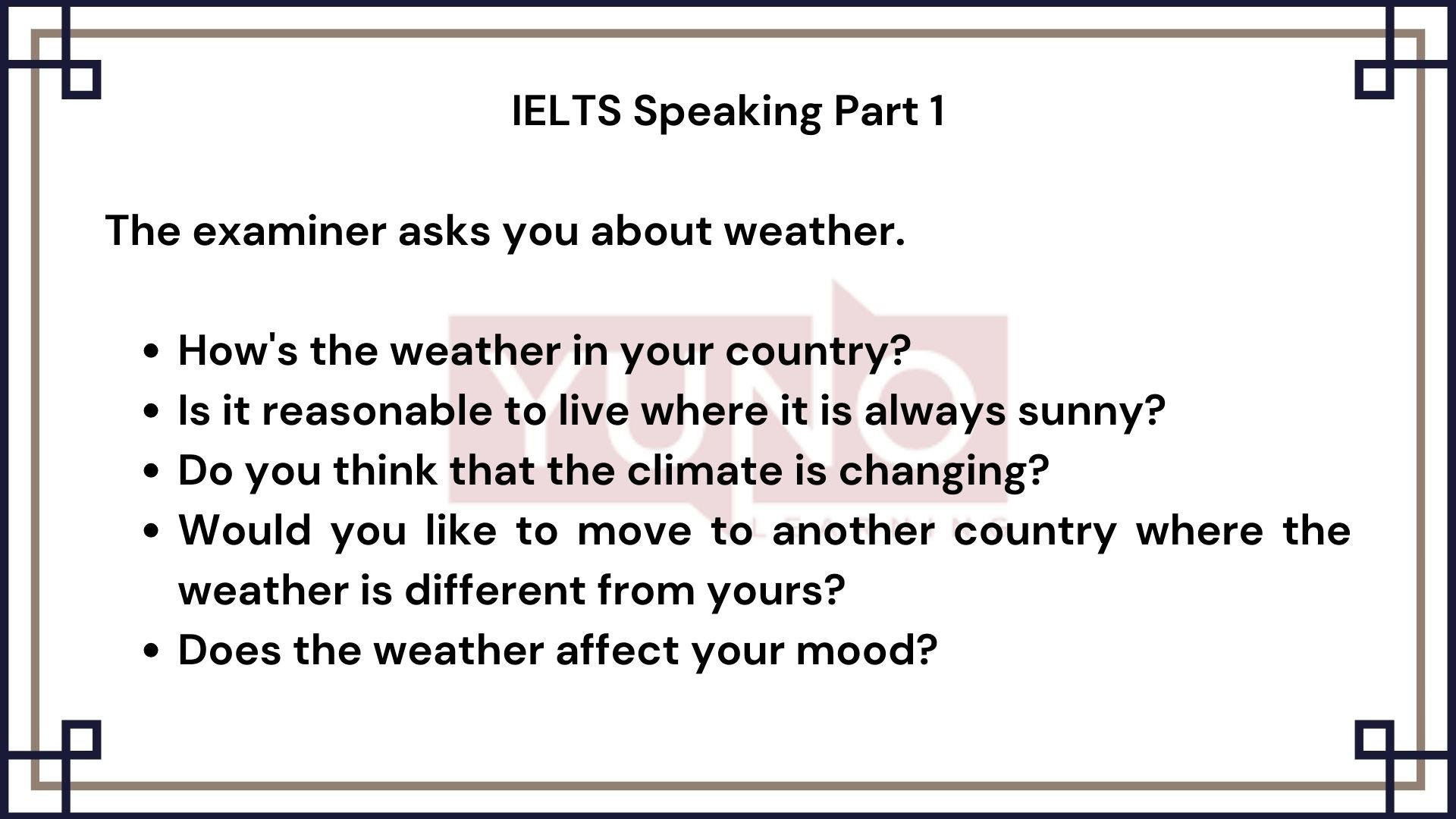
When faced with a question like, “Do you like rainy days?”, the biggest mistake is answering with a grunt: “Yes.” Congratulations, you’ve just given the examiner the conversational equivalent of a wet fish. Instead, try a lazy, confident loop: “Absolutely not, because my hair turns into a chia pet, and I have to wrestle my umbrella for twenty minutes.”
Must Read
See what you did there? You gave a clear answer (“no”), a reason (“hair”), and a weirdly specific detail (“chia pet”). That’s not just an answer; that’s a mini-comedy show, and the examiner is your captive audience. They’ve heard “it’s nice” about 400 times today—don’t be number 401.
The “How Often…” Conundrum
Now, the tricky ones: “How often do you exercise?” If you’re a couch potato, resist the urge to lie and claim you run marathons. The examiner isn’t your doctor, nor your life coach. Instead, use humor as your shield: “I exercise strictly on accident—like sprinting to catch the bus or lifting a heavy bag of groceries. My gym is called ‘The Sidewalk.’”

This works because it’s honest, playful, and shows you can play with the language. The IELTS gods don’t reward athleticism; they reward fluency and panache. Plus, a surprising fact? Most examiners are trained to not judge your opinion, only your language. So, you could say you hate the moon and still get a Band 8, as long as you explain why with a straight face.
The “Why?” Question That Kills
The most dangerous question is the simple “Why?” after your answer. It’s the examiner’s way of saying, “Prove you’re not a parrot.” If you say, “I like reading books,” and they ask “Why?”, do not say, “Because they are good.” That’s a red flag for a robot.
Try this: “I love reading because it’s the only time I can silently judge fictional characters without them judging me back. Plus, it’s cheaper than therapy.” This is pure gold. It’s personal, a little silly, and shows you can think on your feet. The key is to stop trying to be impressive and start trying to be interesting.
The Final Word (And One Weird Trick)
Here’s your takeaway: treat Part 1 like small talk at a painfully boring family dinner. Your uncle asks about your job; you don’t just say “finance.” You say, “I push numbers around until they look scared.” That’s the energy you need.
And the surprising fact? You don’t need fancy vocabulary. Words like “thingy,” “stuff,” and “a bit” are your friends. The examiner isn’t grading your thesaurus; they’re grading your willingness to communicate. So, exaggerate, be sarcastic, or admit you’re lazy—it all beats a robotic monotone. Now, go forth, answer with a smirk, and remember: there are no wrong answers, only boring ones. Fortunately, you’re not boring.

.jpg)