How To Write Grammatically Correct
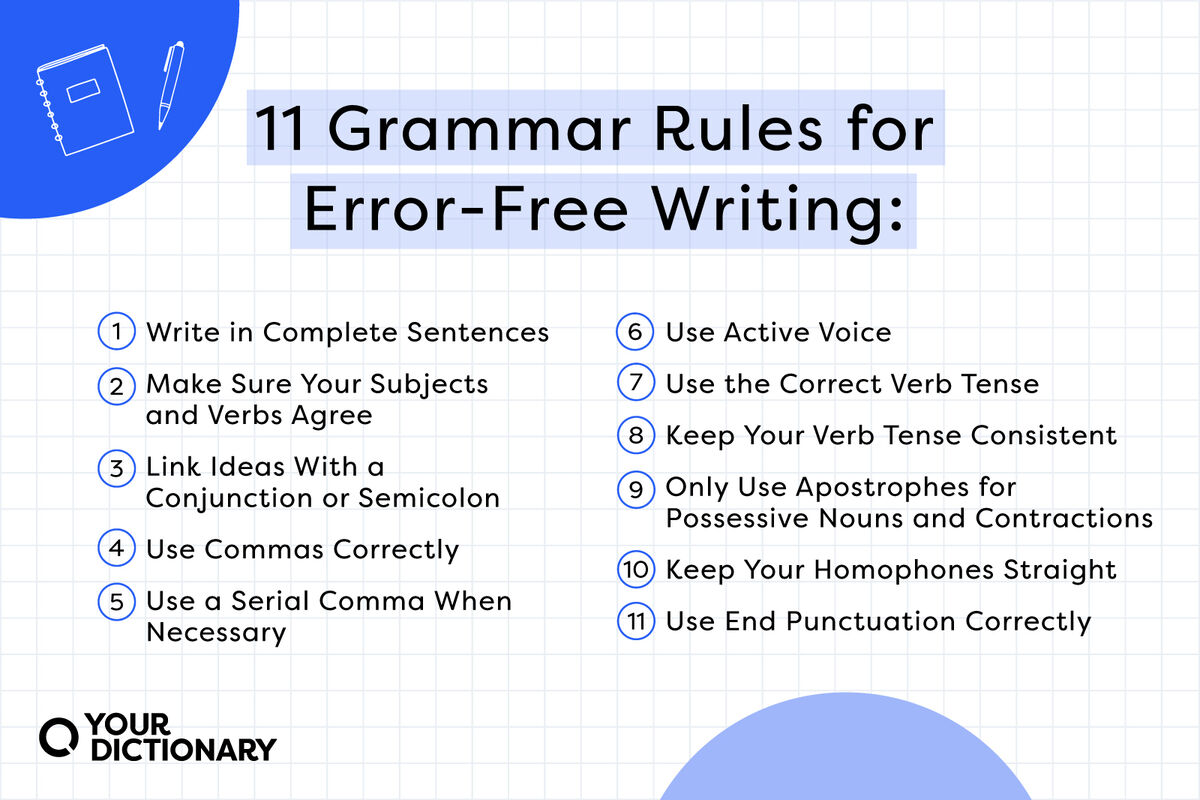
Let’s be honest—grammar gets a bad rap. People picture a stern librarian wagging a ruler at a misplaced comma. But here’s the secret: grammar is just a game of building with words, and once you learn the rules, you can bend them like a circus performer.
Why Grammar Feels Like a Puzzle, Not Punishment
Think of a sentence as a Lego set. You have bricks (nouns), glue (verbs), and little connectors (prepositions). When you snap them together the right way, your idea clicks into place with a satisfying pop. When you don’t, the whole tower wobbles.
The fun part? You get to play with the order. Native English speakers already do this without thinking. For example, “The dog bit the man” and “The man bit the dog” use the exact same words—but tell completely different stories. That’s grammar being mischievous and brilliant at once.
Must Read
“Grammar is the scaffolding of thought. Knock it down, and your ideas collapse into a pile of rubble.”
And that’s precisely why it’s entertaining. Every time you choose a word order or add a comma, you’re directing a tiny movie in your reader’s head. You become a puppeteer of meaning.
The Joy of Catching a Mistake (Yes, Really)
There’s a secret thrill in spotting a misplaced apostrophe in a store sign. “Fresh Apple’s” isn’t just wrong—it’s a little comedy show. You laugh, you feel smarter, and you realize: grammar mistakes are actually kind of delightful.

So why not create your own delightful moments on purpose? Write a sentence that’s perfectly correct but sounds like Yoda. “To the store, I walked.” It’s grammatically fine, but it flips the usual rhythm. That’s the playful side of the rules.
Start treating grammar like a rhythm section in a song. You can play straight beats, or you can syncopate. Both are correct—but one makes people tap their feet.
Three Tiny Tricks to Feel Like a Pro
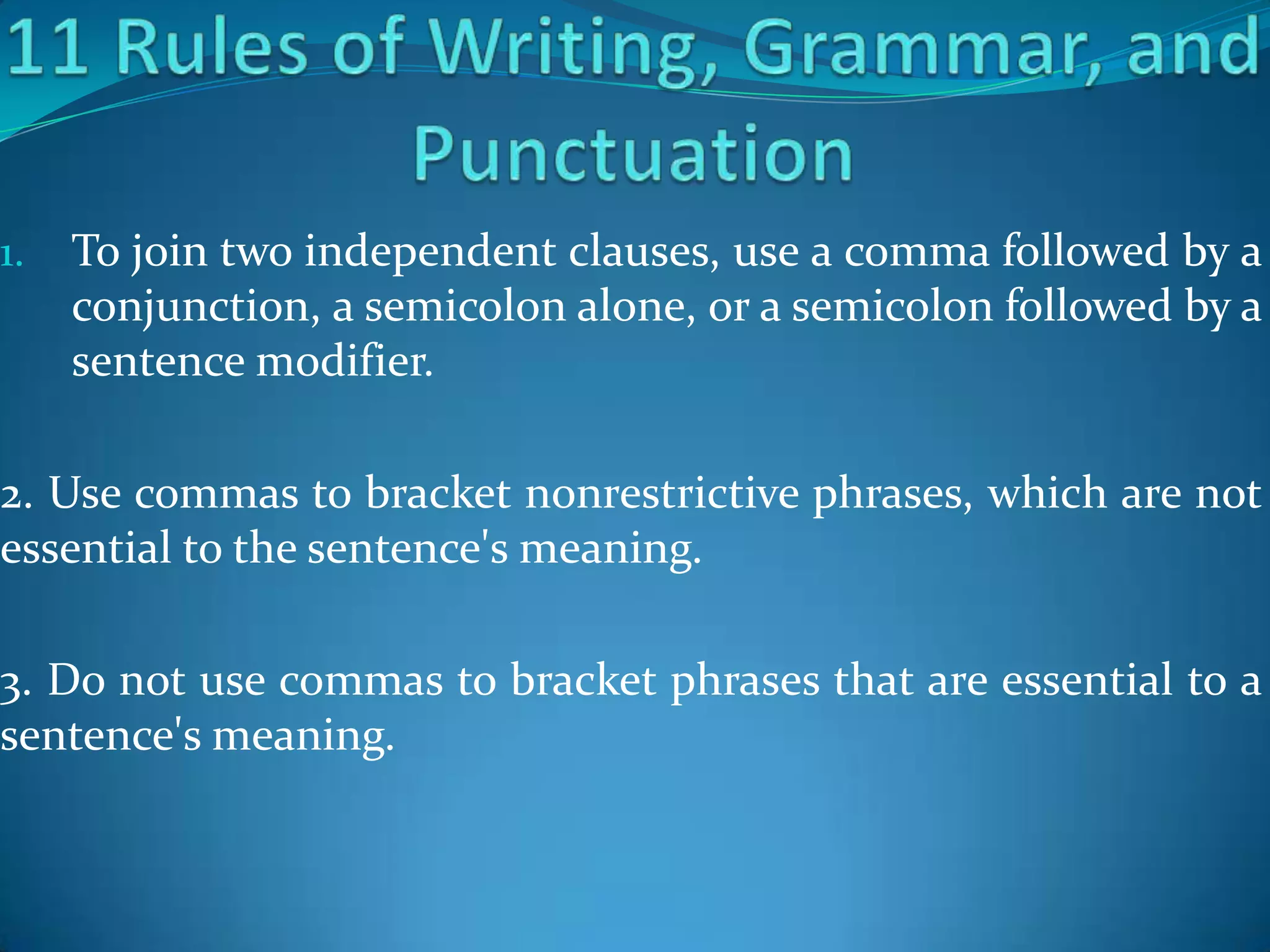
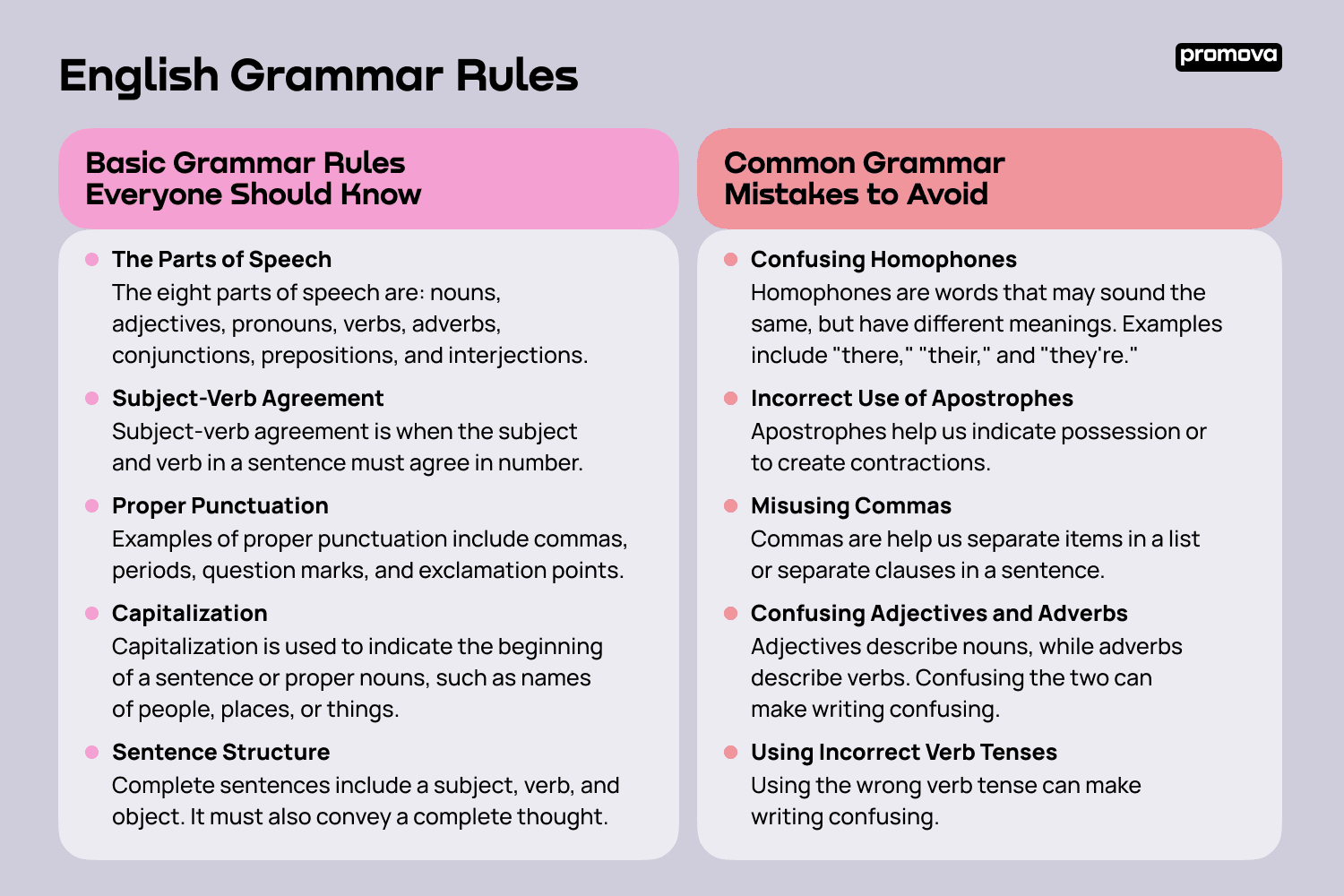
First, remember the humble comma. A comma is a breath, not a speed bump. If you wouldn’t pause to take a sip of coffee, you don’t need it. Easy as that.
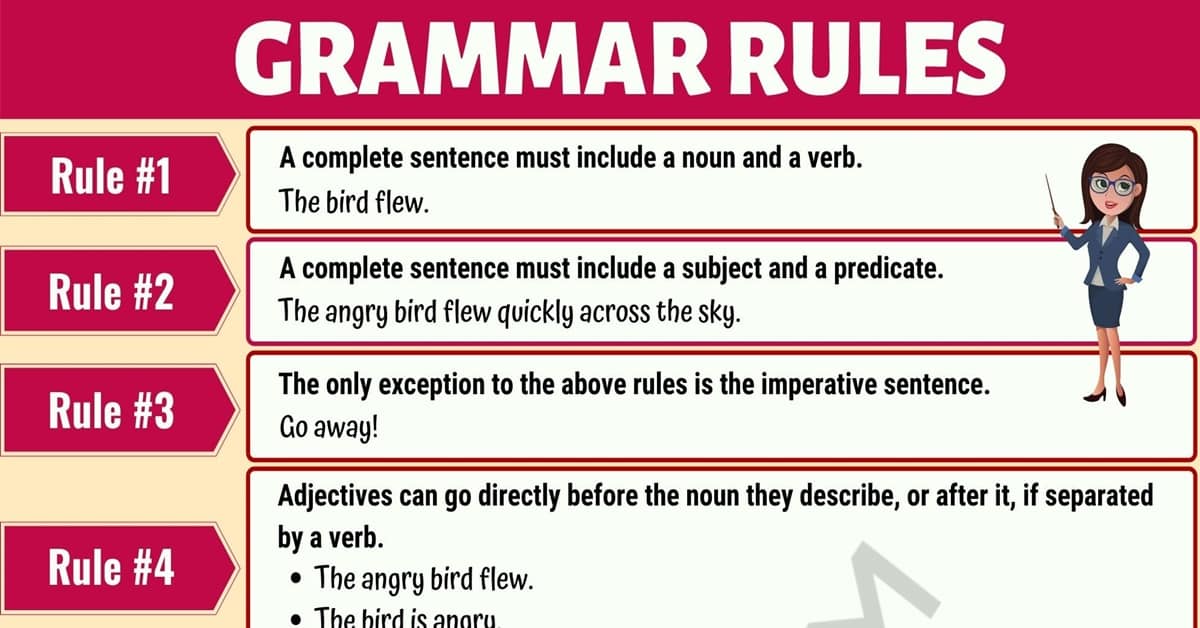
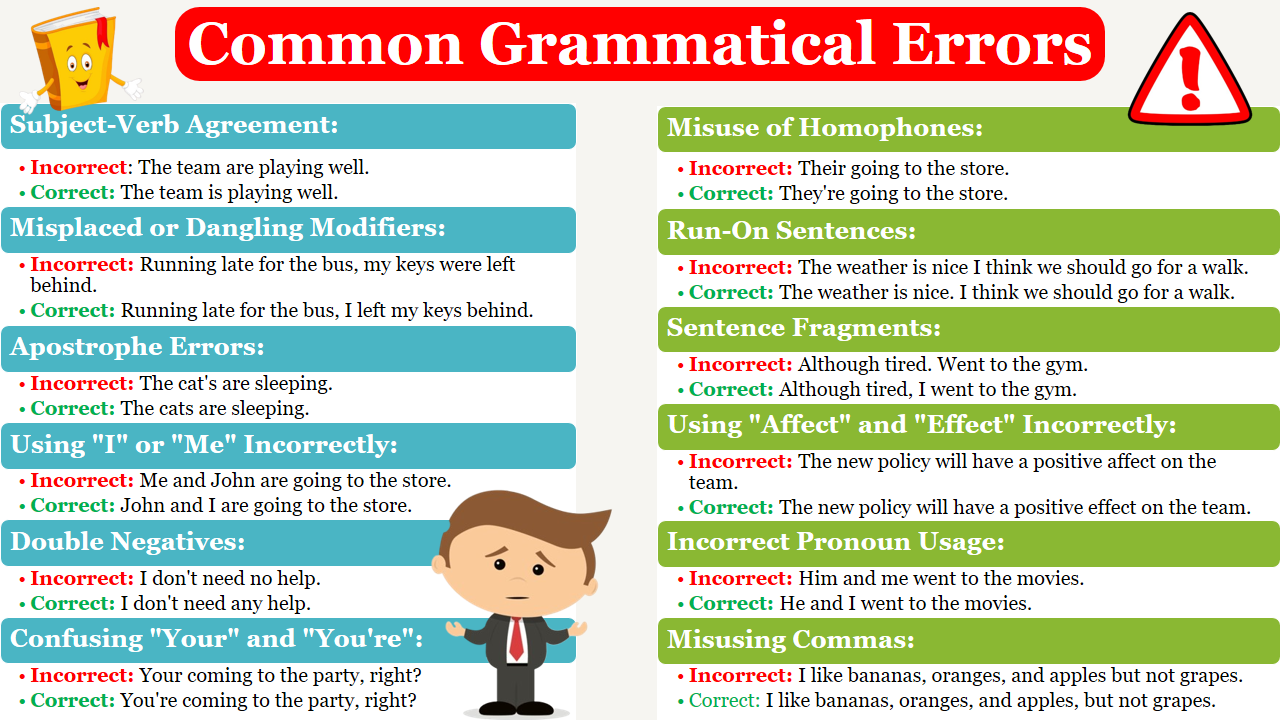
Second, watch your subject-verb agreement. “The team is winning” sounds right, but “the team are winning” sounds weird—even though both are used in different English dialects. Pick one style and stick with it. Consistency is your friend.
Third, use parallel structure for instant polish. Instead of “I like running, to swim, and biking,” say “I like running, swimming, and biking.” See how the second version has a rhythm? That’s the same pleasure as completing a crossword puzzle.
Why You Already Know More Than You Think
Here’s the funny truth: you’re a grammar genius on autopilot. You know that “the big red ball” sounds better than “the red big ball”—nobody taught you that rule, but you feel it in your bones. That’s called native intuition, and it’s a superpower.
The real fun starts when you break grammar rules on purpose. In emails, you can use “And” or “But” to start a sentence for punch. In stories, you can write fragments like “No way.” or “Never again.”—and they hit like a drumbeat. Those are choices, not mistakes.
“Rules are like training wheels. You don’t need them forever, but they help you learn how to balance before you go doing tricks.”
So next time you write a text, an email, or a Facebook post, treat it like a mini game. Move a word, swap an adjective, test a new comma placement. You’re not being “correct”—you’re being playful.
Your Invitation to Play
You don’t need a grammar textbook. You need curiosity and a green light to experiment. Open a blank document, type a simple sentence, and then twist it into five different versions. Some will be clunky. One will be gold.
That gold is your voice, and grammar just gave you the tools to shape it. The more you play, the more you’ll notice how punctuation creates suspense, how word order builds emotion, and how a well-placed semicolon can make you look like a wizard.
So go ahead—make a grammatical “mistake” on purpose and see what happens. You might just discover that being wrong is the most correct thing you’ve ever done.