Credit Card Payment Processing Time
The Great Credit Card Time Warp
Let’s be honest: paying with a credit card feels like magic. You swipe, tap, or wave your phone, and poof—the item is yours. But behind that tiny terminal, a frantic digital relay race is happening.
It’s not instant. It just feels instant because we’re impatient humans with thumbs. The truth? Your money takes a scenic route through several banks, like a tourist bus that refuses to use the highway.
Step One: The Dramatic Swipe
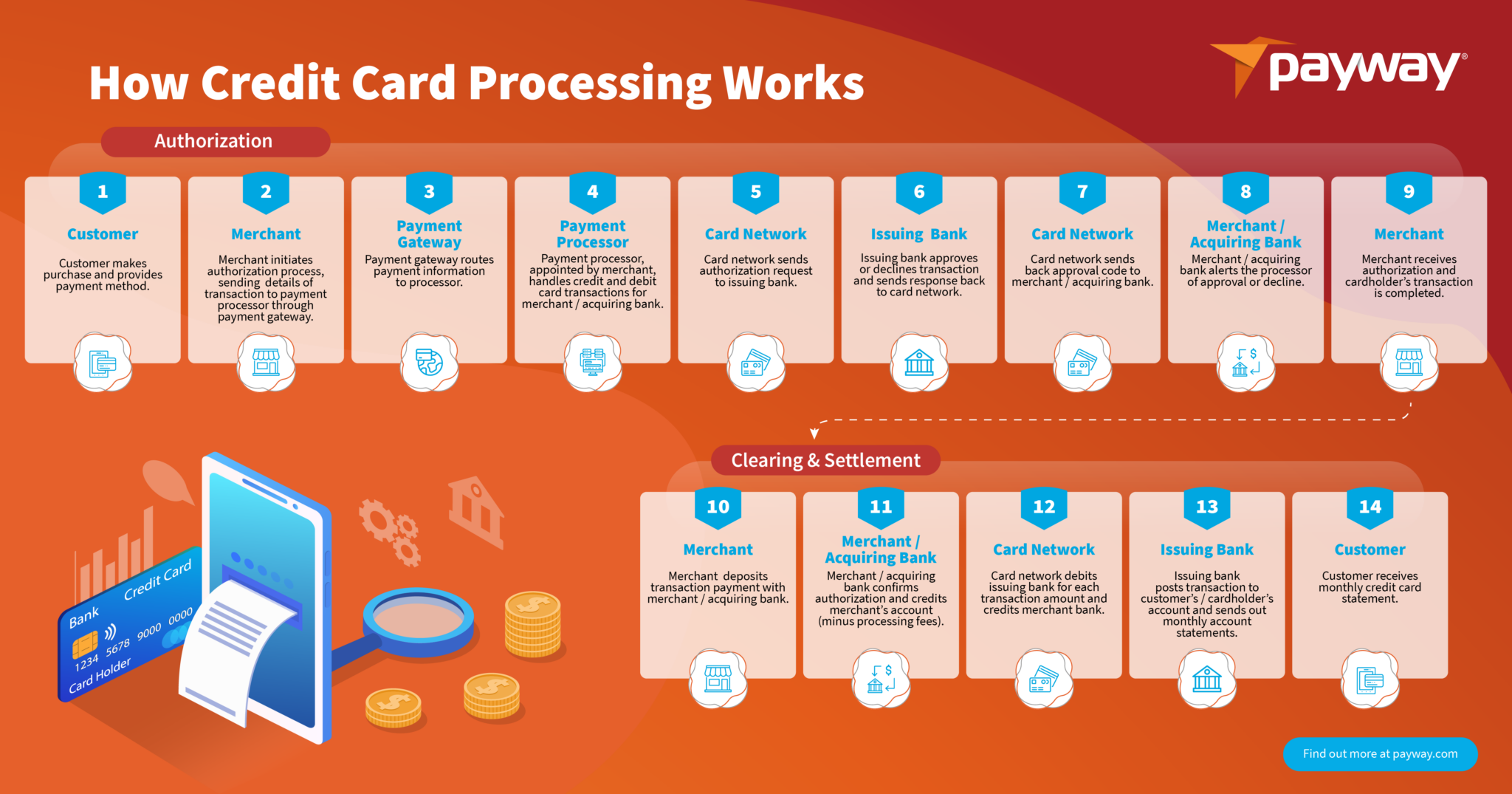
You tap your card, and the machine glows like a tiny spaceship. That’s the Point of Sale (POS) system sending a secret message to the bank that issued your card.
Must Read
It’s basically asking, “Hey, does this person have cash? And are they a criminal?” This happens in under two seconds, which is faster than most people decide what to order at a restaurant. But that’s just the request—the real work is just starting.
The Bank’s Little Chat
Your bank (the issuer) and the shop’s bank (the acquirer) then have a quick, robotic chat. They check your balance, your fraud flags, and your embarrassing history of buying 3 a.m. tacos.
If you pass, they send a “yes” code back. That’s why the terminal says “Approved”—but it’s a lie. That’s only permission, not actual payment.
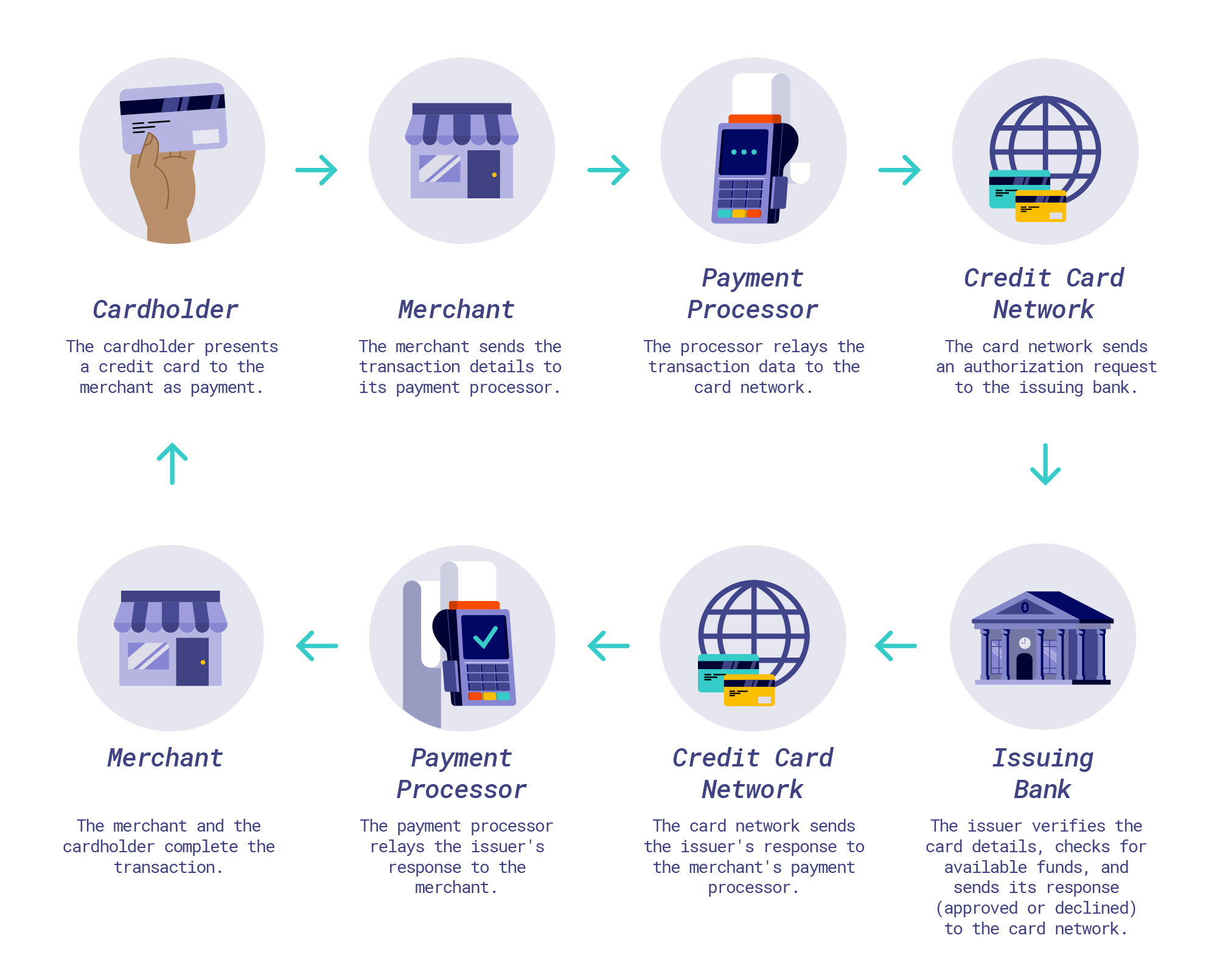
Think of it as your bank saying, “Sure, we’ll cover you,” but then taking a coffee break before actually handing over the money.
Here Comes the “Batch”
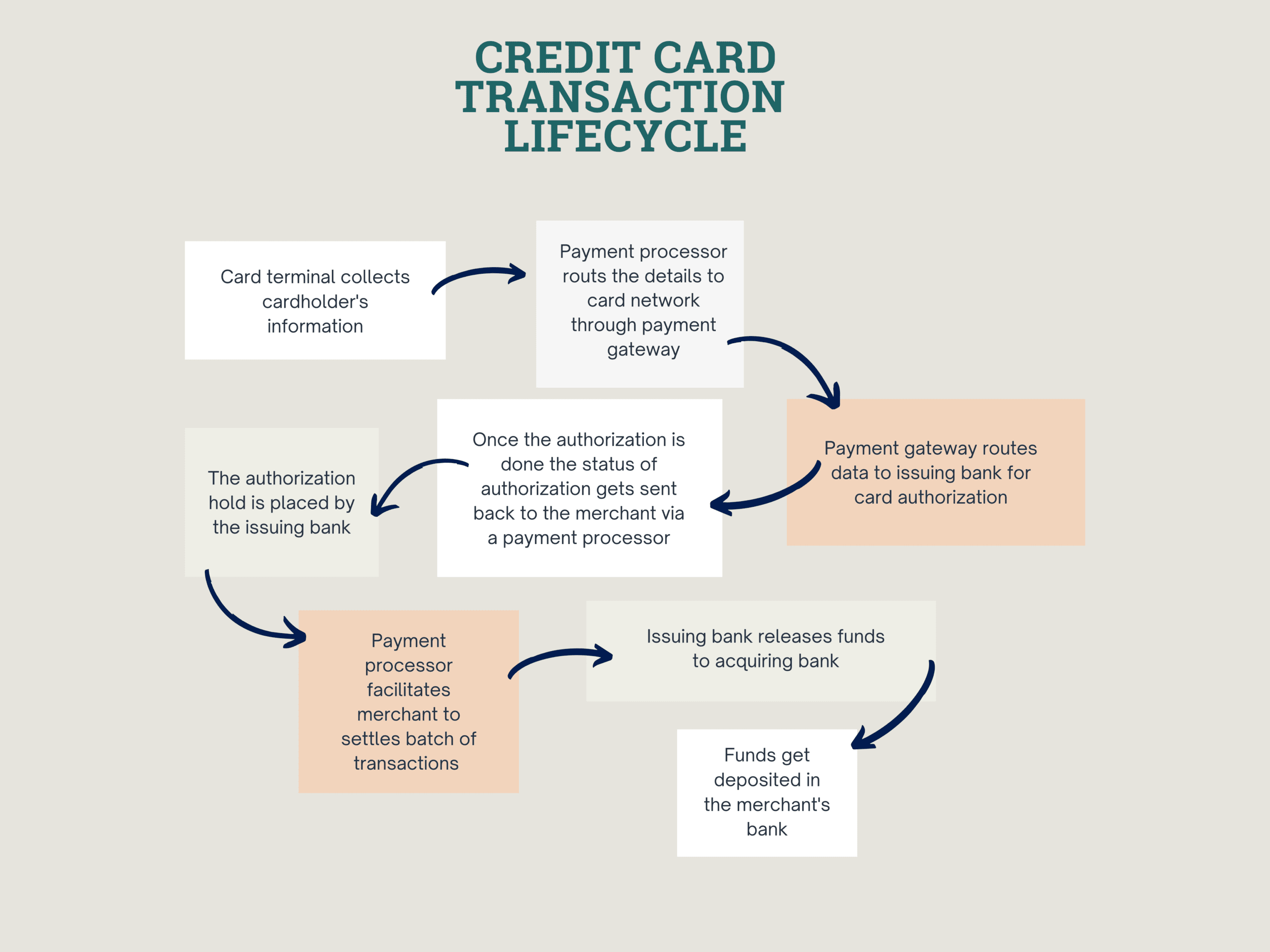
Now, here’s where the unpopular opinion comes in. The merchant does not get your money instantly. Every night, the store bundles up all your tiny purchases into one big fat envelope called a batch.
They send that batch to their bank, which then sends it to a giant payment network like Visa or Mastercard. This usually happens when you’re asleep, dreaming of free money.
The Settlement Snooze-Fest
The network then plays a game of digital hot potato between the two banks. This is called settlement, and it takes one to two business days. Weekends don’t count, obviously, because banks love a long lunch.
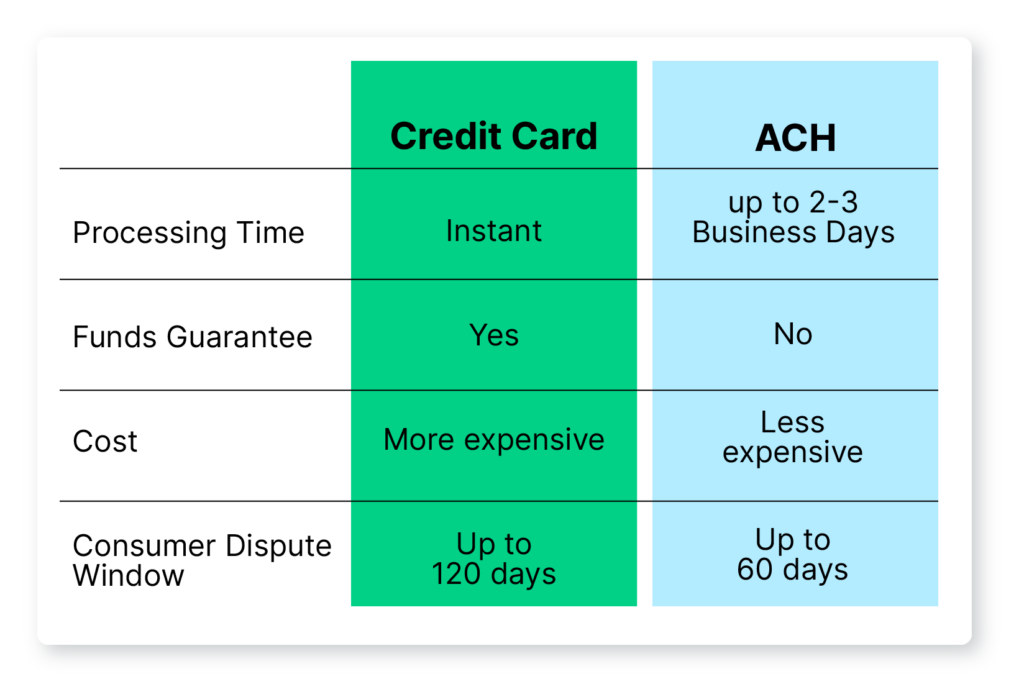
So, if you buy a coffee on Friday, the coffee shop might not see a penny until Tuesday. That’s not an error—that’s the system. It’s like mailing a letter and waiting for a pigeon to deliver it, but the pigeon is on a union break.
Why It’s Actually a Good Thing (Shh)
Here’s my controversial stance: this lag is wonderful. It stops impulsive buyers from instantly draining their accounts. It also gives you a two-day window to realize you bought that giant inflatable dinosaur and cancel it.
Also, the store gets a tiny bit of interest on your money before you do. That’s why they love cards. They’re not just selling you stuff—they’re playing a slow-burn money game, and they always win.

The “Pending” Horror
Meanwhile, you see a “Pending” charge on your app and panic. You think, “Oh no, did I get hacked?” No, you just bought socks at 4 p.m. That pending status just means the bank is holding the money hostage until the batch settles.
It’s like the bank is holding your purchase for ransom, but the ransom note just says “processing.” The worst part? Sometimes the hold disappears for a day, then comes back. That’s the bank playing mind games.
The Final, Glorious Arrival
Eventually, the money lands in the merchant’s account. It’s not exciting. No confetti, no trumpet sound. Just a quiet number on a screen that says “deposited.”
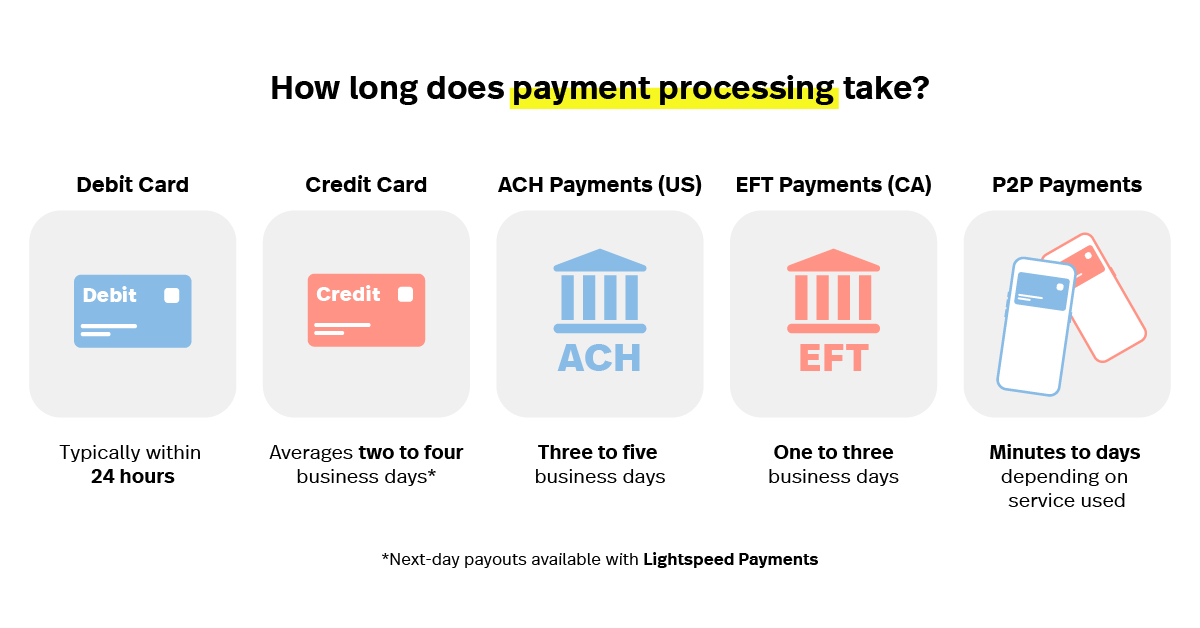
So next time you tap your card and hear that fake “beep,” remember: you just started a 48-hour journey through a bureaucratic maze. And you’re not the boss—the processing time is.
My Unpopular Verdict
I love the delay. It adds suspense to every purchase, like a mini-drama. Who says finance can’t be a thriller?
Instant payments are overrated. Waiting two days builds character—and keeps you from buying another spatula you’ll never use. So, embrace the wait. It’s the only form of patience left in a world that wants everything now.
And if you’re a merchant reading this? Stop refreshing your bank app. The money is coming—just not today. Go take a nap; it’s the most productive thing you’ll do while the banks take their sweet, digital time.