
How To Identify Protein Protein Interactions
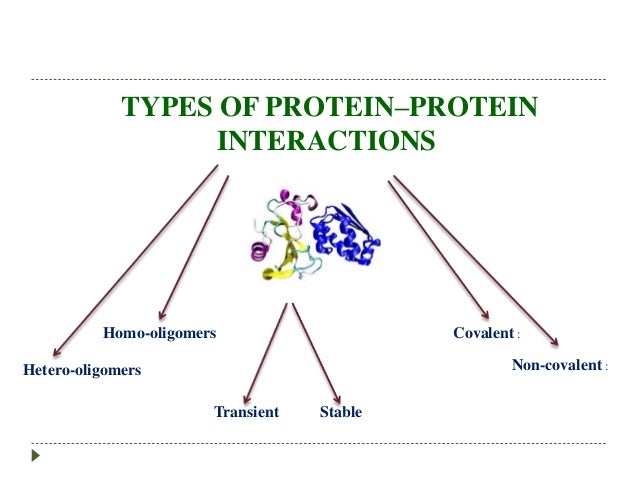
So, you wanna know about protein-protein interactions, huh? I mean, who doesn't, right? It's like the ultimate biological party, where proteins get together and do their thing.
But, seriously, identifying these interactions is kinda a big deal. I mean, think about it - proteins are like the building blocks of life, and when they interact, they can create new things, like complexes and pathways. So, how do we figure out who's talking to who, and what they're saying?
Let's Get Started
We've got a few ways to identify these interactions, and one of the most popular methods is co-immunoprecipitation (co-IP). It's like a game of protein tag, where we use antibodies to catch proteins that are interacting with each other. And, trust me, it's a real thing - not just a fancy lab technique!
Must Read
Another way to identify protein-protein interactions is by using biochemical assays, like pull-down assays or far-western blotting. I know, I know, it sounds like a mouthful, but just think of it like a protein matchmaking service - we're trying to find the perfect protein pair!
Protein Arrays
Protein arrays are another cool way to identify interactions. Imagine a big grid of proteins, where each one is like a little square, waiting to be matched up with its perfect partner. It's like a protein dating app, but instead of swiping left or right, we're looking for binding!

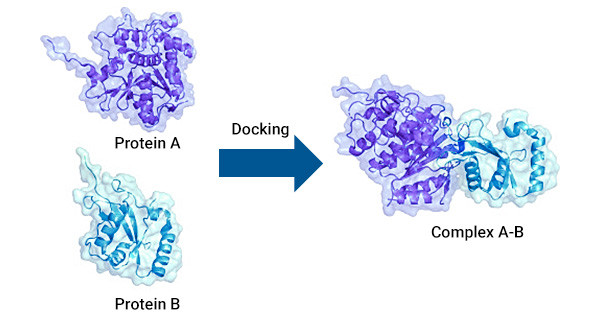
And, let's not forget about computational methods, like protein docking and molecular dynamics simulations. These are like the ultimate protein prediction tools - we can use them to predict which proteins will interact, and how they'll interact. It's like having a crystal ball, but instead of predicting the future, we're predicting protein interactions!
Bioinformatics to the Rescue
So, we've got all these interactions, but how do we make sense of them? That's where bioinformatics comes in - it's like the protein interaction detective, helping us to analyze and interpret all the data. And, trust me, there's a lot of data - we're talking big data, people!
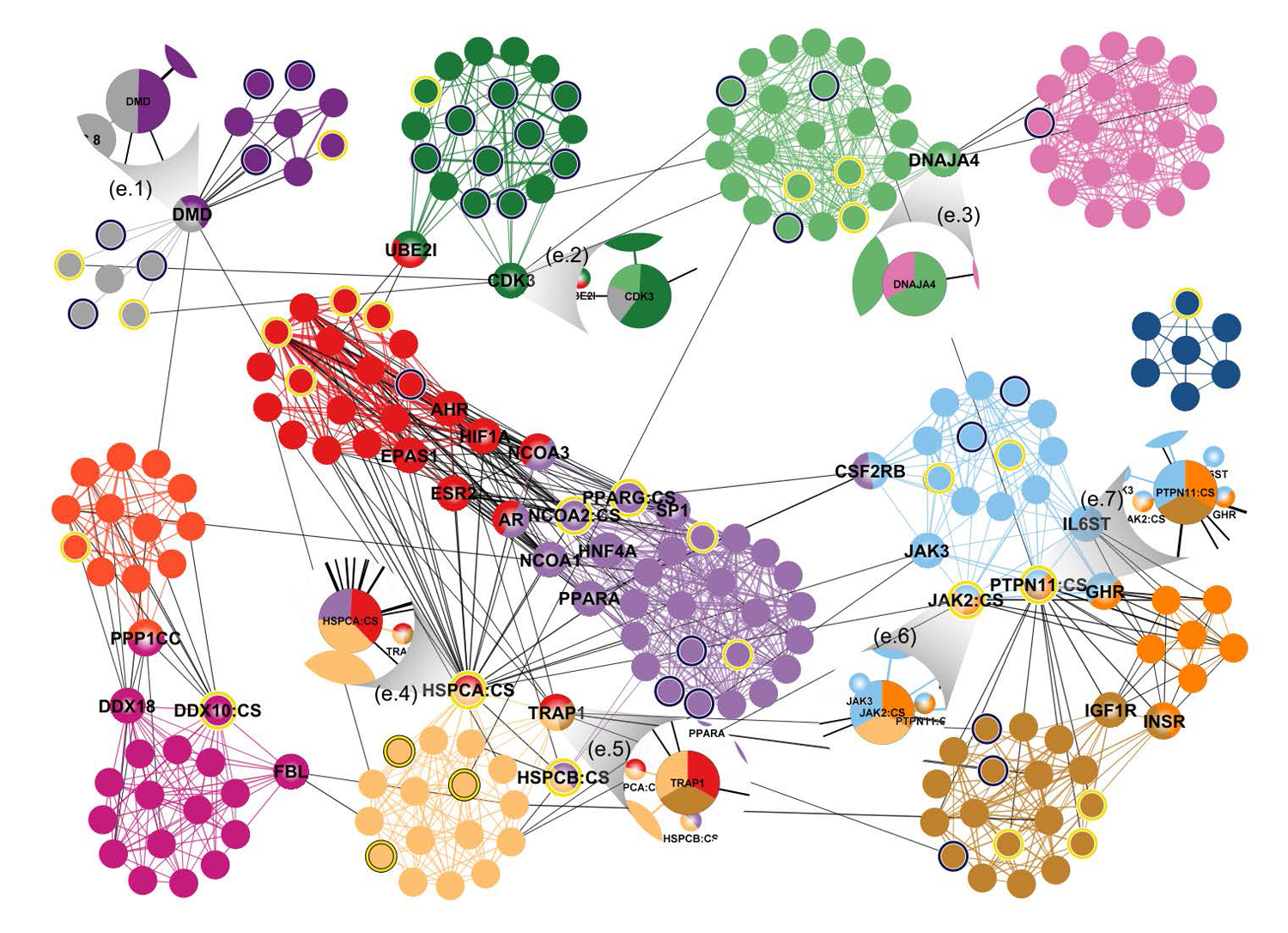
We can use protein interaction databases, like IntAct or BioGRID, to store and share information about protein interactions. It's like a big library, where we can look up protein interactions and see what's been discovered. And, the best part is, it's always growing - new interactions are being discovered all the time!
The Future is Now
So, what's the future of protein-protein interaction research? Well, it's looking bright, my friend! With new technologies and methods being developed all the time, we're going to be able to study protein interactions in ways we never thought possible. It's like the protein interaction world is exploding - in a good way, of course!
And, let's not forget about the applications - protein-protein interactions are involved in all sorts of diseases, from cancer to neurodegenerative disorders. So, by studying these interactions, we can gain insights into how diseases work, and maybe even develop new treatments. It's like the ultimate puzzle, and we're slowly but surely figuring it out!
Anyway, that's a wrap, folks! I hope you now have a better idea of how to identify protein-protein interactions. It's not rocket science (although, it can feel like it sometimes!), but it's definitely a fascinating field. So, next time you hear someone talking about protein interactions, you can nod knowingly and say, "Oh, yeah, I know all about that!"


