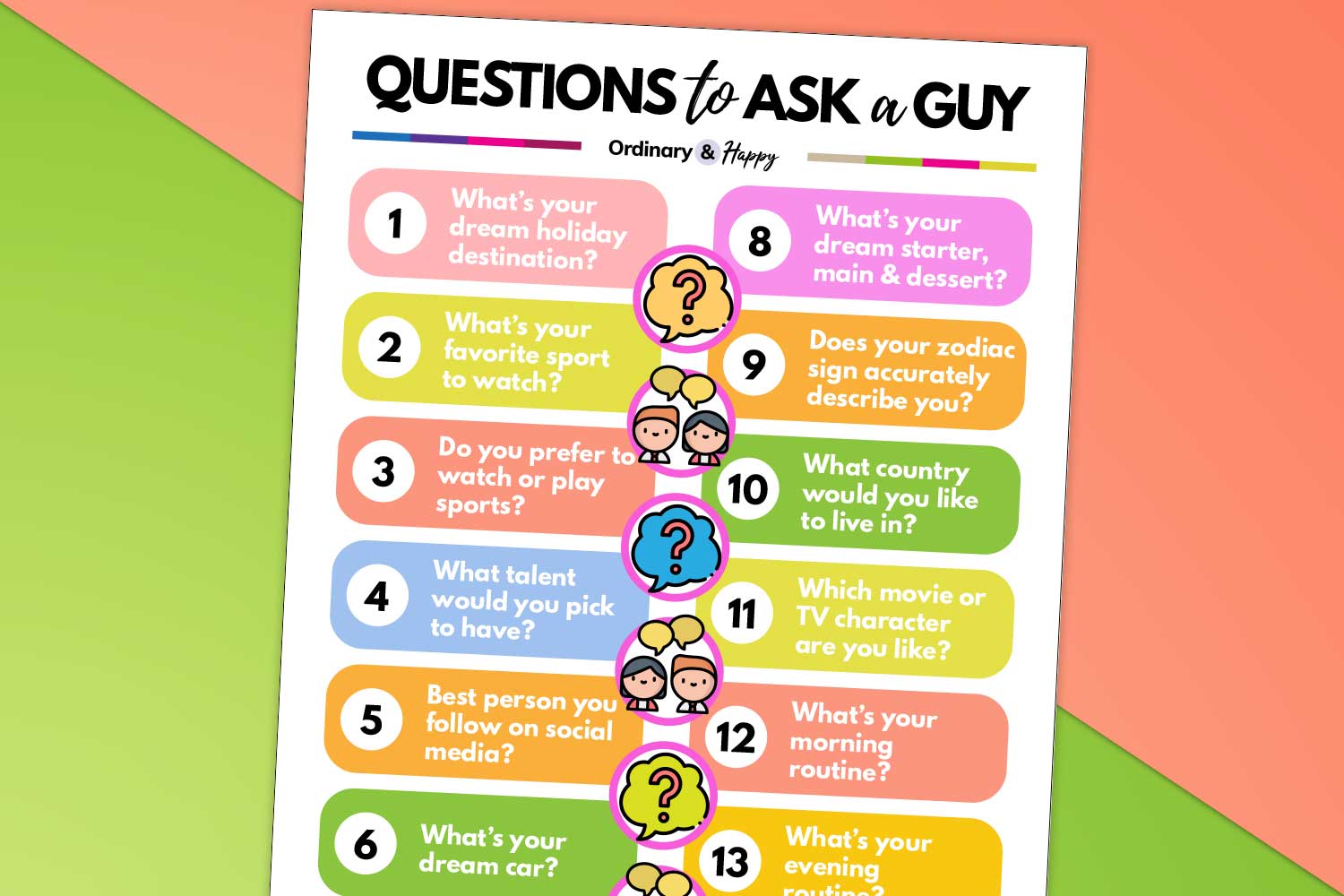
Questions To Ask A Guy Deep

Delving into the depths of a person's mind can be a thrilling yet daunting task, especially when it comes to understanding the opposite sex. Asking the right questions can be the key to unlocking the mysteries of a guy's thoughts, feelings, and desires. In today's fast-paced, tech-driven world, it's easy to get caught up in the superficialities of social media and forget the importance of genuine human connection. But, by asking the right questions, we can break down barriers and foster a deeper understanding of one another.
The art of questioning has been around for centuries, with ancient philosophers like Socrates and Plato using it as a tool for seeking wisdom and knowledge. In the context of relationships, asking questions can help us navigate the complex landscape of human emotions and build stronger, more meaningful connections with others. Whether you're on a first date, in a long-term relationship, or simply looking to understand the guys in your life better, asking the right questions can make all the difference. So, what are the questions to ask a guy to get to know him on a deeper level? Let's dive in and explore.
Uncovering the Unknown
When it comes to getting to know a guy, it's easy to stick to surface-level conversations about hobbies, interests, and work. But, to truly understand what makes him tick, you need to dig deeper. Asking questions that challenge his thoughts, feelings, and experiences can help you gain a more nuanced understanding of his personality, values, and motivations. For example, asking about his childhood can reveal a lot about his upbringing, family dynamics, and how these factors have shaped him into the person he is today. You might be surprised at how much you can learn from a simple question like, "What's your favorite childhood memory?" or "What's one thing you wish you could tell your younger self?"
Must Read
Another approach is to explore his passions and interests, but not just the superficial aspects. Instead, ask him about what drives his passion, what he hopes to achieve, and how he sees himself making a impact in his chosen field. This can give you insight into his values, motivations, and long-term goals. You might ask, "What's the most challenging project you've worked on, and how did you overcome any obstacles?" or "What's one thing you're excited to learn or explore in the next year?" By asking these types of questions, you can gain a deeper understanding of what makes him tick and what he's truly passionate about.
Cultural references can also play a significant role in shaping our understanding of guys and their interests. For instance, referencing popular culture can be a great way to find common ground and start a conversation. You might ask, "What's your favorite movie or book, and why does it resonate with you?" or "What's one thing you think is currently missing from the media landscape, and how would you like to see it change?" By exploring these types of questions, you can gain a better understanding of his tastes, values, and perspectives on the world.
Real-Life Scenarios and Takeaways
In real-life scenarios, asking the right questions can make all the difference in building a strong connection with a guy. For example, on a first date, you might ask questions like, "What's the best advice you've ever received, and from whom?" or "What's one thing you're looking forward to doing in the next year, and why?" These types of questions can help you gauge his values, interests, and sense of humor, giving you a better idea of whether you're compatible. Additionally, active listening is key in these situations, as it shows that you're genuinely interested in what he has to say and care about his thoughts and feelings.

In a long-term relationship, asking questions can help you navigate conflicts and challenges that inevitably arise. For instance, you might ask, "What's one thing that's been stressing you out lately, and how can I support you?" or "What's something you feel like we've been avoiding talking about, and how can we address it?" By asking these types of questions, you can create a safe and supportive environment for open and honest communication. It's also important to be aware of your own emotions and biases, as these can impact the way you ask questions and receive answers.
Case studies have also shown that asking the right questions can be beneficial in professional settings, such as in job interviews or team-building exercises. For example, you might ask, "What's one thing you think sets you apart from other candidates, and why do you think you're a good fit for this role?" or "What's something you've learned from a past project or experience that you think could be applied to our team?" These types of questions can help you assess a person's skills, experience, and fit with your organization, making it easier to make informed decisions.
Finally, it's essential to be patient and persistent when asking questions, as it may take time for the other person to open up and share their thoughts and feelings. Don't be discouraged if you don't get the answers you're looking for right away. Instead, focus on building trust and rapport, and remember that the goal is to have a meaningful conversation, not to interrogate or interview the other person. By taking the time to ask the right questions and listen actively, you can build stronger, more meaningful connections with the guys in your life.
Frequently Asked Questions
What are some good questions to ask a guy on a first date?
When it comes to a first date, it's essential to ask questions that are engaging, yet not too personal or intrusive. You want to get to know him, but also make sure you're both comfortable and having fun. Some good questions to ask might include, "What's your favorite way to spend a free Sunday?" or "What's the best travel experience you've ever had?" These types of questions can give you insight into his interests, values, and sense of adventure, while also keeping the conversation light and enjoyable. Additionally, pay attention to his body language, as this can reveal a lot about his comfort level and interest in the conversation.

Another approach is to ask for recommendations, such as "What's your favorite book or movie, and why do you like it?" or "What's one thing you think I should try or explore in the city?" This can give you a sense of his tastes and interests, while also showing that you value his opinion and are interested in his thoughts. By asking these types of questions, you can create a relaxed and engaging atmosphere, making it easier to get to know each other and have a great time.
How can I tell if a guy is interested in me?
Deciphering whether a guy is interested in you can be a challenging but exciting experience. One way to tell is to pay attention to his body language, such as whether he leans in when talking to you, maintains eye contact, or finds excuses to touch you. You can also look for consistency in his words and actions, such as whether he follows through on plans or shows genuine interest in your life. Additionally, trust your instincts, as you may pick up on subtle cues or vibes that suggest he's interested.
Another approach is to ask open-ended questions that encourage him to share his thoughts and feelings. For example, you might ask, "What do you like to do in your free time?" or "What's something that's been on your mind lately?" By asking these types of questions, you can create a safe and supportive environment for him to open up and share his interests, values, and desires. This can give you a better sense of whether you're compatible and whether he's truly interested in getting to know you better.
What are some common mistakes to avoid when asking questions?
When it comes to asking questions, there are several common mistakes to avoid. One of the most significant is asking too many questions at once, which can come across as interrogative or overwhelming. Instead, focus on one or two questions at a time, and allow the conversation to flow naturally. Another mistake is not listening actively, which can make the other person feel like you're not interested in their thoughts or feelings. Make sure to maintain eye contact, nod to show you're engaged, and ask follow-up questions to demonstrate your interest and attention.
Additionally, avoid asking questions that are too personal or sensitive, at least initially. You want to build trust and rapport before delving into deeper, more personal topics. Instead, start with lighthearted and engaging questions that allow you to get to know each other in a relaxed and enjoyable way. By avoiding these common mistakes, you can create a positive and supportive environment for open and honest communication, making it easier to build strong and meaningful connections with others.
How can I use questions to build trust and rapport?
Building trust and rapport with someone can be a challenging but rewarding experience. One way to do this is to use open-ended questions that encourage the other person to share their thoughts and feelings. For example, you might ask, "What's been the highlight of your week?" or "What's something you're looking forward to in the coming months?" These types of questions can create a safe and supportive environment for the other person to open up and share their interests, values, and desires.
Another approach is to show genuine interest and empathy, such as by actively listening, maintaining eye contact, and asking follow-up questions. This can help the other person feel heard, understood, and valued, making it easier to build trust and rapport. Additionally, be vulnerable and authentic yourself, as this can help create a sense of mutual understanding and connection. By using questions in this way, you can build strong and meaningful relationships with others, whether romantic, professional, or social.
What are some questions to ask a guy to get to know him on a deeper level?
When it comes to getting to know a guy on a deeper level, it's essential to ask questions that challenge his thoughts, feelings, and experiences. For example, you might ask, "What's the most significant risk you've ever taken, and would you do it again?" or "What's one thing you're proud of accomplishing, and why was it meaningful to you?" These types of questions can give you insight into his values, motivations, and sense of purpose, while also encouraging him to reflect on his experiences and emotions.

Another approach is to explore his relationships and connections, such as by asking, "What's the most important relationship in your life, and why is it significant to you?" or "What's one thing you've learned from a past relationship or experience that you think could be applied to our relationship?" These types of questions can help you understand his attachment style, communication patterns, and emotional intelligence, making it easier to build a strong and meaningful connection with him. By asking these types of questions, you can gain a deeper understanding of his thoughts, feelings, and desires, and create a strong foundation for a lasting and fulfilling relationship.
As we reflect on the importance of asking questions in our daily lives, it's clear that this skill can have a significant impact on our relationships, communication, and overall well-being. By learning to ask the right questions, we can build stronger, more meaningful connections with others, navigate conflicts and challenges with ease, and gain a deeper understanding of ourselves and the world around us. Whether in romantic relationships, professional settings, or social interactions, the art of questioning can help us foster empathy, understanding, and mutual respect, making it an essential tool for navigating the complexities of human connection.
In the context of human nature, our desire to ask questions and seek answers is a fundamental aspect of our curiosity and drive for knowledge. By embracing this desire and developing our questioning skills, we can tap into our natural inclination to learn, grow, and explore, making us more engaged, motivated, and fulfilled individuals. Additionally, recognizing the power of questions can help us become more aware of our own thoughts, feelings, and biases, allowing us to communicate more effectively and build stronger, more meaningful relationships with others.
Ultimately, the art of questioning is a lifelong journey that requires patience, practice, and dedication. By embracing this journey and continually seeking to improve our questioning skills, we can unlock new insights, deepen our connections with others, and cultivate a more nuanced understanding of the world around us. So, the next time you're interacting with someone, remember the power of questions and the impact they can have on your relationships, communication, and overall well-being. By asking the right questions, you can create a stronger, more meaningful connection with others and tap into the full potential of human connection.