How To Hack Nayatel Wifi Password

So there I was, at my cousin’s place in Islamabad, desperately trying to upload a video that absolutely could not wait. My data package was as empty as a politician’s promise, and their Wi-Fi was locked tighter than a drum. I stared at that password prompt like it was a riddle from the Sphinx, and I swear I could hear the router laughing at me.
That’s when I realized we’ve all been there, haven’t we? That primal urge to break into a neighbor’s network, not out of malice, but out of sheer, unadulterated boredom or, in my case, procrastination. But before you start donning a black hoodie and typing random code into a green terminal, let’s have a chat about the reality of “hacking” a Nayatel connection.
The Myth of the Magic Button
First, let’s kill the elephant in the room: there is no magic button. If you were hoping for a single command that makes the router spit out the password like a vending machine, you’re going to be disappointed. Real hacking is a slog. It’s about patience, social engineering, or just pure, dumb luck.
Must Read
And let’s be brutally honest, most of you reading this want a shortcut. You want the password to your neighbor’s fiber-optic connection because you ran out of data watching cat videos. That’s not hacking, that’s just begging for a digital handout.
Option One: The “Forgotten” Note
Start with the easiest method ever devised: look under the router. I know, groundbreaking. Most Nayatel routers have a sticker on the bottom with the default SSID and password, straight from the factory.

If they haven’t changed it, you’re in. If they have changed it, pat yourself on the back for trying. It’s the most ethical hack because you’re essentially exploiting the owner’s laziness, which is the purest form of cybercrime.
Option Two: The WPS Pin Tango
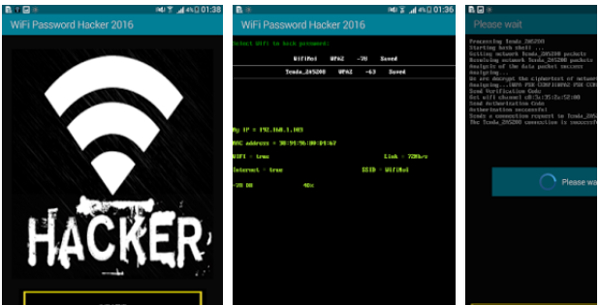
Now we’re getting into slightly greyer territory. WPS, or Wi-Fi Protected Setup, is that little button on the router that’s supposed to make life easier. It’s also famously insecure. There are apps that can brute-force the eight-digit PIN that WPS uses.
But here’s the kicker: Nayatel usually disables WPS on their newer CGNV5 and CGN4 routers. They’ve patched that hole because, well, they aren’t idiots. So if you’re trying this, you’re basically poking a dead horse with a rusty stick.
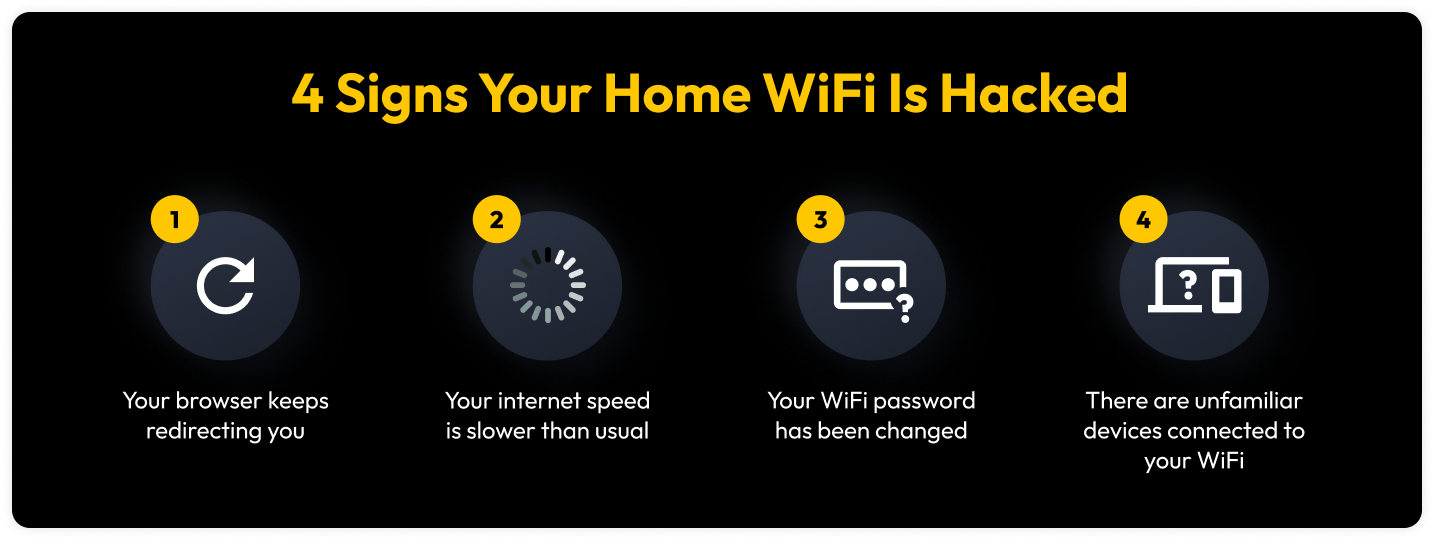
The Big, Ironic Truth
Here’s the side comment you didn’t ask for: even if you do get in, what’s the plan? Nayatel has a subscriber-level system. Your neighbor’s IP is tied to their account, and their speed is capped by their package. You’re not stealing infinite internet; you’re just leeching off their 10 Mbps plan while their entire family streams cricket in HD.
You’ll be lucky to get a stable 1 Mbps, which takes us right back to square one: buffering. Ironic, right? You risk a legal headache for a connection that’s worse than your phone’s 4G.

The Social Engineer’s Playbook
If you really, really want access, skip the software. Go old school. Ring their doorbell and say, “Hey, my internet is down, can I use yours for five minutes?”.
People are stupidly generous. You’ll get the password, send your email, and then ask if you can write it down “for later.” Boom. Done. Social engineering is 99% of all successful hacks, and it costs nothing but a bit of fake politeness.
Why You Shouldn’t Even Bother
Look, I get it. The thrill of the “win” is tempting. But Nayatel logs every MAC address connected to their network. If your phone’s unique ID pops up on a router that isn’t yours, they’ll notice. They might not care at first, but a neighbor complains about lag, and suddenly it’s a “network security audit.”
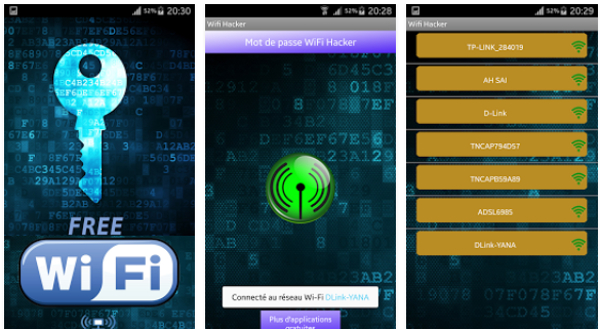
Then they’ll block your device, or worse, send a polite but passive-aggressive email to your house that gets read by your parents. That is the real hack: the fear of a printed warning letter.
So, my friend, put down the Kali Linux tutorial. Close the command prompt. The only “hack” you need is getting your own cheap data package or, heaven forbid, talking to your neighbor like a human being.
Because in the end, the best password is the one you didn’t steal, but were given out of pity. And that’s the most ironic hack of all, isn’t it?