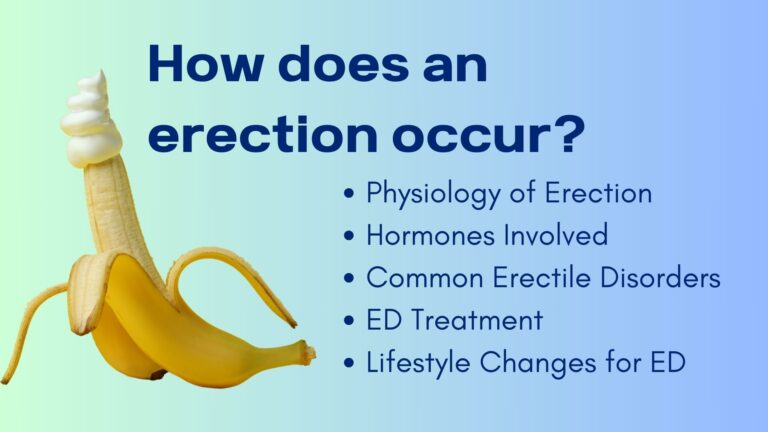
How To Get Fuller Erections
Understanding how to achieve fuller erections is a complex interplay of biological, psychological, and lifestyle factors. At its core, an erection is a vascular event that involves the relaxation of smooth muscle in the penis, allowing blood to flow in and fill the corpora cavernosa, which are two sponge-like regions that run along the length of the penis. This process is facilitated by the release of nitric oxide, a potent vasodilator that signals the smooth muscle to relax, enabling blood to rush in and causing the penis to expand and harden.
This process is intricately linked with overall cardiovascular health, as the same factors that promote heart health, such as regular exercise, a balanced diet, and not smoking, also support the health of the blood vessels and can contribute to achieving fuller erections. Moreover, psychological factors, including stress levels, self-esteem, and the presence of depression or anxiety, can significantly impact erectile function, as these conditions can interfere with the brain's ability to send the necessary signals to initiate and maintain an erection.
The role of hormones, particularly testosterone, is also critical in the physiology of erections. Testosterone is essential for maintaining libido and supporting the health of the tissues involved in erectile function. However, it's a delicate balance, as overly high levels of testosterone can also lead to negative effects due to the potential for promoting aggression and other adverse health outcomes. Thus, understanding and managing hormonal levels, alongside other health metrics, becomes a key component in optimizing erectile function.
Must Read
Understanding the Science
Delving deeper into the biology of erections reveals a complex interplay of neurological, hormonal, and vascular components. The process begins with sexual arousal, which is processed in the brain and leads to the release of neurotransmitters such as dopamine and serotonin. These chemicals play crucial roles in regulating mood, motivation, and the physiological response to sexual stimulation. The stimulation of the penis itself triggers a nerve response that sends signals through the spinal cord to the brain, further facilitating the arousal response and the subsequent initiation of an erection.
On a molecular level, the enzyme phosphodiesterase type 5 (PDE5) plays a pivotal role in regulating the duration of an erection. PDE5 breaks down cyclic guanosine monophosphate (cGMP), a secondary messenger that mediates the signal transduction pathways involved in smooth muscle relaxation and, consequently, the maintenance of an erection. Drugs like sildenafil (Viagra) work by inhibiting PDE5, thereby prolonging the action of cGMP and enhancing erectile function.
The systemic nature of erectile function means that lifestyle choices have a profound impact. Regular physical activity improves cardiovascular health, enhances endothelial function (the endothelium is the inner lining of blood vessels), and can increase levels of nitric oxide, all of which are beneficial for achieving fuller erections. A diet rich in fruits, vegetables, whole grains, and lean proteins supports overall health and, by extension, the physiological processes involved in erections. Avoiding smoking and excessive alcohol consumption, both of which can damage blood vessels and disrupt hormone balance, is also crucial.

Practical Strategies for Enhancement
Implementing specific lifestyle modifications can significantly enhance erectile function. One of the most effective strategies is engaging in regular aerobic exercise, such as brisk walking, cycling, or swimming, for at least 30 minutes a day. This not only improves cardiovascular health but also boosts testosterone levels and enhances psychological well-being, all of which are beneficial for erectile function. Additionally, incorporating Kegel exercises into one's routine can strengthen the pelvic floor muscles, which are essential for maintaining blood flow to the penis during an erection.
Maintaining a healthy weight is also critical, as excess body fat, particularly around the abdomen, can lead to insulin resistance and low testosterone levels, both of which are risk factors for erectile dysfunction. A balanced diet that is low in processed foods and added sugars and high in omega-3 fatty acids, vitamin D, and antioxidants can support vascular health and overall well-being.
Furthermore, managing stress levels through practices such as meditation, yoga, or deep breathing exercises can help mitigate the negative impact of stress on erectile function. Good sleep hygiene is also essential, as sleep deprivation can disrupt hormone levels, including testosterone, and impair sexual function. Limiting screen time before bed and creating a relaxing bedtime routine can help improve sleep quality.
In terms of specific nutritional supplements, while the evidence is not always conclusive, certain nutrients like L-arginine, vitamin D, and omega-3 fatty acids may support erectile health by improving blood flow, reducing inflammation, and enhancing the health of the endothelium. However, it's crucial to consult with a healthcare provider before adding any supplements to one's regimen, as they can interact with medications or have adverse effects in certain individuals.

Frequently Asked Questions
What role does age play in erectile function, and are there any specific strategies for older adults?
Age is a significant factor in erectile function, as the prevalence of erectile dysfunction (ED) increases with age. This is due to a combination of factors, including decreased testosterone levels, increased likelihood of chronic health conditions such as diabetes and hypertension, and the accumulation of vascular damage over time. For older adults, maintaining a healthy lifestyle, including regular physical activity, a balanced diet, and good sleep habits, is essential. Additionally, addressing any underlying health conditions through medical treatment and making lifestyle adjustments can help mitigate the risk of ED.
Older adults may also benefit from relaxation techniques and stress management, as these can help improve overall well-being and reduce the psychological barriers to achieving an erection. In some cases, medication or other medical interventions may be necessary, and consulting with a healthcare provider is crucial to determine the best course of action. It's also important for older adults to discuss any concerns or questions they have about sexual health with their healthcare provider, as there are often effective treatments available.
How does smoking affect erectile function, and what are the benefits of quitting?
Smoking is a significant risk factor for erectile dysfunction due to its detrimental effects on vascular health. Smoking damages the inner lining of blood vessels, including those in the penis, leading to reduced blood flow and impaired erectile function. Moreover, smoking can lead to atherosclerosis, the buildup of plaque in the arteries, which further compromises blood flow and increases the risk of ED. Quitting smoking can have immediate and long-term benefits for erectile function, as well as overall health.
The benefits of quitting smoking for erectile health are multifaceted. Within 20 minutes of quitting, heart rate and blood pressure decrease, improving circulation. Over the next few weeks to months, lung function improves, and the risk of heart attack begins to decrease. In terms of erectile function, quitting smoking can lead to improved blood flow to the penis, enhancing the ability to achieve and maintain an erection. Furthermore, the overall health benefits of quitting smoking, such as reduced risk of heart disease, stroke, and lung cancer, contribute to a better quality of life and increased longevity.

Can stress and anxiety cause erectile dysfunction, and if so, how can they be managed?
Yes, stress and anxiety can significantly impact erectile function. High levels of cortisol, the hormone released in response to stress, can disrupt the normal functioning of the hypothalamic-pituitary-gonadal (HPG) axis, leading to decreased testosterone production and impaired erectile function. Furthermore, anxiety can lead to performance anxiety, where the fear of not being able to achieve an erection creates a self-fulfilling prophecy, further exacerbating the problem.
Managing stress and anxiety involves a combination of lifestyle changes and psychological strategies. Regular exercise, such as walking or yoga, can help reduce stress levels and improve mood. Mindfulness practices, including meditation and deep breathing exercises, can also help manage anxiety and improve sexual function. Additionally, cognitive-behavioral therapy (CBT) can be effective in addressing underlying psychological issues and improving sexual confidence. In some cases, medication may be prescribed to help manage anxiety and depression, but this should be done under the guidance of a healthcare provider.
How does diet impact erectile function, and are there any specific foods that can help?
Diet plays a crucial role in erectile function, as a diet high in processed foods, sugars, and saturated fats can lead to inflammation, oxidative stress, and endothelial dysfunction, all of which can impair erectile function. On the other hand, a diet rich in fruits, vegetables, whole grains, and lean proteins can support vascular health, reduce inflammation, and enhance nitric oxide production, thereby supporting erectile function.
Certain foods have been identified as beneficial for erectile health due to their high content of specific nutrients. For example, beets are rich in nitrates, which can help relax and dilate blood vessels, improving blood flow to the penis. Spinach and other leafy greens are high in antioxidants and magnesium, which can help reduce inflammation and support overall health. Fatty fish like salmon, rich in omega-3 fatty acids, can also support heart health and reduce inflammation.

Are there any natural supplements that can help with erectile dysfunction, and how effective are they?
Several natural supplements have been studied for their potential benefits in supporting erectile function, although the evidence varies and more research is often needed. L-arginine and propionyl-L-carnitine are amino acids that can help improve blood flow and enhance the effects of nitric oxide. Ginseng and maca are herbal supplements that may help improve libido and erectile function, possibly by reducing stress and improving mood. However, it's essential to approach supplements with caution and consult with a healthcare provider before adding any to your regimen, as they can interact with medications or have adverse effects.
The effectiveness of natural supplements for ED can vary widely among individuals and may depend on the underlying cause of the ED, as well as overall health and lifestyle factors. While some men may experience improvement in erectile function with supplements, others may not see any significant benefits. It's also important to note that supplements should not be used as a replacement for medical treatment if ED is caused by an underlying health condition. A healthcare provider can help determine the best approach, which may include a combination of lifestyle changes, supplements, and medical treatment.
Respecting the science behind achieving fuller erections empowers individuals to take proactive steps towards improving their sexual health and overall well-being. By understanding the complex interplay of biological, psychological, and lifestyle factors, men can make informed decisions about their health, from dietary choices and exercise habits to stress management and sleep hygiene. This holistic approach not only enhances erectile function but also contributes to a healthier, more resilient body and mind.
Embracing the optimization of erectile function as part of a broader commitment to health can have far-reaching benefits, extending beyond sexual health to overall quality of life. By prioritizing cardiovascular health, managing stress, and fostering a positive body image, individuals can cultivate a deeper sense of self-care and self-awareness. This, in turn, can lead to more fulfilling relationships, improved mental health, and a greater sense of vitality and well-being. As such, the pursuit of fuller erections becomes not just a goal of sexual health but a catalyst for a more empowered, healthy, and fulfilling life.