Tips To Maintain An Erection
The age-old quest for a satisfying and healthy sex life has led many to explore the intricacies of human physiology, particularly when it comes to maintaining an erection. This complex process involves a delicate balance of physical and psychological factors, making it a fascinating topic of study and discussion. Throughout history, various cultures have approached this subject with a mix of reverence, mystery, and often, a dash of humor. In modern times, the conversation around erectile health has become more open, reflecting a broader shift towards acknowledging and addressing sexual well-being as an essential part of overall health.
Despite its significance, the topic of maintaining an erection remains shrouded in myths and misconceptions. Many individuals struggle with erectile dysfunction (ED) in silence, due to the stigma associated with sexual performance. However, understanding the causes, symptoms, and available treatments for ED can empower individuals to seek help and improve their sexual health. Moreover, recognizing the psychological and emotional aspects of erectile function can lead to a more holistic approach to addressing issues related to intimacy and sexual satisfaction. By delving into the multifaceted nature of erectile health, we can work towards a more informed and supportive discourse around sexual well-being.
Unveiling the Mysteries of Erectile Function
The human body's ability to achieve and maintain an erection is a remarkable process that involves the coordination of nerves, blood vessels, and hormones. At the heart of this process is the release of nitric oxide, a molecule that triggers a series of reactions leading to the relaxation of smooth muscle in the penis, allowing blood to flow in and cause an erection. This intricate mechanism is influenced by a range of factors, including emotional state, physical health, and lifestyle choices. For instance, stress and anxiety can negatively impact erectile function by disrupting the balance of hormones and nerves involved in the process.
Must Read
Cultural references to erectile health can be found in ancient texts and artworks, showcasing the enduring human interest in this aspect of sexual health. From the symbolic representations of fertility in ancient civilizations to modern-day pharmaceutical advertisements, the quest for sexual potency has been a recurring theme. Interestingly, some historical treatments for ED, such as the use of aphrodisiacs, highlight the long-standing recognition of the psychological and emotional components of sexual function. Today, a more nuanced understanding of erectile health encompasses not just physical treatments but also psychological support and lifestyle adjustments.
Lesser-known facts about erectile function include the significant impact of lifestyle choices on sexual health. Regular exercise, a balanced diet, and avoiding smoking and excessive alcohol consumption can all contribute to healthier blood flow and nerve function, reducing the risk of ED. Furthermore, the importance of mental health and relationship dynamics cannot be overstated, as feelings of intimacy, trust, and communication with one's partner play a crucial role in sexual satisfaction and erectile function.
Practical Insights for Maintaining Erectile Health
For individuals looking to improve their erectile health, there are several practical steps that can be taken. Firstly, open communication with a healthcare provider or a sexual health specialist can help in addressing any underlying health issues or concerns. This includes discussing medications that may be contributing to ED, as well as exploring treatment options such as oral medications, injections, or vacuum devices. Additionally, incorporating pelvic floor exercises, also known as Kegel exercises, into one's routine can help strengthen the muscles involved in erectile function.
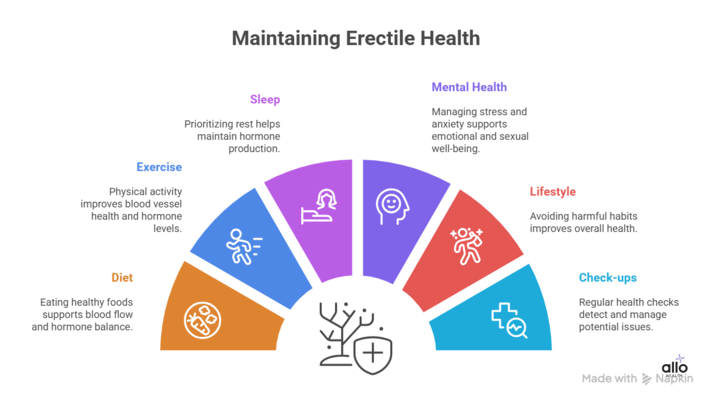
Scenario-based approaches can also be helpful, such as managing performance anxiety through relaxation techniques like deep breathing or mindfulness. Building a healthy relationship with one's partner, based on trust, open communication, and mutual understanding, can significantly reduce stress and anxiety related to sexual performance. Moreover, education and awareness about sexual health can empower individuals to make informed decisions about their well-being and to seek help when needed.
Case studies of individuals who have successfully addressed ED highlight the importance of a holistic approach, combining medical treatment with lifestyle changes and psychological support. For example, a man who adopts a regular exercise routine, improves his diet, and seeks counseling for relationship issues may find that these changes not only enhance his overall health but also improve his sexual function. By acknowledging the interplay between physical, psychological, and emotional factors, individuals can work towards a more satisfying and healthy sex life.
Actionable takeaways for maintaining erectile health include setting realistic expectations and understanding that occasional difficulties with erectile function are a normal part of sexual health. Practicing patience and communication with one's partner, and seeking professional help when needed, can lead to a more positive and fulfilling sexual experience. Furthermore, embracing a growth mindset towards sexual health, recognizing that it is an aspect of overall well-being that can be nurtured and improved over time, can foster a more proactive and empowered approach to addressing any challenges that may arise.
Frequently Asked Questions
What are the most common causes of erectile dysfunction?
The causes of erectile dysfunction (ED) are multifaceted and can include physical factors such as vascular disease, diabetes, and hormonal imbalances, as well as psychological factors like stress, anxiety, and depression. Lifestyle choices, such as smoking and excessive alcohol consumption, can also contribute to ED. Understanding the underlying cause of ED is crucial for selecting the most appropriate treatment approach. For instance, addressing underlying health conditions and making lifestyle modifications can significantly improve erectile function in many cases.

In addition to these factors, relationship issues and communication problems with one's partner can also play a significant role in ED. Therefore, a comprehensive approach to addressing ED should include not just medical treatment but also psychological support and couples therapy when necessary. By recognizing the complexity of ED and its various causes, individuals can work with healthcare providers to develop a personalized plan for improving their sexual health and addressing any underlying issues that may be contributing to their condition.
How does age impact erectile function?
Aging is a natural process that can affect erectile function in several ways. As men age, they may experience a decline in testosterone levels, which can impact libido and erectile function. Additionally, age-related health conditions such as high blood pressure, heart disease, and diabetes can damage blood vessels and nerves, leading to ED. However, it's essential to note that healthy aging practices, such as regular exercise, a balanced diet, and stress management, can help mitigate these effects and support sexual health.
Moreover, the psychological aspects of aging should not be overlooked. Body image concerns, performance anxiety, and relationship dynamics can all impact sexual function in older adults. Open communication with one's partner and healthcare provider can help address these issues and find appropriate solutions. It's also worth recognizing that many men remain sexually active and healthy well into older age, and with the right support and lifestyle choices, it's possible to maintain a fulfilling sex life across the lifespan.
Can lifestyle changes alone improve erectile function?
Lifestyle changes can significantly improve erectile function for many individuals. Adopting a healthy diet, rich in fruits, vegetables, and whole grains, and low in processed and saturated fats, can help improve blood flow and overall vascular health. Regular physical activity, such as aerobic exercise and strength training, can also enhance erectile function by improving cardiovascular health and reducing stress.
In addition to these changes, stress management techniques such as yoga, meditation, and deep breathing exercises can help reduce anxiety and improve sexual function. Quitting smoking and limiting alcohol consumption are also crucial for maintaining healthy blood vessels and nerves. While lifestyle changes alone may not be sufficient for everyone, particularly those with underlying health conditions, they can be a powerful adjunct to medical treatment and can significantly improve overall sexual health.
How can I talk to my partner about erectile dysfunction?
Discussing ED with one's partner can be challenging but is an essential step towards addressing the issue and improving sexual health. It's helpful to approach the conversation with empathy and openness, choosing a time and place where both partners feel comfortable and safe. Being
It's also important to listen actively to one's partner's perspective and concerns, recognizing that ED can affect both partners emotionally and sexually. Seeking couples therapy or counseling can provide a safe and guided environment to explore these issues further and work towards strengthening the relationship. By talking openly and honestly about ED, couples can build a stronger, more supportive partnership and work together to find solutions that enhance their sexual health and overall well-being.
What are the latest advancements in treating erectile dysfunction?
The field of erectile dysfunction treatment has seen significant advancements in recent years, with a focus on developing more effective and less invasive therapies. One of the latest developments is the use of gene therapy, which aims to restore normal erectile function by targeting the underlying genetic causes of ED. Additionally, stem cell therapies are being explored for their potential to repair damaged blood vessels and nerves in the penis.

Other advancements include the development of new oral medications with fewer side effects and improved efficacy, as well as injectable therapies that can provide more rapid and reliable results. Furthermore, penile implants and vacuum erection devices continue to be refined, offering durable and effective solutions for men with severe ED. As research continues to unfold, it's likely that even more innovative treatments will emerge, providing men with a wider range of options for addressing ED and improving their sexual health.
Reflecting on the complexities of maintaining an erection highlights the intricate interplay between physical, psychological, and emotional factors in sexual health. This multifaceted nature of erectile function underscores the importance of adopting a holistic approach to addressing any challenges that may arise. By recognizing the role of lifestyle choices, relationship dynamics, and mental health in erectile function, individuals can work towards fostering a more positive and supportive environment for sexual well-being.
The connection between erectile health and human nature is profound, reflecting fundamental aspects of intimacy, vulnerability, and connection. The desire for sexual fulfillment and the challenges that come with it are universal human experiences, transcending cultural and individual differences. As we navigate the complexities of sexual health, we are reminded of the significance of empathy, communication, and mutual support in our relationships and in our pursuit of well-being.
Ultimately, the journey towards maintaining erectile health is a personal and ongoing process, one that requires patience, self-awareness, and a willingness to learn and adapt. By embracing this journey with an open mind and a commitment to overall health, individuals can cultivate a deeper understanding of their sexual well-being and work towards a more fulfilling and satisfying sex life. As our understanding of erectile function and its many facets continues to evolve, so too can our approaches to nurturing sexual health, leading to a brighter, more informed future for sexual well-being.