How To Fix The Scratches On My Car
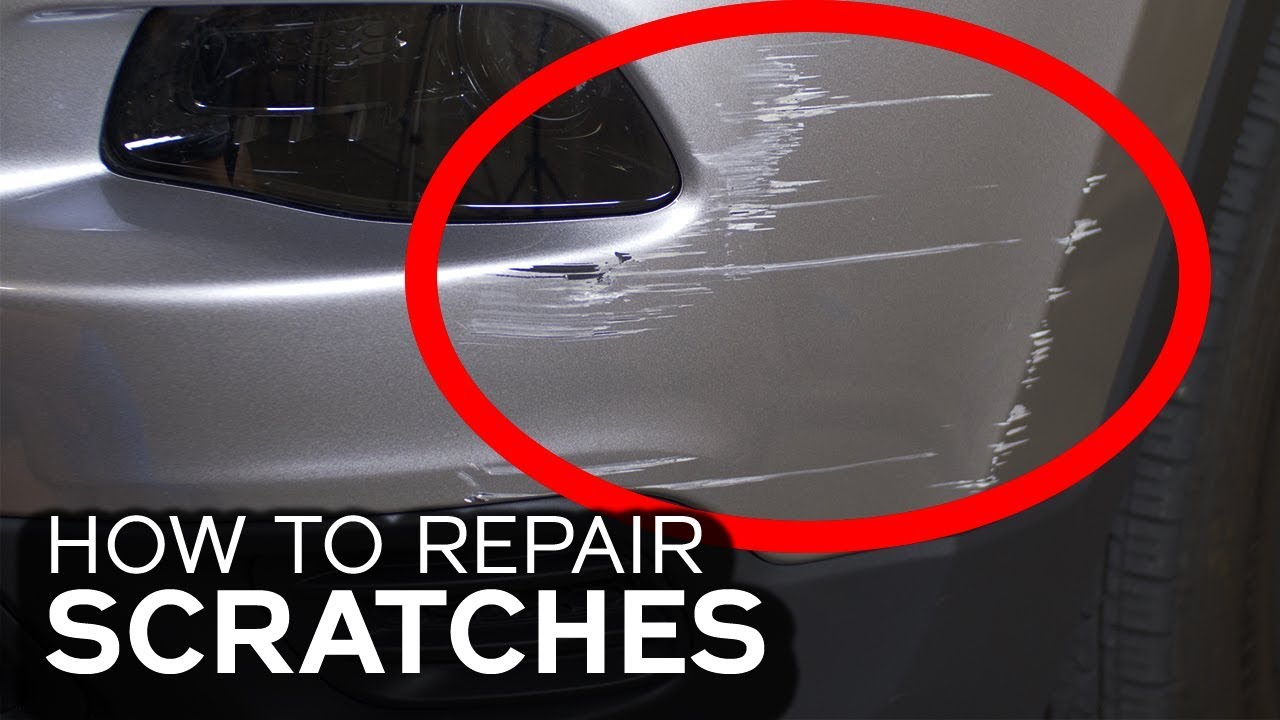
Let’s be honest: that first sidewalk scrape or rogue shopping cart ding feels like a tiny heartbreak. But before you resign yourself to a dull, marred finish, know this—fixing car scratches is a satisfying, almost therapeutic DIY project. It’s the perfect gateway into car care because it offers instant, visible results with minimal risk, turning a frustrating flaw into a proud badge of your handiwork.
Beyond saving you a hefty body shop bill, this skill is a creative goldmine for hobbyists and casual tinkerers. For the weekend warrior, it’s a low-stakes way to learn about paint layers and clear coats. For the detail-obsessed owner, it’s the key to keeping a beloved daily driver looking showroom-fresh for years.
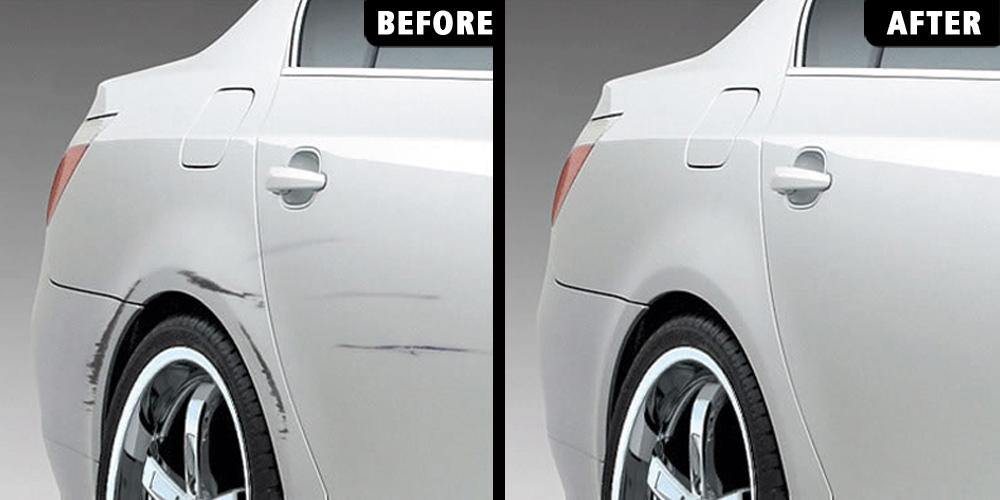
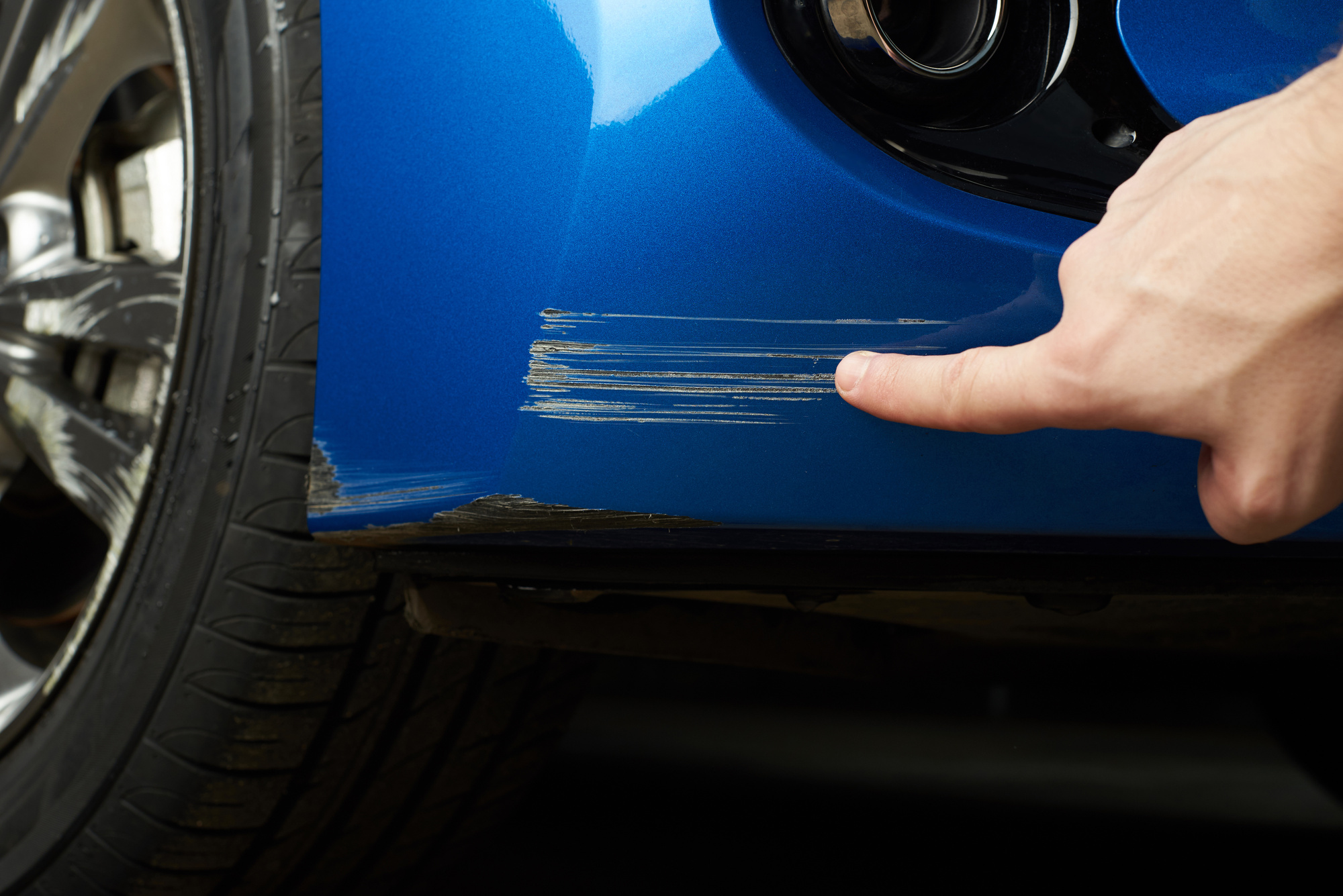
The beauty lies in the variety of approaches. You might tackle a light clear-coat swirl with a simple rubbing compound and a microfiber cloth—a five-minute fix. For a deeper scratch that catches your fingernail, you’ll graduate to touch-up paint pens, careful filling, and wet sanding. And for true artists, there’s the magic of a dual-action polisher, where you blend and buff until the line simply disappears into the paint’s reflection.
Must Read
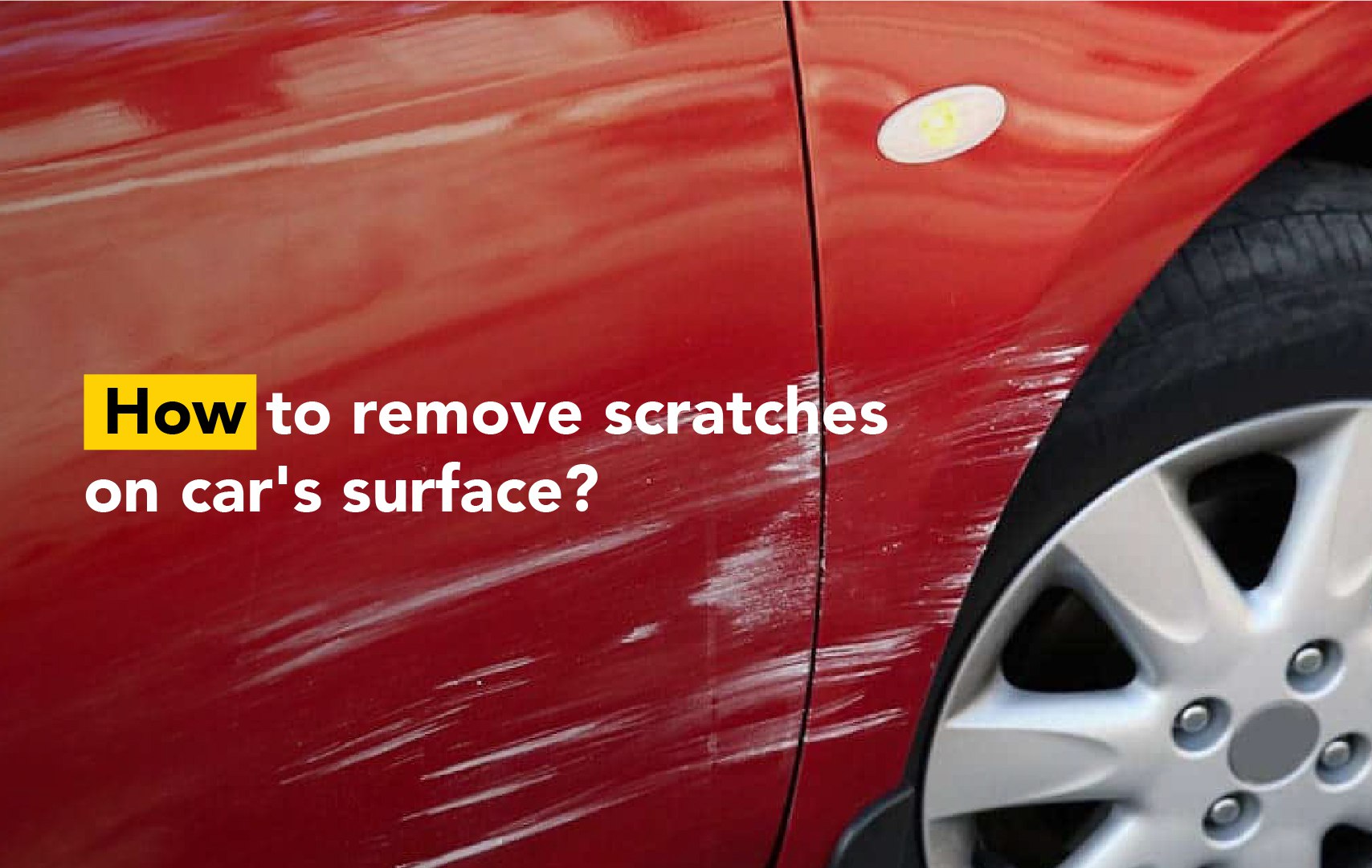
Even the subjects vary wildly. You can practice on a faded plastic bumper, a glossy metallic hood, or even a matte black fender (with special care). Each surface teaches you a new lesson about pressure and product choice. The transformation from ugly white line to invisible seam is pure alchemy, and you don’t need a chemistry degree to pull it off.
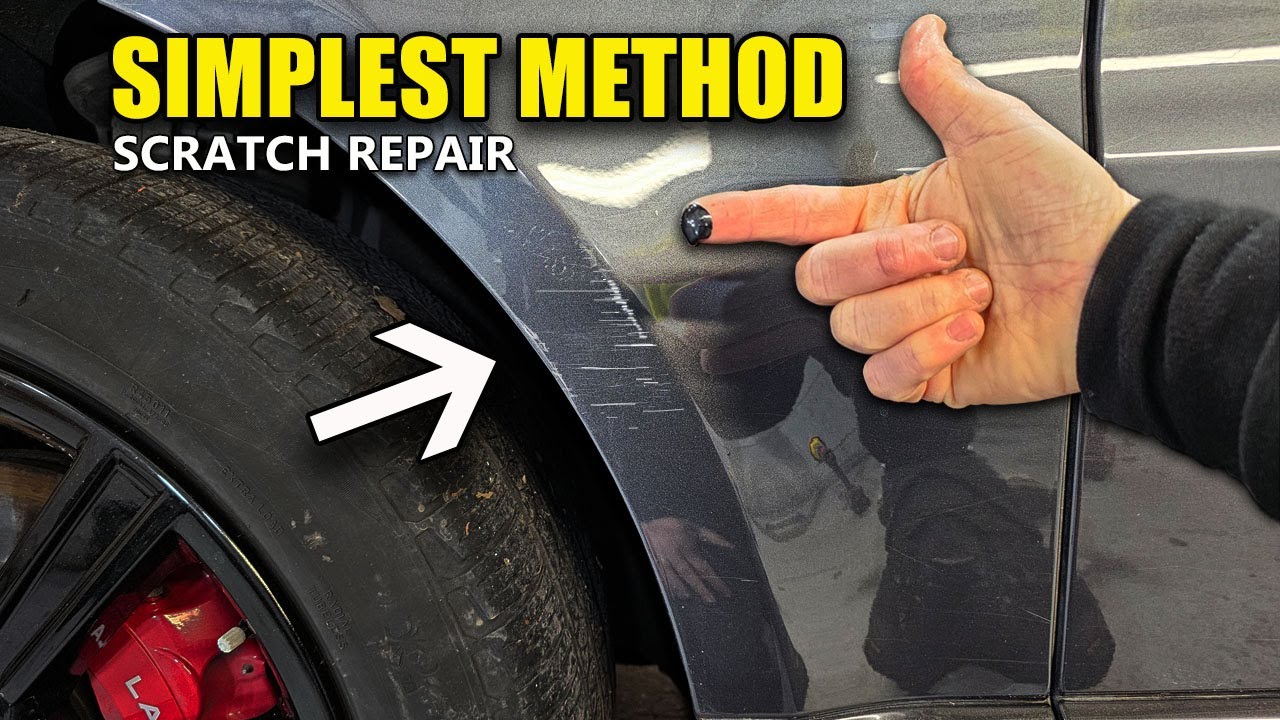
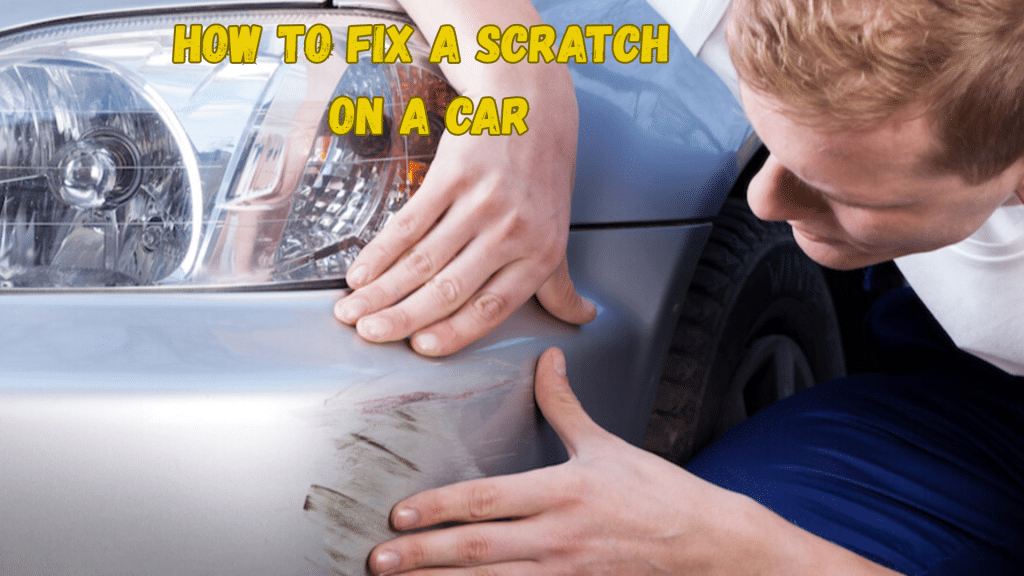
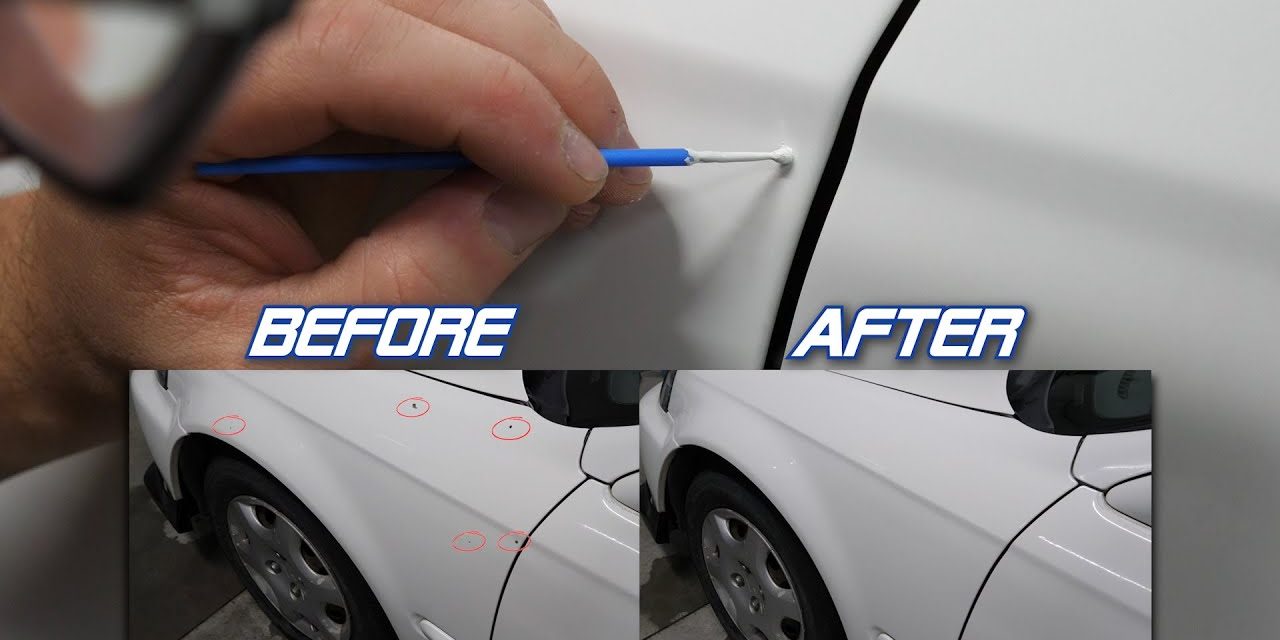
Ready to try it at home? Start with the simplest case: wash the area thoroughly and dry it with a clean towel to avoid grinding dirt into the paint. Next, perform the “fingernail test”—if your nail doesn’t catch, a gentle polish will likely clear it up. If it does catch, apply touch-up paint with a toothpick in thin, layered coats, letting each dry for ten minutes.
Forks and kitchen sponges are not your friends here. Invest in a basic kit with a foam applicator pad, a soft buffing cloth, and a tiny bottle of fine-cut polish. Work in small circles, use light pressure, and wipe off the residue often. Patience is your best tool; rushing the buffing stage is the only way to make things worse.
The real joy isn’t just a cleaner car—it’s the feeling of rescuing something from imperfection. You’ll start noticing scratches everywhere, and instead of annoyance, you’ll feel a spark of curiosity. That is the addictive part. Each repair is a small victory, a conversation starter, and a reminder that you have more control over your environment than you think.
So next time you spot a scratch, don’t frown. Smile, grab your polish, and give your car a little TLC. You’ll be amazed at how a few minutes of focused effort can turn a flaw into a lesson you actually enjoy. And then you’ll be looking for the next scratch to fix—because trust me, fixing them is far more fun than avoiding them.