How To Encourage Someone With Anorexia To Eat

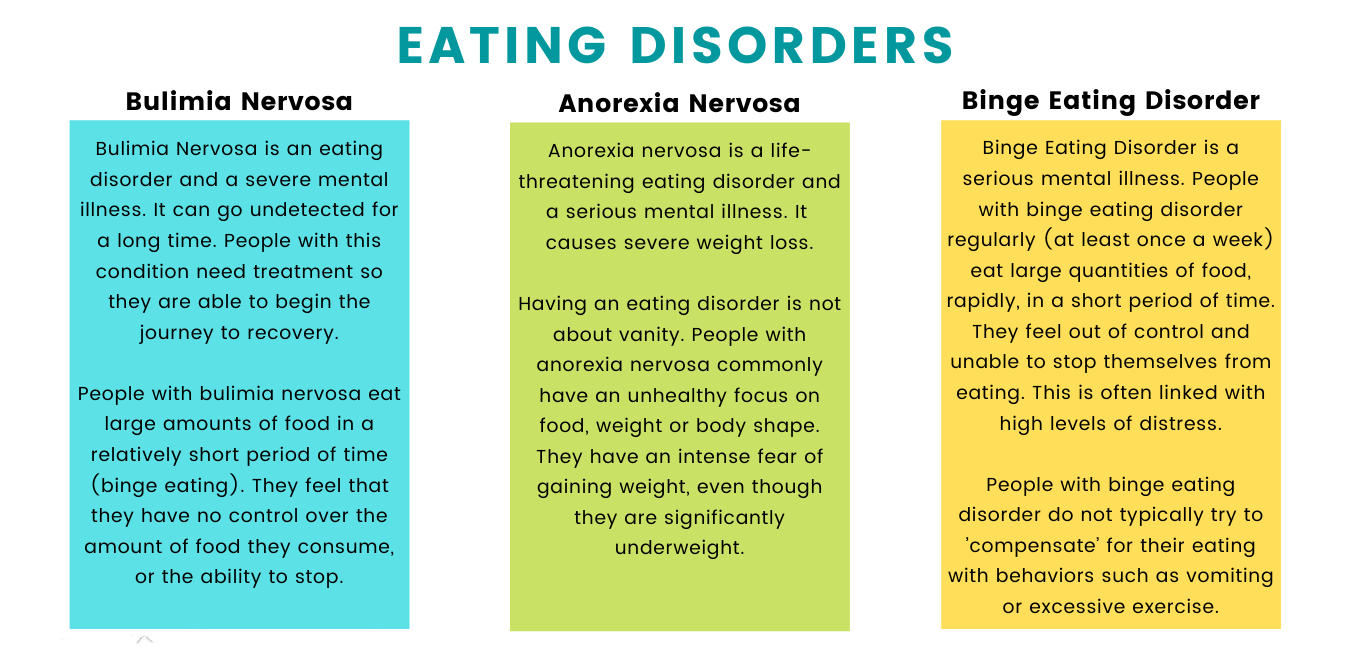
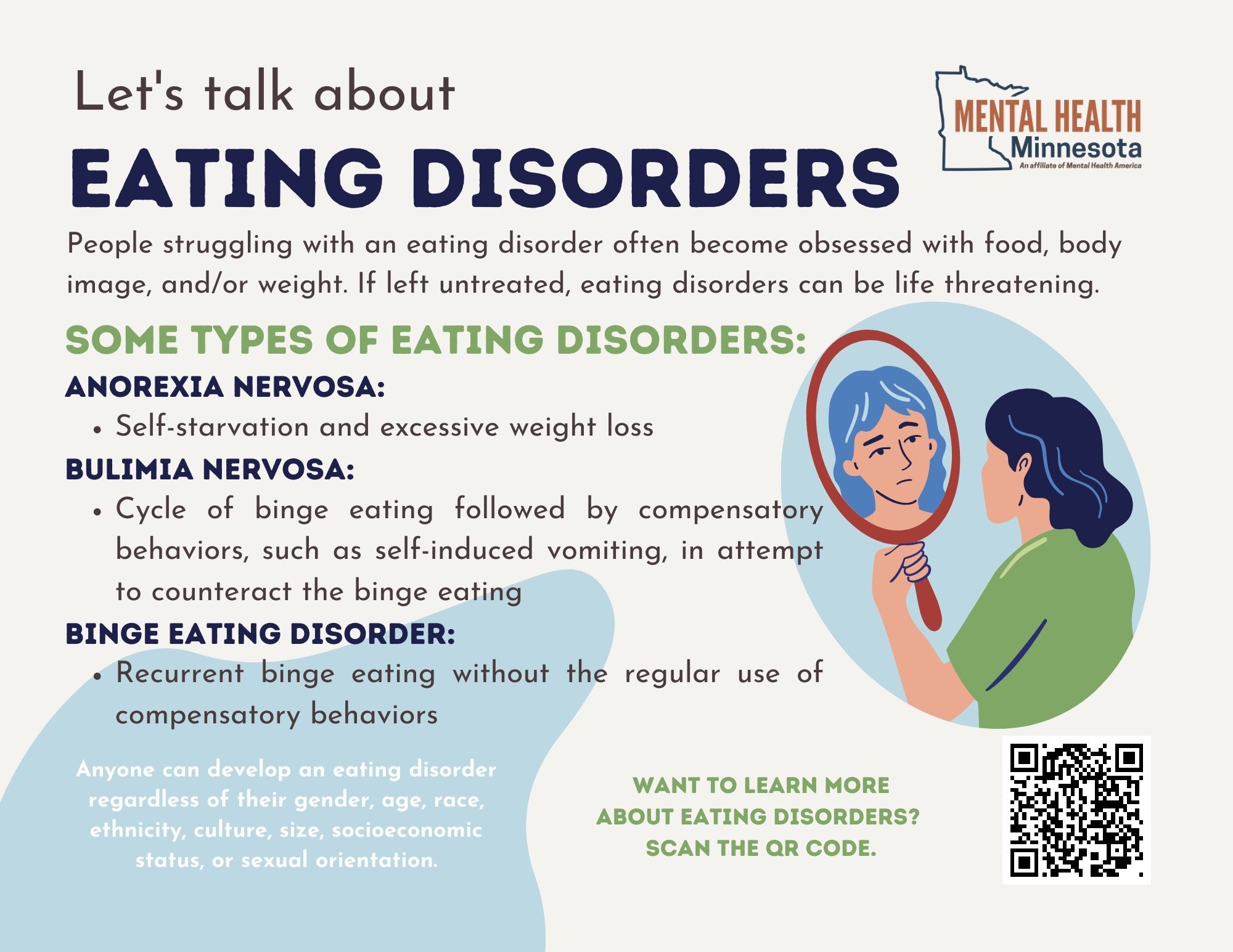
Have you ever wondered how to help someone who's struggling with anorexia to develop a healthier relationship with food? It's a tough spot to be in, and it's natural to feel unsure about where to start. Perhaps you've seen the way they avoid certain foods or restrict their eating, and you want to support them in a way that feels safe and non-judgmental.
The Importance of Empathy
Before we dive into the how-to's, it's essential to understand that empathy plays a huge role in this process. Can you imagine how it would feel to be in their shoes, struggling with the pressure to be thin or the fear of gaining weight? By putting yourself in their position, you can begin to understand the complexities of this eating disorder and approach the situation with kindness and compassion.
Avoiding Triggers
One of the most critical things you can do is avoid triggering conversations about food, weight, or body image. Think about it like this: if someone has a phobia of spiders, you wouldn't surround them with spider webs and expect them to feel comfortable, right? Similarly, it's crucial to create a safe space where your loved one feels free from the pressures of societal expectations.
Must Read
So, how do you actually encourage someone with anorexia to eat? It's not about forcing them to finish a meal or restricting their food choices, but rather about creating a positive and supportive environment. Imagine you're trying to help a friend who's learning to ride a bike – you wouldn't push them to ride down a steep hill on their first try, would you? You'd start with small, gentle steps, and that's exactly what you can do here.
Small Steps, Big Progress
By focusing on small, achievable goals, you can help your loved one build confidence in their ability to eat and nourish their body. It might be as simple as having a healthy snack together or exploring new recipes that they enjoy. The key is to make progress feel fun and rewarding, rather than a source of stress or anxiety.

It's also important to seek professional help from a therapist, counselor, or registered dietitian who specializes in eating disorders. They can provide you with personalized guidance and support to ensure that you're taking the best possible approach. Think of it like having a coach in your corner – they can help you navigate the ups and downs of this journey and provide valuable insights along the way.
Celebrating Successes
As you work together to encourage healthy eating habits, it's essential to celebrate successes – no matter how small they may seem. Imagine you're cheering on a friend who's completed a marathon – you'd be proud of their achievement, right? Similarly, acknowledging and celebrating the tiny victories can help build momentum and motivation.

Ultimately, it's about being patient, supportive, and understanding. Recovery from anorexia is a journey, not a destination, and it's essential to focus on progress, not perfection. By walking alongside your loved one and offering a listening ear, you can help them develop a healthier relationship with food and their body – and that's a truly beautiful thing.
So, what can you do today to start making a positive impact? Perhaps you could have an open and honest conversation with your loved one, or seek out resources and support to help you better understand their struggles. Whatever it is, remember that every small step counts, and that you're not alone in this journey.