
How To Close Chase Investment Account

So, You’re Ready to Say Goodbye?
We’ve all been there—staring at that old investment account like a gym membership we never use. It’s not you, Chase; it’s me. Maybe you found better fees, or you just want to simplify your life.
Closing it sounds like a chore, but honestly? It’s like breaking up with a clingy pen pal—a little awkward, but surprisingly freeing. Let’s walk through it without the financial jargon headache.
Step One: Zero Out Your Cash (The Fun Part)
First, you need to make sure your Chase Investment Account has no spare change hiding in it. If you have cash sitting there, transfer it to your linked checking or savings account.
Must Read
Think of this as the “empty the trash” step. You also need to sell any mutual funds or stocks you own—unless you want to transfer them, which is a whole other circus.
Warning: Don’t try to close an account with a dollar in it. Chase will just look at you funny and send a letter.
Step Two: The Phone Call or The Form (Your Choice)
You have two paths: call the Chase Investment Services line (1-800-392-5749) or visit a branch. I recommend calling, because you can do it in your pajamas.
The phone agent will ask why you’re leaving. You can say “I’m simplifying” or invent a dramatic story—they’ve heard it all. They’ll also check for any open orders or pending trades, so make sure nothing is half-baked.
“Pro tip: Have your account number and Social Security number ready. Nobody likes fumbling for paperwork while on hold.”
If you prefer in-person, walk into any Chase branch. Bring a photo ID and a smile—they’ll hand you a form to sign, and it’s done in ten minutes.
Step Three: Watch for the Final Fee (Ouch)
Here’s the sneaky part: Chase might hit you with a closeout fee—often around $75 to $100. It’s like a breakup tax, but smaller than a dinner out.
Ask the agent if they’ll waive it. Sometimes they do if you’re polite or if you’ve been a loyal customer. If not, just accept it and move on—it’s cheaper than keeping the account open for another year.
Step Four: The Waiting Game (Don’t Panic)
After you’ve requested the close, Chase will take 3 to 5 business days to process it. You’ll get a confirmation letter in the mail—yes, actual paper.
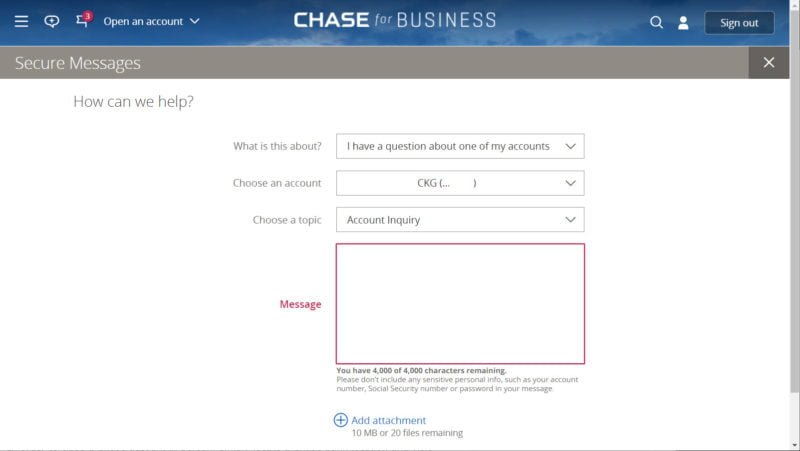
Check your linked bank account to ensure the final cash transfer arrives. If you see a zero balance and an account that says “closed,” you’re officially free.
Do not log in to that account during the waiting period. You’ll just confuse the system and delay the breakup.
Why This Is Actually Entertaining
Closing an investment account is like a real-life “choose your own adventure” book. Every decision—sell now or later, call or visit—changes your story just a little.
Plus, there’s a tiny thrill in hearing the robot voice say, “Your account will be closed.” It’s the closest thing to flipping a switch on your financial past.
And hey, you’ll feel lighter. No more monthly statements cluttering your inbox, no more “account maintenance” line items.

The Aftermath: What to Do With Your Freedom
Once the account is closed, you’re not a Chase investment customer—but you’re still a human with money. You can put that cash into a high-yield savings account or a simple index fund elsewhere.
Or, you know, treat yourself to tacos. Just don’t tell your old acount that.
Remember: closing this account doesn’t hurt your credit score. It’s not a credit card—it’s just a brokerage box you’ve emptied.
Final Check: Did You Miss Anything?
Before you toast to your new freedom, double-check your email for any final tax documents (like a 1099 form). Those can arrive months later.

Also, if you had any dividend reinvestments, make sure they didn’t leave a penny behind. Chase will close the account even with $0.01, but they’ll mail you a check for that penny—which costs them $2 to send.
That’s their problem, not yours. You’re out, done, and gloriously uninvested in a place you don’t want to be.
You’ve Got This—It’s Just a Few Clicks and Calls
Honestly, the hardest part is picking up the phone or walking into the branch. Once you do, everything else is just paperwork and patience.
So go ahead—reclaim your time, your bank dashboard, and your mental space. Your future self will thank you for not letting a dormant account haunt you.
And if you ever change your mind? Chase will gladly take you back with open arms and a new account bonus. They always do.
![How to Close a Chase Account [7 Easy Steps]](https://helpingdesi.com/wp-content/uploads/2023/12/image-52-1024x576.png)


