Does Masochistic Have To Be Sexual

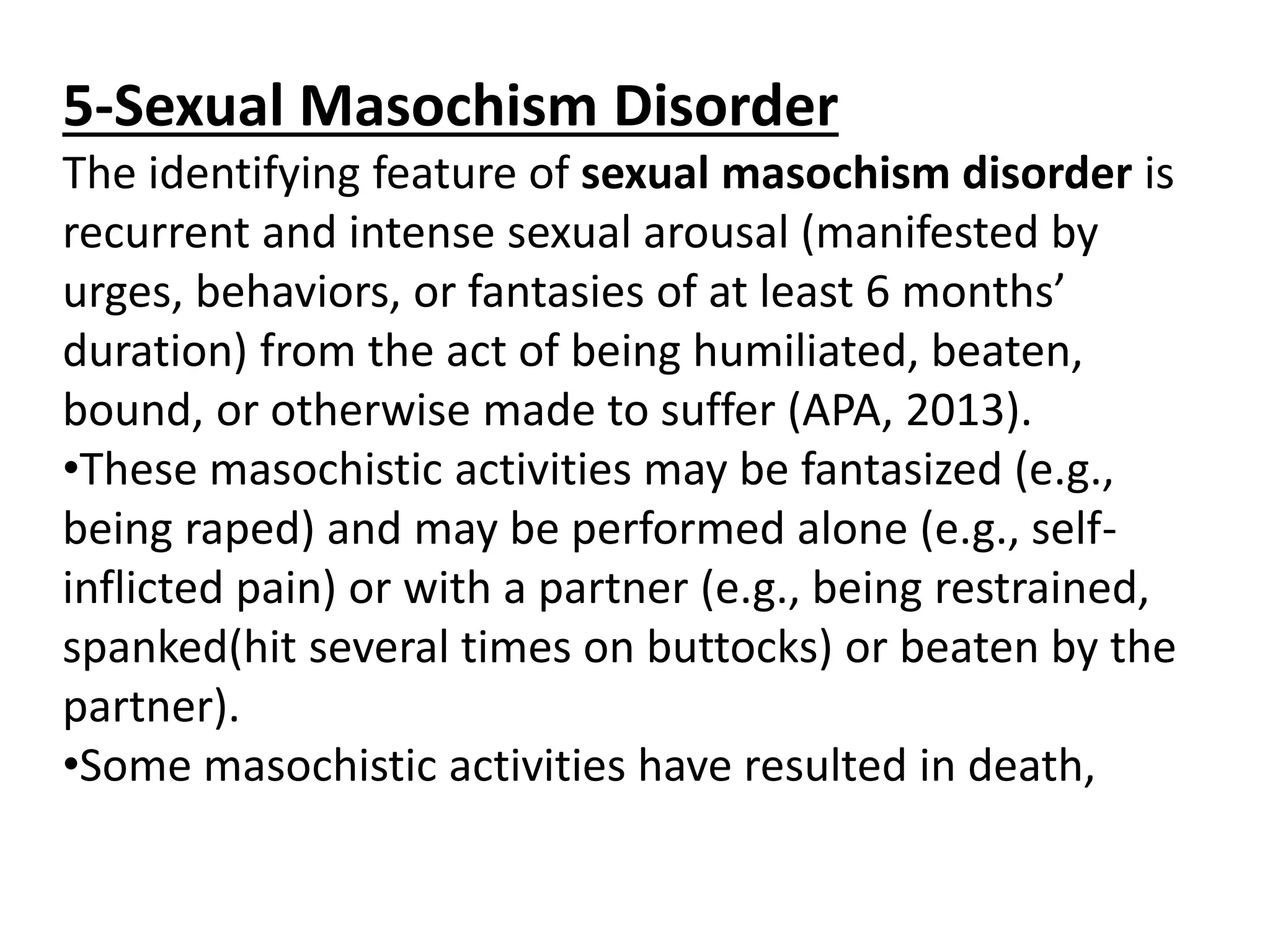
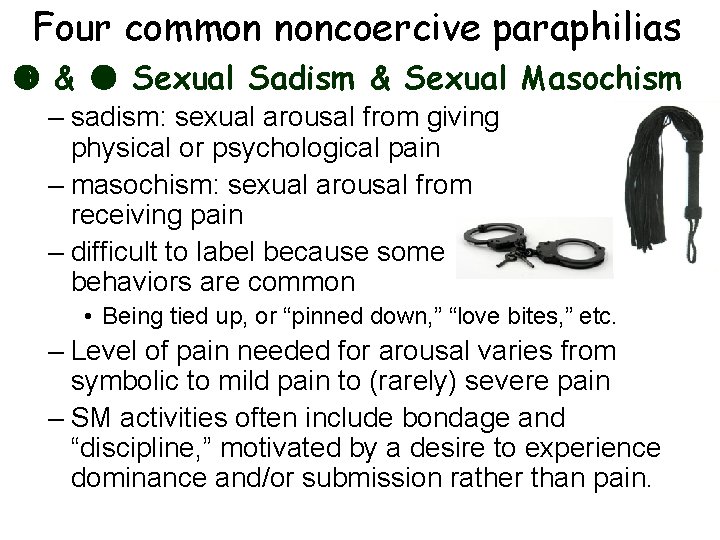
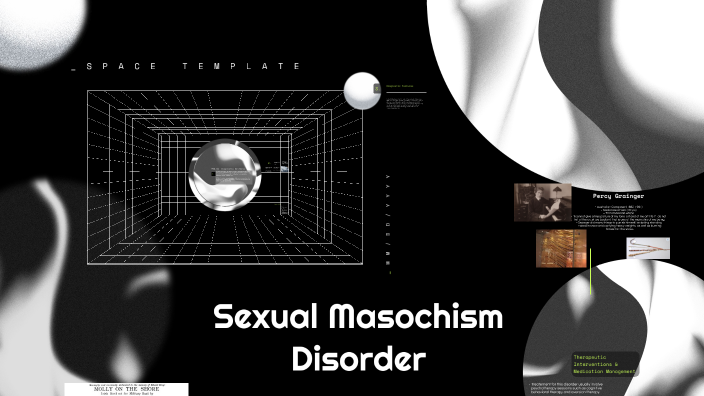
When we think of the word masochistic, our minds often wander to the realm of sexuality and BDSM culture. However, the term has a much broader scope, encompassing various aspects of human behavior and psychology. From a psychological perspective, masochism refers to the tendency to derive pleasure or gratification from one's own pain or suffering.
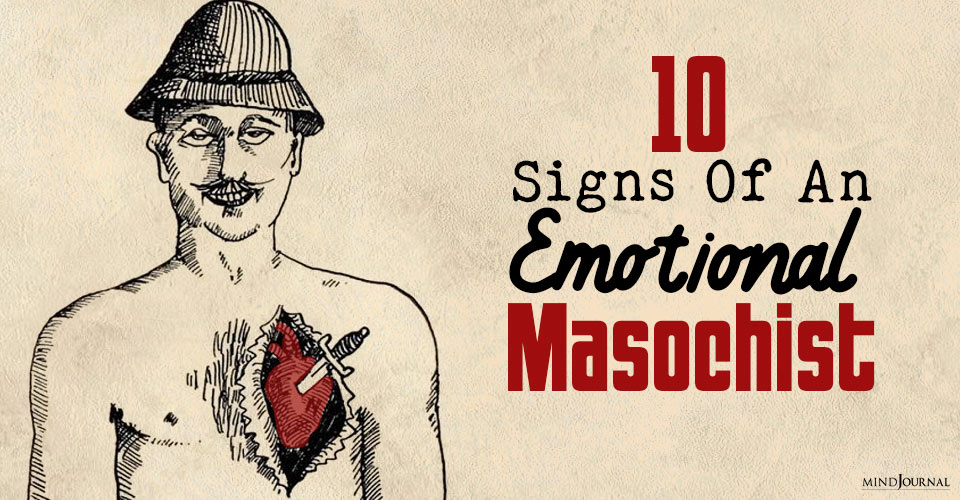
In modern society, we often associate masochistic tendencies with self-destructive behaviors, such as self-sabotage or addictive patterns. However, it's essential to recognize that masochism can manifest in various forms, including emotional and psychological ones. For instance, someone might engage in self-criticizing or self-blaming behaviors, which can be seen as a form of masochistic tendency.
Understanding the Roots of Masochism
To grasp the concept of masochism beyond its sexual connotations, it's crucial to explore its historical and cultural context. The term masochism originates from the 19th-century Austrian author Leopold von Sacher-Masoch, who wrote about sexual fantasies involving domination and submission. However, the concept of masochism has evolved over time, and its significance extends beyond the realm of sexuality.
Must Read
- Heart Of Mexico City Football: Pinpointing The Azteca Stadium Location
- Guadalajara Stadium Parking Guide: Avoid The Matchday Traffic
- Houston Stadium Bag Policy: Clear Bag Rules For Visitors
- Sofi Stadium Capacity: How Many Fans It Can Hold
- Reliant Stadium Parking: A Guide To The Old Name And Current Venue
In many Eastern cultures, such as Buddhism and Taoism, the idea of embracing suffering or finding comfort in discomfort is a common theme. This mindset is often seen as a means to cultivate resilience, discipline, and self-awareness. For example, the practice of meditation or yoga can involve pushing oneself beyond physical or emotional limits, which can be perceived as a form of masochistic behavior.
The Blurred Lines between Masochism and Self-Improvement
In today's self-help and wellness culture, we often encourage individuals to push their limits and challenge themselves to achieve personal growth. However, this mindset can sometimes blur the lines between masochistic tendencies and self-improvement. It's essential to recognize that self-care and self-compassion are just as important as self-discipline and resilience.
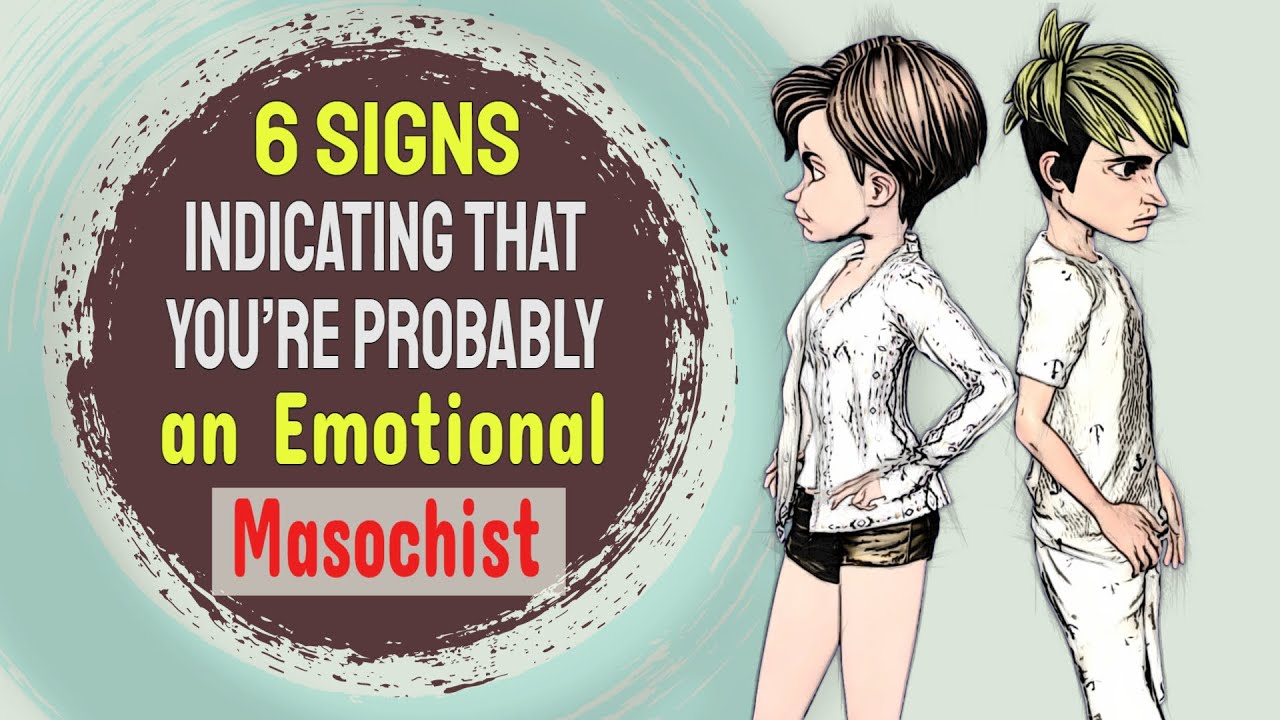
Practically speaking, it's crucial to develop self-awareness and intentionality when engaging in activities that involve physical or emotional discomfort. Ask yourself: Am I pushing myself to grow, or am I seeking self-punishment? By being honest with yourself, you can reclaim your motivations and reframe your relationship with discomfort. As the saying goes, "no pain, no gain," but it's equally important to remember that "too much pain can lead to burnout."
Culturally, we can look to examples like the Japanese concept of "ikigai," which roughly translates to "finding purpose in suffering." This mindset encourages individuals to find meaning and value in their struggles, rather than simply enduring them. By adopting a similar perspective, we can transform our relationship with discomfort and find empowerment in our challenges.
Embracing the Complexity of Human Nature
As we navigate the complexities of masochism and its various manifestations, it's essential to remember that human nature is inherently multifaceted. We are capable of contradictory desires, paradoxical behaviors, and nuanced emotions. By acknowledging and accepting this complexity, we can break free from simplistic or judgmental attitudes towards masochism.
In the words of the famous psychologist Carl Jung, "the shadow is the seat of the unconscious." By exploring and integrating our own shadow selves, we can develop a more compassionate and inclusive understanding of human nature. As we embrace the intricacies of our own psyches, we can transform our relationship with masochism and unlock a deeper understanding of ourselves and others.
As we reflect on the concept of masochism and its various expressions, we're reminded that life is a delicate balance of pleasure and pain, comfort and discomfort. By embracing this complexity and accepting our own contradictions, we can cultivate a more authentic and whole sense of self. As the ancient Greek philosopher Aristotle once said, "we are what we repeatedly do. Excellence, then, is not an act, but a habit." By integrating this wisdom into our daily lives, we can transform our relationship with masochism and unlock a more fulfilling and meaningful existence.