How To Better Your Writing Skills
There is a peculiar silence that descends when we sit down to write. It is not the quiet of an empty room, but the hum of our own internal machinery—the whirring of self-doubt, the clatter of perfectionism, and the low, persistent drone of comparison. We often believe that writing is a purely intellectual pursuit, a matter of grammar, vocabulary, and structure. But beneath the surface, the act of putting words to a page is a deeply psychological endeavor. It is a confrontation with our own inner critic, a negotiation with our fear of inadequacy, and a tender dance with the vulnerability of being seen. When we struggle with writing, we are not lacking in skill; we are often wrestling with the stories we tell ourselves about our own worthiness to speak.
In our modern, hyper-connected age, this internal struggle has been amplified. We are not just writing for a teacher or a journal anymore; we are writing for a global audience of algorithms and strangers. The pressure to be clever, witty, and profound is relentless, creating a cognitive loop of anxiety that can paralyze even the most capable minds. Yet, this very struggle is the key to unlocking a more profound personal growth. The path to better writing is not paved with rigid rules and strict deadlines, but with a gentle, inquisitive exploration of our own psyche. It is a journey inward, where every awkward sentence is a clue to our hidden needs and every blank page is an invitation to meet ourselves with more compassion.
Unmasking the Inner Critic and the Fear of the Blank Page
The blank page is arguably the most terrifying landscape in the human imagination. It is a mirror reflecting all our fears back at us. Psychologically, this is known as the Fear of the Void—the discomfort we feel when faced with infinite potential. Our brains are wired to seek patterns and closure; a blank page offers none. It represents limitless possibilities, which our amygdala interprets as a threat. This is why we procrastinate. We scroll through social media, clean our desks, or do anything to escape the anxiety of 'not yet having a form'. The perfectionist in us becomes the warden, convincing us that if we cannot produce a masterpiece in the first draft, we should not produce anything at all.
Beyond the void, there is the pervasive cognitive bias of the Curse of Knowledge. Once we understand a topic, it is almost impossible to remember what it’s like not to know it. This makes us write in jargon, skip necessary explanations, and assume our audience is as deep in our minds as we are. This leads to frustration—we feel we are communicating clearly, but our words fall flat. The emotional trigger here is not incompetence, but a subtle form of isolation. We are trying to connect, but we are speaking a private language. Additionally, the social comparison theory plays a significant role; we read the polished, final drafts of others and compare them to our messy, first-draft interiors, leading to a distorted view of our own capability. We see the highlight reel of others' minds and compare it to our outtakes.
Must Read
However, the most destructive emotion is the false belief that our worth is tied to the quality of our writing. When a sentence fails to entwine as we hoped, we internalize it as a personal failure. This is a classic manifestation of catastrophizing— believing that a typo or a clunky paragraph is a sign of an inherent intellectual flaw. This emotional fragility makes writing feel like a high-stakes survival test rather than a creative exploration. We become so focused on the threat of judgment that we lose the joy of discovery. The result is a tightened chest, shallow breath, and a stream of consciousness that is interrupted by vicious self-attacks. To write better, we must first address this internal hostility, treating our initial drafts not as public statements but as private, sacred spaces of unvarnished truth.
Nurturing the Mind: Routines and Mindset Shifts for Sustainable Expression
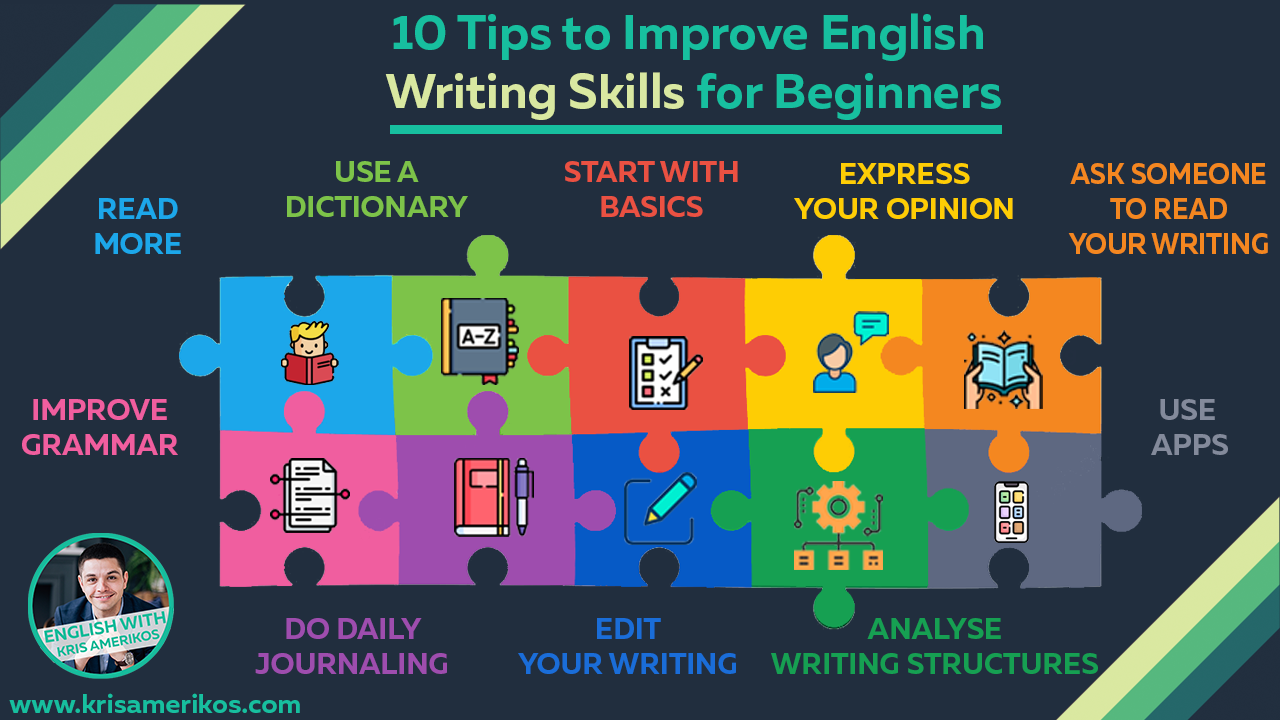
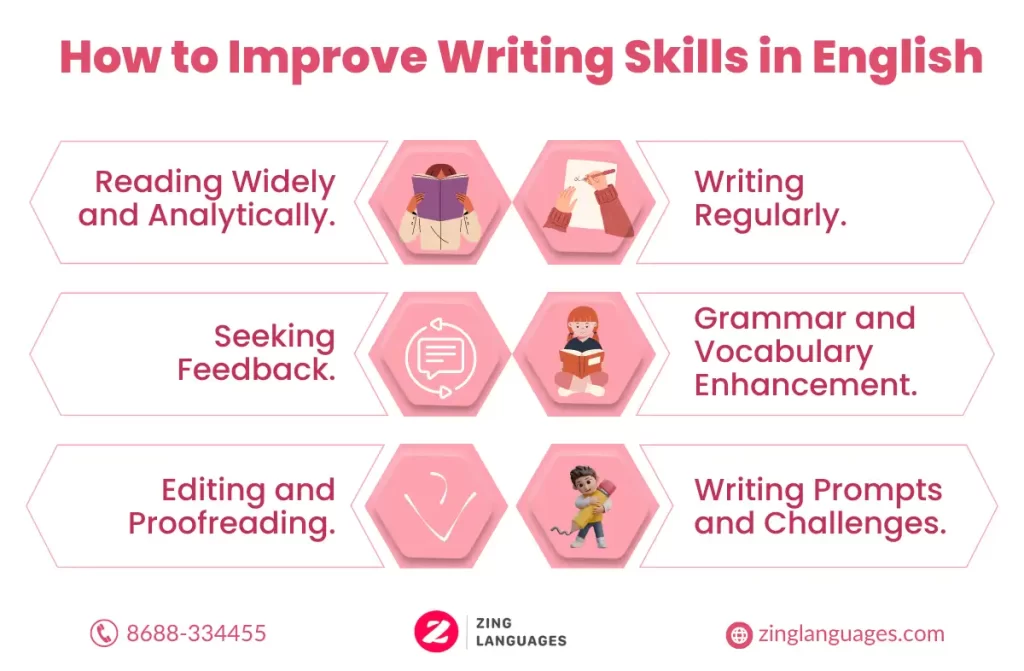
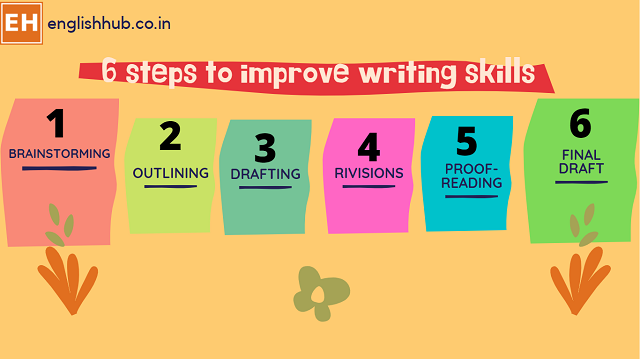
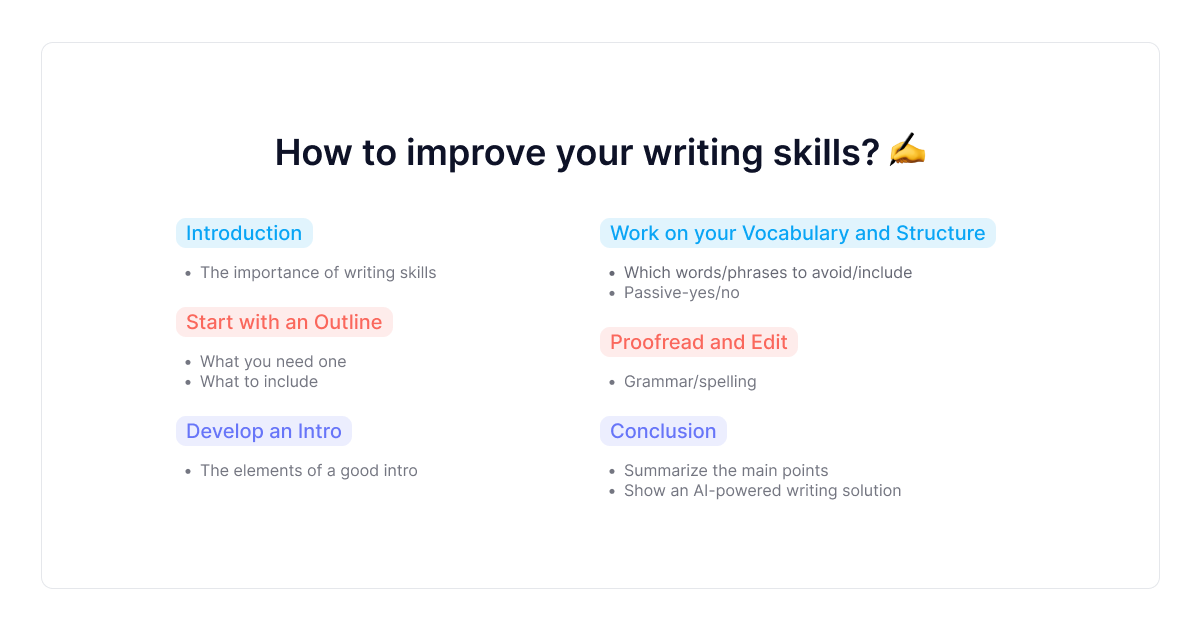
The first and most radical shift is to redefine what 'good writing' means. Instead of aiming for perfection, aim for authenticity. Adopt the mindset of the 'crappy first draft,' a concept championed by many prolific writers. This isn't just a technique; it is a psychological safety net. Write with the sole goal of filling the void, knowing that this draft is just a skeleton. Give yourself explicit permission to write badly, to use the wrong words, and to structure sentences like a toddler builds blocks. This disarms the inner critic by giving it a clear boundary: it is not allowed to critique until the second draft. This practice separates the act of creation from the act of editing, which are two distinct cognitive processes that cannot coexist peacefully.
Secondly, establish a ritual of freewriting for five minutes every morning. Do not open your email, do not check your phone. Simply write about anything—the dream you had, the birds outside, the anxiety in your chest—without stopping to correct or judge. This serves as a 'mental warm-up' and loosens the grip of the 'Editor' in your brain. It is a form of cognitive de-cluttering that reduces the noise of your inner world so that your more directed writing can have clarity. This routine shifts your identity from someone who is a writer only when it goes well, to someone who practices writing daily, which is a much more resilient and stable identity.
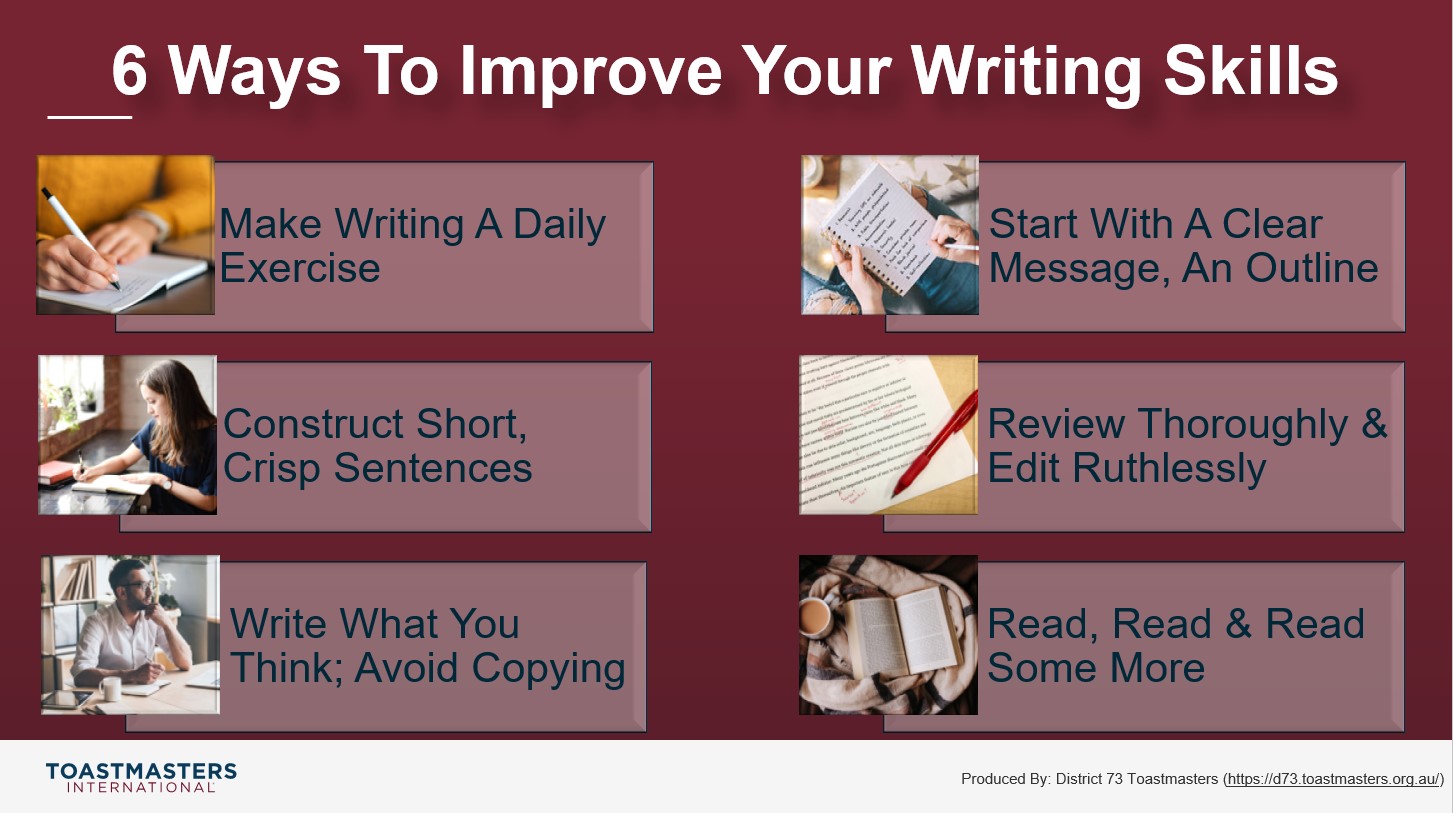
Thirdly, change the dialogue with your audience. Instead of writing to impress, write to connect. Visualize a specific person—a friend, a colleague, a past version of yourself—who is struggling with the same topic. Read your sentences aloud and ask, "Would this sound like condescending noise, or a warm hand on the shoulder?" This cognitive reframing turns writing from a performance into a service. It lowers the stakes because you are no longer seeking validation; you are seeking shared understanding. When you write to serve, the fear of rejection diminishes, replaced by the satisfaction of offering value.
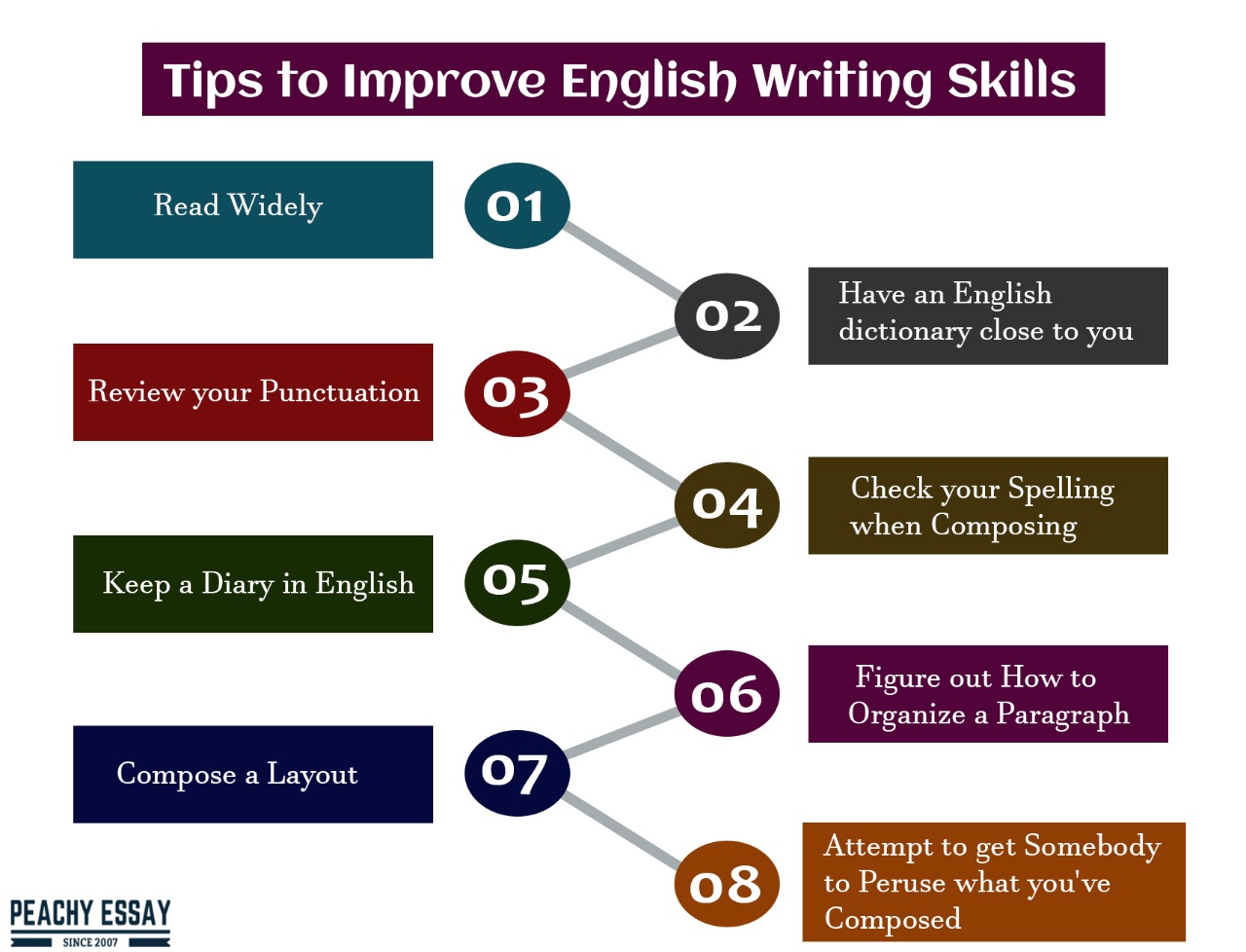
Finally, practice the art of gracious revision. When you return to edit, do not approach it with a hammer, but with a scalpel. Notice the good parts first. Ask yourself, "Why does this metaphor work?" before asking, "Why does this paragraph fail?" This builds the neural pathway of self-appreciation. It rewires your brain to see your strengths, which gives you the courage to prune the weaknesses. Revision is not punishment; it is the most compassionate act you can offer your raw ideas. It is the process of listening to what you meant to say and cleaning it up, rather than forcing it into a mold of what you think others want to hear.
Frequently Asked Questions on the Writer's Emotional Journey
How do I stop feeling like an imposter when I write?
Imposter syndrome is the voice that whispers your successes are accidents and your failures are inevitable. To combat this, you must shift your focus from the outcome to the process. Write down evidence of your progress—a sentence you struggled with yesterday that is easier today, a new word you used correctly, a piece of feedback that was positive. This is a practice of cognitive grounding. When you feel like a fraud, you are living in the future, comparing your behind-the-scenes to someone else's final cut. Instead, ground yourself in the physical act of typing. Feel the keyboard, see the cursor move. Realize that the act of writing right now is the only thing that makes you a writer. You are not pretending; you are doing. Acknowledge the fear, thank it for trying to protect you from potential embarrassment, and then walk forward anyway. Over time, this repeated action builds a foundation of 'self-efficacy' that is stronger than the whisper of doubt.
Furthermore, understand that writing is a conversation with your past self. Look at something you wrote six months ago. You will likely see flaws, but you will also see the seeds of your current ideas. That distance proves that you are learning, evolving, and mastering. Imposterism thrives on the impossible standard of instant mastery. By documenting your journey and reviewing your old work, you offer yourself concrete, irrefutable proof of your growth. You are not an imposter; you are an apprentice of your own life. This wisdom is slow-earned, but it is the most durable armor against the feeling of being 'found out.'
What should I do when I am completely blocked and have zero motivation?
A writer's block is rarely a lack of ideas; it is often a blockage of energy. It is a sign that you are emotionally exhausted or that there is a hidden conflict about what you are trying to say. Force is the enemy of flow. In this moment, the most productive thing you can do is to lower your demands. Do not try to write for an hour. Set a timer for three minutes. Write one sentence. If you cannot, write the words "I don't know what to write." Write that passively until the space feels filled. This act of "micro-movement" violates the law of inertia—it gets the momentum going without the pressure of a significant result.
Psychologically, you must also 'change the channel' of your brain. Step away from the desk. Go for a walk without your phone. Physical movement stimulates the default mode network in the brain, a region associated with creativity and connecting disparate ideas. This is not procrastination; this is necessary incubation. While you walk, do not think about the topic obsessively. Think about the texture of the bark on a tree or the pattern of the clouds. By distracting your conscious, analytical mind, you allow your subconscious to work in the background. Often, when you return, the storm has passed. Remember that rest is a skill. Building a habit of rest—true, unstructured rest—is mandatory for a writer. It is not the enemy of productivity; it is its most fertile soil.
How can I handle negative feedback without it destroying my confidence?
Negative feedback stings because it pokes the primal fear of being ostracized from the tribe. Our brains are hardwired to remember the negative more vividly than the positive (negativity bias). To handle it healthily, you must first—before reading the feedback—decide upon a processing period. Wait 24 hours. This allows the emotional 'fight or flight' response to subside. When you do read it, categorize the criticism into 'observations' (what the text actually says) and 'evaluations' (the reader's personal emotional reaction). An observation like "the character's motivation was unclear" is a valuable gift. An evaluation like "this is boring" says more about the reader's state than your skill. Separate the two.

Use the Sabbatical method: take your work and put it in a drawer for three weeks. When you return to it, you are more detached. At that point, negative feedback becomes a checklist of questions you ask your text, not a judgment on your soul. Focus on the intent of the critique—if the reader misunderstood, it is a clarity problem, not a worth problem. Ultimately, you must build a 'work self' and a 'private self'. The private self is fiercely protected and cared for; the work self is a robust figure that weathers storms. Remind yourself that every published author has received scathing reviews. Their identity was not shattered because their internal compass pointed toward the next story, not the last complaint. Let negative feedback inform your next draft, not your self-concept.
How do I find my unique 'voice' without copying others?
The fear of lacking a unique voice is rooted in the illusion of scarcity—that there are only a few good voices available, and ours isn't one of them. The reality is that a voice is not invented; it is uncovered. It is the unique rhythm of your breath, the specific cadence of your nervous system, and the precise way you see the world. To find it, you must stop trying to sound like a 'writer' and start trying to sound like you. Write a letter to a close friend about your day. Transcribe how you speak when you are passionate. Notice how you use humor, where you pause, what you exaggerate. That is your raw voice.
There is a psychological practice known as 'good borrowing.' Yes, you imitate, but you imitate to learn, not to copy. Take a sentence from your favorite author and write it ten times. Then, rewrite it from the perspective of you—using your slang, your personal anecdotes. Soon, you will see how your mind intersects with theirs. You are not creating a contrast; you are building a hybrid. Eventually, the scaffolding falls away, and you are left with your native architecture. Give yourself permission to write badly in your voice rather than perfectly in someone else's. The imperfections are the fingerprints. The goal is not to be the best writer; it is to be the only you that writes. That unfiltered, quirky, vulnerable you is the only voice the world needs to hear.
Is it okay to write just for myself, without sharing it?
Absolutely. In fact, this is the purest and most healing form of writing. The psychological benefits of private journaling are well-documented: it reduces anxiety, boosts memory, and improves overall well-being. When you write only for yourself, you bypass the social performance layer of the brain entirely. You are writing as an act of self-listening, not self-broadcasting. This is crucial for your development because it allows you to take risks without consequences. You can explore ugly topics, controversial ideas, and half-formed thoughts without the pressure to be 'cogent'. This private practice is where your creative muscles get the deepest stretch.
Think of this as the 'rehearsal studio' of your mind. The albums you release to the world are the polished stages where you play to strangers. But the rehearsals, the jam sessions at 2 AM, that is where you build the stamina, the technique, and the confidence. When you write only for yourself, you are cultivating the soil of your inner landscape. You are tending to the weeds and watering the wildflowers in your own garden—a garden that is the source of all your future public blossoms. Do not abandon this sanctuary. It is the port you return to when the waters of public opinion get rough. The very act of writing, in its purest form, is a meditation. It helps you hear your own thoughts above the noise of the world. In a life filled with noise, that quiet space is your liberation.
Mastering the craft of writing is, in essence, a masterclass in patience—with ourselves. It is a daily exercise in humility, learning to accept that our first attempts will be awkward and flawed. But within that awkwardness lies the seed of a truly unique perspective. As you gently navigate the fog of your own inner critic, you begin to realize that the writer you are becoming is not a perfectionist, but a resilient observer of the human condition. The skills you gain—tolerating ambiguity, persevering through mental fatigue, and finding beauty in revision—translate directly into a richer, more forgiving life. You learn to edit not just your prose, but your reactive thoughts.
Ultimately, better writing is a byproduct of a fuller life. It is the courage to be deeply seen, the wisdom to listen to your own soul, and the generosity to share that wisdom with others. Each time you risk a word, you are declaring that your inner world matters. This declaration, made over and over again, is a profound act of self-respect. It offers a sense of balance, knowing that your mind can be a swirl of anxiety, yet with a few thoughtful keystrokes, it can be molded into something that brings clarity to you and comfort to another. You do not just leave the page; you leave yourself a little more understood. And in a world that so often seeks division, that understanding is a radical, beautiful victory.