What Is The Cost Of Making An App
There is a peculiar silence that settles over a room when you first confront the blank canvas of a new app idea. It isn't just the quiet of a late night; it is the sound of your own expectations echoing back at you. We tend to think of app development as a purely technical or financial equation—a sum of hours and dollars—but beneath the surface, it is a deeply psychological journey. The true cost of making an app is not measured solely in bank statements, but in the currency of your attention, your self-worth, and your relationship with time itself. Our brains are wired for instant gratification, yet the creation of a digital product is a marathon of delayed rewards, a constant friction between the fantasy of the finished product and the gritty, unglamorous reality of the build.
This friction triggers a primal response. When we envision an app, we are essentially projecting a version of our future selves—more competent, more successful, more validated. The gap between that vision and our current coding skills or budget creates a cognitive dissonance that manifest as anxiety. In our modern, hyper-connected era, where overnight successes are mythologized, the pressure to produce something novel and monetizable becomes a psychological weight. We aren't just building software; we are building a proof of our own intelligence and relevance. Understanding this emotional undercurrent is the first step toward realizing that the price tag is often less about the tech stack and more about the toll it takes on your mental resilience.
The Hidden Ledger: Emotional Investment and The Cost of "Sunk" Time
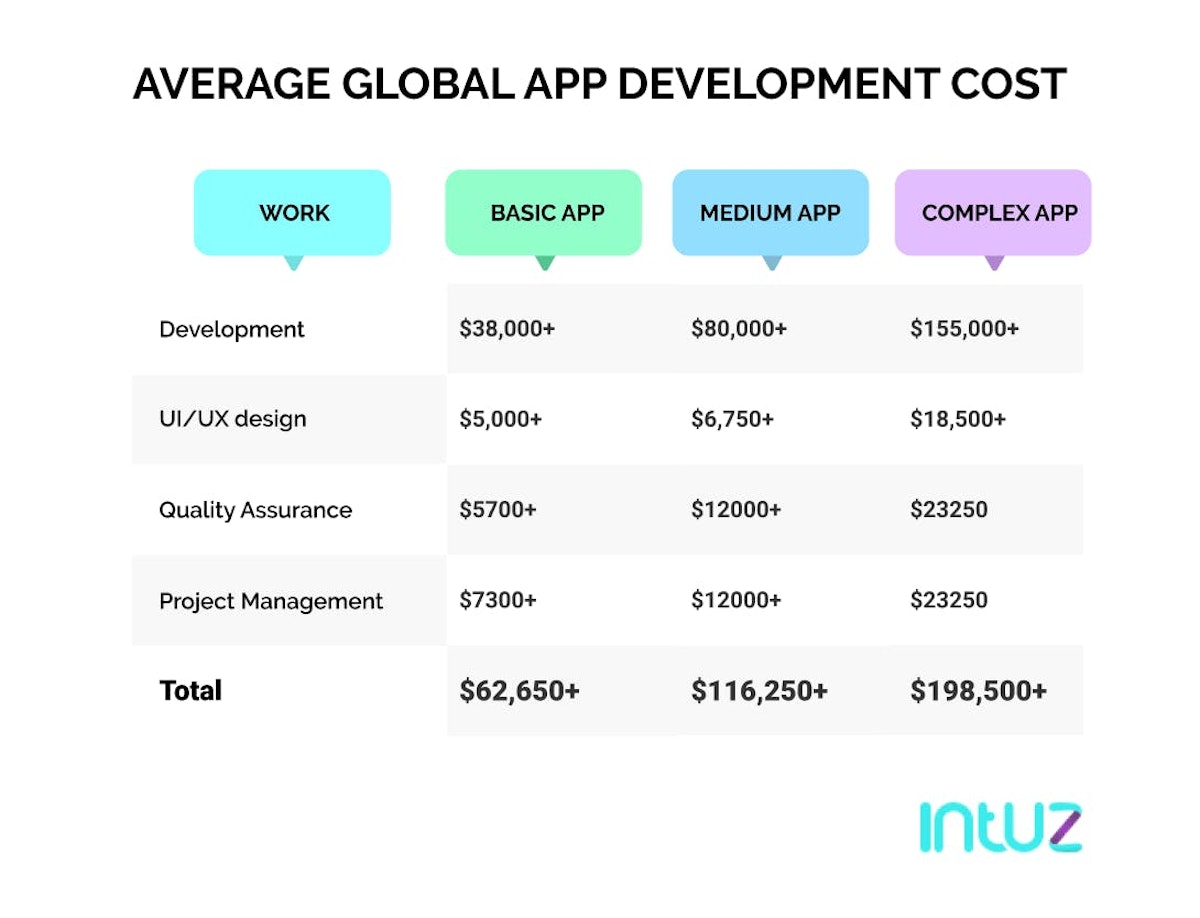
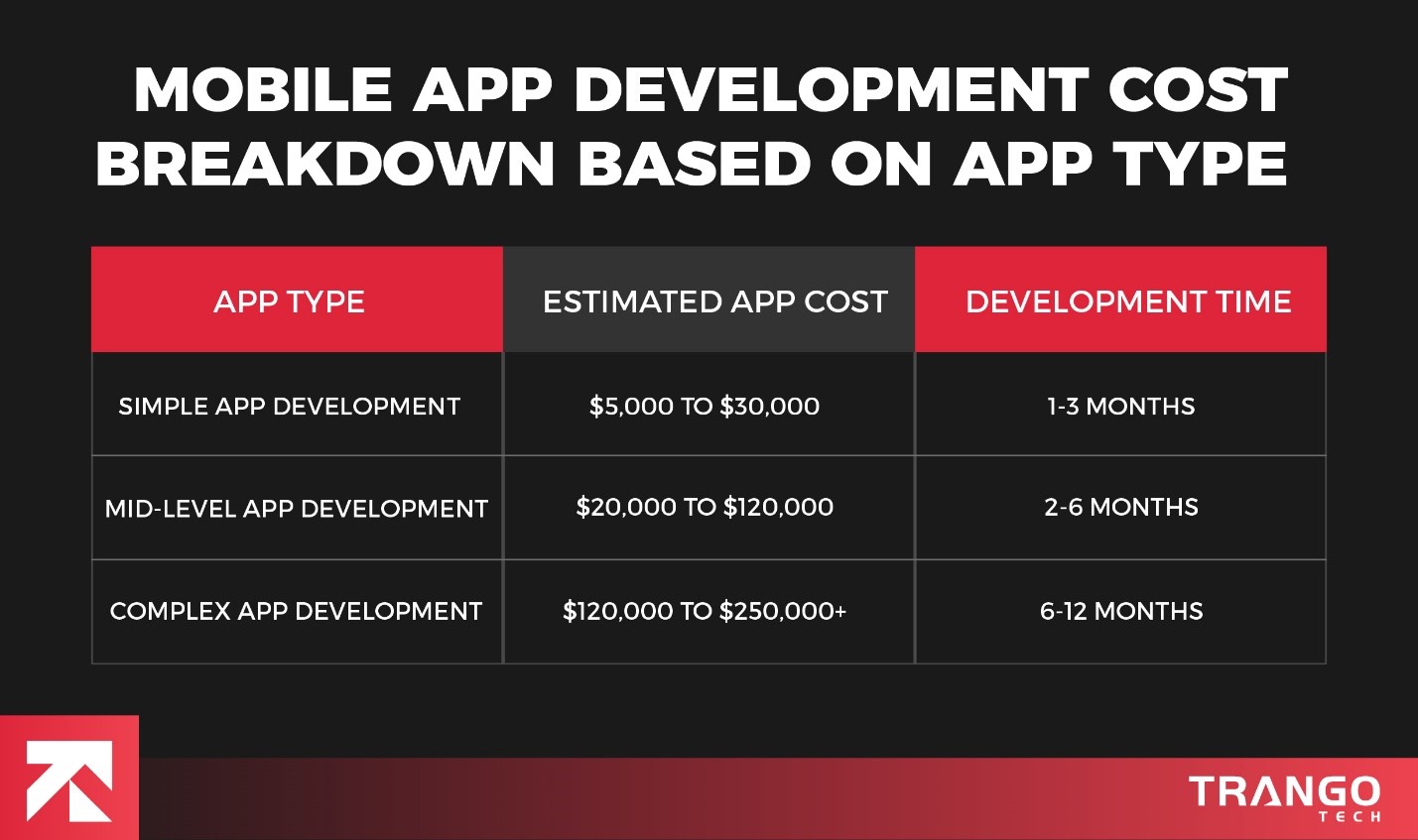
When people ask "how much does an app cost?", they rarely ask the question that truly matters: "how much of my sanity am I willing to trade?" The financial outlay for a simple app can range from ten to fifty thousand dollars, with complex projects easily exceeding six figures. Yet, the hidden ledger is far more volatile. Every hour you spend debugging a stubborn piece of code is an hour lost to the outside world—an hour not spent with loved ones, not spent exercising, not spent simply resting. This is where the concept of sunk cost fallacy begins to eat away at your mental health. You convince yourself that because you have already invested so much—be it money or time—you cannot stop, even when the project is draining the life out of you.
Must Read
The emotional triggers here are subtle but potent. There is the hope loop, where you convince yourself that one more feature, one more UI tweak, will make the app "good enough." This often masks a deep-seated fear of inadequacy. You are terrified that if you release the app, it will be met with silence, confirming your deepest insecurities about your creative value. Conversely, there is the impostor syndrome that hits when you hire a developer or a designer. You look at their skills and feel a primal inadequacy, leading to micromanagement and a breakdown in trust. The cost here isn't the contractor's hourly rate; it is the quiet erosion of your confidence as you cede control of a vision that lives entirely in your head.
This emotional investment is often more expensive than the actual development. I recall speaking with a founder who had spent nearly $80,000 on an app that never launched. When I asked about the financial loss, his face betrayed a deeper wound. "I'm not mourning the money," he said, "I'm mourning the two years I spent telling my daughter I couldn't play because I was 'building our future.'" The app became a symbol of present sacrifice for a future that never arrived. That is the true cost: the present moment, the simple joys of life, sacrificed at the altar of a screen. The budget for an app is not just a line item; it is a reflection of your boundaries and your ability to say "no" to the seductive voice of "what if."
Navigating the Build: A Mindful Blueprint for Creative Solvency
How do we protect our sanity while chasing a digital dream? It requires a radical shift from viewing app development as a project to viewing it as a practice of mindful engineering. The first actionable step is to set a psychological deadline separate from your technical deadline. Determine a date by which you will release the app, regardless of its perceived completeness. This "good enough" threshold is not a lowering of standards; it is a declaration of self-respect. You are telling your perfectionism that it does not get to hold your wellbeing hostage. Start by writing a "panic document"—a one-page list of all the things you fear will go wrong. This externalizes the anxiety, making it concrete and manageable, rather than a vague, swirling storm in your mind.
Next, segregate your identity from your output. When a bug appears, or when a user rejects your design, your brain will immediately translate that as a personal attack. To counter this, adopt a practice of ego dissociation. Refer to the app as "the project" or "the prototype," never as "my child." When you speak about it objectively, you create a psychological buffer. If the app fails, you have not failed; a prototype did. This distance is crucial for long-term mental wellness. Additionally, budget for a "burnout tax." Set aside a specific amount of money in your development budget—perhaps 10%—that is solely designated for therapy, massage, or a weekend away, not for ad spend or new features. This treats your mental health as a necessary line item, not an optional luxury.
Another powerful exercise is the "ten-year test." Before making a major financial commitment, ask yourself: "Will I care about this feature in ten years?" Usually, the answer is no. This helps prioritize the functional core over the shiny, distracting bells and whistles that inflate costs and stress. Furthermore, embrace the power of the walk away. Schedule literal time away from the code, where you do not think about the app. Use this time to engage in a non-digital hobby. This is not slacking; it is a necessary cognitive reset. Neuroscience shows that the brain solves complex problems during diffuse mode—when you are resting. The most expensive mistakes in app development come from working with a fatigued, frantic mind. By stepping away, you are not losing time; you are purchasing clarity.
Finally, redefine success. The societal definition of success for an app is usually acquisition or millions of downloads. For your personal growth, redefine it as completion. The mere act of finishing a complex, multi-month project is a massive psychological victory that builds self-efficacy. Keep a "done list" instead of a "to-do list." Every night, write down what you accomplished, no matter how small. "Fixed login bug" is a victory. This rewires your brain to focus on progress rather than the terrifying void of what remains. This shift in perspective transforms the app from a monolith of stress into a series of manageable, rewarding steps.
Frequently Asked Questions on the Emotional Cost of Creation
Is it normal to feel depressed while building an app?
Absolutely, and it is far more common than the tech blogosphere lets on. The creative process is inherently a cycle of highs and lows. When you are building, you are constantly solving problems, and the brain’s reward system (dopamine) is only triggered at the very end of the problem-solving sequence. During the long middle stretch—the "valley of despair"—you are operating without those dopamine hits. This can mimic the symptoms of mild depression: fatigue, lack of motivation, and a sense of impending doom. It is crucial to recognize this as a physiological response to the lack of completion feedback, not a personal failing. Acknowledge the feeling, but do not let it dictate your decisions. This phase is a sign that you are in the thick of creation, a place where many retreat from fear.

To combat this, you must artificially introduce reward cycles. Break the app down into micro-deliverables that take no more than two days each. When you finish one, allow yourself a genuine celebration—a favorite meal, a walk in nature, or simply a guilt-free hour of television. This re-engages the reward system, reminding your brain that progress is being made. If the feeling persists for weeks, consider that the app is not the source of the sadness, but a catalyst for pre-existing burnout. In this case, the most "expensive" thing you can do is continue; pausing for a week of rest will likely save you months of ineffective, miserable coding in the long run.
How do I deal with the anxiety of user reviews and criticism?
Launching an app is akin to sending a piece of your soul out to be judged by strangers. The first negative review can feel like a physical blow, triggering the same neural pathways as social rejection. This is because our brains are wired to perceive negative feedback as a threat to our social standing. To cope, you must practice a technique called feedback compartmentalization. Separate the user's critique of the feature from their critique of you. A review that says "this app is useless" is not a statement about your humanity; it is a statement about a tool's utility. Contextualize it. This is incredibly difficult, but it gets easier with repetition. Create a rule: you are not allowed to read reviews on the same day you ship an update. Give yourself a 24-hour buffer to manage the emotional anticipation.
Furthermore, shift your internal narrative from seeking validation to seeking data. When you read a critical review, ask yourself, "What does this tell me about the user's environment, not about my worth?" Often, a negative review stems from a user's frustration with their own inability to navigate the interface, or a mismatch between their expectations and the app's purpose. This is a product issue, not a personality flaw. The anxiety lessens when you view the app as a separate entity that you are observing and iterating upon, rather than an extension of your ego. The goal is not to be liked; the goal is to be useful. Focusing on utility provides a far more stable anchor for your mental health than the whims of public opinion.
![How Much Does It Cost to Develop an App in 2024 [Complete Breakdown]](https://www.cleveroad.com/images/article-previews/cost-to-build-an-app-by-development-phase-26-3x.webp)
What if I run out of money halfway through? Should I abandon it?
This is the most financially and emotionally fraught question. The decision should not be made in a state of panic. First, separate the business decision from the emotional attachment. Ask yourself: "If I were a neutral investor, looking at this project as a business, would I continue funding it?" Do not answer this in your head; write down the pros and cons of the app's current state, user interest, and market conditions. If the data suggests a clear "no," then stopping is not failure; it is strategic triage. It is the wisest, most self-compassionate decision you can make to preserve your resources for a future, better-planned endeavor. The money you have spent is gone, but the education you gained is an asset. Do not let the sunk cost fallacy force you into bankruptcy just to feel like a quitter who "finished."
However, if the data is murky, consider the "MVP pivot." Do not just ask "continue or quit?" Ask, "can I reduce the scope to make it viable?" Often, the half-finished app can be launched as a much simpler tool that solves a smaller problem. This brings your psychological cycle to a close, giving you a sense of completion that is vital for your mental health. Remember that quitting a failing venture is a victory of pragmatism over pride. Your mental well-being is worth far more than the remaining balance in your project fund. Seek out a trusted mentor or friend outside your immediate circle to help you make this call, as your own emotions are too tangled for objectivity. Their clarity can be a lifesaver.
How can I stop comparing my app's progress to others' success?
Comparison is the thief of joy, and in the app world, it is a thief that never rests. When you see a competitor reach a milestone, your brain registers a status loss, triggering feelings of inadequacy and jealousy. This is a primal instinct rooted in scarcity. To fight this, you must define your success metrics before you look at their dashboard. Write down three things that make your app uniquely you. It could be your customer support style, a specific feature you love, or your ethical data policy. When you feel the pang of comparison, look at this list. It forces your brain to view the other app not as a threat to your identity, but as a distinct, separate entity that is not running the same race as you.
Additionally, reframe their success as proof of a thriving market, not as a crowding-out of your opportunity. If they are doing well, it means people are buying, and they are educating that market—which makes your marketing job easier. Practice a daily gratitude exercise related to the app. Every morning, write down one thing you are grateful for about your own journey, like "I am grateful that I have the freedom to work on this," or "I am grateful that my app helps one user be more productive." This daily practice of gratitude rewires your brain to see abundance in your own life, rather than the perceived scarcity in someone else's. You are not competing with them; you are co-creating the digital ecosystem.
Is it worth the emotional toll if the app fails commercially?
This is the ultimate philosophical question. If the app is a commercial flop—zero downloads, no revenue—does that negate the cost of the emotional struggle? From a purely capitalist perspective, yes. But from a human perspective, absolutely not. The journey of building an app forces a profound level of self-knowledge. You discover how you handle stress, where your breaking points are, and how you collaborate (or fail to). This is invaluable emotional capital. The skills you learn—problem-solving, resilience, time management, the humility to ask for help—are transferable to every aspect of your life, from your career to your relationships. The app was just the vehicle; the real product was the version of yourself you were forced to become.
Moreover, the courage to try is its own reward. Many people live their entire lives with a "what if" churning in their gut. By building the app, you have answered that question. You have nothing to regret. The emotional toll was not a "cost" but an "investment" in your own character. You are now someone who knows what it takes to build something from nothing. That knowledge is a silent, steady confidence that cannot be taken away by a lack of downloads. Commercial failure does not diminish the personal victory of having faced your fear of inadequacy and pushed through it. You are richer in experience, empathy, and self-understanding, which are the only currencies that truly matter.
Ultimately, the cost of making an app is a profound lesson in the economics of the self. It teaches you to value your time not by the hourly rate of a developer, but by the quality of the life you lead while the code compiles. When you master the mindset required—the detachment from outcome, the acceptance of the slow grind, the gratitude for the process—you unlock a level of balance that transcends the digital world. The app becomes a mirror, reflecting not just your technical skill, but your capacity for patience, your ability to sit with discomfort, and your willingness to be a beginner again.
By shifting your focus from the cost to the craft, from the price tag to the process, you reclaim something far more valuable than any investment return: your peace of mind. You learn that the true app you are building is not the one on the screen, but the person you become while bringing it to life. And that human, with all their flaws and resilience, is the most sophisticated software ever designed. The cost is high, but the interest you earn in personal growth is, quite simply, priceless.