How Much Would A Car Cost Per Month
Let’s be real for a second: your For You Page (FYP) has been lying to you. Between the "financial girly" influencers showing off their amortization spreadsheets in Starbucks queues and the Silicon Valley tech bros arguing that leasing an EV is basically a personality trait, the cost of a car has morphed from a boring line-item into the internet’s favorite anxiety fuel. We are living through the era of the "$1,000 car payment," a viral benchmark that went from shocking to oddly normalized in the span of about eighteen months. It’s the new rent, the new rent-free tenant in your brain, and the reason your group chat is currently debating whether a used Toyota Corolla is a "cute" aesthetic or a cry for help.
But hold on—before you doom-scroll your way into a life of perpetual ramen noodles, we need to talk about the elephant in the dealership. The conversation has shifted violently from "what can I afford?" to "what payment will they approve?" It’s a psychological trap dressed up in leather seats and a 12-inch touchscreen. The monthly payment is now the star of the show, the headline act of a very expensive circus, and everyone from Gen Z first-timers to boomers downgrading from their SUVs is getting swept up in the drama. The internet has turned car buying into a spectator sport, and spoiler alert: the house always wins.
So, how much does a car actually cost per month? The boring answer is "it depends," but the viral answer is "more than your rent in 2019." We are here to dissect the numbers, the vibes, and the absolute chaos of modern car ownership. We’re going to break down the TikTok math, the dealership psychology, and the hidden fees that are sneakier than a Twitter cancellation. Strap in—this is going to be a bumpy ride through your bank account.
Must Read
The Toxic Ecosystem of the "Monthly Payment" Influencer
Welcome to the weirdest corner of the internet: the car-finance content creator. These aren't your dad’s car reviewers. These are individuals who film themselves negotiating with finance managers, using the "four-square method" like they’re black belts in financial martial arts, and screaming at the camera about APRs. The subculture is split into two camps: the "never finance" purists who think paying cash is the only moral path, and the "max leverage" crowd who treat 84-month loans like they’re crypto arbitrage. The latter camp is currently winning the culture war, and it’s terrifying. They’ll tell you that a $700 monthly payment is "just the cost of doing business" while driving a Dodge Charger that’s worth less than their iPhone.
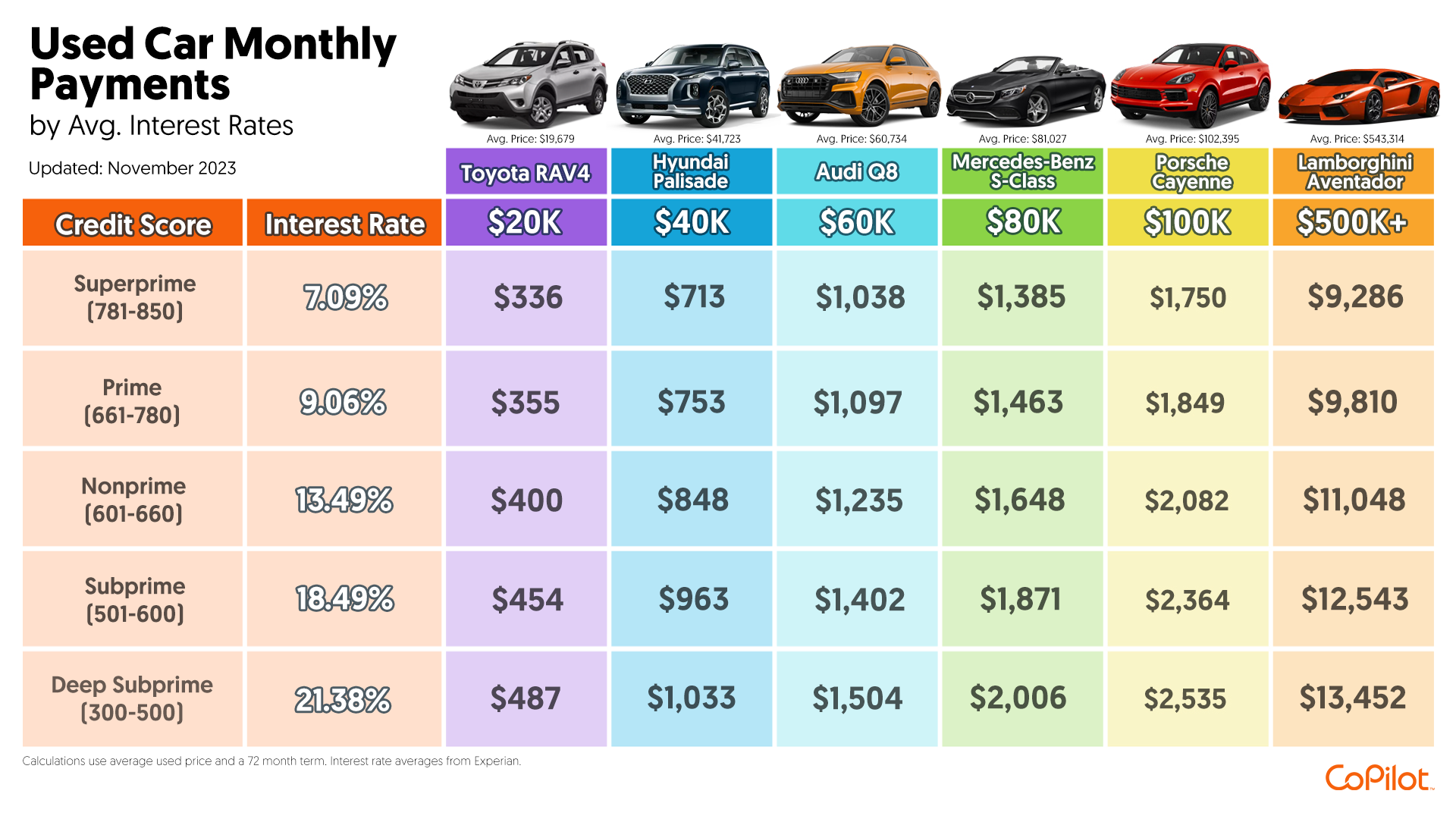
This toxic positivity around debt has created a feedback loop. On platforms like Instagram and TikTok, the algorithm rewards extremity. A video of someone crying over a $1,100 monthly payment gets more engagement than a sensible video about a $350 lease. Consequently, the perception of "normal" has skewed so hard that people now genuinely believe that spending 30% of their take-home pay on a depreciating asset is a flex. We are witnessing a cultural shift where financial literacy is being replaced by "vibe-based budgeting." The bizarre part? The dealerships love it. They are actively cultivating this ignorance because a customer who only cares about the monthly number is a customer who will blindly sign a 72-month contract with a 9% interest rate and smile.
Surviving the Stealership: A Pragmatic Guide to Not Losing Your Sanity
Okay, deep breath. You’ve scrolled, you’ve panicked, and now you’re ready to actually go buy a car. But you refuse to become a cautionary tale. The first rule of modern car buying is to ban the word "payment" from your vocabulary when you walk into the showroom. The moment you ask "how much per month?" you have lost the game. The salesperson will ask you a counter-question: "What monthly payment are you comfortable with?" This is a trap. They will then manipulate the loan term and the down payment to hit that number while hiding the total cost. Instead, negotiate the out-the-door price—the total cost of the car, taxes, and fees included. If they refuse to talk about that number, stand up, say "thanks," and walk out. The power dynamic shifts instantly when they realize you’re not a novice.
Secondly, let's talk about the term length. The auto industry is currently pushing 84-month (seven-year) loans like they’re candy. This is financial suicide for most people. A seven-year loan means you will be paying for a car that will likely be out of warranty, heavily depreciated, and possibly broken by year five. The rule of thumb that still holds up in this chaotic era is the 20/4/10 rule: put down 20% cash, finance for no more than 4 years, and ensure the total monthly transportation costs (payment, insurance, gas) don't exceed 10% of your gross monthly income. If you cannot afford the car under those parameters, you cannot afford the car. Period. The internet will try to convince you that you "deserve" the BMW, but your bank account disagrees, and your bank account is the only influencer that matters.
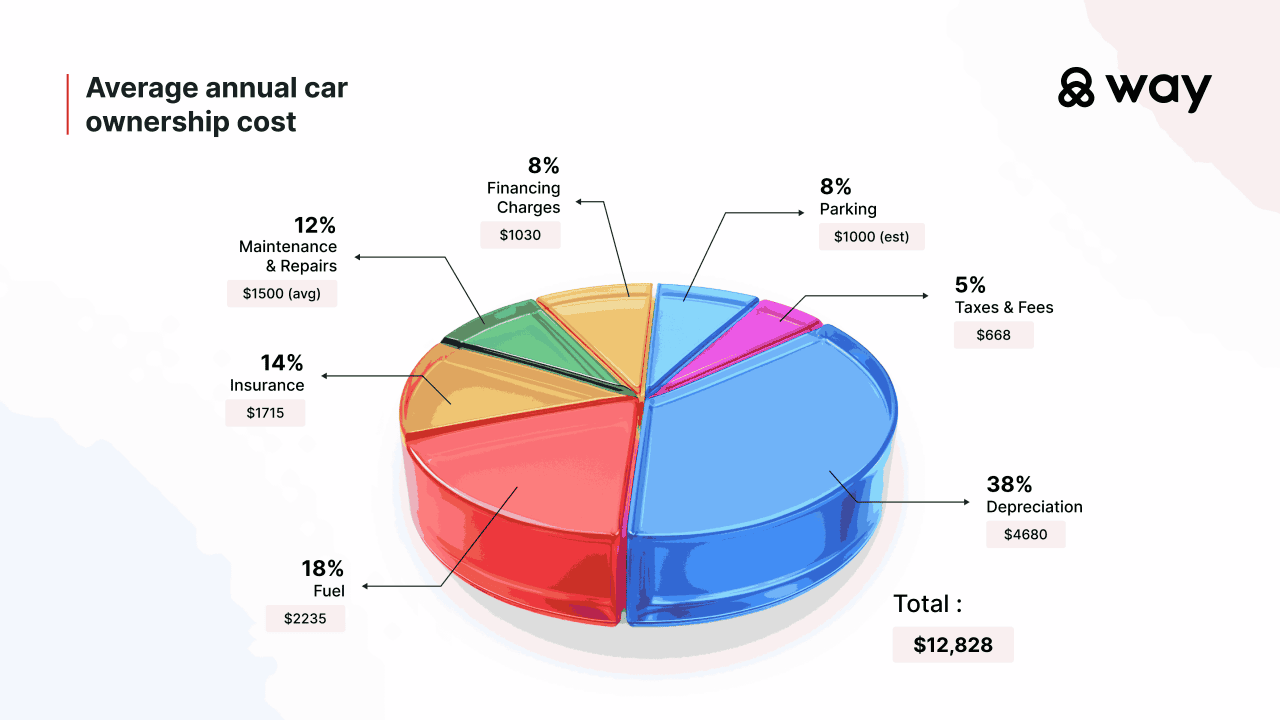
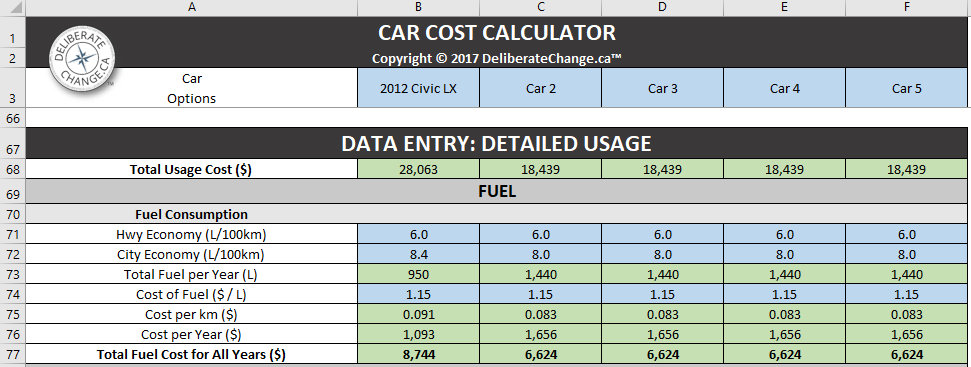
Thirdly, factor in the other monthly bills. The car payment is just the entry fee. You have to budget for insurance, which has skyrocketed by double digits in the last year. You have to budget for gas, especially if you’re buying a gas-guzzler because you thought the "V8 sound" was a personality. And you must budget for maintenance. A $500 lease payment on a Nissan might seem cheaper than a $700 payment on a Toyota, but the Toyota will likely cost you $200 a year in maintenance while the Nissan will cost you $1,500 in year three when the CVT transmission gives out. Calculate TCO (Total Cost of Ownership) before you even step foot on a lot. Use the Edmunds TCO calculator. It will ruin your dreams, but it will save your future.
Finally, consider the "dumb" option: buying a slightly used, boring car. The viral trend of "car ownership as a luxury lifestyle" is a marketing mirage. The smartest financial move right now is buying a 2-3 year old Honda Civic or Mazda 3 with low miles. Yes, it’s not a Tesla. Yes, it won't launch from 0-60 in 3 seconds. But it will cost you half the monthly payment, half the insurance, and it won't lose 40% of its value the moment you drive it off the lot. If you absolutely must have the latest tech, buy a used EV—they are depreciating faster than a celebrity’s relevance after a flop album, making them the ultimate bargain for the savvy buyer who doesn't care about status and just wants to stop paying for gas.
The Internet’s Most Burning Questions, Answered
Is a $1,000 Monthly Car Payment Actually Normal Now?
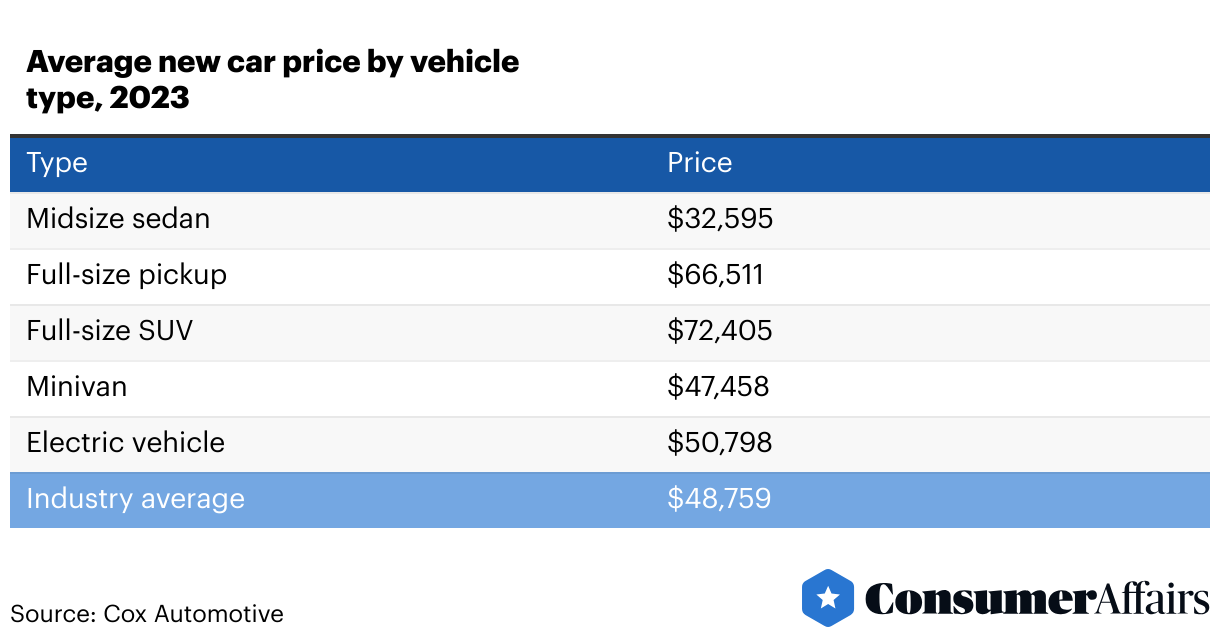
According to recent data from Cox Automotive, the average new car payment in the US is hovering around $735, but that number is heavily skewed by the insane volume of luxury trucks and SUVs being financed. The "$1,000 club" is real, but it is not normal; it’s a marker of being over-leveraged. The reason it feels normal is because of "lifestyle creep" showcased on social media. You see an influencer in a penthouse apartment parking a Range Rover, and you assume that’s the baseline. It’s not—it's either a lease, a rental, or a catastrophic financial mistake. The cultural narrative has shifted to accept high payments as a rite of passage into adulthood, but that’s a relatively new phenomenon driven by rising prices and stagnating wages.
The psychological toll of a $1,000 payment is immense. It creates "golden handcuffs" where you are terrified to quit a toxic job or start a business because you have a $1,000 obligation every single month. It raises your stress levels and lowers your ability to save for emergencies. While $1,000 might be "affordable" for a dual-income household making $250k a year, for the average American making $60k, it's a disaster waiting to happen. If you are considering a four-figure payment, you should be putting at least 20% down and ensuring the loan term is under 60 months. If you’re planning to do a 96-month loan to get to $1,000, you are actively sabotaging your future. The internet debate needs to shift from "is it normal?" to "is it safe?" and the answer is a hard no.

Is Leasing a Car Actually Smarter Than Buying?
The internet is split on this. The "leasing is throwing money away" crowd is loud, but they are often ignoring the math for specific scenarios. Leasing is not inherently stupid; it’s just a different product. If you are the type of person who wants a new car every three years, loves having a warranty, and doesn't drive more than 12,000 miles a year, a lease can be a lifestyle choice that provides certainty. Your monthly payment is essentially paying for the car's depreciation plus a rental fee, and you don't have to worry about the car breaking down during the lease term. However, the downside is the mileage penalty and the "wear and tear" charges that dealerships love to slap you with at the end. They will inspect that car with a magnifying glass to find a scratch on the bumper and charge you $1,500 for it.
Buying is smarter if you plan to keep the car for a long time. Once the loan is paid off, you have a free asset. But here’s the catch in today's market: with interest rates high, buying new is wildly expensive. A lease often has a lower monthly payment because you’re only financing the depreciation, not the entire value. If you are strictly looking at cash flow, a lease on a $40k car might cost $450/mo, whereas a purchase might cost $750/mo. The issue is that the lease ends and you have nothing to show for it. If you are financially disciplined and invest the difference in monthly savings, leasing can actually be superior. But if you’re going to lease, drain the car, and then lease another one, you are permanently locked in a cycle of payment. My advice? Leasing is a tool, not a trend. Use it if it fits your driving habits, but don't let the TikTok "car gurus" shame you into a $700/mo lease on a car you'll never own.
Do Electric Vehicles Actually Save You Money on a Monthly Basis?
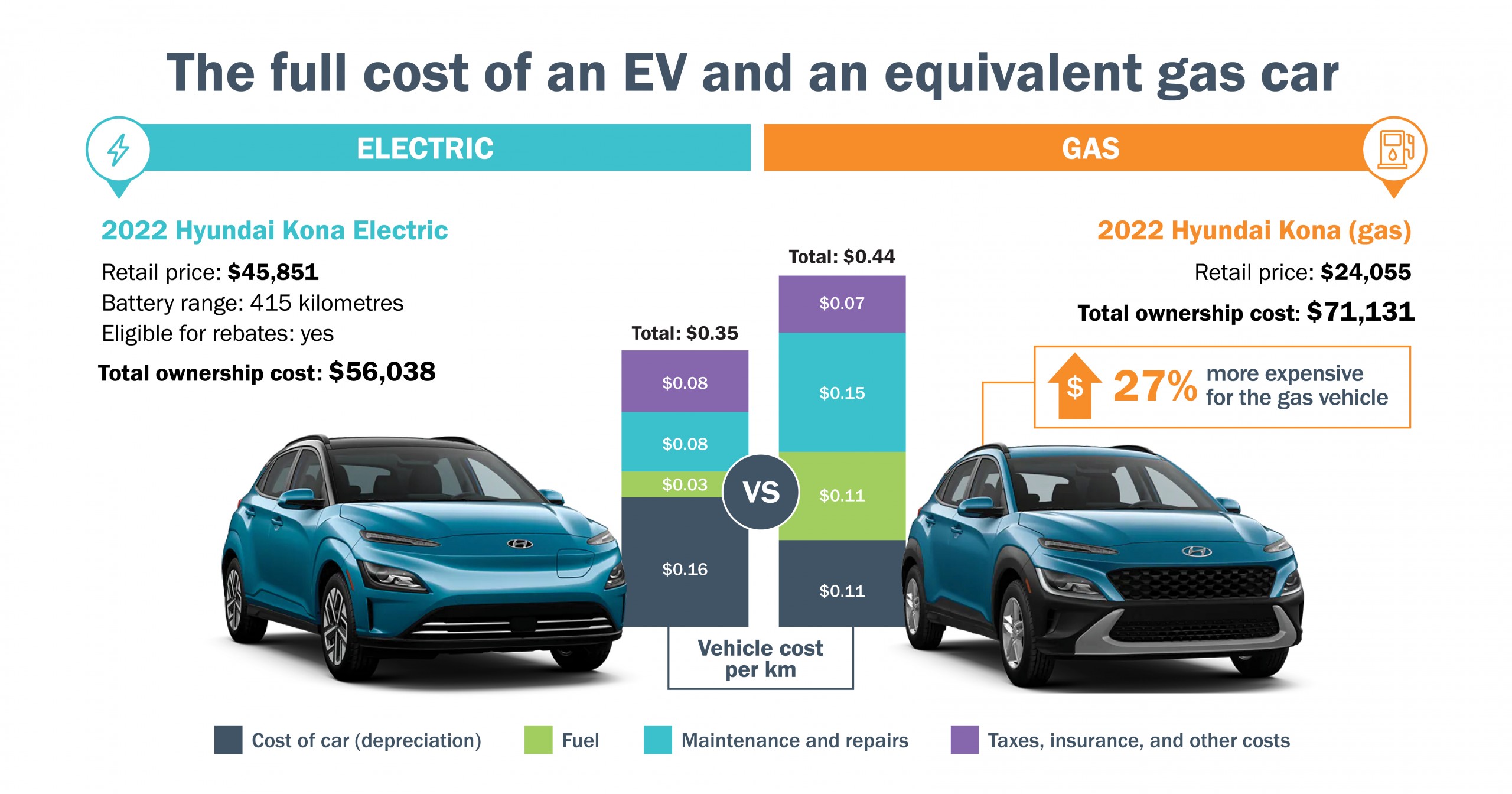
This is the holy war of the car internet. The pro-EV crowd claims you'll save thousands on gas. The anti-EV crowd screams about insurance and tires. The truth? It depends on your electricity rates and your insurance provider. Yes, you will save money on fuel—charging at home is generally cheaper than $4/gallon gas, especially if you charge overnight at off-peak rates. However, many states are implementing EV-specific registration fees to make up for lost gas tax revenue, which can add $100-$200 a year to your costs. Additionally, EV insurance premiums are often 20-30% higher than their gas counterparts because repairs are more expensive and require specialized technicians. If you hit a pothole and damage the battery pack—which is mounted under the car—that’s a $10,000+ repair.

But the biggest monthly cost pitfall with EVs is the depreciation. While Tesla Model 3s hold value decently, many other EVs—especially the ones from legacy automakers—are losing value at a staggering rate. The government’s $7,500 tax credit effectively makes the MSRP a lie, so the "market value" drops the second you drive off the lot. This means that if you finance an EV with a small down payment, you could immediately be "upside down" (owing more than the car is worth). This is dangerous if you get into an accident and the insurance company totals the car; you’ll owe money on a car you no longer have. So, while the monthly "fuel" cost is lower, the total monthly financial equation can be very volatile. Do your homework on the specific model’s resale value before you buy. The savings are real, but they are not automatic—they are earned through due diligence.
So, is the car payment epidemic a passing fad or a permanent shift? I’d argue it’s a symptom of a larger disease: the American obsession with instant gratification and external validation. We’ve been trained to see a car as an extension of our identity, and the monthly payment is the subscription fee for that identity. As long as social media rewards displaying wealth—even borrowed wealth—the average car payment will continue to creep up. The concept of "driving a beater to save money" has become a niche, almost radical act of rebellion against consumerism. It’s almost counter-cultural now to buy a sensible, affordable car.
However, I see a counter-movement brewing. The "de-influencing" trend is starting to hit the auto industry. People are getting tired of the financial stress. They are realizing that having a bigger car doesn't make them happier; it just makes them broker. The shift towards remote work has also reduced the necessity of commuting, making car ownership more of a luxury than a requirement. If gas prices spike again, or if the economy stumbles, that $1,000 payment is going to look like a relic of a bygone era. The future might not be about owning less, but about owing less. And frankly, that’s a trend we can all get behind.