
Honda Xrv 750 Africa Twin Problems

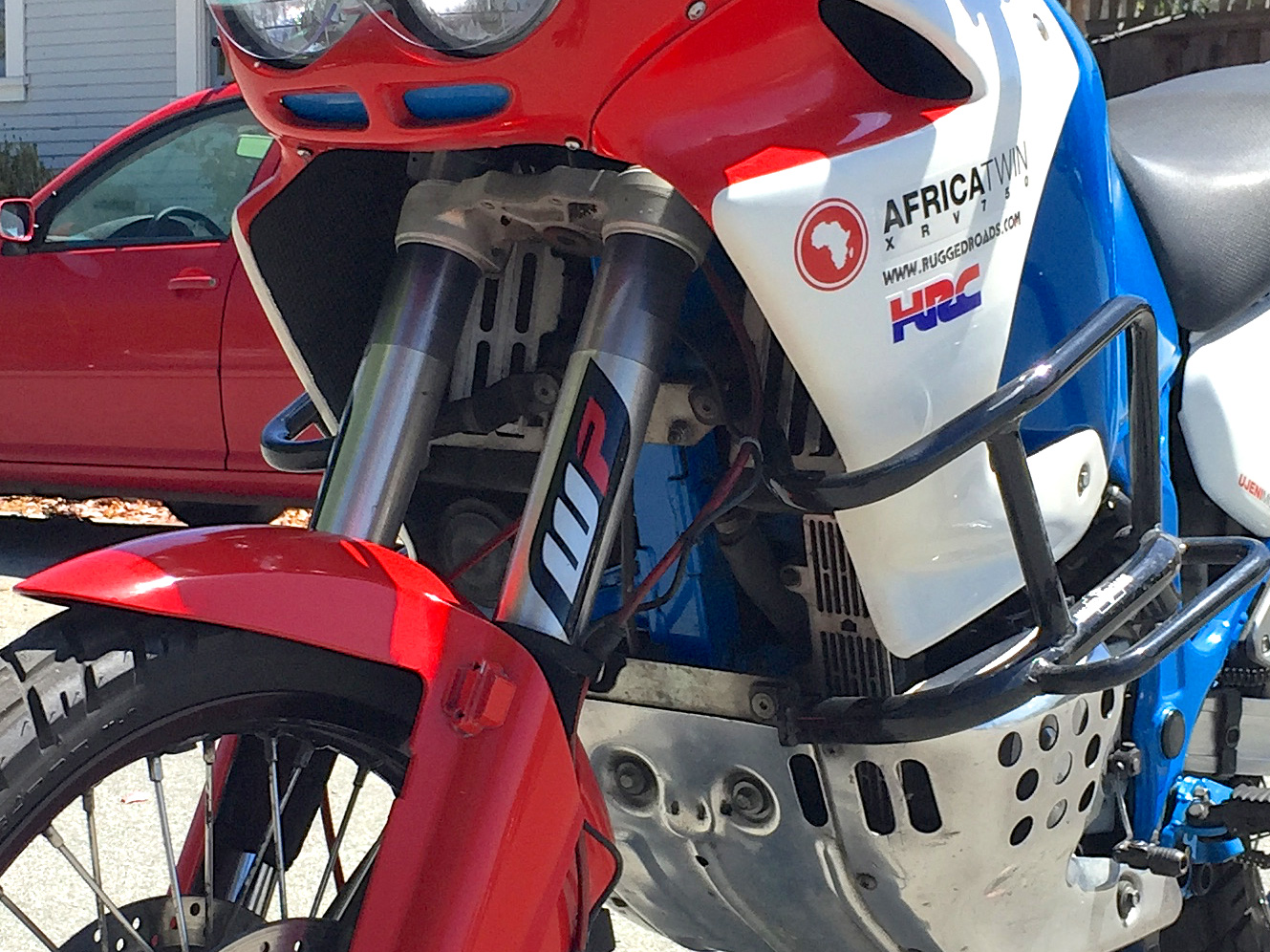
Okay, let’s talk about the big girl. The Honda XRV 750 Africa Twin. The one with the iconic white, red, and blue rally paint that makes us all feel like we’re about to cross the Sahara. I love this bike, I really do. But pretending it’s perfect is like saying your dog never barks. We both know that’s a lie.
So, grab your coffee, friend. Let’s have a little chat about the quirks, the gremlins, and the “character” of this 1990s legend. Because let’s be honest, loving a classic is a full-time job, and this one has some specific overtime hours.
The Starter’s Tale: The Famous “Hot Start” Blues
Ah yes, the classic. You’ve just filled up with petrol after a long ride. You’re ready to go. You hit the starter, and… it clicks. Nothing. Or worse, it turns over so slowly you think the battery has died. You just rode 200 miles, but it acts like it’s asking for a jump start.
Must Read
This is the legendary hot start issue on the 750. It’s not that the bike is broken, it’s just dramatic. The problem usually lies in the starter motor, which is too short, or the cables, which are too thin.
You have two choices here. You can learn the secret handshake—which involves short, repeated presses of the starter button. Or you can shell out for a upgraded starter motor from a later model or a high-torque aftermarket unit. It’s a rite of passage, really. You aren't a true owner until you’ve sweated at a gas station wondering if you’ll ever get home.
The Battery & Stator Rodeo
While we’re in the electrical department, let’s talk about the charging system. The stock stator is fine, but the regulator/rectifier is a bit of a weak link. Heat is the enemy here, in case you couldn't tell by looking at a 30-year-old bike.

If your battery keeps dying, don’t just replace the battery. Check the charging voltage at 5,000 rpm. You want to see around 13.5 to 14.5 volts. If you see less, your rectifier is likely on its way out and is basically cooking your battery to death.
My advice? Just replace the rectifier with a modern MOSFET unit and do the “wiring mod” to give the battery a direct line from the stator. It’s a Saturday job, but it will save your Sunday from a tow truck. Trust me on this one.
The Cam Chain Tensioner: Your New Favorite Rattle
Start the engine cold, and you might hear a slight metallic rattling. On start-up, it sounds like a bag of spanners for a second. This is the automatic cam chain tensioner (CCT) doing its job, but they wear out or get weak over time.
If you hear a constant rattle that gets louder when you rev, that’s not a loose pipe, friend. That’s your timing chain hitting the cylinder wall. It’s the sound of your engine saying, “Please, buy me a manual tensioner before I destroy myself.”

Many owners convert to a manual CCT. It’s a mechanical fix that removes the guesswork. Yes, you have to adjust it every 5,000 miles with a wrench, but you know tempers are high when the “fiddly manual adjuster” is considered a massive improvement. It sounds scary, but it’s actually quite reliable.
Carburettor Mood Swings
The Africa Twin runs on Keihin carbs, and they are quirky. They are not fuel-injected, so they don't care about your modern demands for smooth idling. They have their own schedule.
If the bike sits for more than two weeks, the pilot jets will likely gum up. You’ll get a rough idle and a coughing fit when you twist the throttle. The standard fix is a carb rebuild, which is a bit of a pain because you have to remove half the bike to get to the airbox.
But here’s the thing—once you get them clean and properly synced, they are wonderful. The response is crisp, and the fueling is surprisingly good. Just don't let the bike sit, or you’ll be cursing those tiny brass jets.
Rust & The Rear Shock
The subframe is steel. The swingarm is steel. The downpipes are steel. Do you see the pattern? If the previous owner rode in winter or sea air, you might be dealing with rust in the rear frame where the fender mounts. It’s a cosmetic issue until it snaps. Then it’s a structural issue.
The stock rear shock is also… let’s say “budget.” It works for the first 20,000 miles, then it turns into a pogo stick. If yours bounces more than a trampoline, it’s time for a replacement. A good aftermarket shock will transform the bike from a wallowing cow into a sharp handling adventure bike.
Seriously, the tyres and suspension matter more than the engine on these bikes. The engine is a tractor—it will pull forever. But the suspension needs help to keep the tractor pointed in the right direction.
Verbal Judo: Should You Still Buy One?
So, with all these problems, why do we love it? Because the engine is magnificent. That 742cc parallel twin is smooth and torquey. It sounds like a bass guitar with attitude. It’s unfussy, and the bike feels light on the move.

The problems I listed are not deal-breakers; they are maintenance milestones. If you check the valves (they rarely need shimming, by the way), replace the CCT preemptively, and fix the wiring, you have a bike that will outlive us all.
I’m not going to lie to you and say it’s as reliable as a modern CRF. It’s not. It’s a 90s bike with 90s wiring and 90s charging. But it has more soul than anything you can buy new today. It’s a charming, charismatic lump of metal that makes you work for your smiles. And honestly? The reward is worth the effort.
So, if you’re looking for a project that you can actually ride, get one. Just bring a spare stator, a voltmeter, and a lot of patience. Oh, and a big coffee. You’ll need the caffeine for the wrenching.
Happy trails, and I’ll see you at the gas station, staring at the battery. We’ll nod at each other in shared understanding.


