How Much Time Between Oil Changes
Let’s be real: checking your owner’s manual feels a bit like reading a legal document, right? But under that dry jargon hides a simple truth—your car isn’t as needy as you think. The old “every 3,000 miles” rule is about as outdated as a flip phone, so let’s clear the air with some modern-day logic.
The 3,000-Mile Myth vs. The New Math
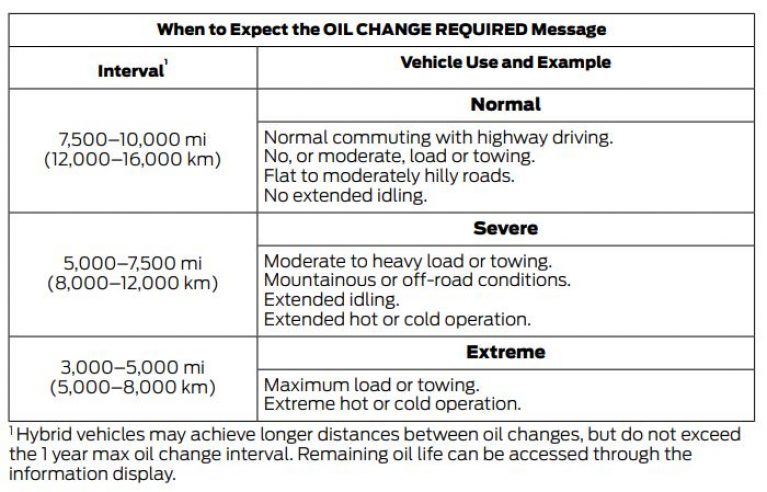
Back in the ’70s, cars were thirsty, dirty machines that genuinely needed frequent oil swaps. Today, engine technology and synthetic blends have made that interval almost laughably conservative. Most automakers now recommend an oil change every 7,500 to 10,000 miles for newer models—some even stretch to 15,000 if you use the right synthetic oil.
So why does the old myth persist? Blame a clever marketing campaign from the 1980s, plus the convenience of quick-lube shops who’d love to see you every month. Your wallet says thanks for ignoring them.
Must Read
Listen to Your Ride (And Its Dashboard)
Every modern car has a little electronic brain that tracks your driving habits, not just the odometer. That “oil life” percentage on your dash isn’t a gimmick; it’s a real-time calculation based on engine temperature, idle time, and trip length. If you do mostly highway cruising, you might hit 10% at 9,000 miles. If you’re stuck in stop-and-go city traffic all day, that number will drop faster than your patience at a red light.
The golden rule? Don’t guess—check the monitor and aim to schedule a change when it hits around 15% to 20% remaining. That gives you a comfy buffer without wasting a drop of perfectly good oil.
When to Ignore the Numbers Entirely
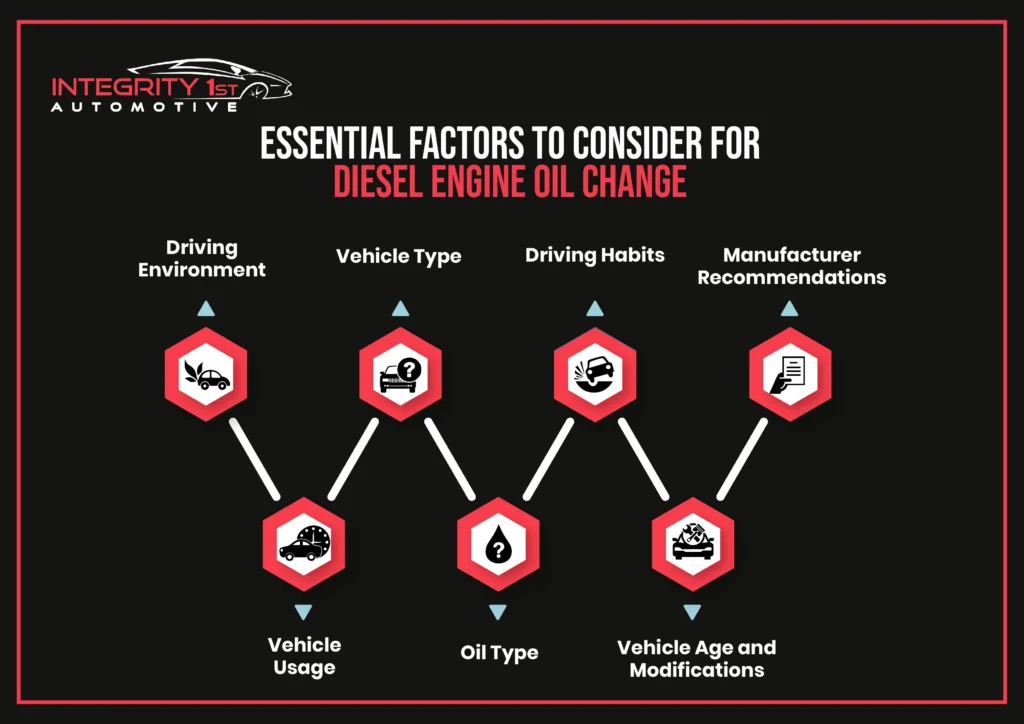
Severe conditions are the plot twist here. If you regularly tow a trailer, climb steep hills, or live in a dust-bowl climate, your engine works double-shift. In that case, halve the suggested interval—so call it every 4,000 to 5,000 miles—because your oil gets dirty and stressed faster than a gossip’s reputation.
Also, if you only drive your car once a month for groceries, you’re in a weird “short-trip” zone. That’s harsher on oil than a long road trip because moisture never burns off, leading to sludge. Treat it like a sourdough starter: occasional attention beats a forgotten binge.

The Cheap Filter Trap (And Other Frugal Faux Pas)
You might be tempted to save a few bucks with a no-name filter, but that’s like buying discount sunscreen—technically there, but useless in a pinch. A quality filter keeps contaminants from turning your oil into a gritty smoothie, so spring for a decent one every time. It’s a $10 upgrade that protects a $5,000 engine, which feels like a no-brainer.
And for the love of the open road, don’t rely on the “dipstick smell test.” Sniffing oil may reveal burnt toast hints, but it’s not science. Your senses are lovely, but they can’t measure viscosity, acidity, or microscopic metal shavings. Trust the interval you set, and use the dipstick only for checking the level—not the date.
Fun Fact: The Synthetics Revolution
Here’s a trivia nugget for your next dinner party: full synthetic oils can last up to 20,000 miles in some BMWs and Mercedes, thanks to advanced additives that fight breakdown. Those cars don’t even have a traditional dipstick—digital readings only. Neat, right? Just remember that your average sedan isn’t a Teutonic wonder, so stick to your manual’s range.
Another weird one: the color of oil is not a reliable indicator. Amber honey can look dirty after a week, while dark molasses can still have plenty of life. True story—it oxidizes naturally with heat, not necessarily with wear. So stop judging your oil by its cover.
A Gentle Rhythm for Real Life
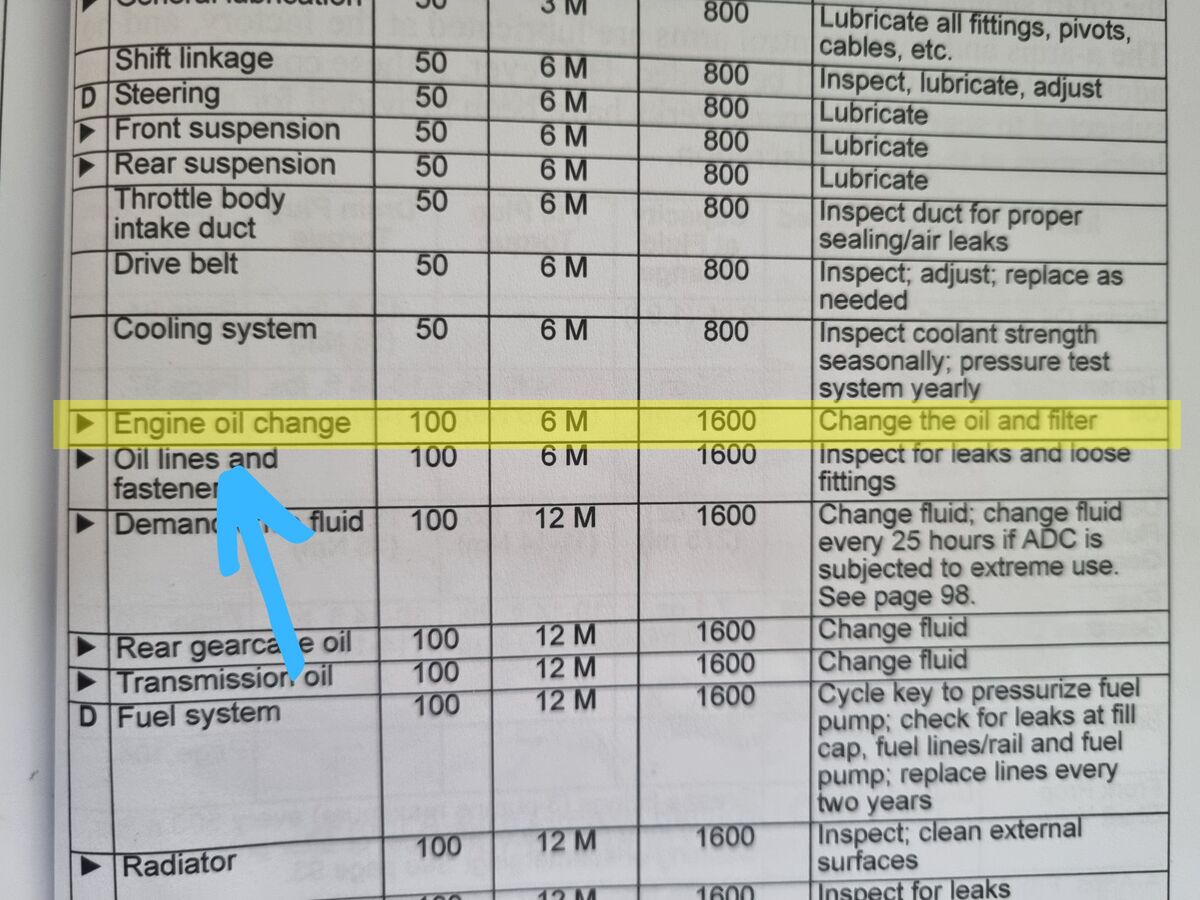
Here’s the easiest takeaway: pick a calendar reminder every six months, and aim for 5,000 to 7,500 miles if you’re an average commuter. If you drive a hybrid or a turbocharged economy car, lean closer to 7,500. If you’re a weekend warrior with a sports car, your interval might be shorter—but you probably enjoy the ritual anyway.
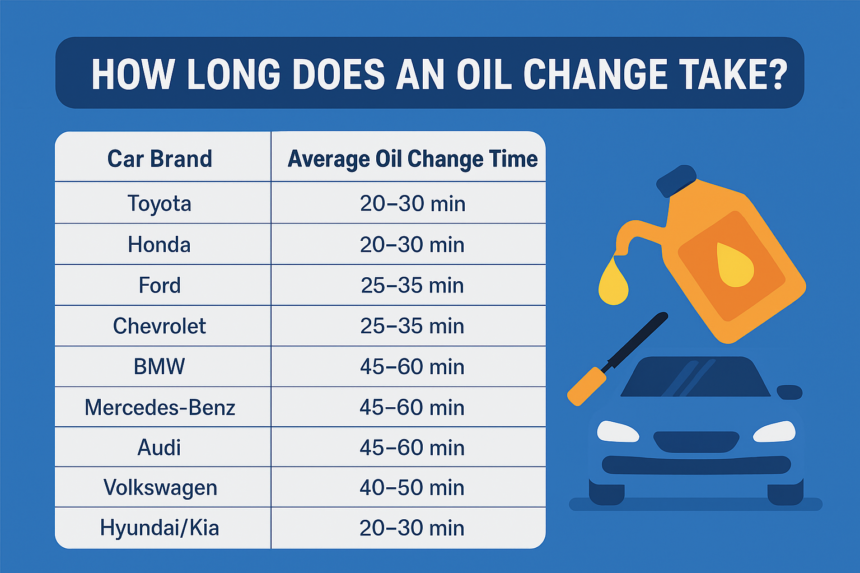
Most importantly, pair the oil change with a quick tire rotation and a fluid top-up. It turns an errand into a mini health check for your daily chariot, and you’ll leave feeling like a co-pilot who actually gets the controls.
So next time you see that dashboard light, take a breath. It’s not an emergency; it’s a gentle nudge. Your car isn’t fragile—it’s engineered for real-world chaos, just like you. The secret isn’t obsessing over mileage; it’s about building a small, consistent ritual that keeps the wheels turning. And isn’t that the same for a good friendship, a houseplant, or even a Tuesday evening? A little timely care, a bit of attention, and you’re good for another ten thousand miles of whatever life throws your way.