How Much Is A 2.4 Carat Diamond Worth
Let’s be real: if you’ve scrolled past a single “De-Influencing” video or a “Get Ready With Me” on TikTok in the last six months, you’ve likely been subjected to the great Diamond Discourse™ of 2025. It’s the strange collision of lab-grown vs. mined, of “investment pieces” versus “emotional purchases,” and—most importantly—the oddly specific obsession with the 2.4 carat sweet spot. It’s not quite a 3-carat (too flashy, apparently) and it’s not a 2-carat (too basic for the algorithm). The 2.4 has become the Goldilocks stone of the engagement industrial complex, sparking a million thirst-trap videos of oval cuts sparkling under bathroom vanity lights.
But here’s the kicker: nobody can actually tell you what it’s worth because the answer is a chaotic, beautiful mess of quantum physics, De Beers marketing hangover, and sheer vibes. Is it $8,000? Is it $40,000? The internet is frothing at the mouth trying to do the math in the comments section while simultaneously getting ratioed by gemologists who are screaming about cut angles and fluorescence. We are living in an era where the price of a shiny rock dictates our social cachet, our retirement plans, and our family group chats. So, let’s put on our tiny plastic visors and dissect the economics of the internet’s favorite ice cube—because, spoiler alert, the "worth" is as much about your algorithm as it is about your bank account.
This isn't just a trip to the jeweler; it's a safari through the wilds of modern consumer psychology. We’re talking about the rise of the "self-purchase" diamond (thank you, Diamond Foundry ads), the death rattle of the traditional "two months' salary" rule, and the rise of the second-hand luxury market that has made pawn shops look like curated vintage boutiques. Buckle up, buttercup, because your 2.4-carat dream is about to get a reality check that hits harder than a Naturium cleanser.
Must Read
The Weird, Toxic Ecosystem of the 2.4-Carat Club
Let’s talk about the subculture, because it’s deliciously unhinged. On one side, you have the Lab-Grown Purists—a group of eco-warriors with impeccable spreadsheets—who will proudly tell you that their 2.4 carat, VVS1, D-color stone cost them the equivalent of a used Honda Civic. They post these "steal" reveals with a smugness usually reserved for people who mention they’re vegan without being asked. They argue, correctly, that the physical properties are identical to mined diamonds (it’s literally the same carbon lattice), and they are on a crusade to devalue the traditional cartel pricing. On the other side, you have the Mined Diamond Traditionalists, who clutch their pearls and whisper about "resale value" and "natural scarcity," trying to inject a sense of romance into what is essentially a very expensive chunk of crystallized magma.
But the real toxicity lives in the comment sections under these videos. Someone posts a stunning 2.4 mined stone, and the top comment is always, “imagine paying $25K for a rock that lost 30% of its value the second you left the store.” Then, the OP responds with a burner account: “It’s not an investment, it’s a promise.” Meanwhile, the algorithm is pushing “ring stacking” trends, encouraging women to buy their own 2.4-carat "fingers" to wear alongside their engagement rings, completely bypassing the male gaze. The cultural shift here is seismic: we’ve moved from a symbol of union to a symbol of personal autonomy, and the pricing hasn't caught up with the vibe shift. The trend is less about the diamond itself and more about the clout thermostat—measuring how much you paid versus how smart you looked doing it.
Navigating the Chaos: How to Buy a 2.4 Without Losing Your Soul (or 401k)
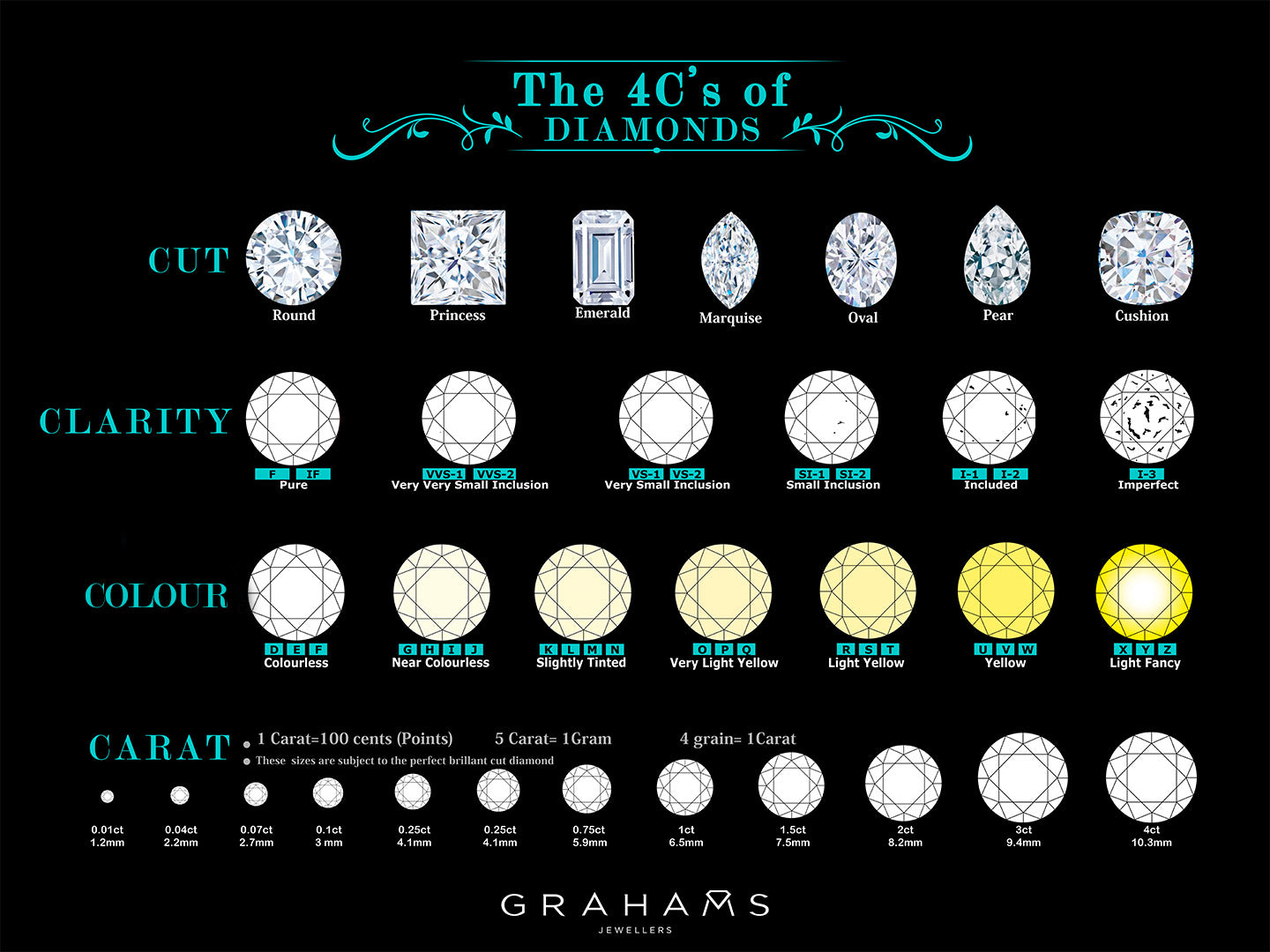
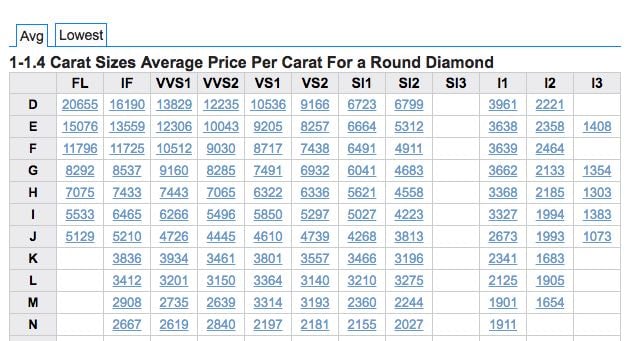
First things first: ignore the sticker price and focus on the “Four Cs+”. But the fifth C is actually Context. That $30,000 price tag you see on a retailer’s site is for a "GIA Certified, Excellent Cut, D Color, VVS1" stone. If you walk into any mall in America, they will try to sell you this. But you are a savvy internet user. You know that a 2.4-carat diamond with an I color (slightly warm, but face-up white) and an SI1 clarity (inclusions invisible to the naked eye) will look identical to that D/IF beauty when it’s sitting on a hand two feet away from a date across a candlelit table. You can save 40% just by dropping three letters of color grade. The cut is the only non-negotiable—a poorly cut 2.4 will look like a dead piece of glass, a great-cut 2.4 will look like a disco ball on steroids.

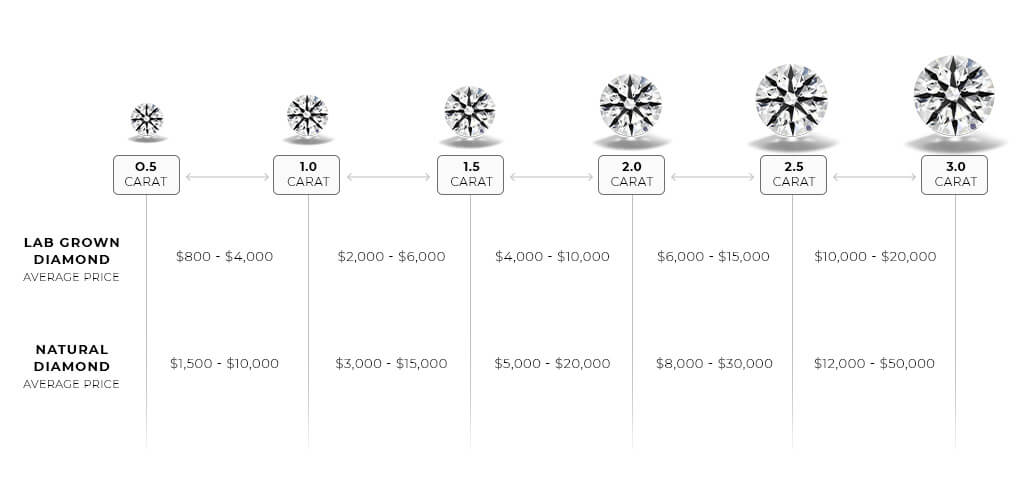
Second, you must pick a side in the Lab vs. Mined war, and you need to do it with your eyes wide open. If you choose lab-grown (which is outselling mined 3:1 right now, by the way), treat it like a new car—it depreciates the second you buy it. The secondary market for lab diamonds is essentially non-existent; pawn shops view them as costume jewelry with a high silicon content. But who cares? You’re not flipping it. You are buying the aesthetic. A 2.4-carat lab-grown stone can set you back just $3,000 to $6,000 for a high-quality cut. That’s less than most people spend on a Peloton. For that price, you get maximized finger coverage and all the dopamine hits without the crippling debt. If you go mined, understand you are paying a "scarcity tax" and a "tradition tax." That same look will cost you $15,000 to $25,000 minimum. You are buying the story of the earth, not the raw material.
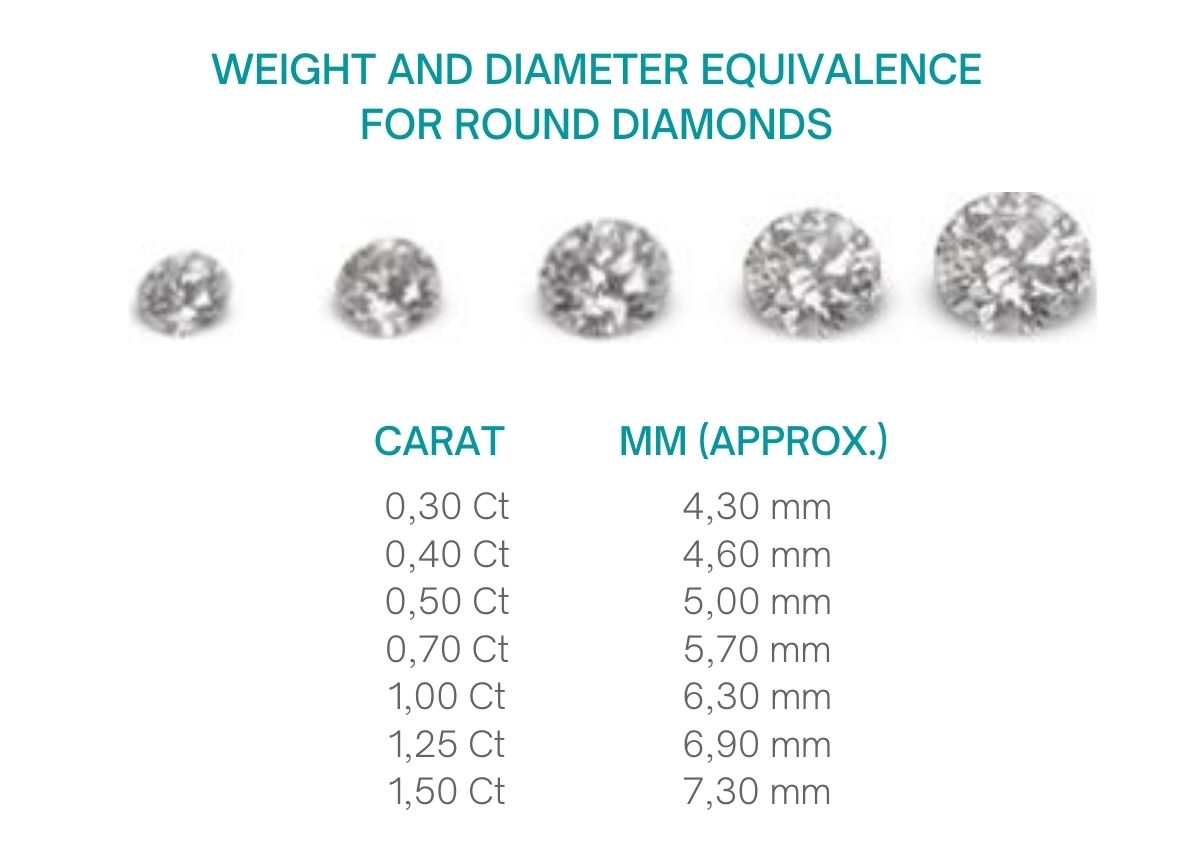
Third, stop looking at the carat weight, start looking at the spread. A 2.4-carat oval cut has a much larger surface area than a 2.4-carat round brilliant of the same weight because the oval is shallower. Instagram loves the elongated oval look because it makes the finger look slimmer and longer. But if you see a flat price tag, you might be getting a "bow-tie" effect (that dark shadow across the middle) that makes the diamond look dull. Ask for the table percentage and depth percentage. If the depth is over 62%, it’s sitting too high, and the ring will look like a lollipop, making you look like you’re smuggling a Jewelry TV remote. Use a virtual loupe—most reputable online retailers (Blue Nile, James Allen) offer 360-degree HD video. Zoom in like you’re inspecting a crime scene. That does not mean just checking the GIA report; it means checking the actual pixels for black spots.
Fourth, and this is the spicy part, negotiate or go grey market. The retail markup on diamonds is still 100% to 300%. If you don’t want to use a private dealer in the Diamond District (which can be scary but profitable), you buy from online pure-plays and wait for a “site-wide 25% off” event. Yes, they do that. Sign up for emails; they literally discount "forever" items. Also, consider setting the diamond low in a bezel or a hidden halo. This protects the stone and allows for a slightly smaller carat weight to look massive because the metal frames the stone. You can easily buy a 2.4 for the price of a 2.0 if you are willing to sacrifice the idea of the "floating" solitaire. The goal is to look expensive, not to become poor.
Finally, get the certificate right. I’m begging you. If it’s not GIA (Gemological Institute of America), it’s basically a piece of paper with good intentions. EGL and IGI grading are notoriously lenient. That "IF" (flawless) stone with an EGL cert might actually be a VS2 under GIA standards. The difference in price is astronomical. A GIA-certified 2.4 is the only way to ensure you aren’t being scammed out of $10,000. If a dealer avoids mentioning GIA, walk away faster than you’d swipe left on a guy with a fish in his profile pic.
The Great Gemstone FAQ (Because Reddit Isn’t Always Right)
Is a 2.4 carat diamond considered "big"?
Objectively? Yes. Subjectively? It depends on your zip code. In Manhattan, a 2.4 is a "starter engagement ring" used primarily for brunch. In Kentucky, it’s a rock so large you might get accused of wearing a borrowed crown. But let’s look at the data: the average diamond size in the US is hovering around 1.0 to 1.2 carats. A 2.4 is exactly double that. It is large enough to catch light reflections on the ceiling of a restaurant (the "fireworks" effect) but not so large that you need a security detail. On social media, where everyone is using ring-lighting that makes even a 0.5 look like a giant, 2.4 is the point where you stop looking like you’re trying too hard. It’s the sweet spot of societal admiration without triggering the "that’s fake" accusation.
However, "big" in diamond terms is all about the perceived dimensions. A 2.4 carat radiant cut has a substantial footprint, almost a square with clipped corners, which can make it look bulkier than a 2.5-carat pear. The 2.4 weight has become popular specifically because it hits that visual threshold where the stone starts to cover the width of the finger entirely. If you have size 4.5 fingers, a 2.4 will look like a 3-carat. If you have size 8 fingers, it will look like a 1.5. The carat number is merely a weight; the appearance is a geometry problem. In the real world, nobody asks the carat weight; they just say, "Oh my god, is that a 2-carat?" and you get to smugly correct them with "2.4."

Why is the price range so massive for the same carat weight? Is it a scam?
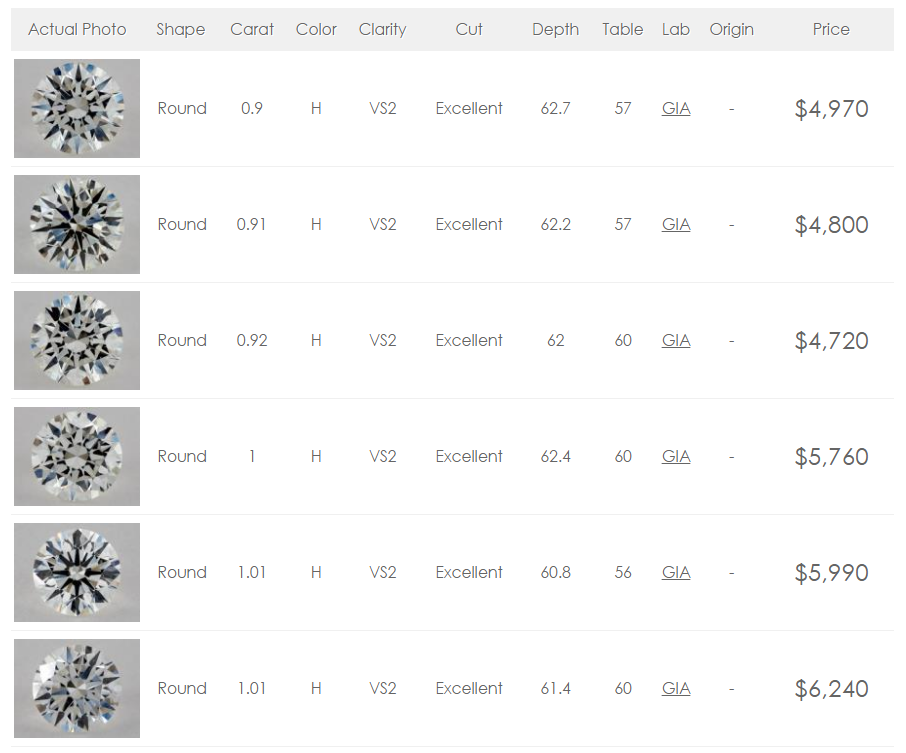
It’s not a scam, but it’s the closest thing to legalized market manipulation outside of the housing market. The $10,000 to $40,000 range for a 2.4 is because carat weight is the least important factor in determining cost per carat. A 2.4-carat diamond is subject to the "magic size" pricing effect. Once a stone crosses 2.0 carats, the price per carat jumps exponentially because the rarity of finding a rough stone that yields a polished 2.4 increases. But within the 2.0–2.4 range, there are so-called "undesirable" weights. For instance, a 2.30 carat might be 15% cheaper per carat than a 2.5 because the 2.5 is seen as the next "magic" benchmark (half of 5). The 2.4 is strategically desirable because it’s the biggest you can get before paying the 2.5 premium.
Furthermore, the variance comes from the grading specifics. A D-color, Flawless, Excellent cut, None fluorescence stone is exceptionally rare—maybe 0.5% of the market. That rarity commands a 4x premium. But here is the dirty internet secret: most people cannot tell the difference between a D color and an F color when set in a platinum or yellow gold setting because the metal reflects back. And most people cannot spot a VS1 inclusion without a gem microscope. You are paying for a certificate’s letters, not the visual experience. So, is it a scam? No, it’s a scarcity-based pricing model that preys on the fear of being judged by a gemologist. You are paying for certainty—which is often not visually necessary.
Can I resell a 2.4 carat diamond for profit later?
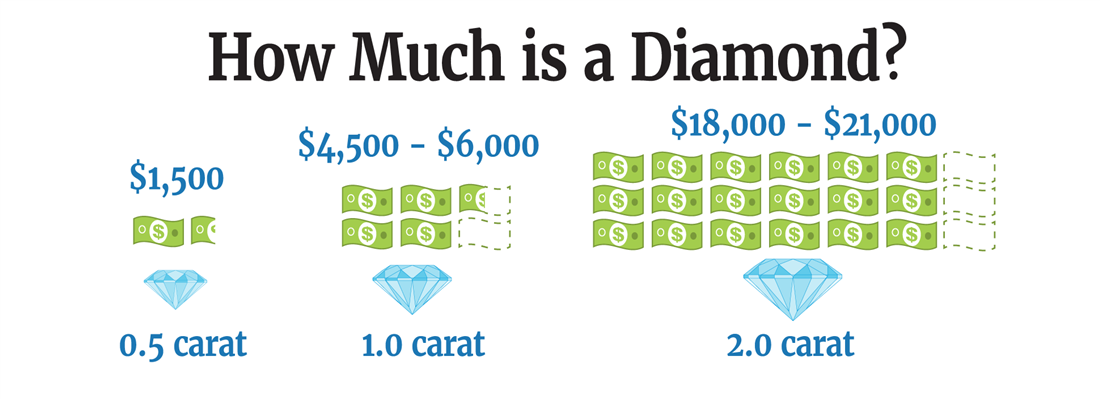
Unless you are a cartel member or have a time machine, absolutely not. This is the myth that won’t die. The second you purchase a mined diamond at retail, its "street value" drops to about 50-70% of what you paid. That $20,000 ring is worth $8,000 to $10,000 the next day. Why? Because jewelers need to make a margin too, and the wholesale buying market—fancy diamond brokers—will only give you wholesale prices, which are a fraction of retail. The "investment" narrative was pushed by De Beers for decades to keep prices high, but a diamond is not a liquid asset. You cannot sell it on a stock exchange; you have to find a private buyer who is willing to pay retail, and that buyer could just go to a store for the same price with a warranty.
For a 2.4 carat specifically, the resale market is even worse because the buyer pool is smaller. People who want a 2-carat are buying new, and people who want a 3-carat are buying new. The used market is for vintage antiques or distressed sales. If you are buying a diamond as a store of value, buy a Rolex or a piece of real estate—or better yet, a S&P 500 index fund. The only way your 2.4 appreciates is if you hold it for 50 years and the world runs out of carbon. The modern advice, echoed by financial influencers everywhere, is to consider the diamond purely an emotional consumption expense. Budget for it, buy it, wear it, and never calculate the ROI. And for the love of all that is holy, if you buy lab-grown, the resale value is basically zero—you are renting the sparkle for the duration of your ownership.
So, is the 2.4-carat diamond a passing fad or a permanent fixture? It’s a permanent fixture in the sense that people will always want shiny things. But the specific obsession with this carat weight is a product of the current "maximalism-lite" trend—where we want to look wealthy but not like we’re wearing our inheritance. The shift towards lab-grown is permanent; the price erosion there is irreversible. In five years, a 2.4 carat lab diamond will likely cost as much as a pair of designer sneakers. This democratization of bling is a permanent cultural shift, forcing mined diamond giants to pivot to marketing "eternity" and "legacy" rather than just "sparkle."
Ultimately, the worth of a 2.4-carat diamond is a mirror reflecting our own anxieties about status, scarcity, and social performance. It’s a conversation starter, a soft-power flex, and a beautiful piece of jewelry. But it’s not an asset. The modern, zeitgeist-aware buyer knows that value is what you make of it—and that the true luxury is having the financial liquidity to buy a rock without checking your bank balance first. So, buy the 2.4, wear the 2.4, and let the haters in the comments argue about the 10x magnification. Just make sure you can still afford the avocado toast afterward.