How Much Do You Need To Feed A Kitten

There’s almost nothing more delightful—or more chaotic—than bringing a tiny fur missile of a kitten into your home. Those needle-sharp claws, the unhinged 3 a.m. zoomies, and that tiny, rumbling purr make us fall head over heels. But once the cuteness fog lifts, a very practical, very urgent question hits: how much do you actually feed this little monster? Getting it wrong can mean a chubby, lethargic couch potato or a scrawny, hangry gremlin, so let’s get down to the nitty-gritty of kitten cuisine.
Proper feeding is the single most important job you have in those first twelve months. Kittens grow at an absurd rate, doubling or tripling their birth weight in just a few weeks, and that rapid growth demands a rocket-fuel of calories and nutrients. Unlike adult cats who mostly need maintenance, a kitten needs energy for bone development, brain function, and immune system strength. Feeding correctly isn’t just about filling a bowl—it’s about building a healthy adult cat who avoids diabetes, joint issues, and a lifetime of begging at the dinner table.
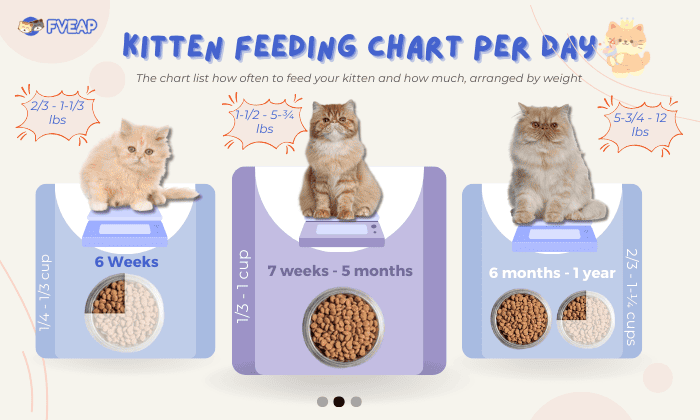
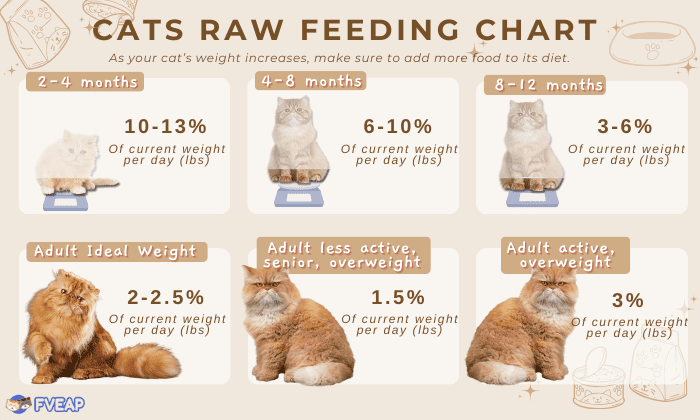
So, what does the daily math look like? As a general rule, a kitten needs about 200 to 250 calories per day for every 5 pounds of body weight—but that number shifts week by week. For a typical 8-to-12-week-old, that translates to roughly ½ to ¾ cup of high-quality dry kitten food, split into three or four meals. If you’re using wet food (which is great for hydration), a 3-ounce can per meal, three times a day, works perfectly. Never feed adult cat food, because it lacks the extra protein, taurine, and DHA that a growing brain and eyes desperately need.
Must Read
Now, let’s talk about real-life application, because kittens are not lab rats. You’ll notice your little lion acts like a starved desert survivor five minutes after eating—that’s normal. The best approach is scheduled meals, not free-feeding, especially after four months, to prevent obesity and picky eating. For the first six months, divide daily portions into three or four small meals. After six months, drop to two meals a day, and always leave fresh water out—kittens are notoriously bad at remembering to drink, so a pet fountain can be a game-changer.

Here’s where most owners mess up: they eyeball the portion and end up overfeeding. A great trick is to read the package’s feeding chart and then reduce it by 20%—because those charts assume a very active outdoor kitten, not your indoor couch-surfing buddy. Another tip: weigh your kitten weekly on a kitchen scale. If they’re gaining about 1 to 1.5 ounces per day, you’re right on track. If they’re ballooning like a grapefruit, cut back; if they’re a little toothpick, add a few extra tablespoons.
Finally, don’t be afraid to get creative with feeding time. Use a puzzle feeder or a slow-feeder bowl to turn mealtime into a brain game—kittens love the challenge and it slows down gulping. At around nine months, you can start transitioning to a high-quality adult food, but do it gradually over a week to avoid stomach upsets. And remember: treats should never make up more than 10% of their daily calories, no matter how much those big eyes beg. Your kitten’s future of healthy leaps, clean teeth, and a shiny coat is literally built bite by bite, so measure, schedule, and enjoy the delicious chaos of raising a tiny tiger.
:max_bytes(150000):strip_icc()/Kitten-Feeding-Schedule-How-Much-to-Feed-Your-Growing-Kitten-b19b7f9223d64d2c9b4a040130eca3ca.png)