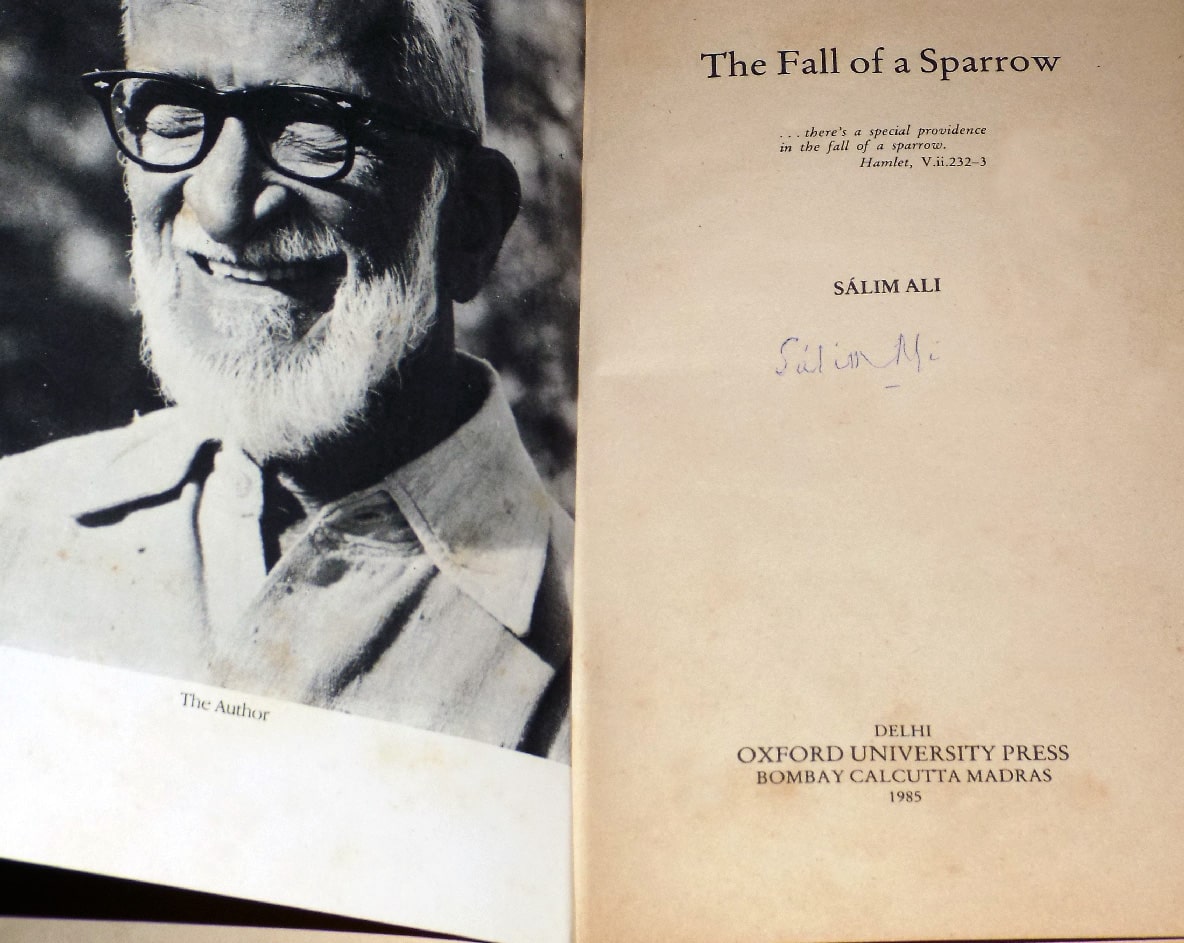
Fall Of A Sparrow Salim Ali Summary

I once spent an entire afternoon trying to coax a grumpy, half-blind mynah into eating from my hand. It was a pointless, glorious failure—the bird simply glared at me, ruffled its feathers, and flew off the moment I blinked. But in that moment of utter foolishness, I understood something: birds don’t care about your plans, your timelines, or your ego. And that, my friends, is exactly the kind of humble, hilarious perspective that Salim Ali carried with him his whole life.
His autobiography, Fall of a Sparrow, isn’t really a bird guide, nor is it a dry memoir of a scientist. It’s a rambling, affectionate, and sometimes brutally honest account of a man who stumbled into ornithology by accident—and then became its undisputed king in India. (Honestly, the title alone is a hint: it’s about the moment a single, ordinary bird falls, and how that tiny event can change everything.)
The Boy Who Shot First, Asked Questions Later
Picture this: a nine-year-old kid in colonial India, bored out of his skull, with a new air gun in his hands. He spots a yellow-throated sparrow in the garden, shoots it, and watches it tumble down. Most of us would feel a twinge of guilt—but young Salim didn’t. Instead, he picked up the warm body and thought, “Who are you? What’s your name?”
Must Read
That single dead sparrow became the spark for a lifelong obsession. He took it to the Bombay Natural History Society, where some kindly (or very patient) soul told him it was a “Yellow-throated Sparrow.” And just like that, a hunter turned into a protector. I love this bit—it’s the perfect reminder that even we, with our mediocre aim, can accidentally stumble into a calling.
From Dropout to Bird Detective
Ali wasn’t a model student. He dropped out of college, failed at business, and even tried his hand at coal mining (yes, really). His family probably thought he was a lost cause. But he had one stubborn skill: he could watch birds for hours and remember every tiny detail about their movements, calls, and feathers—like a detective with a really niche obsession.

He turned this obsession into a profession when nobody else was doing it. In the 1930s, he decided to survey the birds of the Indian subcontinent, traveling by bicycle, bullock cart, and sheer audacity. Imagine the heat, the dust, the endless cups of chai—and the man just sitting there with binoculars, counting sparrows and swifts. (Side note: I get tired just thinking about his travel schedule, and I’m pretty sure he never once complained about leg cramps.)
The Big Irony: A “Hobby” That Saved a Science
Here’s the twist that makes this book so delicious: Salim Ali was self-taught. He wasn’t a university professor with a fancy lab. He learned by watching, failing, correcting, and watching again. And in doing so, he turned a “hobby” into a serious ecological movement in India, long before “biodiversity” became a buzzword for corporate meetings.

He wrote ten volumes of the Handbook of the Birds of India and Pakistan—a work so detailed that it’s still the bible for birders today. But he didn’t just count birds; he connected them to the bigger picture. He showed that if you save a swamp, you save the storks; if you save the storks, you save the farmers’ fields from pests. Everything is tangled together, and he taught us to see those threads.
The irony is delicious: a man who once killed a sparrow for fun ended up fighting tooth and nail to protect every single one. He became known as the “Birdman of India”—a title he wore with a shrug, because he never cared for fame. He just cared for the next bird, the next wetland, the next stubborn detail.

What the Sparrow’s Fall Teaches Us
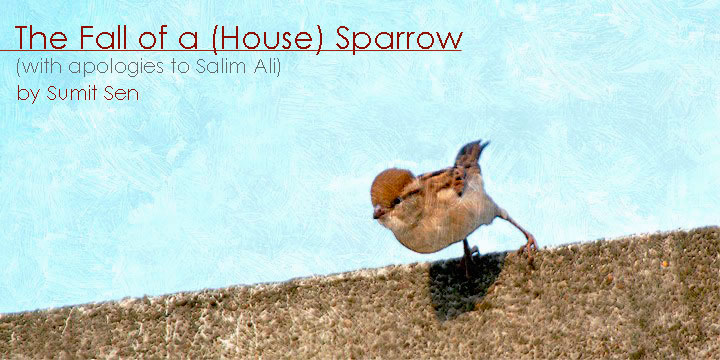
Reading Fall of a Sparrow today, you can’t help but feel a pang of nostalgia for a world that’s slipping away. Ali describes countless birds that are now rare or extinct in urban India—the house sparrow being the most heartbreaking example. That little bird he shot as a boy? It’s now struggling to survive in the very cities built over its habitat.
But the book isn’t a dirge. It’s a celebration of curiosity. Ali never lost his wonder—whether he was watching a tiny sunbird hover over a flower or a majestic eagle ride a thermal. He reminds us that we don’t need to be scientists to be naturalists; we just need to look and ask stupid questions.

Why You Should Read It (Even If You Hate Birds)
Honestly, I expected this book to be a snooze-fest of Latin names and migration charts. But it’s the opposite—it’s full of dry wit, funny anecdotes about eccentric British officials, and quiet moments of awe. Ali writes about his own failures with a lovely, self-deprecating humor. (You’ll laugh when he describes getting lost in a forest for hours, only to realize the bird he was chasing was behind him all along).
And here’s the kicker: this book is not really about birds. It’s about finding your purpose in an unexpected place, and then stubbornly, lovingly, dedicating your life to it. It’s about realizing that a small, ordinary thing—a fallen sparrow—can become the root of a whole forest of meaning.
So, my advice? Pick up a copy, sit on your porch, and watch the pigeons for a while. You might feel foolish at first, but then—just like Salim Ali—you’ll start noticing the rhythm. The flutter, the tilt of a head, the inexplicable audacity of a crow. And you’ll thank that old, stubborn birdman for teaching you to see the world a little differently. (And hey, if you ever shoot a sparrow—please don’t. But if you do, at least learn its name.)

![Dr.salim ali[1] | PPTX](https://image.slidesharecdn.com/dr-190622120136/75/Dr-salim-ali-1-22-2048.jpg)