How Much Do Surveillance Cameras Cost

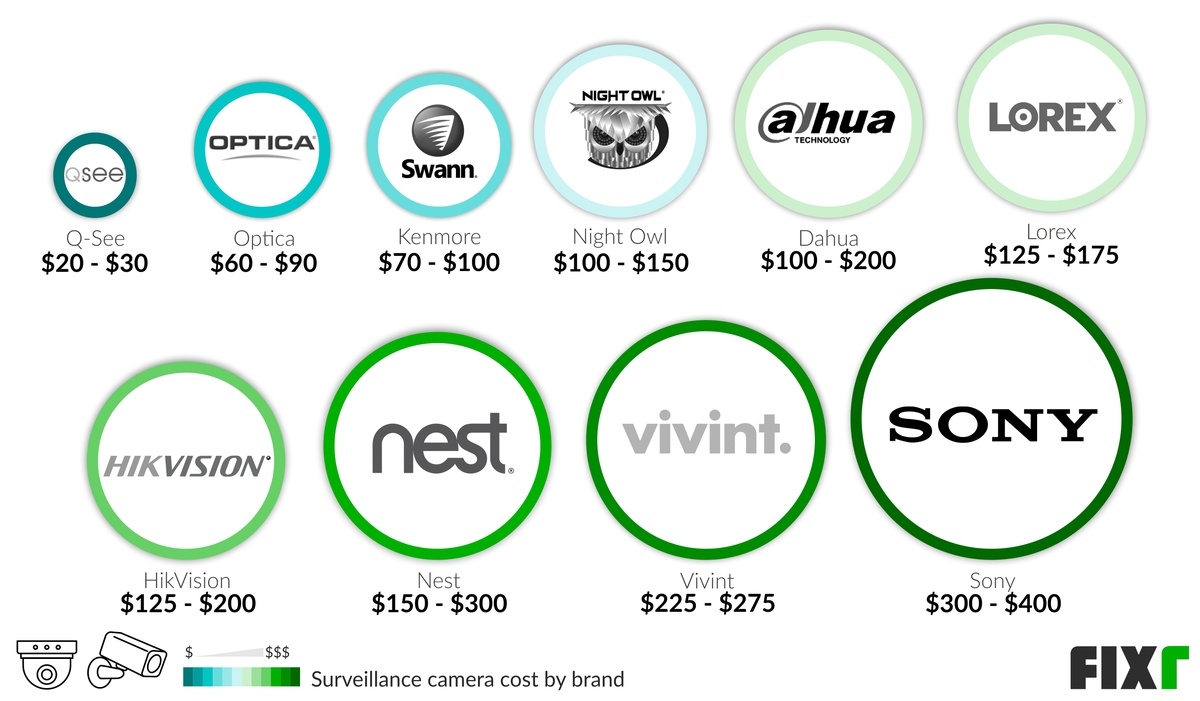
Ever wonder what it actually costs to keep an eye on your front porch, your baby’s nursery, or your neighborhood street? You might be surprised to learn that the price range is wilder than a roller coaster—from a mere $20 gadget to a full-blown $2,000 enterprise system. Whether you’re a nosy neighbor, a paranoid pet parent, or a small business owner, knowing the real numbers saves you from both sticker shock and security gaps. Let’s break down the dollars and cents of surveillance without the boring sales pitch.
The Budget Bunch: Under $100
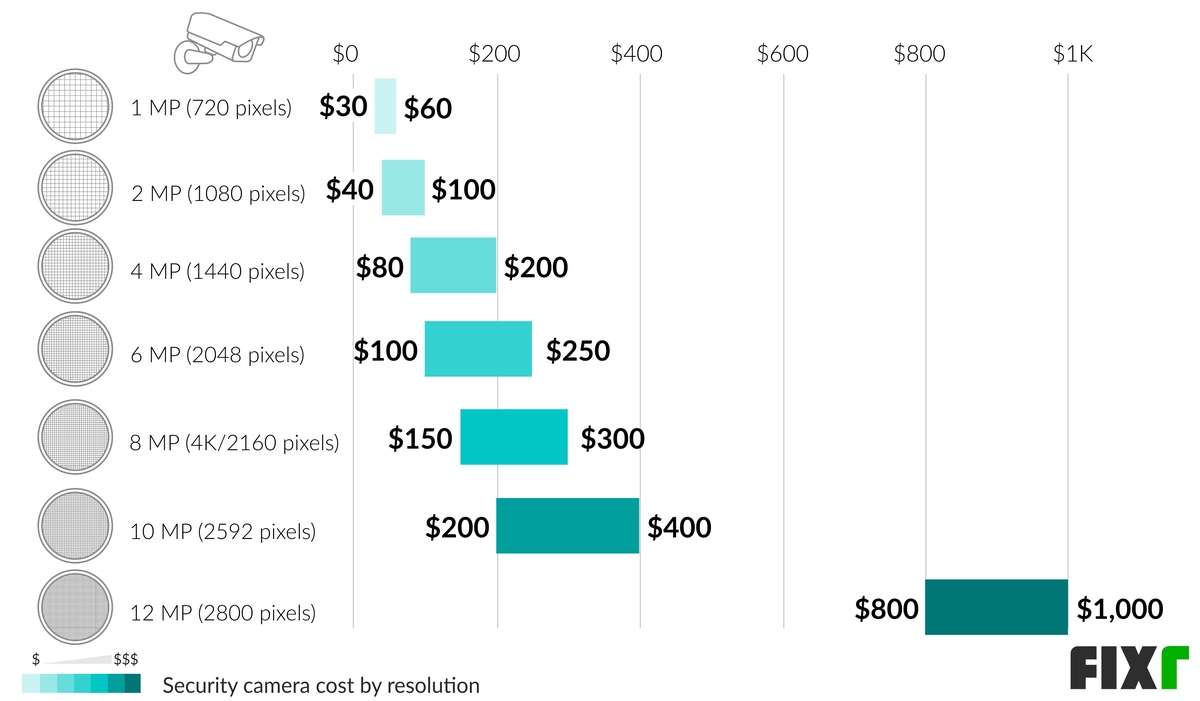
Yes, you can buy a working camera for less than the cost of a family pizza dinner. These are usually standalone Wi-Fi cams from brands like Wyze or Blink, and they’re perfect for casual indoor checks. Don’t expect Hollywood-level clarity—you’ll get 1080p video, night vision, and motion alerts, which is plenty for a dorm room or an apartment.
The catch? Cheap cameras often require a subscription for cloud storage, adding $3 to $10 per month. If you skip the subscription, you’ll rely on a microSD card, which you’ll have to buy separately for about $10 to $15. So the “true” cost of a budget camera is often closer to $40 to $60 in the first year.
Must Read
The Sweet Spot: $100 to $300
This is where the magic happens for most homeowners. You get 2K or 4K resolution, better motion detection, and weatherproofing for outdoor use. Think of brands like Ring, Arlo, or Eufy—these are the workhorses of porch pirates and package thieves.
The best value isn’t the cheapest camera, but the one you actually check. A clear, reliable feed beats 50 grainy screenshots every time.
At this price, you might also get free local storage or basic cloud storage without a monthly fee. A single camera in this range costs between $120 and $250, but you’ll often find bundles with two or three cameras for under $300. That’s a steal for full front-and-back coverage, plus you avoid the “subscription fatigue” that drains your wallet over time.

The Prosumer Splurge: $300 to $1,000
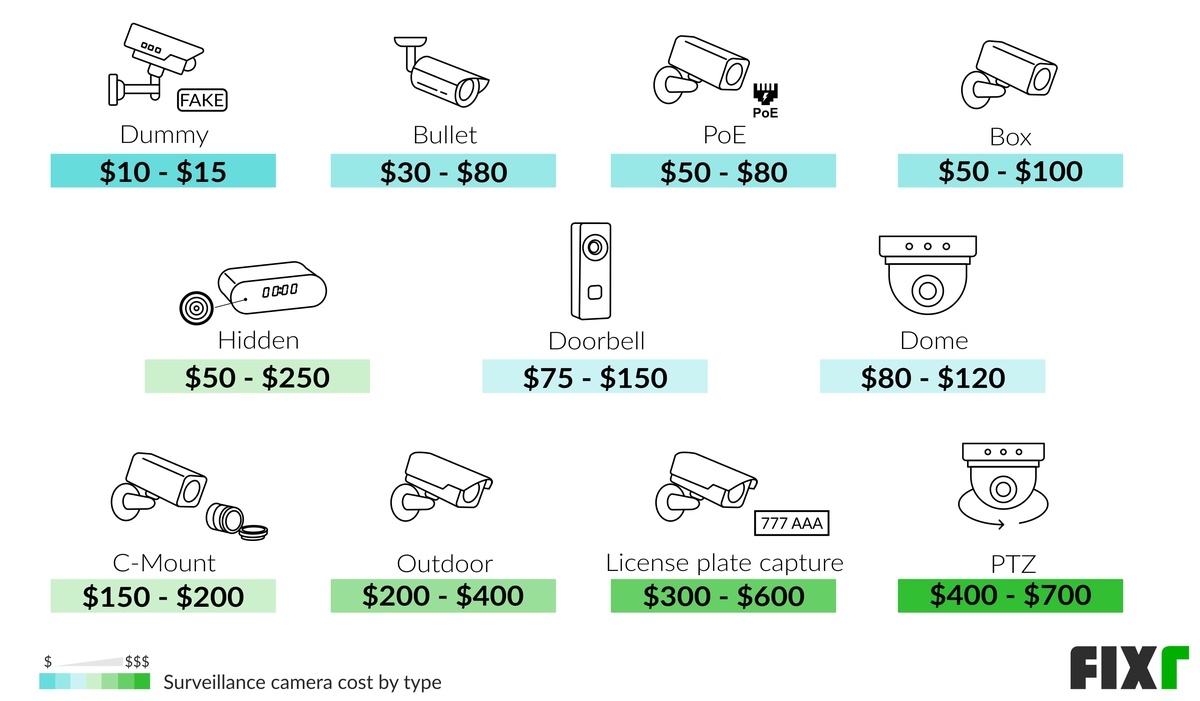
Here’s where you get serious tech like pan-tilt-zoom (PTZ) functionality, color night vision, and AI that can tell a person from a raccoon. These are perfect for large driveways, barns, or multi-story homes where you need to swivel and zoom from your phone. Brands like Reolink, Lorex, and some Nest models live in this lane.
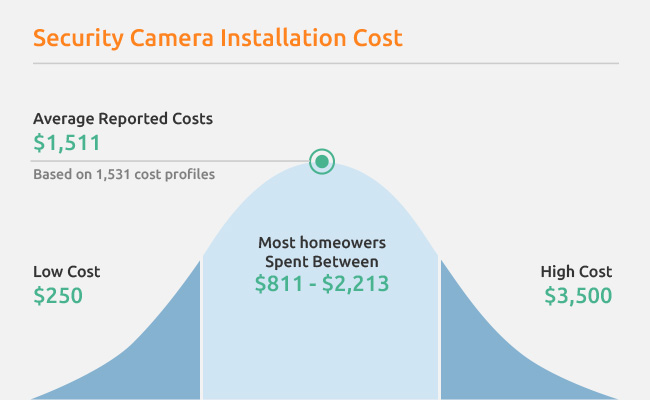
Installation often matters more than the hardware at this tier. If you hire a professional to install four wired cameras, expect labor costs of $200 to $500 on top of the gear. Do it yourself, and you’ll save money but spend a Saturday drilling holes and fishing cables through walls—worth it for some, a nightmare for others.
The Enterprise Heavyweight: $1,000 and Beyond
This is the realm of full commercial systems with 16 cameras, miles of Ethernet cable, and a dedicated network video recorder (NVR). You’re paying for reliability, 24/7 recording, and advanced license plate recognition—not just a cute doorbell. Businesses and large homes with serious security needs typically spend between $1,500 and $5,000 installed.
Don’t forget the hidden costs: higher-end systems often require professional network setup, and you might need a separate power source or PoE (Power over Ethernet) switch. The monthly cost of storing 30 days of 4K footage on a cloud service can hit $50 to $100 per month. That’s a serious commitment, but so is protecting a warehouse full of inventory.
The Real Deal: Ongoing Costs You Forget
Regardless of your budget, remember that electricity isn’t free. A typical camera draws 5 to 10 watts, so running five cameras 24/7 adds about $4 to $8 to your monthly electric bill. Also, batteries in wireless cameras need replacing every 3 to 6 months, and those AAs or rechargeable packs cost $10 to $20 each.
And here’s a spicy tip: cloud subscriptions are the real money pit. A $30 camera can become a $150-per-year expense if you want a week of video history. Compare annual costs before you buy, and always check if your camera supports RTSP or local storage so you can ditch the fees entirely.
So, how much do surveillance cameras actually cost? The honest answer is anywhere from a fast-food meal to a used car. Start with your real threat level: a single smart cam for $50 often beats a $1,500 system you never open the app to check. Buy the best image quality you can afford, budget for a subscription if you need cloud access, and remember that peace of mind has no price tag—but it shouldn’t break the bank either.