How Much Do Financial Advisors Make Per Year

Let's face it, who doesn't want to know how much their favorite professionals make? From doctors to lawyers, and even financial advisors, it's only natural to be curious about the salaries of those who help us navigate the complex world of money. After all, as the saying goes, "money makes the world go round," and financial advisors are the ones who help us make the most of it.
The Numbers Game
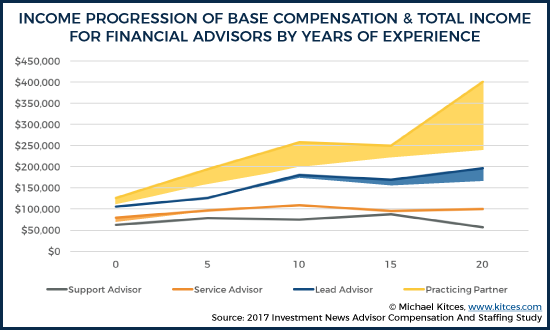
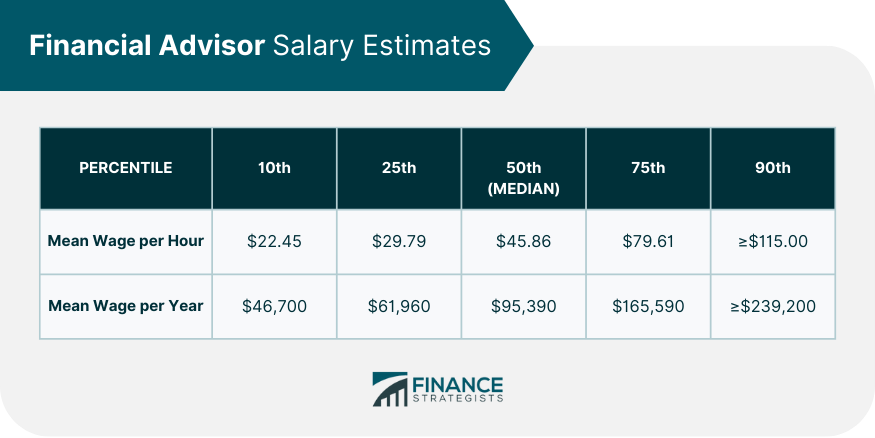
So, how much do financial advisors make per year? The answer varies depending on factors such as location, experience, and type of employer. According to the Bureau of Labor Statistics, the median annual salary for personal financial advisors in the United States is around $94,000, with the top 10% earning upwards of $200,000.
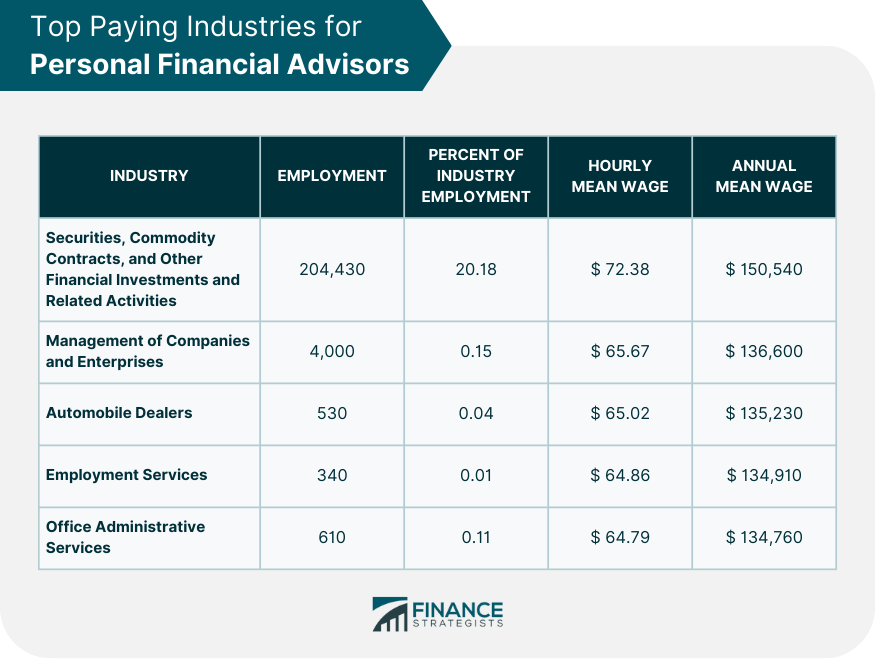
But, as with any profession, there are many variables that can impact a financial advisor's salary. For instance, those working in major cities like New York or Los Angeles tend to earn more than those in smaller towns or rural areas. Additionally, advisors who work for large financial institutions or have their own practices may earn more than those who work for smaller firms or non-profits.
Must Read
Factors That Influence Salary
So, what are some of the key factors that influence a financial advisor's salary? Experience is a big one, with more seasoned advisors tend to earn higher salaries. Education is also important, with many advisors holding advanced degrees such as MBAs or CFPs (Certified Financial Planner). And, of course, location plays a role, with advisors in major cities or financial hubs tend to earn more.
But it's not just about the money, folks. Financial advisors also need to have a deep understanding of the markets, economics, and personal finance, as well as strong communication skills to work with clients. It's a tough job, but someone's gotta do it, and for those who are passionate about helping others achieve their financial goals, it can be a truly rewarding career.
Types of Financial Advisors
Did you know that there are many different types of financial advisors, each with their own unique specialties and areas of expertise? From investment advisors to wealth managers, and even financial planners, there are many different types of advisors out there. And, with the rise of robo-advisors and online financial platforms, the industry is evolving fast.
So, whether you're a seasoned investor or just starting out, there's a financial advisor out there who can help you achieve your goals. And, with the median salary for financial advisors continuing to rise, it's a great time to consider a career in this field. As the old saying goes, "money can't buy happiness," but it can certainly provide peace of mind and financial security.
Practical Tips
So, if you're interested in becoming a financial advisor, or just want to learn more about the industry, here are a few practical tips to get you started. First, do your research and learn as much as you can about personal finance, investing, and the markets. Second, consider getting certified as a financial advisor, which can help you stand out in a competitive job market. And third, build a strong network of contacts and mentors in the industry, which can help you stay connected and up-to-date on the latest trends and developments.

And, if you're already working with a financial advisor, here are a few tips to help you get the most out of your relationship. First, be honest and open about your financial goals and objectives. Second, ask questions and seek advice whenever you need it. And third, stay informed and up-to-date on the latest market trends and developments, which can help you make informed decisions about your investments.
The Bigger Picture
So, what does it all mean? In the end, the salary of a financial advisor is just one part of a much larger picture. It's about helping people achieve their financial goals, and living a more secure and prosperous life. As the ancient Greek philosopher Aristotle once said, "wealth is evidently not the good we are seeking; for it is merely useful and for the sake of something else."
In other words, money is just a means to an end, not the end itself. And, as we navigate the complexities of modern life, it's easy to get caught up in the daily grind and lose sight of what's truly important. But, with the help of a financial advisor, we can take control of our finances, achieve our goals, and live a more fulfilling life.
So, the next time you meet with your financial advisor, remember that they're not just helping you manage your money, they're helping you build a better life. And, who knows, you might just learn something new and interesting along the way. After all, as the saying goes, "knowledge is power," and when it comes to your finances, it's especially true.
In reflection, the world of finance may seem complex and intimidating at times, but with the right guidance and support, it can also be a powerful tool for achieving our goals and living a more prosperous life. So, the next time you think about money, remember that it's not just about the numbers, it's about the people and the lives that are impacted by it. And, who knows, you might just find a new appreciation for the work that financial advisors do, and the important role they play in helping us navigate the complex world of finance.