How To Improve Information Security

Let’s be honest: “information security” sounds about as thrilling as watching paint dry on a firewall. But underneath the jargon lies a surprisingly creative puzzle—one that’s part detective work, part interior design for your digital life. Think of it as decluttering your mind while building a moat around your favorite things.
For artists, hobbyists, and casual learners, the payoff is immediate and personal. You protect your unpublished sketches, your rare recipe collection, or that novel you’ve been drafting on your laptop since 2019. Your creative output is a treasure, and securing it means you never lose your work to a ransomware tantrum or a phishing scam that looks suspiciously like your bank.
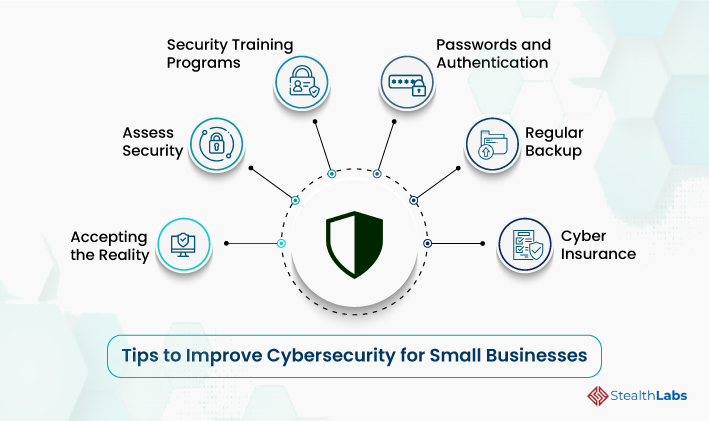
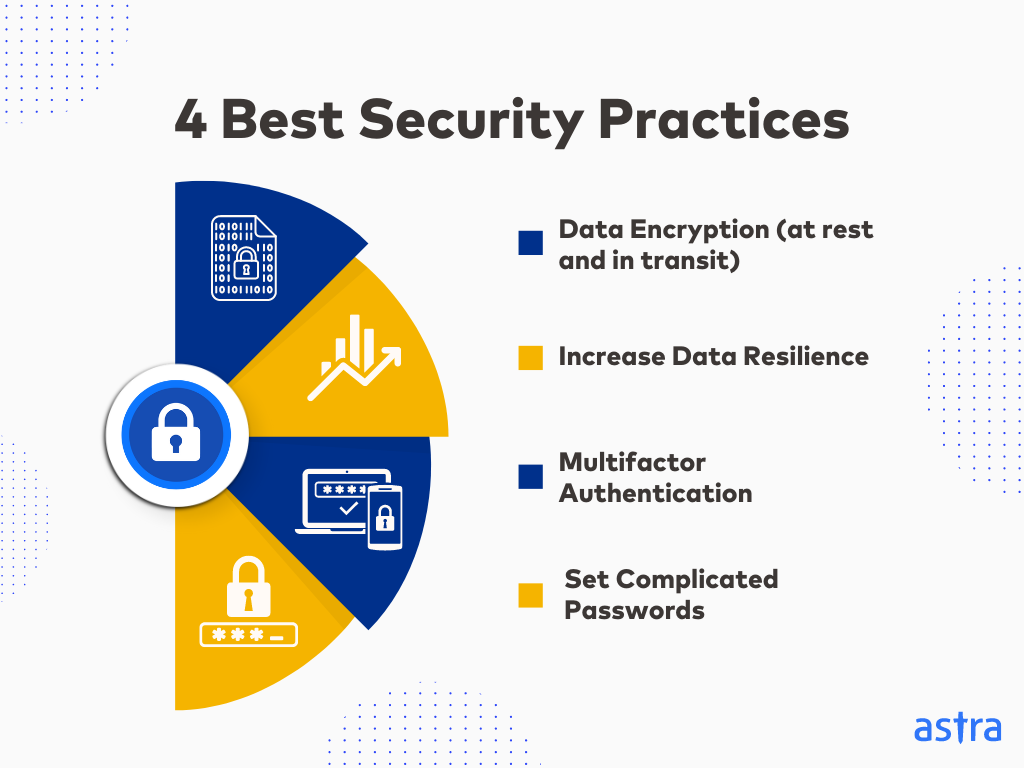
The best part? You don’t need a degree in cryptography to start. Begin with the “three-layer cake” approach: use a password manager (think of it as a digital junk drawer), turn on two-factor authentication (a second lock on the door), and update your software (like changing the oil in a car). These three moves alone block 90% of amateur hackers.
Must Read
Now, let’s talk styles and variations. For the minimalist, try password phrases—long, silly sentences like “PurpleGiraffeDancesOnTuesdays!”—which are harder to crack than short, complex ones. For the visual thinker, create a “phishing spidey-sense” by spotting fake emails: check the sender’s address, hover over links, and look for urgency. Even a casual learner can turn this into a game: “Scam or Not?” with friends over coffee.
For the home tinkerer, start with one device. Turn on your phone’s automatic backups and set a screen lock that isn’t just four numbers (use a pattern or your fingerprint). Next, secure your Wi-Fi by renaming it to something boring—never your name or address—and set a strong router password. Finally, back up your photos to two places: one cloud, one external drive. That’s it. You’re now 80% safer than your neighbor who still uses “password123.”

Want to level up? Try a “security snack” each week—like clearing your browser cookies or checking which apps have access to your camera. Or create a “burner email” for newsletters and free trials, keeping your primary inbox clean. For a fun challenge, time yourself to see how fast you can recover a lost password using your backup codes. It’s like a fire drill, but for your digital life.
Here’s the secret: this isn’t about paranoia—it’s about freedom. When you know your data is safe, you can click, create, and explore without that nagging dread in the back of your mind. You’ll sleep better knowing your holiday photos, your poetry, or your tax documents aren’t floating around in a hacker’s bargain bin.
And honestly, there’s a quiet joy in mastering the small rituals. It’s the satisfaction of a locked door, the relief of a clean desk, the smug glow of knowing you outfoxed a scammer who tried to email you about an “expired Netflix account.” You’ll start seeing security as a creative act—designing your own personal fortress, one silly passphrase at a time.
So grab a cup of tea, pick one tip, and try it tonight. You might find that protecting your digital world feels less like a chore and more like a hobby—one with immediate, invisible rewards. After all, the best security is the kind you never think about because it just works, leaving you free to do what you love.