How Much Can You Get By Donating Plasma

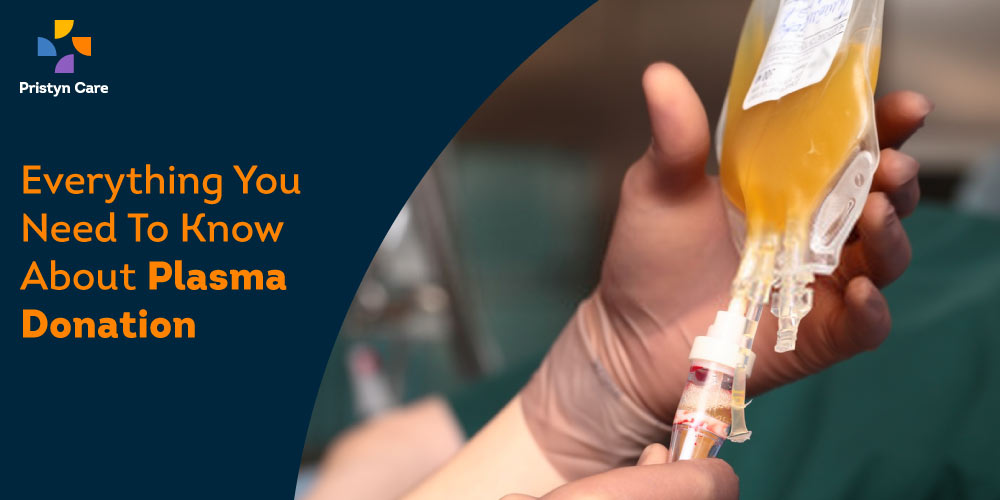
Donating plasma is a rewarding and financially beneficial way to contribute to the medical community, but have you ever wondered how much you can actually get by doing so? The answer lies in the science of plasma donation, where plasma is the liquid portion of blood that contains vital proteins and antibodies used to create life-saving therapies. To maximize your earnings, it's essential to understand the biological process behind plasma donation and how it affects your body.
The process of donating plasma involves plasmapheresis, where your blood is drawn, and the plasma is separated from the other blood components. The plasma is then collected, while the remaining blood components are returned to your body. This process can be done up to 2 times within a 7-day period, with at least 48 hours in between donations. The amount of plasma you can donate depends on your weight and hematocrit levels, which determine the volume of plasma that can be safely collected.
To give you a better idea of the potential earnings, the amount of plasma donated is typically measured in liters, with the average donation ranging from 600 to 800 milliliters. The frequency and amount of donations allowed vary by country and donation center, but most centers follow the guidelines set by the US Food and Drug Administration (FDA). By understanding these guidelines and optimizing your donation schedule, you can increase your earnings and make a more significant contribution to the medical community.
Must Read
Understanding the Biology of Plasma Donation
The biological process of plasma donation is complex and involves the coagulation cascade, where platelets and coagulation factors work together to prevent excessive bleeding. During plasmapheresis, the anticoagulant citrate is added to the blood to prevent clotting and allow for the safe separation of plasma. The plasma collected is then tested for infectious diseases such as HIV, hepatitis, and syphilis, to ensure the safety of the donated plasma.
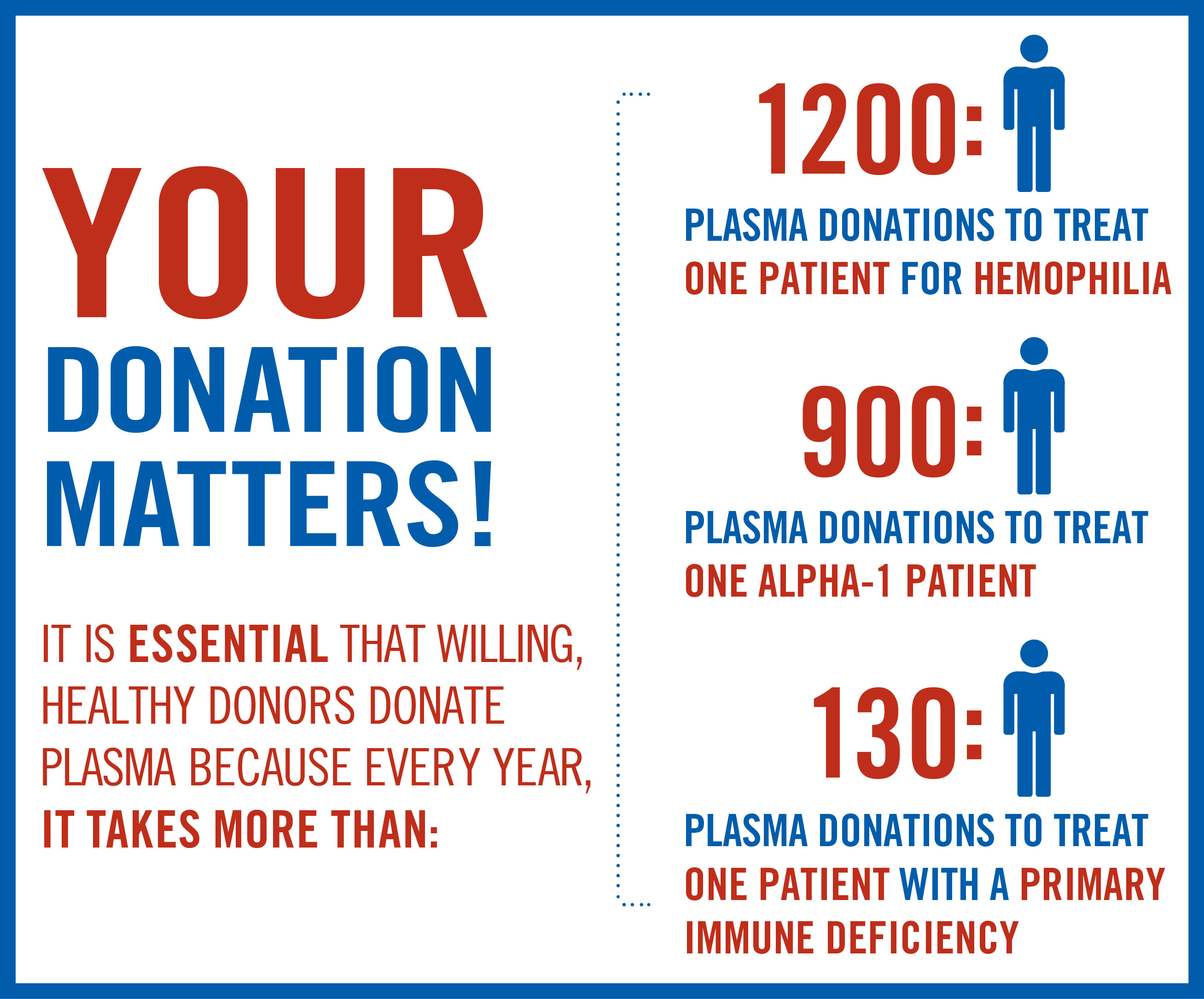
The immune system also plays a crucial role in plasma donation, as the antibodies present in plasma help to fight infections and diseases. The immunoglobulins in plasma are used to create life-saving therapies for patients with immune system disorders such as primary immunodeficiency diseases. By donating plasma, you are contributing to the creation of these therapies, which can significantly improve the lives of patients worldwide.
In addition to the biological process, it's essential to consider the physiological effects of plasma donation on the human body. Donating plasma can cause temporary side effects such as dizziness, fatigue, and nausea, which are usually mild and short-lived. However, some donors may experience more severe side effects, such as anemia or low blood pressure, which can be mitigated by following the recommended donation schedule and guidelines.
Optimizing Your Plasma Donations
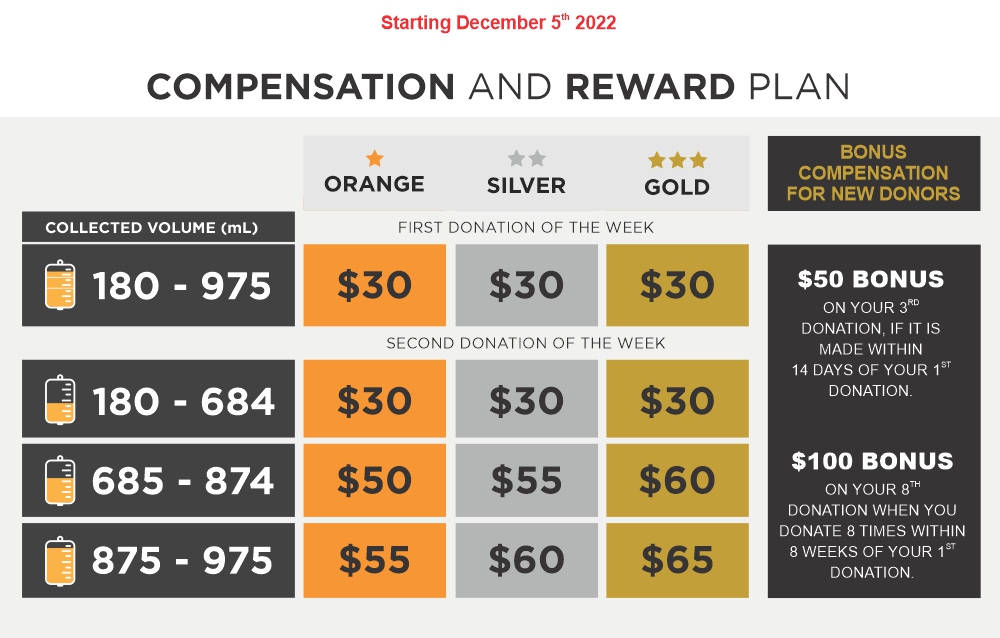
To maximize your earnings, it's crucial to optimize your donation schedule and choose the right donation center. Research local donation centers and their corresponding compensation rates to ensure you're getting the best possible payment for your donations. Some centers may offer higher compensation for first-time donors or frequent donors, so it's essential to explore these options.
Another strategy is to donate during peak periods, such as holidays or summer vacations, when donation centers often offer bonus payments or incentives to attract more donors. You can also consider donating with a friend or family member, as some centers offer referral fees or discounts for group donations.
In addition to optimizing your donation schedule, it's essential to maintain a healthy lifestyle to ensure you're eligible to donate plasma. This includes eating a balanced diet, staying hydrated, and exercising regularly. A healthy lifestyle will not only improve your overall well-being but also increase your chances of being eligible to donate plasma and maximize your earnings.
Finally, consider keeping track of your donations and monitoring your earnings to ensure you're getting the most out of your plasma donations. You can use a donation log or mobile app to track your donations, earnings, and eligibility to donate. By staying organized and informed, you can optimize your plasma donations and make a more significant contribution to the medical community.

Frequently Asked Questions
What are the eligibility criteria for donating plasma?
The eligibility criteria for donating plasma vary by country and donation center, but most centers follow the guidelines set by the US Food and Drug Administration (FDA). To be eligible to donate plasma, you must be at least 18 years old, weigh at least 110 pounds, and meet certain medical criteria, such as having a normal blood pressure and hematocrit levels. You will also be required to undergo a medical examination and provide medical history to ensure you're eligible to donate.
In addition to the basic eligibility criteria, some donation centers may have additional requirements, such as proof of residency or social security number. It's essential to check with your local donation center for specific eligibility criteria and requirements. By understanding the eligibility criteria, you can ensure you're eligible to donate plasma and maximize your earnings.
How often can I donate plasma?
The frequency of plasma donations varies by country and donation center, but most centers follow the guidelines set by the US Food and Drug Administration (FDA). In the United States, you can donate plasma up to 2 times within a 7-day period, with at least 48 hours in between donations. However, some donation centers may have more frequent donation schedules, such as 3 times within a 7-day period, depending on their specific guidelines and regulations.
It's essential to follow the recommended donation schedule to ensure your safety and the quality of the donated plasma. Donating too frequently can lead to adverse effects such as anemia or low blood pressure, which can be mitigated by following the recommended donation schedule and guidelines. By understanding the donation frequency, you can optimize your plasma donations and make a more significant contribution to the medical community.
What are the potential risks and side effects of donating plasma?
Donating plasma is generally a safe process, but there are potential risks and side effects to consider. Common side effects include dizziness, fatigue, and nausea, which are usually mild and short-lived. However, some donors may experience more severe side effects, such as anemia or low blood pressure, which can be mitigated by following the recommended donation schedule and guidelines.
In rare cases, donors may experience adverse reactions such as allergic reactions or citrate reactions, which can be treated promptly by medical staff. It's essential to report any side effects or concerns to the donation center staff to ensure your safety and the quality of the donated plasma. By understanding the potential risks and side effects, you can take necessary precautions and make informed decisions about your plasma donations.
How much can I earn by donating plasma?
The amount you can earn by donating plasma varies by donation center and location, but most centers offer compensation rates ranging from $20 to $50 per donation. Some centers may offer higher compensation rates for first-time donors or frequent donors, so it's essential to research local donation centers and their corresponding compensation rates.
In addition to the basic compensation rate, some donation centers may offer bonuses or

Can I donate plasma if I have a medical condition?
The eligibility criteria for donating plasma vary by country and donation center, but most centers follow the guidelines set by the US Food and Drug Administration (FDA). If you have a medical condition, you may be eligible to donate plasma, but you will need to undergo a medical examination and provide medical history to ensure you're eligible to donate.
Some medical conditions, such as diabetes or high blood pressure, may require special consideration or medical clearance before donating plasma. It's essential to check with your local donation center for specific eligibility criteria and requirements. By understanding the eligibility criteria, you can ensure you're eligible to donate plasma and maximize your earnings.
By respecting the science behind plasma donation, we can become more efficient and responsible donors. Understanding the biological process and physiological effects of plasma donation allows us to optimize our donations and make a more significant contribution to the medical community. By taking the necessary precautions and following the recommended guidelines, we can minimize the risks and side effects associated with plasma donation and ensure a safe and successful donation experience.
In conclusion, donating plasma is a rewarding and financially beneficial way to contribute to the medical community. By understanding the science behind plasma donation and optimizing our donations, we can make a more significant impact and improve the lives of patients worldwide. Whether you're a first-time donor or a frequent donor, respecting the science behind plasma donation is essential to ensuring a safe and successful donation experience. By embracing the science of plasma donation, we can become better, more efficient humans, and make a positive difference in the world.