Why Do People Cry During Sex
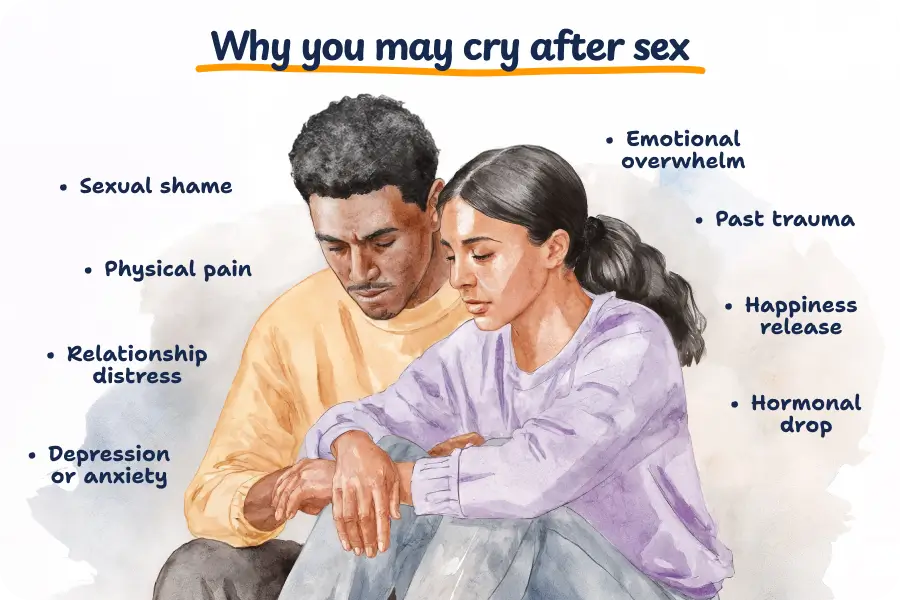
The phenomenon of crying during sex is more common than one might think, with studies suggesting that up to 40% of women and 15% of men have experienced it at some point in their lives. But what drives this emotional response, and how can we better understand and manage it? To start, it's essential to recognize that crying during sex is not necessarily a sign of distress or discomfort. In many cases, it can be a natural response to the overwhelming mix of emotional, physical, and psychological stimuli that occur during intimacy.
From a biological perspective, crying during sex can be linked to the release of oxytocin and vasopressin, often referred to as the "cuddle hormones." These chemicals play a crucial role in social bonding and attachment, and their release during sex can trigger a strong emotional response. Additionally, the parasympathetic nervous system, which regulates our body's "rest and digest" functions, can also contribute to the emotional overwhelm that leads to crying.
Another factor to consider is the concept of emotional congruence, which refers to the alignment between our emotional and physical experiences. When we're able to fully let go and be present in the moment, our emotions can become more intense, leading to a release of tears. This can be especially true for individuals who have experienced trauma or anxiety related to sex, as the emotional safety and trust that comes with intimacy can create a sense of catharsis.
Must Read
The Science of Emotional Response
Delving deeper into the science behind crying during sex, it's clear that the brain's reward system plays a significant role. The release of dopamine and endorphins can create a sense of pleasure and euphoria, which can be overwhelming and lead to tears. Furthermore, the limbic system, which processes emotions, can become overactivated during sex, leading to an intense emotional response.
The hormonal fluctuations that occur during sex can also contribute to the emotional response. For example, the release of prolactin after orgasm can lead to feelings of relaxation and reduced stress, which can be accompanied by tears. Additionally, the neurotransmitters such as serotonin and acetylcholine can influence mood and emotional regulation, making it more likely for individuals to experience tears during sex.
The concept of emotional intelligence is also relevant when discussing crying during sex. Individuals with higher emotional intelligence tend to be more aware of their emotions and can better regulate their responses. This self-awareness can help individuals navigate the complex emotional landscape of intimacy and better understand their own emotional needs.

Mastering the Art of Emotional Intimacy
So, how can we master the art of emotional intimacy and make the most of our sexual experiences? One key strategy is to practice self-reflection and develop a deeper understanding of our own emotional needs and desires. This can involve journaling, meditation, or simply taking time to reflect on our experiences and emotions.
Another essential strategy is to communicate openly and honestly with our partners. By sharing our desires, boundaries, and emotional needs, we can create a sense of safety and trust that allows us to fully let go and be present in the moment. This can involve active listening, emotional validation, and a willingness to be vulnerable.
In addition to self-reflection and communication, practicing mindfulness can also help us navigate the emotional complexities of intimacy. By being present in the moment and fully engaging with our senses, we can create a sense of emotional congruence and reduce the likelihood of emotional overwhelm. This can involve focus on breath, body awareness, or simply being present with our partner.
Finally, embracing emotional release can be a powerful way to deepen our emotional intimacy and create a sense of catharsis. By allowing ourselves to fully feel and express our emotions, we can create a sense of emotional safety and trust that can lead to a more fulfilling and satisfying sexual experience. This can involve allowing ourselves to cry, expressing our emotions, or simply being open to the emotional possibilities of intimacy.
:max_bytes(150000):strip_icc()/GettyImages-1062702818-685412ad8d0d4026b572d9929c7d4f2f.jpg)
Frequently Asked Questions
What is the most common reason people cry during sex?
The most common reason people cry during sex is due to the overwhelming mix of emotional, physical, and psychological stimuli that occur during intimacy. This can be triggered by the release of oxytocin and vasopressin, as well as the brain's reward system and hormonal fluctuations. Additionally, emotional congruence and the alignment between our emotional and physical experiences can also contribute to the emotional response.
In many cases, crying during sex can be a natural response to the emotional safety and trust that comes with intimacy. By feeling seen, heard, and validated by our partner, we can create a sense of emotional release and catharsis. This can be especially true for individuals who have experienced trauma or anxiety related to sex, as the emotional safety and trust that comes with intimacy can create a sense of healing and release.
How can I communicate my emotional needs to my partner?
Communicating our emotional needs to our partner can be a challenging but essential part of building emotional intimacy. One key strategy is to practice active listening and create a sense of safety and trust. This can involve validating our partner's emotions, asking open-ended questions, and being present in the moment.
Another essential strategy is to use "I" statements and express our emotions and needs in a clear and non-judgmental way. This can involve identifying our emotions, expressing our needs, and being specific about what we want and need from our partner. By communicating our emotional needs in a clear and respectful way, we can create a sense of emotional safety and trust that can deepen our intimacy and connection.

What are some signs that I'm experiencing emotional overwhelm during sex?
There are several signs that may indicate we're experiencing emotional overwhelm during sex. These can include feeling tearful or choked up, experiencing physical tension or discomfort, or feeling overwhelmed or anxious. Additionally, we may feel like we're "checking out" or disconnecting from our partner or the experience, or feel like we're losing control or unable to regulate our emotions.
If we're experiencing emotional overwhelm during sex, it's essential to take a step back and prioritize our emotional safety and well-being. This can involve communicating with our partner, taking a break, or seeking support from a trusted friend, family member, or mental health professional. By prioritizing our emotional needs and taking care of ourselves, we can create a sense of emotional safety and trust that can deepen our intimacy and connection.
Can crying during sex be a sign of underlying trauma or anxiety?
Yes, crying during sex can be a sign of underlying trauma or anxiety. For individuals who have experienced trauma or anxiety related to sex, the emotional safety and trust that comes with intimacy can create a sense of catharsis and release. However, it's essential to address the underlying trauma or anxiety and seek support from a trusted mental health professional.
By working through our traumatic experiences and developing coping strategies, we can create a sense of emotional safety and trust that can deepen our intimacy and connection. This can involve practicing self-care, seeking support, and developing healthy boundaries that prioritize our emotional well-being. By taking care of ourselves and addressing our underlying trauma or anxiety, we can create a more fulfilling and satisfying sexual experience.

How can I prioritize my emotional safety and well-being during sex?
Prioritizing our emotional safety and well-being during sex is essential for creating a sense of emotional intimacy and connection. One key strategy is to communicate openly and honestly with our partner about our emotional needs and boundaries. This can involve discussing our desires, expressing our emotions, and being specific about what we want and need from our partner.
Another essential strategy is to practice self-care and prioritize our emotional well-being. This can involve engaging in activities that bring us joy, practicing mindfulness, and seeking support from trusted friends, family members, or mental health professionals. By prioritizing our emotional safety and well-being, we can create a sense of emotional safety and trust that can deepen our intimacy and connection.
By respecting the science behind crying during sex, we can create a deeper understanding of our own emotional needs and desires. This can involve embracing our emotions, practicing self-reflection, and communicating openly and honestly with our partner. By prioritizing our emotional safety and well-being, we can create a sense of emotional intimacy and connection that can lead to a more fulfilling and satisfying sexual experience.
Ultimately, crying during sex is a natural and normal response to the emotional, physical, and psychological stimuli that occur during intimacy. By understanding the science behind this phenomenon and prioritizing our emotional safety and well-being, we can create a sense of emotional intimacy and connection that can deepen our relationships and improve our overall well-being. By being open to the emotional possibilities of intimacy and practicing self-care, we can create a more fulfilling and satisfying sexual experience that prioritizes our emotional needs and desires.