How Much Caffeine In Folgers Medium Roast

When it comes to starting your day off right, there's nothing quite like a freshly brewed cup of coffee. For many of us, that coffee comes in the form of Folgers Medium Roast, a classic American brand that has been a staple in kitchens for generations. But have you ever stopped to think about just how much caffeine is in that cup of joe? It's a question that might seem trivial at first, but understanding the amount of caffeine in your daily coffee habit can have a significant impact on your health, productivity, and overall lifestyle.
The history of Folgers dates back to the mid-1800s, when J.M. Folger started selling coffee in San Francisco. Over the years, the company has evolved and changed hands several times, but one thing has remained constant: the iconic red can of Folgers coffee that has become synonymous with American coffee culture. Today, Folgers is one of the most recognizable brands in the world, and its Medium Roast is a favorite among coffee lovers. But with the rise of specialty coffee and the increasing awareness of caffeine's effects on our bodies, it's more important than ever to understand just how much caffeine we're getting in each cup.
The Caffeine Question
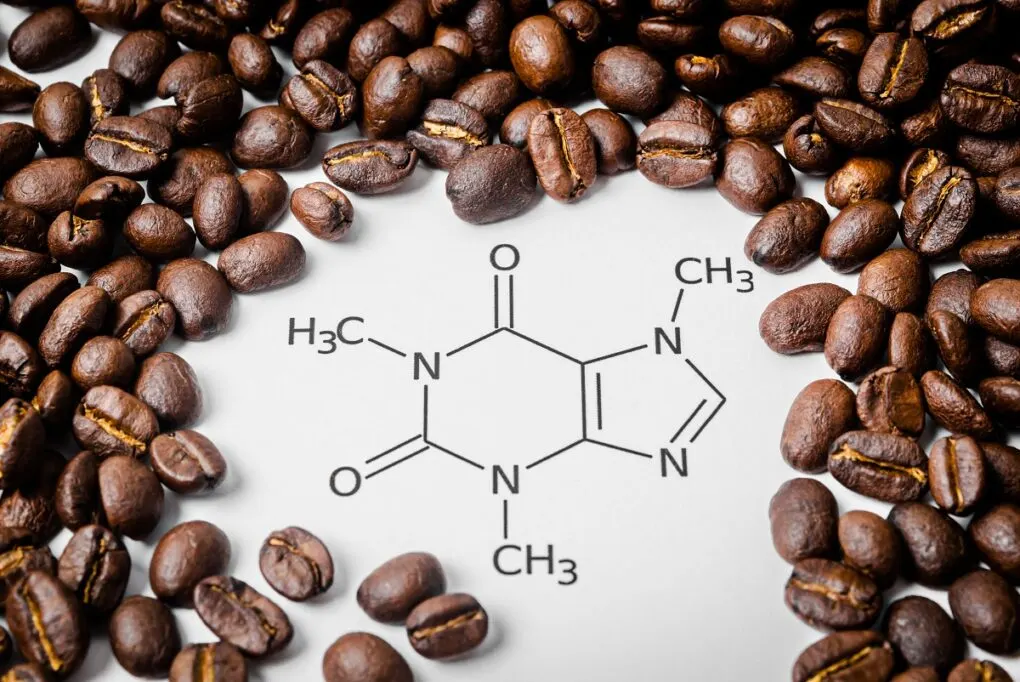
So, how much caffeine is in Folgers Medium Roast, exactly? According to the company's website, an 8-ounce cup of brewed Folgers Medium Roast contains around 60-80 milligrams of caffeine. To put that in perspective, the average adult can safely consume up to 400 milligrams of caffeine per day, which is roughly the equivalent of 3-4 cups of brewed coffee. However, it's worth noting that individual tolerance to caffeine can vary greatly, and some people may experience jitters, anxiety, or an inability to sleep even at relatively low doses.
One of the lesser-known facts about caffeine is that it can have a significant impact on our mental performance and mood. Research has shown that caffeine can improve alertness, focus, and memory, making it a popular choice among students, athletes, and anyone looking to get a boost. However, too much caffeine can have negative effects, such as increased heart rate, blood pressure, and stomach upset. It's a delicate balance, and one that requires a deep understanding of our individual caffeine sensitivities.
Caffeine also has a fascinating cultural impact, particularly in the United States. From the retro-style diners of the 1950s to the modern-day coffee shops that line our city streets, coffee has played a central role in American social life for generations. Whether it's a quick cup on-the-go or a leisurely brunch with friends, coffee has become an integral part of our daily routines and social rituals. And yet, despite its ubiquity, caffeine remains a relatively mysterious substance, with many of us unaware of its potential effects on our bodies and minds.
Real-Life Scenarios
So, how can we apply our knowledge of caffeine to our daily lives? For one, understanding the amount of caffeine in our coffee can help us avoid overdoing it. If you're someone who drinks multiple cups of coffee per day, it's worth considering the cumulative effects of all that caffeine. You might be surprised at just how quickly it can add up, and how it can impact your sleep, mood, and overall well-being.

Another scenario where caffeine knowledge comes in handy is when traveling or working in different time zones. Jet lag can be a real challenge, and caffeine can be a helpful tool in adjusting to new sleep schedules. However, it's also important to be mindful of caffeine's potential to disrupt our natural sleep patterns, particularly when we're already tired or disoriented from travel.
In addition to these scenarios, there are many everyday situations where understanding caffeine can be beneficial. For example, if you're an athlete or engage in regular physical activity, you might be interested to know that caffeine can improve performance and reduce muscle fatigue. On the other hand, if you're pregnant or breastfeeding, you may need to limit your caffeine intake due to its potential effects on fetal development or infant sleep.
Finally, it's worth noting that there are many alternatives to traditional brewed coffee for those looking to reduce their caffeine intake. From decaf coffee to herbal teas, there are plenty of options available that can provide a similar boost without the caffeine. And for those who are sensitive to caffeine or experience negative side effects, there are also many coffee substitutes and alternatives that can provide a similar taste and experience without the caffeine.
Frequently Asked Questions
How Much Caffeine is Too Much?
The amount of caffeine that is considered "too much" can vary greatly from person to person, depending on factors such as body weight, sensitivity, and overall health. As a general rule, the American Academy of Sleep Medicine recommends that adults consume no more than 400 milligrams of caffeine per day, which is roughly the equivalent of 3-4 cups of brewed coffee. However, some people may experience negative effects at much lower doses, so it's always a good idea to be mindful of how caffeine is affecting you and adjust your intake accordingly.

In addition to these general guidelines, there are also certain groups of people who may need to be more careful with their caffeine intake. For example, pregnant or breastfeeding women, children and adolescents, and people with pre-existing medical conditions such as high blood pressure or heart disease may need to limit their caffeine intake due to potential health risks. It's always a good idea to consult with a healthcare professional if you have concerns about your caffeine intake or how it may be affecting your health.
Can I Be Addicted to Caffeine?
Yes, it is possible to become addicted to caffeine. Caffeine is a stimulant that can activate the brain's reward system, releasing feel-good chemicals such as dopamine and creating a sense of pleasure or euphoria. Over time, regular consumption of caffeine can lead to physical dependence, as the body adapts to the constant presence of the stimulant and begins to rely on it to function normally.
Symptoms of caffeine addiction can include headaches, fatigue, irritability, and difficulty concentrating when caffeine is withdrawn. In severe cases, caffeine addiction can also lead to more serious health problems, such as high blood pressure, heart disease, and sleep disorders. If you're concerned about your caffeine intake or think you may be addicted, it's a good idea to talk to a healthcare professional who can help you develop a plan to reduce your caffeine intake and overcome any withdrawal symptoms.
How Does Caffeine Affect My Sleep?
Caffeine can have a significant impact on our sleep patterns, particularly when consumed in large amounts or too close to bedtime. Because caffeine is a stimulant, it can interfere with our ability to fall asleep and reduce the quality of our sleep once we do drift off. This can lead to a range of negative effects, including fatigue, irritability, and difficulty concentrating, as well as more serious health problems such as obesity, diabetes, and cardiovascular disease.

To avoid disrupting your sleep with caffeine, it's a good idea to be mindful of when and how much you're consuming. Try to avoid caffeine for at least 4-6 hours before bedtime, and opt for decaf or half-caf options if you're sensitive to caffeine or have trouble sleeping. You might also consider establishing a relaxing bedtime routine, such as reading a book or taking a warm bath, to help signal to your body that it's time to wind down and prepare for sleep.
Can Caffeine Improve My Athletic Performance?
Yes, caffeine can be a helpful tool for athletes looking to improve their performance. Caffeine can increase alertness, reduce fatigue, and improve muscle contraction force, making it a popular choice among endurance athletes such as distance runners and cyclists. However, it's worth noting that individual results may vary, and caffeine can also have negative effects on athletic performance if consumed in excess.
To get the most out of caffeine for athletic performance, it's a good idea to experiment with different amounts and timing to see what works best for you. You might also consider combining caffeine with other performance-enhancing substances, such as carbohydrates or protein, to help maximize its effects. And as always, be sure to stay hydrated and listen to your body, as caffeine can exacerbate dehydration and other negative effects if not balanced with adequate fluid intake.
Is Decaf Coffee Completely Caffeine-Free?
No, decaf coffee is not completely caffeine-free. While the decaffeination process can remove up to 99% of the caffeine from coffee beans, small amounts of caffeine can still remain. This can be a concern for people who are highly sensitive to caffeine or need to avoid it for medical reasons.

However, it's worth noting that the amount of caffeine in decaf coffee is generally very small, and unlikely to cause problems for most people. If you're concerned about caffeine intake, you might consider opting for Swiss Water Process decaf coffee, which is a chemical-free decaffeination method that can remove up to 99.9% of the caffeine from coffee beans. You could also consider speaking with a healthcare professional or registered dietitian for personalized advice on caffeine intake and decaf coffee options.
Conclusion
In conclusion, understanding the amount of caffeine in Folgers Medium Roast is just the beginning of a larger conversation about caffeine, coffee, and our daily lives. By being mindful of our caffeine intake and its potential effects on our bodies and minds, we can make informed choices about our coffee habits and cultivate a healthier, more balanced lifestyle.
Whether you're a casual coffee drinker or a hardcore caffeine enthusiast, there's no denying the significance of coffee in our culture and daily routines. From the rich aroma that fills our kitchens to the lively conversations that flow over cups of coffee, this beloved beverage has a way of bringing us together and energizing our lives. So the next time you reach for that cup of Folgers, remember the complex and fascinating world of caffeine that lies behind it – and enjoy every sip!
As we wrap up this exploration of caffeine and Folgers Medium Roast, we're reminded that there's always more to learn about the foods and drinks we love. By embracing our curiosity and staying open to new knowledge and experiences, we can deepen our appreciation for the world around us and cultivate a more nuanced understanding of ourselves and our place within it. So go ahead, pour yourself a cup of coffee, and savor the rich flavors and aromas that make life worth living.