How To Keep A Hard Erection

Keeping a hard erection is a topic that has been shrouded in mystery and misconception for centuries. The idea of a strong, steadfast erection has been a benchmark of masculinity, with many men feeling inadequate if they fail to meet this standard. However, the reality is that erectile function is a complex and multifaceted aspect of human sexuality, influenced by a plethora of factors including physical health, psychological well-being, and cultural expectations. As we delve into the world of erectile function, it becomes clear that there is more to the story than meets the eye.
In ancient civilizations, erectile function was often seen as a symbol of power and virility. The Egyptians, for example, believed that the penis was a sacred symbol of fertility and masculinity, while the Greeks and Romans saw it as a reflection of a man's manhood and status. Fast forward to the present day, and it's clear that these cultural expectations still persist. The media and advertising industries perpetuate the idea that a hard erection is the ultimate symbol of masculinity, with pharmaceutical companies capitalizing on this notion to sell erectile dysfunction medications. But what about the reality behind the hype? What does it really take to maintain a hard erection, and why does it matter so much to us today?
The Science Behind the Scenes
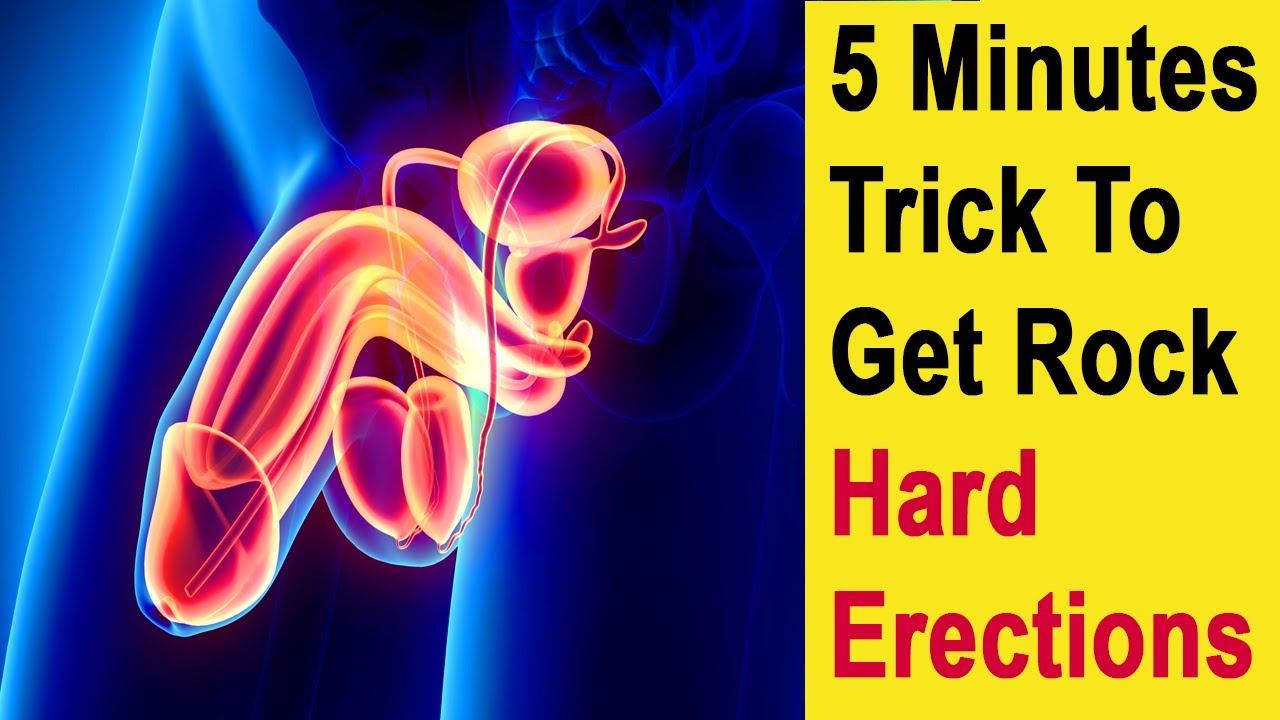
When it comes to keeping a hard erection, there are many physiological factors at play. The process of erection involves a complex interplay of blood vessels, nerves, and hormones, with testosterone playing a key role in regulating libido and erectile function. However, psychological factors such as stress, anxiety, and self-esteem can also significantly impact a man's ability to maintain an erection. It's a delicate balance, with physical health and mental well-being intertwined in a complex dance.
Must Read
One of the lesser-known facts about erectile function is the role of nocturnal erections. During REM sleep, men typically experience multiple erections, which are thought to be related to testosterone levels and prostate health. These nocturnal erections are a normal part of male physiology, but they can also be an indicator of overall erectile health. For example, men with erectile dysfunction may experience fewer or less frequent nocturnal erections, highlighting the importance of addressing underlying health issues.
The cultural impact of erectile function cannot be overstated. In many societies, a hard erection is seen as a symbol of masculinity and virility, with erectile dysfunction often stigmatized as a sign of weakness or inadequacy. However, this cultural narrative can be damaging, perpetuating unrealistic expectations and performance anxiety in men. By acknowledging the complexity of erectile function and the many factors that influence it, we can work to create a more nuanced and inclusive understanding of male sexuality.
Real-Life Strategies for Success
So, what can men do to keep a hard erection? The answer lies in a combination of lifestyle modifications, stress management techniques, and open communication with partners. For example, regular exercise can improve blood flow and cardiovascular health, while mindfulness practices such as meditation and yoga can help reduce stress and anxiety. Additionally, open communication with partners can help to build trust and intimacy, reducing performance anxiety and promoting a more relaxed and enjoyable sexual experience.
Case studies have shown that men who engage in regular physical activity and healthy lifestyle habits are more likely to experience improved erectile function. For example, a study published in the Journal of Urology found that men who exercised regularly experienced significant improvements in erectile function and overall health. Similarly, mindfulness practices such as meditation and yoga have been shown to reduce stress and anxiety, promoting a more relaxed and enjoyable sexual experience.
Another key strategy for maintaining a hard erection is to address underlying health issues. For example, diabetes, high blood pressure, and high cholesterol can all impact erectile function, making it essential to monitor and manage these conditions. By working with a healthcare provider to address underlying health issues, men can reduce their risk of erectile dysfunction and promote overall health and well-being.
In addition to these strategies, open communication with partners is essential for maintaining a hard erection. By talking openly about desires, fantasies, and concerns, men can build trust and intimacy with their partners, reducing performance anxiety and promoting a more relaxed and enjoyable sexual experience. For example, couples therapy can provide a safe and supportive environment for men to discuss their erectile concerns and work through relationship issues.
Frequently Asked Questions
What are the most common causes of erectile dysfunction?
The most common causes of erectile dysfunction are vascular disease, diabetes, high blood pressure, high cholesterol, and obesity. These conditions can damage blood vessels and nerves, making it difficult to achieve and maintain an erection. Additionally, psychological factors such as stress, anxiety, and depression can also contribute to erectile dysfunction. By addressing these underlying health issues and managing stress, men can reduce their risk of erectile dysfunction and promote overall health and well-being.

In addition to these physical and psychological factors, lifestyle habits such as smoking, excessive drinking, and poor diet can also impact erectile function. By making healthy lifestyle choices and managing stress, men can reduce their risk of erectile dysfunction and promote overall health and well-being. Furthermore, open communication with partners and healthcare providers can help men to address underlying health issues and develop effective strategies for managing erectile dysfunction.
How can I improve my erectile function naturally?
Improving erectile function naturally involves a combination of lifestyle modifications, stress management techniques, and open communication with partners. For example, regular exercise can improve blood flow and cardiovascular health, while mindfulness practices such as meditation and yoga can help reduce stress and anxiety. Additionally, open communication with partners can help to build trust and intimacy, reducing performance anxiety and promoting a more relaxed and enjoyable sexual experience.
In addition to these strategies, healthy lifestyle habits such as balanced diet, regular sleep, and stress management can also help to improve erectile function. For example, a study published in the Journal of Urology found that men who engaged in regular physical activity and healthy lifestyle habits experienced significant improvements in erectile function and overall health. By making healthy lifestyle choices and managing stress, men can reduce their risk of erectile dysfunction and promote overall health and well-being.
Can erectile dysfunction be a sign of an underlying health issue?
Yes, erectile dysfunction can be a sign of an underlying health issue. In fact, erectile dysfunction is often an early warning sign of cardiovascular disease, diabetes, and other chronic health conditions. By addressing the underlying health issue, men can reduce their risk of erectile dysfunction and promote overall health and well-being. For example, men with diabetes are more likely to experience erectile dysfunction, but by managing their blood sugar levels and addressing underlying health issues, they can reduce their risk of erectile dysfunction and promote overall health and well-being.
In addition to these physical health issues, psychological factors such as stress, anxiety, and depression can also contribute to erectile dysfunction. By addressing these underlying health issues and managing stress, men can reduce their risk of erectile dysfunction and promote overall health and well-being. Furthermore, open communication with partners and healthcare providers can help men to address underlying health issues and develop effective strategies for managing erectile dysfunction.
How can I talk to my partner about my erectile dysfunction?
Talking to your partner about erectile dysfunction can be challenging, but it's an essential step in addressing the issue and promoting a more relaxed and enjoyable sexual experience. By talking openly about desires, fantasies, and concerns, men can build trust and intimacy with their partners, reducing performance anxiety and promoting a more relaxed and enjoyable sexual experience.
In addition to open communication, couples therapy can provide a safe and supportive environment for men to discuss their erectile concerns and work through relationship issues. By working together, men and their partners can develop effective strategies for managing erectile dysfunction and promoting a more fulfilling and enjoyable sexual experience. Furthermore, education and awareness about erectile dysfunction can help to reduce stigma and promote a more inclusive understanding of male sexuality.
Can erectile dysfunction be treated with medication?
Yes, erectile dysfunction can be treated with medication. In fact, pharmaceutical companies have developed a range of erectile dysfunction medications that can help to improve erectile function. For example, Viagra, Cialis, and Levitra are all popular medications that can help to improve blood flow and erectile function. However, these medications should only be used under the guidance of a healthcare provider, as they can have side effects and interact with other medications.

In addition to medication, lifestyle modifications and stress management techniques can also help to improve erectile function. For example, regular exercise can improve blood flow and cardiovascular health, while mindfulness practices such as meditation and yoga can help reduce stress and anxiety. By combining medication with healthy lifestyle habits and stress management techniques, men can reduce their risk of erectile dysfunction and promote overall health and well-being.
As we reflect on the topic of erectile function, it's clear that there is more to the story than meets the eye. By acknowledging the complexity of erectile function and the many factors that influence it, we can work to create a more nuanced and inclusive understanding of male sexuality. Whether it's physical health, psychological well-being, or cultural expectations, every aspect of erectile function is interconnected and multifaceted.
By exploring the lesser-known facts and cultural impact of erectile function, we can gain a deeper understanding of the ways in which it shapes our lives and relationships. From the media and advertising industries to the medical community and individual relationships, erectile function is a topic that touches every aspect of our society. By talking openly and honestly about erectile function, we can work to reduce stigma and promote a more inclusive understanding of male sexuality.
Ultimately, the key to maintaining a hard erection is to address the complex interplay of physical, psychological, and cultural factors that influence erectile function. By making healthy lifestyle choices, managing stress, and talking openly about desires and concerns, men can reduce their risk of erectile dysfunction and promote overall health and well-being. Whether it's through lifestyle modifications, stress management techniques, or open communication with partners, the possibilities for maintaining a hard erection are endless, and the benefits are well worth the effort.