How Many Oz A Newborn Should Drink

Picture this: you’ve just brought home a tiny, scrunch-faced human who communicates exclusively in ear-piercing shrieks and mysterious poops. Your only job, besides keeping them alive, is figuring out how much milkshake (breastmilk or formula, no judgment) to shove into that screaming void. The internet will tell you everything from “watch the baby, not the clock” to “if they’re crying, they’re hungry,” but what you really need is a number. Buckle up, because we’re diving into the glorious, sleep-deprived math of newborn feeding.
The Short Answer: It’s About the Size of a Fist, Not a Football
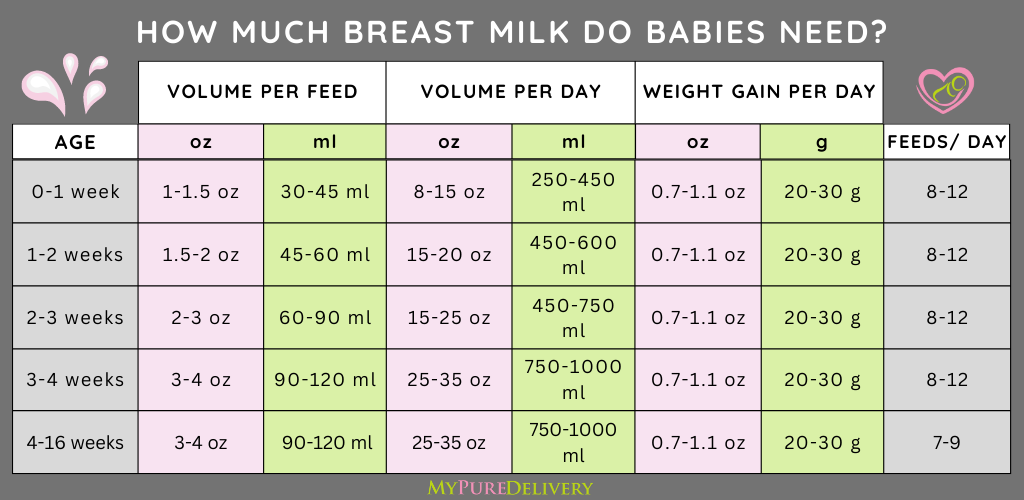
In the first two weeks, your newborn’s stomach is roughly the size of a cherry—yes, the sad little fruit on top of a sundae, not a grapefruit. That means they’ll want about 1 to 2 ounces per feeding in those early days. By the time they hit two weeks, that cherry has ballooned to a walnut, and they’ll crave 2 to 3 ounces every 2–3 hours.
Here’s the kicker: by one month, that stomach is the size of a chicken egg, and your baby will slam back 3 to 4 ounces per feed like a frat boy at a kegger. But don’t get cocky—this isn’t a linear progression. Some days they’ll eat like a tiny king, other days like a picky cat who just wants to stare at you in judgment.
Must Read
The Lazy Formula That Actually Works
Forget quadratic equations—newborn feeding math is simpler than your taxes. For every pound of body weight, your baby needs about 2.5 ounces total over 24 hours. So, a 7-pound newborn? That’s roughly 17.5 ounces a day, split into 8–12 feedings. That works out to a laughable 1.5 to 2 ounces per meal, which is basically a shot glass of liquid gold.
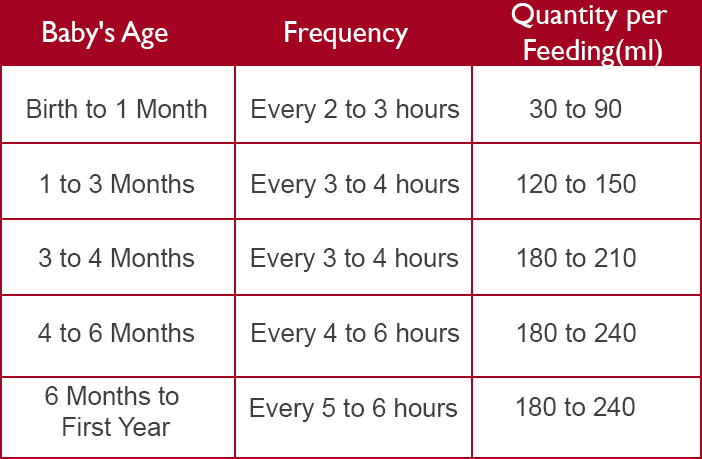
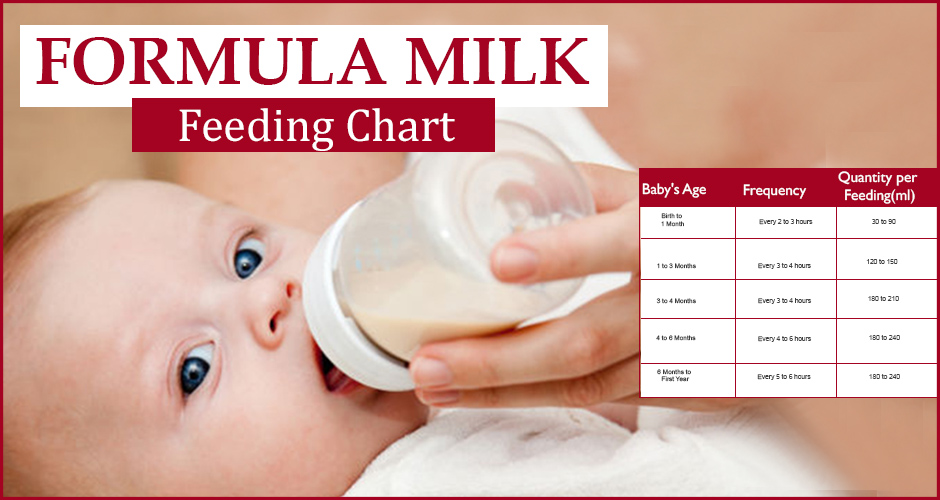
But here’s the twist: breastmilk digests faster than formula, so boob-fed babies will want smaller, more frequent sessions—think every 2 hours, like a Chihuahua with a tiny bladder. Formula babies can stretch to 3–4 hours, which feels like a vacation in baby time. Either way, you’ll be doing so many middle-of-the-night feeds that you’ll start naming your kitchen appliances.
Red Flags and “Wait, Is That Normal?” Moments
You’re looking for at least 6 wet diapers a day and a couple of poops that look like mustard with seeds (yes, really). If your baby is content after a feed, has pink skin, and isn’t screaming like a fire alarm, you’re golden. If they’re sleeping through feedings or acting like a hangry gremlin after 1 ounce, call your pediatrician—don’t Google it at 3 a.m.
Surprising fact: a newborn’s stomach does not stretch like a water balloon. Overfeeding can cause spit-up fountains that rival the Trevi Fountain, and that’s not the kind of tourist attraction you want on your carpet. Trust your baby’s cues—they’ll turn their head away or unclamp like a snapping turtle when they’re done.

The Bottom Line (Literally, on Their Diaper)
Start with 1 to 2 ounces per feed in week one, then bump to 2–3 ounces by week two, and land on 3–4 ounces by month one. Every baby is a tiny, unpredictable science experiment, so adjust based on their mood, your sanity, and how many burp cloths you have left. You’ll mess up a few feeds, and that’s fine—so does every parent who ever lived.
In the end, the real answer to “how many ounces?” is enough to make them stop crying and fall asleep on your chest. That’s the only number that matters, and it changes hourly. Now go forth, feed that adorable parasite, and remember: this phase ends before you know it, but the coffee addiction is forever.