How Long To Learn A Coding Language
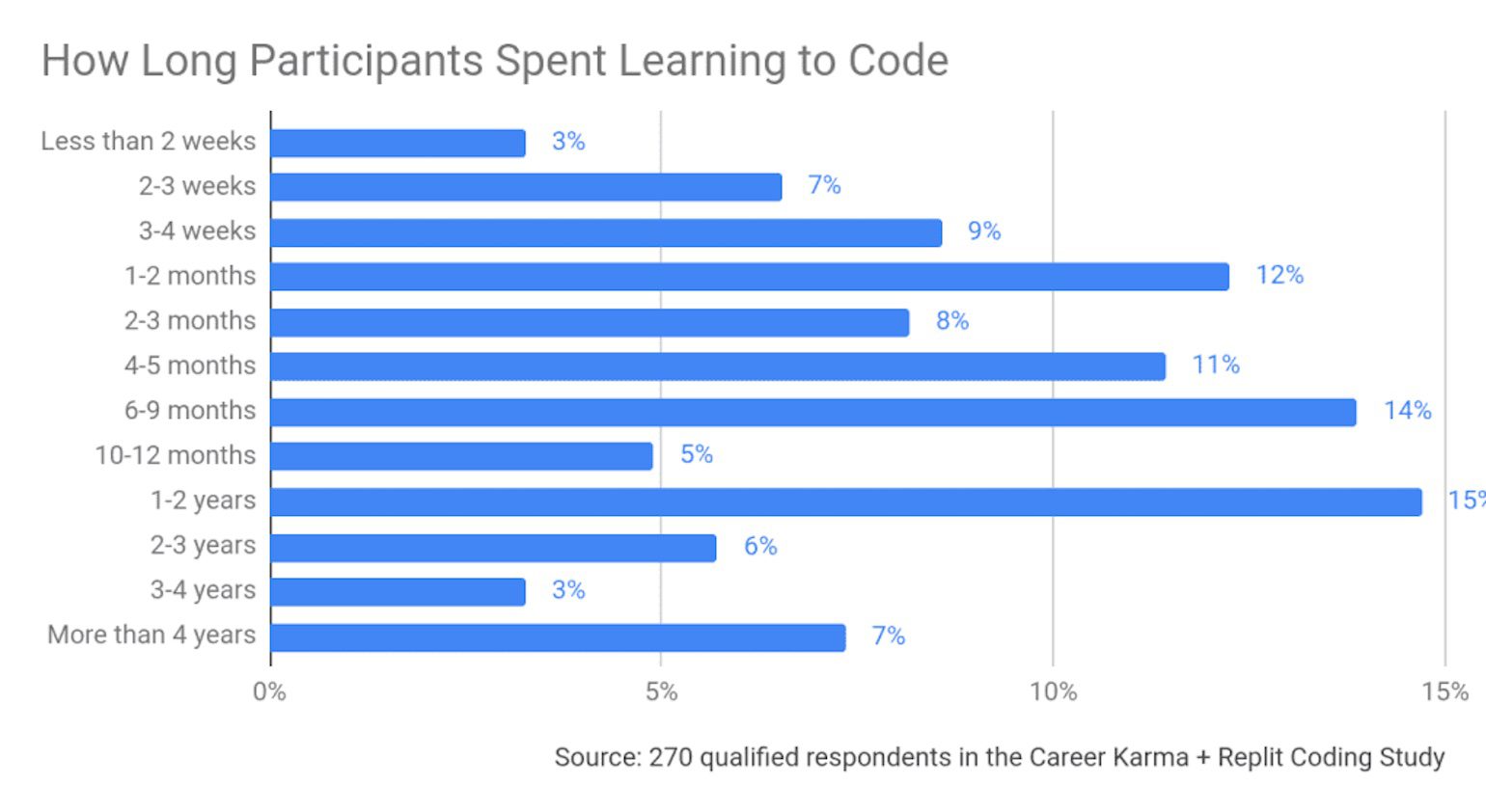
Ever watched someone build an app and thought, “I could do that—if only I had a year to spare”? The truth is, learning to code is more like learning to cook than climbing Everest. You can whip up a simple script in an afternoon, but perfecting a multi-course digital feast takes time, patience, and a lot of taste-testing.
The Magic Number: It’s Not What You Think
Ask ten programmers “how long?” and you’ll get eleven different answers. That’s because the real variable isn’t the language—it’s you. Your background, your daily practice time, and your end goal change everything.
However, a handy rule of thumb exists: three to six months for a solid foundation. That’s enough time to read, write, and debug basic programs in Python, JavaScript, or Ruby.
Must Read
“The best time to start coding was ten years ago. The second best time is right now.” — Unknown developer wisdom
What “Learning” Really Means
First, let’s squash a myth. Learning syntax (the grammar of code) is the easy part—think two weeks of focused study. The real challenge is problem-solving, which is like learning to think in a new logic-based language.
Most beginners spend 80% of their time debugging errors, not writing new lines. That’s not failure; that’s the actual curriculum.
So, when someone says “I learned Python in a month,” they mean they learned the alphabet, not how to write a novel.
Time Table for Realistic Goals
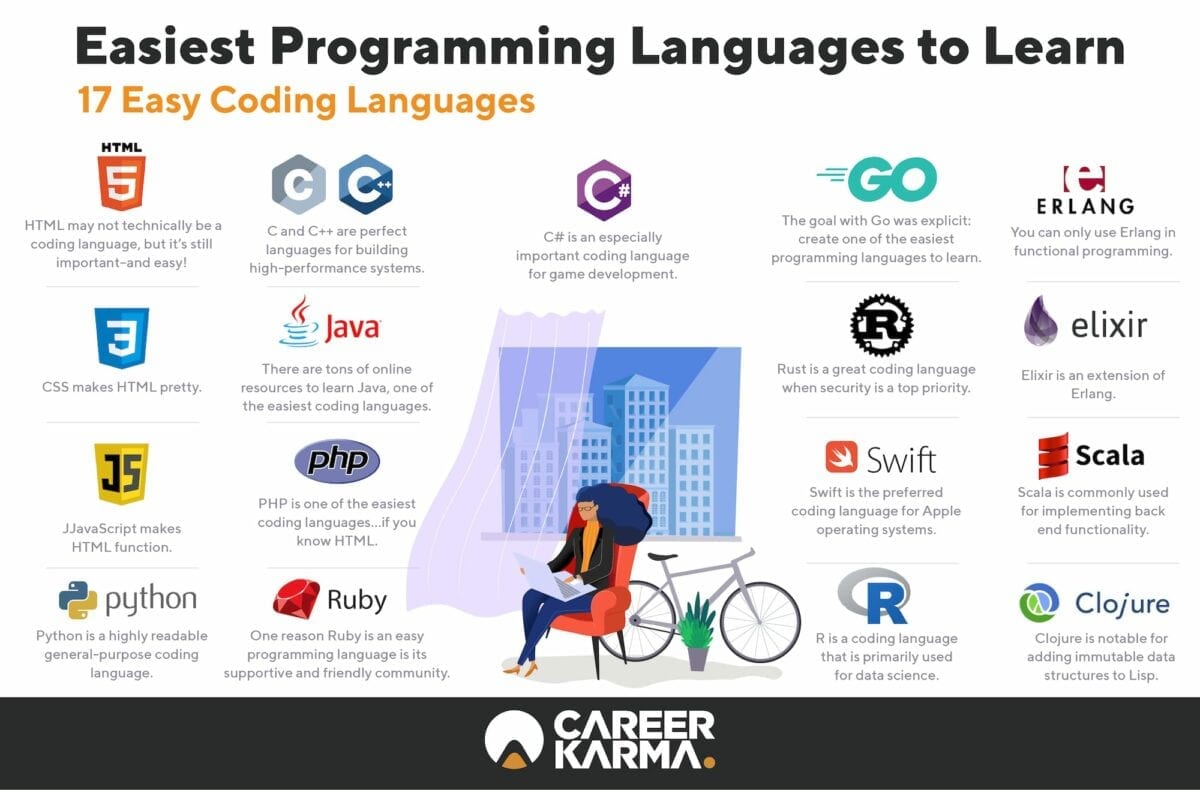
Let’s break it down by ambition level. If you want to automate boring tasks (like renaming files or scraping websites), expect 2–4 weeks of daily practice.
If you’re aiming for a junior developer job, budget 6–12 months of serious part-time study (15–20 hours weekly). That includes building projects, not just watching tutorials.
For mastering a language like C++ or Rust? Think 1–2 years before you feel genuinely proficient. These languages demand manual memory management and deeper system knowledge.
The 10,000-Hour Trap
Yes, Malcolm Gladwell made “10,000 hours” famous, but coding doesn’t work that way. You don’t need to be a virtuoso to land a job. You need to be useful.

After about 300–400 hours of deliberate practice, you can build a portfolio of small apps, contribute to open-source projects, and pass basic technical interviews. That’s roughly 30 minutes a day for a year.
“Don’t compare your day one to someone else’s year five. Compare your day one to your day two.”
Why the Language Choice Matters (But Less Than You’d Think)
Choosing Python first is like learning to drive in an automatic car—smooth, forgiving, and great for beginners. Choosing JavaScript is like learning in a stick shift—more control, but you’ll stall often.
The good news? After you learn your first language well, the second one takes 50% less time. The core concepts—variables, loops, functions, conditionals—transfer everywhere.
Fastest Ways to Speed Up the Clock
Don’t just read code like a book. Type every example by hand. Muscle memory works for brains too.
Build something you actually want, not another to-do list app. When the project matters, you’ll suddenly find extra hours in your day.
Join a community—try freeCodeCamp, Codecademy, or local meetups. You’ll learn 3x faster when you can ask “why” in real-time.
The Sneaky Slowdowns to Avoid
Tutorial hell is real. Watching “complete courses” without coding alongside is like watching cooking shows and expecting to be full.

Also, don’t bounce between languages every week. Stick to one for at least 3 months. Shiny language syndrome is your biggest enemy.
Final Verdict: Patience Beats Speed
If you’re asking “how long,” you’re already ahead of the procrastinators. The honest answer? You’ll feel like a beginner for about 6 months—then, suddenly, you’ll fix a bug that stumped a developer with 5 years of experience.
Learning to code is a marathon where the finish line keeps moving—and that’s the beauty. You get to enjoy the race, celebrate small wins, and constantly level up.
So, start tonight. Open a free editor, type print("Hello, world!") and begin. Six months from now, you’ll be laughing at this article, wondering why you ever worried.