
How Long Do You Study For The Lsat
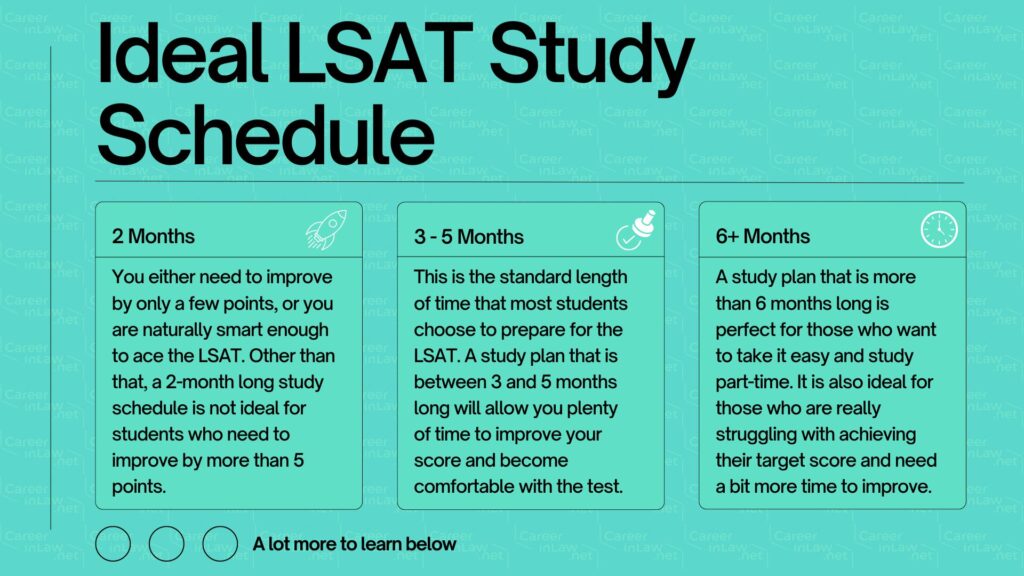
Let’s be real: the LSAT is a weird beast. It’s not like cramming for a bio midterm where you can pull an all-nighter and pray to the curve gods. This test is a marathon of logic, reading comprehension, and pure mental stamina, and the question everyone asks is, “How long do I actually need to study?” The honest answer is not a magic number, but rather a range that depends on your starting point, your target score, and how well you handle stress. If you’re looking for a blanket rule, most experts and high scorers will tell you three to six months is the sweet spot, with a solid 15 to 20 hours per week dedicated to focused prep.
Think of it like training for a half-marathon. You wouldn’t lace up your sneakers for the first time the day before the race, right? The LSAT demands a similar build-up, allowing your brain to develop the neural pathways for conditional logic and flaw detection. Cramming for this test is like trying to binge-watch Game of Thrones in one night—you’ll get the gist, but you’ll miss all the subtle character arcs, and the finale will feel flat. Your goal is to become fluent in the test's language, not just to memorize a few vocabulary words.
The Three-Month Sprint vs. The Six-Month Stroll
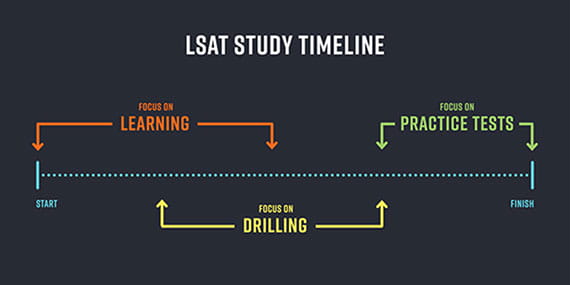
If you’re working full-time or juggling a busy college schedule, a five to six-month plan is your safest bet. This timeline allows you to start with a diagnostic test to see where you stand, then spend the first two months just learning the fundamentals—think of it as the “basics boot camp” where you dissect argument structures and learn the infamous “logic games” (which are now technically called Analytical Reasoning, but old habits die hard). You can study in gentle, consistent blocks, like 90 minutes a day, without turning your life into a hermit-era lockdown.
Must Read
On the flip side, if you’re a naturally strong reader with a knack for puzzle-solving, a three-month intensive sprint might work perfectly. This is the equivalent of a summer internship for your brain: you’re doing deep dives, full practice tests every weekend, and reviewing every single mistake with a fine-tooth comb. The key is that quality beats quantity—doing 50 logic games in a week is useless if you don’t understand why you missed the last 40. You’re not just checking boxes; you’re building a framework for how to think under pressure.
Signs You’re Ready (Or Not Ready) To Take The Test
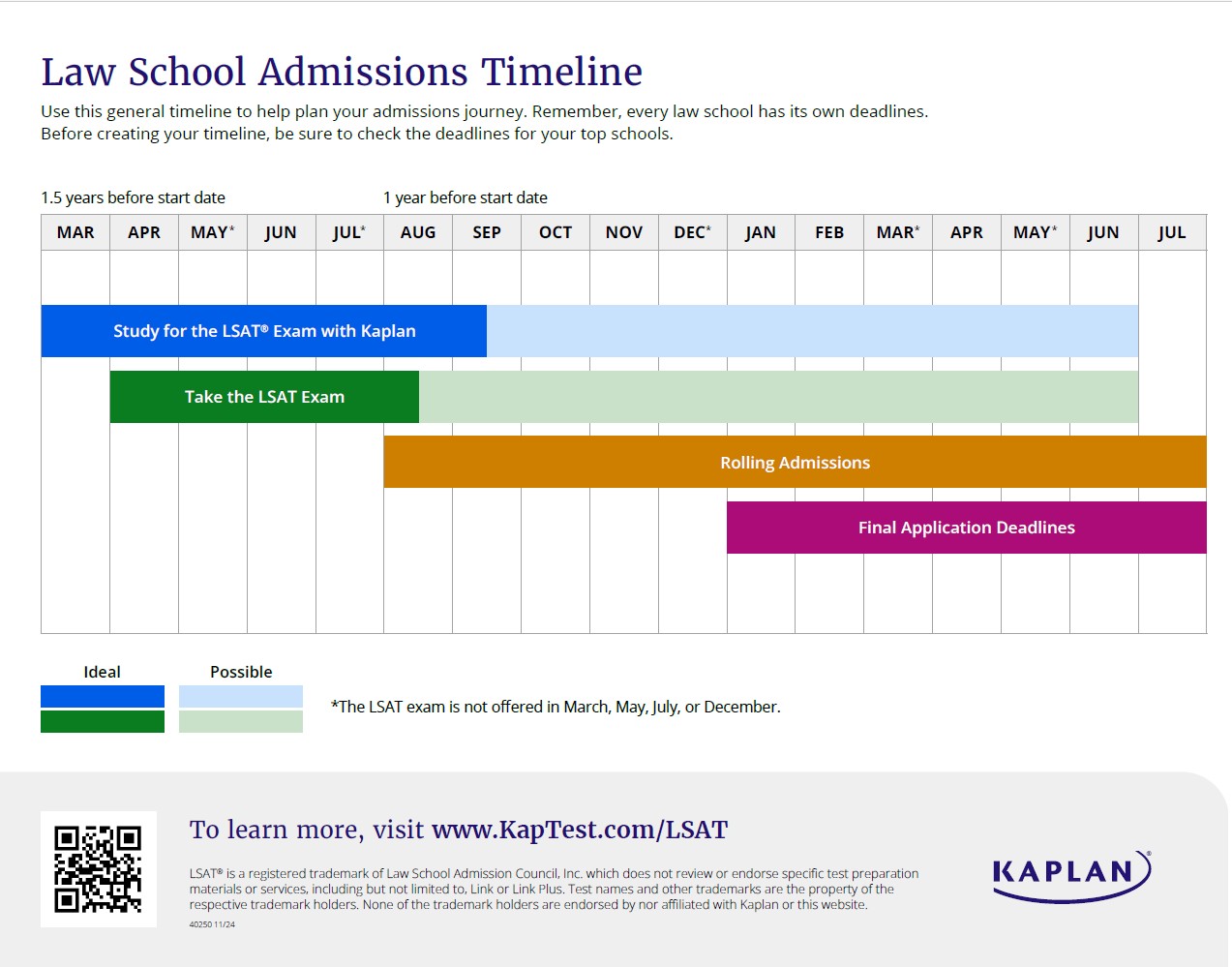
Here’s the part nobody tells you: the calendar isn’t the boss—your practice scores are. You should not sit for the LSAT just because “it’s been four months.” Instead, you’re ready when you consistently score within your target range on recent, timed practice tests, usually the last four to five you take. If you’re still scoring 10 points below your goal with a week to go, that’s the universe giving you a clear signal to push your test date back, even if it feels like a painful ego check. Remember, it’s better to wait and win than to rush and regret—law schools don’t care when you took it, they just care about the number.
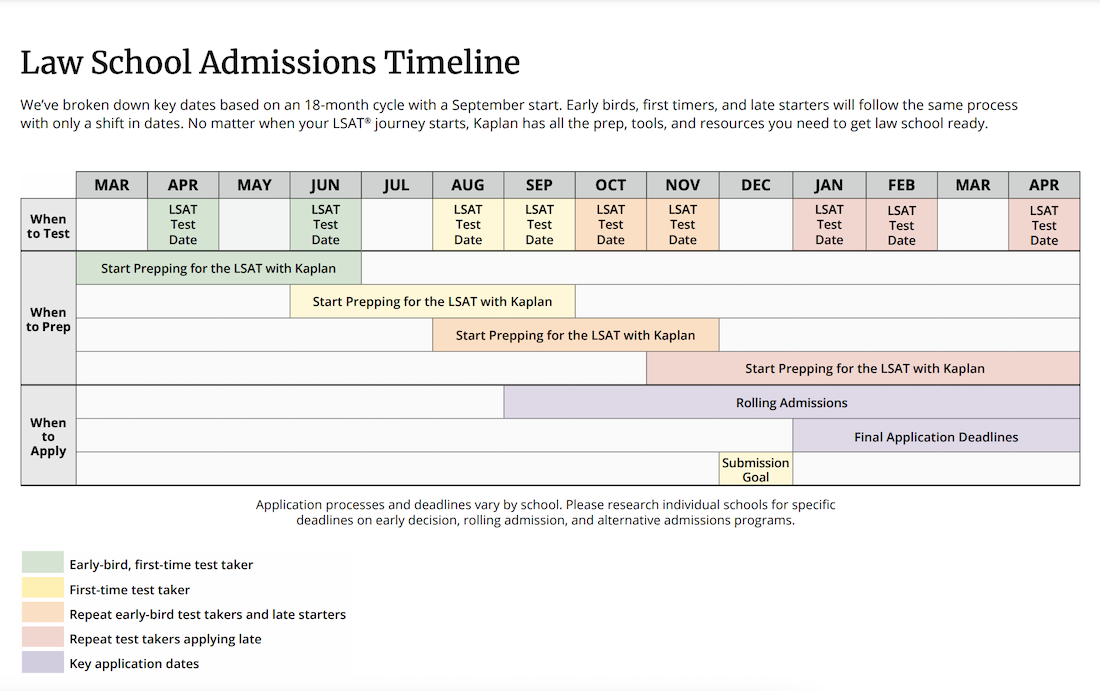
A huge pitfall is ignoring the “burnout” factor. If you study for more than 20 hours a week, you’ll start to see the weird patterns—like when you start dreaming about strange questions about fur traders and dinosaur fossils. That’s your cue to take a day off and watch a silly movie, because a tired brain is a sloppy brain. Also, fun fact: the LSAT actually measures endurance as much as intelligence; the last section is notoriously harder simply because you’re exhausted, so your study plan must include full-length, timed practice tests taken at the same time of day as your real test. It’s the mental equivalent of doing sprint intervals in the middle of a long run.
The Individuality Factor (And The “Zero” Baseline)
Let’s talk about the elephant in the room: some people just “get it” faster. A philosophy major who reads dense Kantian texts for fun might only need eight weeks, while someone who hasn’t touched a formal logic book since high school might need a full six months to build that skill set. The beauty of a long timeline is that it allows for methodical review, which is where real growth happens. Don’t compare yourself to that Reddit user who claims they went from 150 to 175 in a month—that’s either a humblebrag, a genetic anomaly, or a lie.
Instead, use your first few weeks as a diagnostic period. Take a baseline test, see your weaknesses, and then map out your hours. If you’re scoring below 150, plan for the longer end of the spectrum. If you’re starting at 160, you’re just polishing a diamond, and 10 weeks might be plenty. The goal is to build a habit, not a torture session. And remember your life outside the test—keep your gym sessions, your coffee dates, and your Netflix binges. The LSAT is a chapter in your life, not the whole book.
Our Final Take: Rethink Your Sacrifice
This might sound counterintuitive, but the most successful LSAT studiers are the ones who treat it like a part-time job, not a hostage situation. They set a schedule, they log off, and they don’t feel guilty for having fun. The test is a gateway to law school, but it’s not a reflection of your worth as a human being. When you walk out of that test center, whether you score a 165 or a 175, the sun will still rise, your friends will still be there, and your favorite pizza place will still be open.
So, how long should you study? Long enough to build confidence, not just competence. Long enough that you’re bored of the question types, but not so long that you’ve lost your mind. In the grand scheme of things, those months are a tiny investment in a massive future. And just like in everyday life, the real skill is learning to pace yourself—you can’t rush a good thing, and you can’t force a bad one. Take a deep breath, pick a timeline that respects your sanity, and just start. The clock is ticking, but you’re in control of the tempo.

.jpg)

