How Do You Get Clothes White Again

There is a peculiar, almost primal frustration that arises when a beloved white shirt, crisp and hopeful after its maiden wash, emerges from the machine with a dull, greyish cast. It feels less like a laundry mishap and more like a personal failing, a quiet betrayal by the fabric of our intentions. In our modern world, where we are bombarded with curated images of impossible perfection, the humble white garment becomes a psychological litmus test. It is a canvas for our anxieties, a tangible representation of our struggle against the relentless entropy of daily life. We don’t just see a stained collar; we see a reflection of our own perceived inadequacies, a visible crack in the facade of having everything under control.
This obsession with whiteness is deeply wired into our cognitive architecture. Psychologically, white is associated with purity, new beginnings, and a clean slate. When a garment loses that purity, our brain registers a violation of an expected state, triggering a mild but measurable stress response. It’s a modern iteration of an ancient survival mechanism—a messy cave might have harbored pests; a grey shirt, in our subconscious, suggests a life that is slipping out of our grasp. The act of restoring whiteness, therefore, is not merely a chore; it is a ritualistic attempt to reclaim order, to scrub away the accumulated grime of our mistakes and reassert control over our external environment. This is why the quest for the perfect white is so compelling, and why its failure can feel so profoundly deflating.
The Psychology of the Stain: Why We Take It Personally
Consider the last time you discovered a stubborn yellow ring on the underarm of a favorite tee. Your immediate reaction was likely not logical (“I’ll just use some oxygen bleach”), but visceral (“Why does this always happen to me?”). This is the ego getting involved in the laundry. We project our own sense of self onto our garments. The stain becomes a symbol of our sweat, our exertion, our impure human vulnerabilities. It is an unwelcome reminder that we are biological creatures, subject to decay and messiness, in a world that often demands we present ourselves as flawlessly curated digital avatars. The cognitive bias at play here is the fundamental attribution error, where we blame our character for a failure, rather than the circumstances—like the deodorant’s chemical reaction with fabric.
Must Read
Furthermore, the sheer volume of information and conflicting advice available online exacerbates our anxiety. We are told to try baking soda, vinegar, lemon juice, hydrogen peroxide, and a dozen specialized detergents. This abundance of choice often leads to analysis paralysis. We stand in the cleaning aisle, staring at a wall of products, feeling a surge of inadequacy. Each bottle promises a miraculous restoration, implying that our current failure is simply due to a lack of the right product. This not only empties our wallets but also erodes our confidence in our own innate resourcefulness. It transforms a simple, solvable problem into a complex, financially draining puzzle, reinforcing a consumerist mindset that we are always one purchase away from being ‘enough’.
The emotional hurdle is further compounded by the sense of wasted investment. We think of the cost of the garment, the time spent shopping for it, and the emotional significance attached to it—maybe it was a souvenir from a trip, or a gift from someone special. When that piece becomes dull and yellowed, we feel a pang of loss that is disproportionate to the item’s monetary value. It feels as though we are losing a piece of our history, a snapshot of a brighter, happier time. This is why we hold onto stained clothes for far too long, stuffed in the back of the closet, clutching the ghost of a garment that once was, unable to let go or to successfully bring it back to life. This limbo state is quietly draining, a constant, silent reminder of our unfinished business.
Mindful Restoration: A Ritual for Clarity and Control
To conquer the grey, we must first reframe the narrative from “punishment” to “ritual.” This is not a battle against a stain; it is a meditative act of nurturing. Begin by creating a specific, unhurried space for this task. Put on your favorite music or a podcast that calms you. Gather your supplies: oxygen-based bleach (like OxiClean), distilled white vinegar, baking soda, and lemon juice—not as desperate measures, but as a curated toolkit of gentle, effective remedies. The mindset shift is crucial: you are not a victim of your laundry; you are its conscious custodian. This proactive stance immediately reduces feelings of helplessness.

Your first step is a digital detox. Step away from the internet’s conflicting advice. Instead, embrace the science of simplicity. For most everyday dullness, a simple soak is transformative. Fill a basin or your washing machine with warm water and dissolve a scoop of oxygen bleach according to the package instructions. Submerge your white garments completely, allowing them to soak for at least six hours, or overnight. This is a process of patience. Watch the water slowly change color, visualizing the stress and grime of your week lifting away. This is not just cleaning; it is a form of active release. You are giving your clothes, and by extension yourself, the time to breathe and reset.
Next, confront the specific aggressors. For yellowing underarm stains, create a thick paste of baking soda and a few drops of water. Apply it directly to the area and let it sit for an hour. This acts as a gentle abrasive and deodorizer. For lingering smells or dingy fabric, add a cup of white vinegar to the rinse cycle instead of fabric softener. The vinegar breaks down alkaline residue that traps dirt and makes whites look grey. For sun-drying, embrace the power of natural UV light. The sun is the most powerful, cost-free whitener known to humanity. Hang your whites outside in direct sunlight. The UV rays act as a natural bleaching agent. This connection to nature, to the ancient practice of cleaning in the open air, is grounding and offers a profound sense of connection to a slower, more intentional way of living.
Finally, adopt a “one-in, one-out” rule. After you have restored your garments, make a conscious decision. If an item is beyond redemption, if it has holes or irreparable damage, thank it for its service and let it go. Donating or repurposing it as a cleaning rag is an act of closure, not a failure. This prevents the closet from becoming a graveyard of “maybe later” projects that weigh on your subconscious. By successfully restoring a few key pieces and gracefully discarding the rest, you are practicing a mindful decluttering of your physical and psychological space. You are taught that forgiveness—both for your clothes and for yourself—is a vital part of the cycle of renewal.
Frequently Asked Questions: The Emotional Deep Dive
Why do I feel so much anxiety over a simple stain?
Anxiety over stains is rarely about the fiber itself; it is about a projected sense of perfectionism and control. In a world that feels increasingly volatile, our appearance is one of the few domains we feel we can govern. A stain shatters that illusion of control, reminding us that unexpected, messy, and unplanned events can mar our carefully crafted image. This triggers a primal fear of being judged or seen as incompetent. The anxiety is a signal that you are placing too much of your self-worth on an external, impermanent object. Recognizing this is the first step toward loosening that grip.

Furthermore, this anxiety can be traced back to early learning. If you were raised in a home where cleanliness was overly emphasized as a moral virtue, or where messes were met with frustration, your brain biologically formed a link between a dirty shirt and emotional punishment. Your adult mind knows a stain is not a moral failing, but your limbic system—the emotional brain—still fires warnings of danger and shame. To counteract this, practice cognitive reappraisal. When you see a stain, consciously tell yourself, “This is a simple chemistry problem, not a character flaw.” This verbal reframing slowly rewires the neural pathway, separating your inherent worth from the condition of your clothing.
Is it better to fix a stained garment or to buy a new one?
From a purely psychological standpoint, the answer lies in your attachment to the garment. If it is a generic, replaceable item, the effort required to restore it might not be worth the emotional expenditure. Constantly forcing yourself to salvage every single item can lead to a martyr complex, where you feel you are doing “good” by enduring the chore. However, if the item holds sentimental value, or is a high-quality piece you love, restoration is an act of self-compassion. It is a demonstration that you are willing to invest time and care into the things that bring you joy, rather than discarding them at the first sign of difficulty.
Buying new clothes offers a quick dopamine hit, but it is fleeting, and often comes with the guilt of overconsumption. The process of restoration, however, offers a slower, more sustained sense of accomplishment. It is a form of productive mastery, a term psychologists use to describe the feeling of competence and control gained from completing a task. Choosing to restore what you have is also an act of environmental mindfulness, aligning your actions with your values. The key is to be honest with yourself. Are you saving it because you love it, or because you feel obligated? If it’s the latter, let it go. Your mental energy is better spent elsewhere.

Why does my favorite white tee suddenly feel so dull after a few months?
This phenomenon, often referred to as “graying,” is a perfect metaphor for the cumulative effects of daily stress. With every wash, the agitation of the machine and the reaction with detergents and minerals in your water slowly degrade the fibers and leave microscopic residues. It mirrors how the pressures of work, relationships, and daily commutes slowly chip away at our initial brightness and enthusiasm. The tee’s dullness is not a sudden event but a gradual erosion, which is why it perfectly captures the sense of waking up one day and realizing you feel burnt out—the color didn’t fade overnight, but the vibrancy is undeniably gone.
This is a powerful wake-up call to review your “maintenance processes.” Are you using too much detergent? (It traps dirt). Are you washing in cold water? (It doesn’t always dissolve oils). Just as you might need to adjust your self-care routine—getting more sleep, setting boundaries, or taking a break—your clothes need a recalibration of their washing regime. Water temperature, detergent choice, and the type of soil they encounter are all variables. Recognizing that the problem is systemic rather than inherent to the fabric allows you to approach it with logic and curiosity, rather than despair. It’s a lesson in diagnosing the root cause of burnout, not just treating the symptoms of exhaustion.
Can I fix yellowing in my grandmother’s vintage lace?
Yes, but this is where the process becomes a delicate dance of patience and acceptance. Vintage fabrics, often delicate, are more prone to damage from harsh chemicals. The yellowing is caused by oxidation of the natural fibers and often, by the acidification of old storage conditions. This is a deeply emotional scenario, as you are dealing with a piece of your family history. The pressure feels immense—you are trying to restore a piece of the past to its former glory. A harsh approach will not work; it will only result in tears.
For such priceless items, the mindset must shift from “restoration” to “preservation.” Instead of using high-strength oxygen bleach, opt for a gentle soak in cool water with a small amount of gentle lavender soap or a specialized wool wash. Patience is your greatest tool. Rinse by hand gently, and allow it to air dry flat, away from the sun. You may not achieve a blinding white, but you can achieve a soft, brightened ivory that honors the garment’s age. This is a profound lesson in letting go of perfectionism. Your grandmother’s lace is defined by its history, not by its unmarred whiteness. The goal is not to make it look new, but to make it look loved and cared for, reflecting the passage of time with dignity and grace.
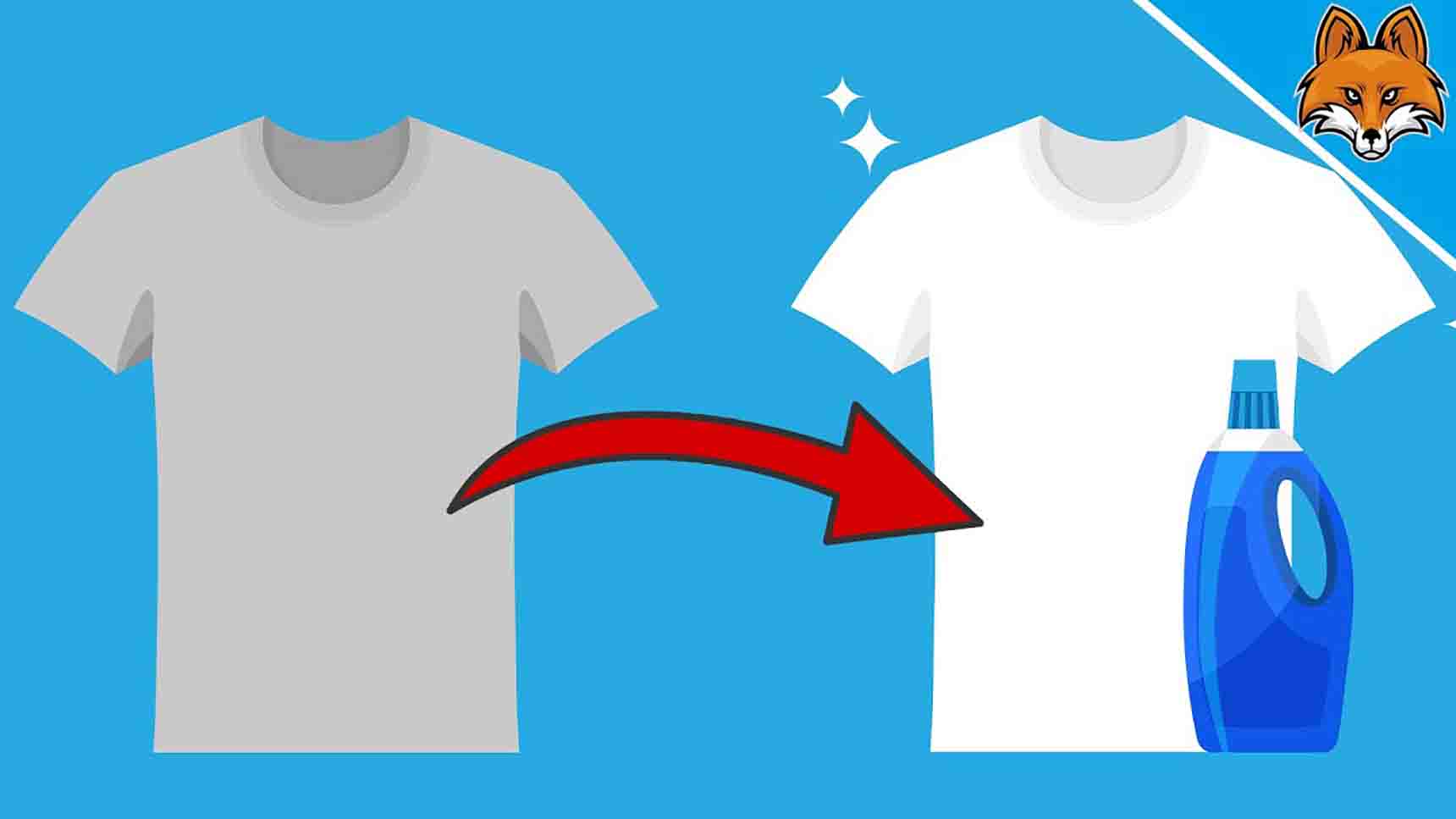
How do I prevent my white clothes from getting grey in the first place?
Prevention is fundamentally about emotional intelligence—specifically, foresight and boundary-setting. The most common cause of greying is washing whites with colors, or washing them with heavily soiled darks. On a cognitive level, this is a classic boundary violation. You are allowing the “color” of your other activities (rushing, multi-tasking) to bleed into the purity of a dedicated task. The act of sorting laundry is a physical manifestation of mindfulness. By taking the time to separate your whites, you are ritualistically carving out a safe, protected space for them (and for your own time).
Another key preventative measure is to avoid overloading the washing machine. When you cram too many items in, the water and detergent can’t circulate properly, leading to poor rinsing and the re-deposition of dirt. This is a metaphor for our own lives; when we overload our schedules, we don’t allow enough “circulation” time for rest and digestion of our experiences. The result is a foggy, grey outlook. Finally, always treat stains promptly. The longer a stain sits, the more deeply it bonds with the fabric. Psychologically, this is a lesson in forgiveness and communication. Don’t let minor resentments or miscommunications oxidize into deep, lasting anger. Address issues immediately to prevent them from permanently staining the fabric of your relationships.
Mastering the art of reclaiming whiteness is, in essence, a masterclass in self-compassion. It teaches us that dullness is not permanent, that most things are salvageable with the right blend of patience, knowledge, and gentle action. The grey tint of a well-worn shirt is not a curse, but a testament to a life lived, to days of movement and sunshine, work and play. The process of bringing it back to light is not about erasing that life, but about honoring it by making the canvas clean for the next chapter. It is a quiet, daily practice of allowing ourselves a second chance, a fresh start, without the harsh judgment of a perfectionist lens.
Ultimately, a closet full of bright, clean whites is less about the clothes and more about the state of mind they inspire. When you open your closet to a crisp, radiant white shirt, you are opening a door to clarity and possibility. The act of maintaining them is a commitment to your own self-respect. It is a promise that you will take the time to care for the things that clothe you and represent you to the world. It’s a confirmation that the chaos of living does not have to prevail, that you are the author of your own aesthetic, and that you possess the quiet, fierce ability to restore brightness, order, and a sense of purity, not just to your laundry, but to the very fabric of your daily being.