How Do You Become A Cyber Security

So, you’ve decided you want to be a cyber security expert. Maybe you saw a movie where a guy in a hoodie saves the world by typing really fast, or perhaps you just want to be the person who finally explains to your aunt why her “password” is a terrible idea. Either way, welcome to the club—the coffee is terrible, but the job security is fantastic.
It’s Not About The Matrix (Sadly)
The first myth to bust is that you need to be a math genius or a coding wizard who dreams in binary. That’s like thinking you need to be a Formula 1 driver just to commute to work. You don’t. The real skill is being a curious, stubborn problem-solver who enjoys a good puzzle more than a gold star.
If you’ve ever spent an hour trying to fix your Wi-Fi router, only to realize it was unplugged, you already have the persistence part down. The actual technical stuff? You learn that one YouTube video at a time, just like fixing a leaky faucet—except the leak is a hacker trying to steal your grandma’s baking recipes.
Must Read
Step One: Stop Being the “Clicker”
The first lesson isn’t about firewalls or encryption. It’s about thinking like a suspicious cat. That email from “Prince Nigerian” offering you millions? You’d ignore it now, but in cybersecurity, you learn to hunt that email down and analyze its grammar. That’s called threat intelligence, and it pays surprisingly well.
Start by doing a “security audit” of your own life. Is your phone password “1234”? Do you use the same password for your bank and your Netflix? If you do, you’re exactly the person who should enter this field—because you know the mistakes everyone makes. You’re not a genius; you’re just someone who’s been burned by a shady link once or twice.
The Learning Path Is a Jungle Gym, Not a Ladder
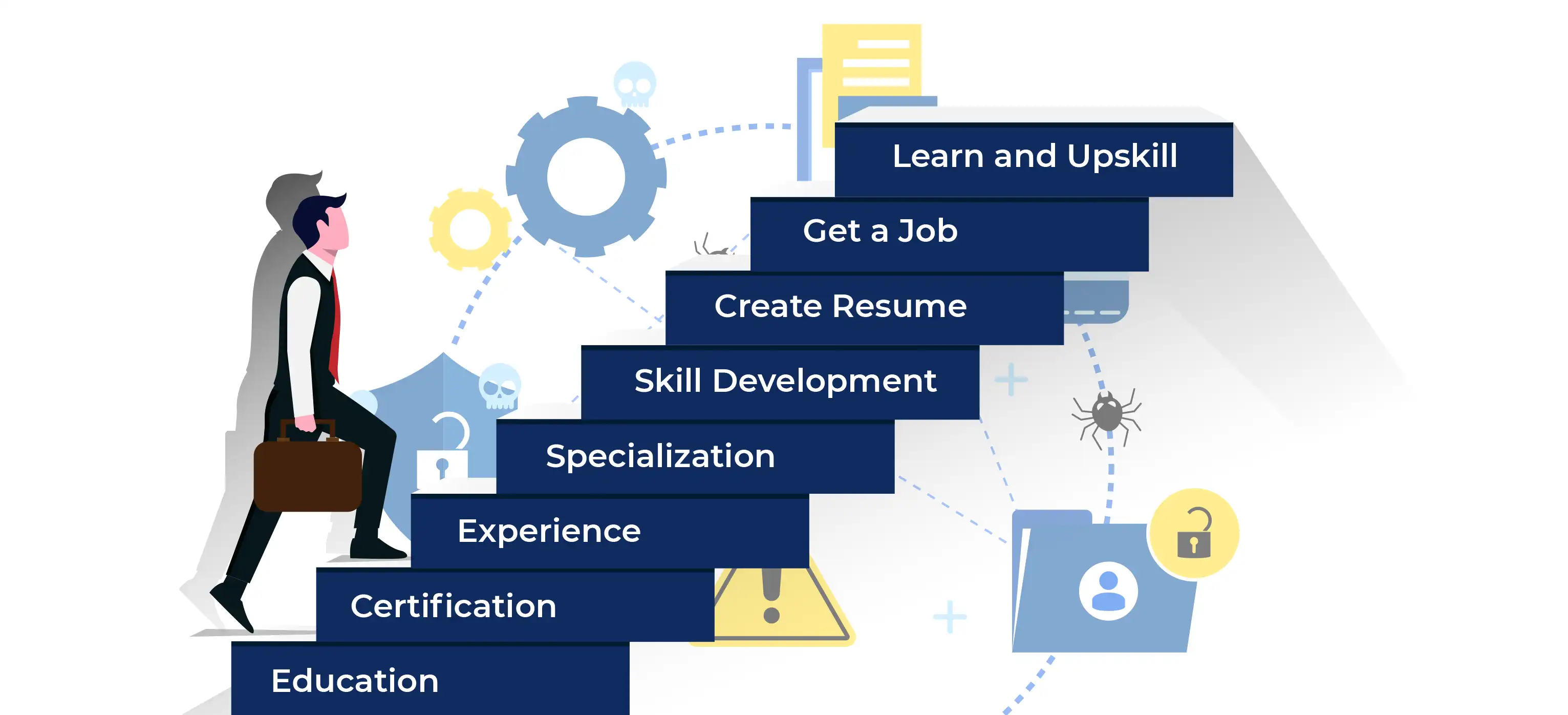
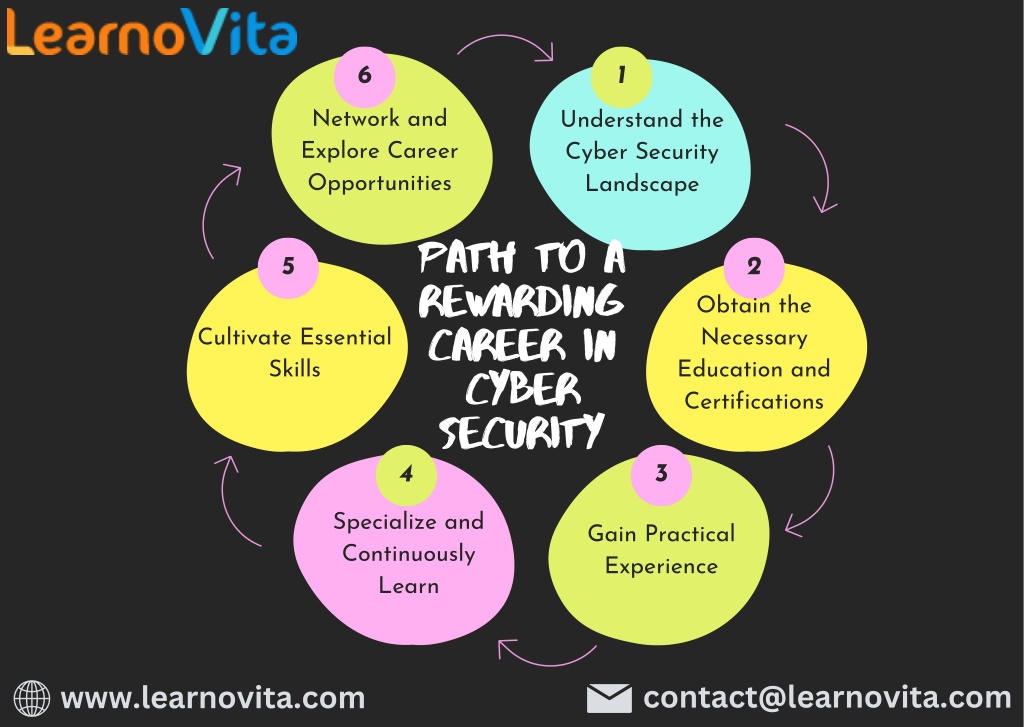
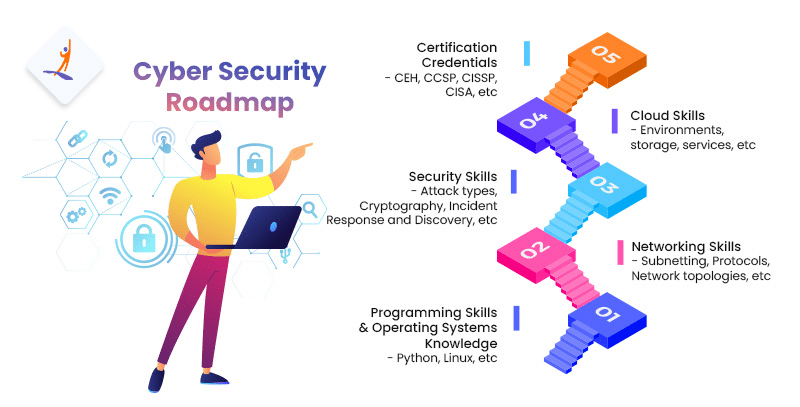
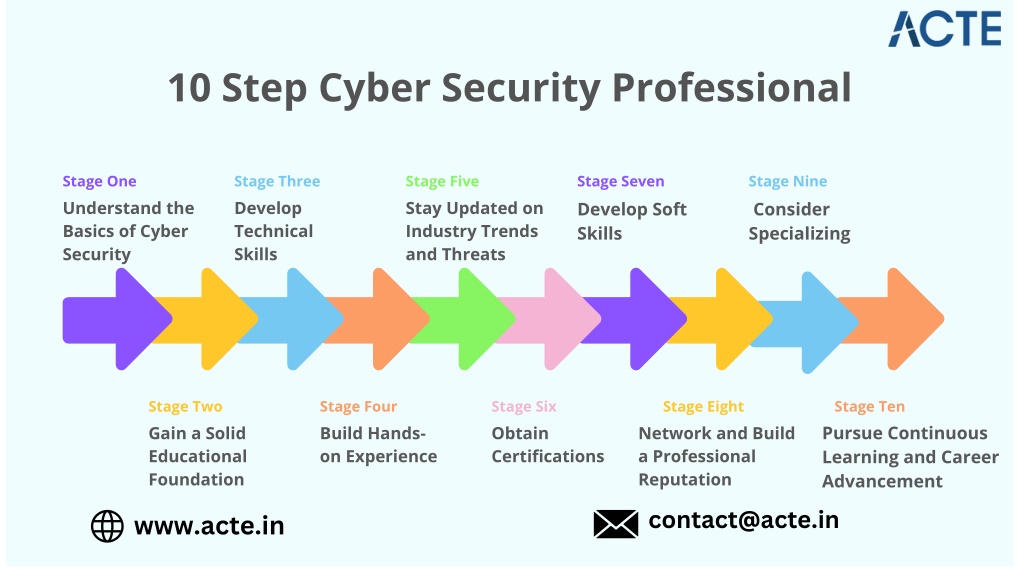
You don’t need a four-year degree to break in. Sure, it helps, but so does a good umbrella in a hurricane. The real deal is a mix of online courses (try free ones first), home lab experiments, and a lot of “oops, I broke it” moments.
Think of it like learning to cook. You start with scrambled eggs (basic network security), then you mess up a soufflé (try a penetration test on your own virtual machine), and suddenly you’re throwing dinner parties (getting certified). Certifications like CompTIA Security+ or Certified Ethical Hacker are your “I didn’t burn the water” badges. They show employers you’re not a total danger to their systems.
The “Aha!” Moment: When You Get Hacked (Yes, You)
Here’s the funny part. Almost every pro in this field has a story about getting hacked first. Mine was a phishing link on a fake “free pizza” website. I clicked it, entered my email, and spent the next week deleting spam about “male enhancement” from my inbox. That embarrassing moment was my best teacher. It taught me more than any textbook about how easy it is to fool a human.
So, go ahead and get scammed on a small scale. Let a fake virus pop-up scare you. Fall for a “your package is stuck” text. Then, ask yourself: How did they do that? That curiosity is your superpower. It’s the same curiosity that makes you ignore your to-do list and instead read a two-hour forum thread about a weird network port.
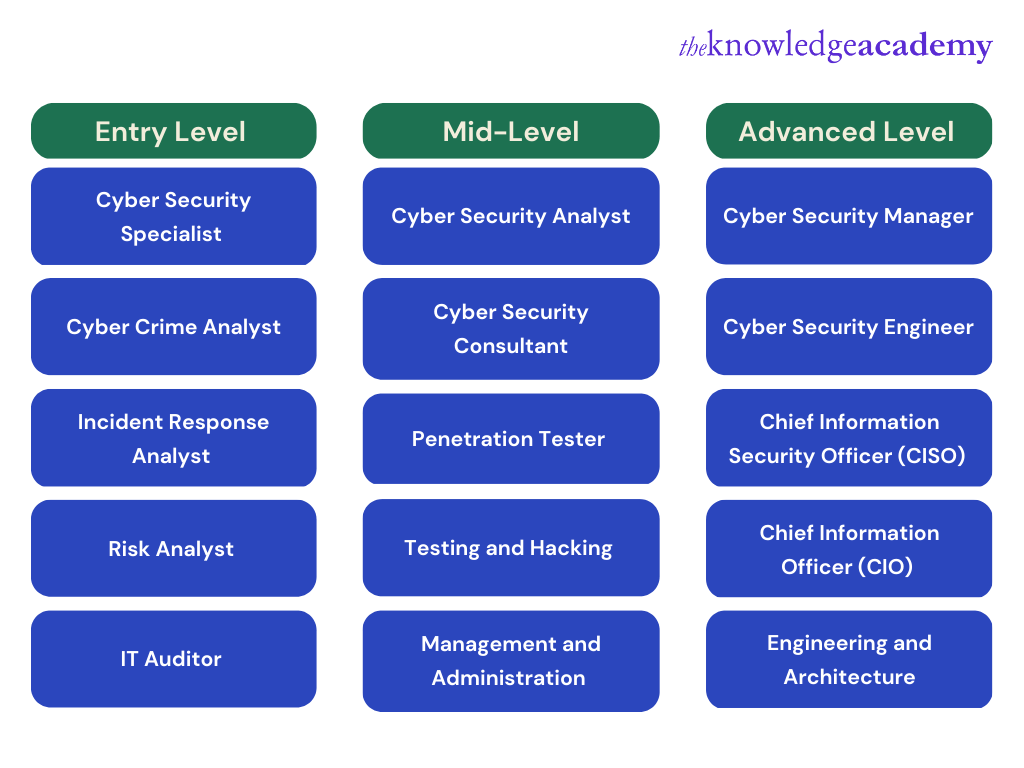
Your First “Real” Job (It’s Not a Dark Room)
Your first role won’t be “Chief Hacker Officer.” It’ll be something like “Security Analyst L1,” which is essentially the night guard of the digital world. You’ll sit in a SOC (Security Operations Center) and watch dashboards of alerts. Most alerts are false positives—like a car alarm going off because a cat sneezed. Your job is to tell the difference between a cat and a real burglar.
It’s monotonous, but it’s also a paid masterclass. You’ll see attack patterns, learn how to write reports that don’t put people to sleep, and you’ll finally understand why your IT guy screamed at you that one time. And yes, there’s a lot of coffee. But the adrenaline rush when you catch a real intrusion? That’s better than that feeling of finding money in an old jacket pocket.
The Soft Skills Nobody Talks About
Biggest surprise? It’s not a solo gig. You’ll spend more time explaining to managers why they can’t click “allow” on every pop-up than actually hacking. You need to translate “buffer overflow” into “like a pipe that’s too full, it spills data” to your boss. Patience and a sense of humor are your real armor.
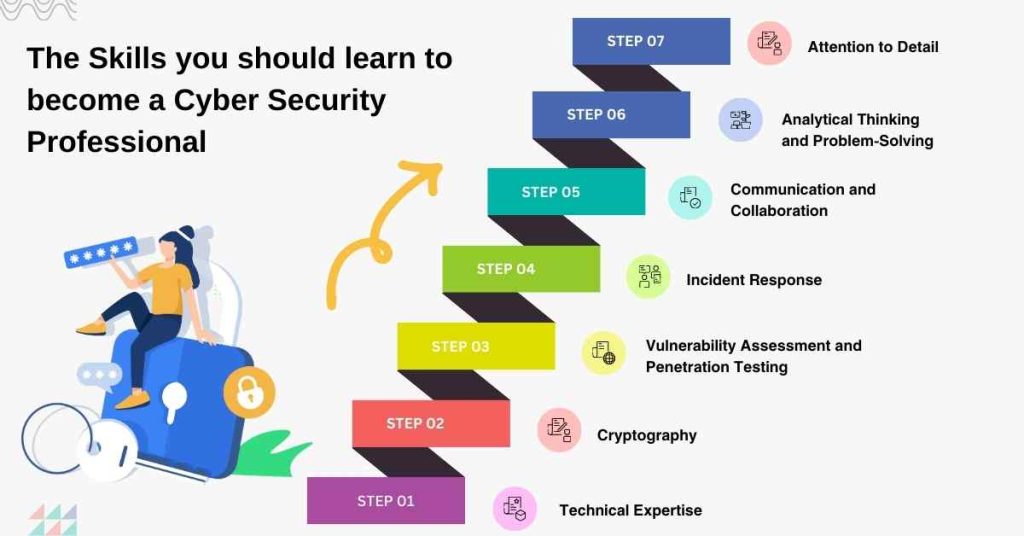
You’ll also learn to say “no” politely. When the marketing director wants to use “Password1” for the company portal, you’ll need to handle it without laughing in their face. That’s a skill. That’s what they call “soft skills,” but they’re really “hard skills wrapped in a fluffy sweater.”
The Real Journey
Here’s the secret: you never “finish” becoming a cybersecurity pro. It’s like being a gardener in a jungle that grows new weeds every minute. You learn one tool, and two new ones appear. But that’s the fun. You’ll never be bored, and you’ll always have a story about the time you “accidentally” locked yourself out of your own server.
So, start today. Read a blog, watch a video, try to hack your own smart fridge (gently). Most importantly, don’t be afraid to fail. The only real failure is thinking that “password” is a strong password. And hey, if you get stuck, just remember: even the pros had to Google “how to open a command prompt” at 2 AM. You’ll be fine.