
How Can I Verify Funds On A Check
:max_bytes(150000):strip_icc()/how-to-verify-funds-315322-final-3193ce4b52094e17bfa22eaa91fce279.jpg)
Okay, so you’ve got a check in your hand. Maybe it’s from a yard sale, a freelance gig, or your Aunt Carol who still thinks checks are the peak of technology. Before you do a happy dance to the bank, let’s talk about the elephant in the room: is that paper actually worth the ink on it?
You could just deposit it and pray. But then you might get hit with a nasty “returned item” fee that makes your coffee budget cry. Let’s avoid that, shall we? Here’s the lowdown on verifying funds without looking like a total newbie.
The “Just Call Them” Method (Old School, But Works)
Yes, we’re going to use our vocal cords. It feels weird, I know. But calling the bank that issued the check is still the most direct way to get a quick answer.
Must Read
Find the bank’s name printed on the check—usually in fancy script at the top. Then, call their customer service line (not the local branch, they’ll just transfer you). You’ll need the account number and the routing number, which are the funny little numbers at the bottom.
Ask them a simple question: “Are there sufficient funds to cover check number ____ for $____?” Here’s the kicker: they will not tell you the exact balance. That’s private. But they will usually say “yes” or “no.” That’s all you need, my friend.
Pro-Tip: Use the Branch, Not the 1-800 Number
Okay, calling the main line is fine, but it’s robotic. If you can, call the branch where the person has their account (it might be on the check). Even trickier? Walk in with the check if the bank is local. A human teller can verify on the spot more easily than a phone rep.
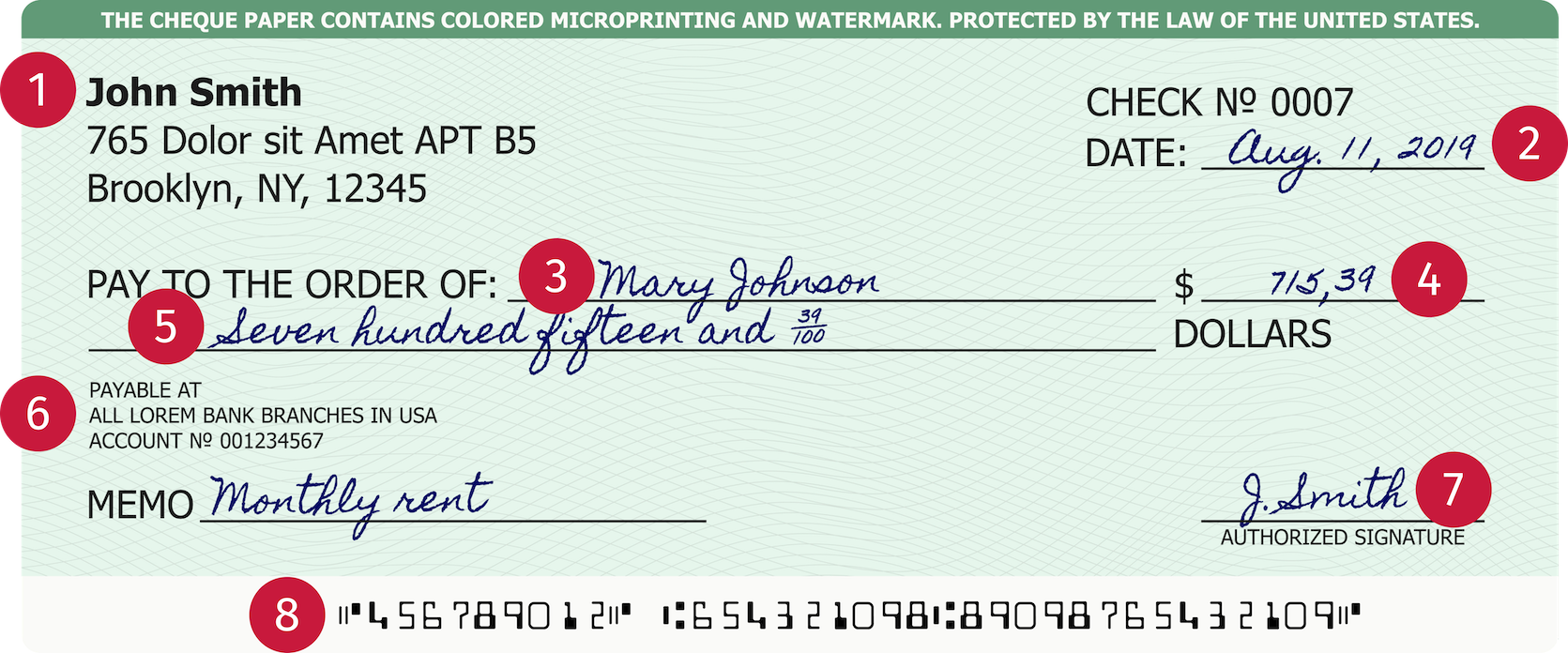
Just be honest. Say, “Hey, I got this check, and I want to verify funds before I deposit it.” They’ve seen it a million times. It’s not a crime scene; it’s just smart money management.
The Sneaky “Mobile Deposit” Trick (Shhh…)
This one is a bit like a magic trick. Do you have a mobile banking app? Most of them let you deposit a check by taking a photo. So, do that. Deposit the check via your app. But don’t spend the money right away.
Here’s what happens: the bank usually makes the first few hundred dollars available instantly. But the full amount? They’ll hold it. If the check bounces, they’ll reverse it, and you’ll get a fee. However, if the funds are not there, the check will bounce within a day or two. Your app will show a “returned” status.

This doesn’t “verify” funds upfront, but it lets you test the waters without direct confrontation. It’s passive-aggressive banking, and honestly, it’s my favorite way to do it.
The “Let’s Wait It Out” Strategy (For the Anxious)
Sometimes, you just don’t trust the source. Maybe it’s a check from a random online buyer for a couch you sold. In that case, don’t deposit it. Instead, take it to the issuing bank in person and ask to cash it.
If they cash it on the spot, boom—you’ve got real money in your hand. No waiting, no risk. They only cash checks if the funds are in the account. If they can’t cash it, you’ll get a polite “sorry, we can’t do that.” And that’s your answer, wrapped in a polite bow.
But careful! Some banks charge a fee for non-customers to cash a check. It might be $5 or $10. Honestly, that’s a cheap insurance policy against a $35 bounced-check fee.

What About Online Check Verification Services?
Ah, the internet. There are websites that claim to verify checks for a fee. Don’t. Just don’t. Most of them are scams or they just give you the same info you could get for free with a phone call. Save your money for a latte instead.
Also, never trust the person who wrote the check. They might say, “Oh, it’s totally good!” But their definition of “good” might be “I hope it deposits before Friday.” People are funny like that. Trust, but verify.
The Red Flags That Should Make You Run
Before you even call, look at the check. Is it written on a plain piece of paper? Run. Is the signature a scribble that looks like a toddler drew a caterpillar? Be suspicious. Are the numbers blurry or misaligned? That’s a printer job, not a bank job.

If the amount is a weird number like $1,237.65 and the memo says “for services rendered,” but they’re a complete stranger? Huge red flag. That’s a classic overpayment scam. They want you to deposit it and wire back the difference. Never do that. Ever. Period.
The Final Word (Keep It Simple)
So, here’s the deal: verifying funds is mostly about a quick phone call or a risky mobile deposit. It takes five minutes. That’s less time than you spend deciding what to watch on Netflix.
Don’t feel embarrassed to ask. You’re not accusing anyone of being a fraudster. You’re just being smart with your hard-earned cash. And honestly, if someone hands you a check and gets offended when you verify it, that’s a giant neon sign that the check is fake.
Now go on, make the call, or risk the mobile deposit. But for the love of all things holy, don’t spend the money until your bank says “cleared.” Your future self—and your bank account—will thank you.


:max_bytes(150000):strip_icc():focal(999x0:1001x2)/Balance_Pay_To_Cash_Checks_315313_V3-ca26385d4eb74c2db14188d577f7ebf4.jpg)