Heads Up Poker Online With Friends

Let’s be honest—there’s a special kind of thrill in locking virtual eyes with your friend across a digital felt table. You’re not just playing a card game; you’re having a private conversation built on bluffs, tells, and sheer nerve. Heads up poker, or one-on-one play, strips away the noise of a full table and turns the game into a pure mental duel.
It’s become a favorite pastime for friends who want to test each other without the hassle of a live casino. You can be in different time zones, wearing pajamas, and still share that electric moment of a river card. Why is it so fun? Because every hand is a direct challenge, and every win feels personal.
The purpose of playing heads up with friends isn’t just about winning money or bragging rights—though those are nice. It’s about sharpening your decision-making skills in a low-pressure, social environment. You learn to read someone’s timing, their betting patterns, and even their typing speed when they make a big raise.
Must Read
The benefits go beyond the game itself. You’ll naturally develop a thicker skin for risk, improve your math instincts for pot odds, and get better at hiding your own emotions. It’s a fantastic way to build emotional intelligence because you’re constantly asking, “What are they thinking about what I’m thinking?”
Surprisingly, this casual digital card game has real uses in education and daily life. Teachers have used simplified heads up poker to teach probability and expected value in math class—it’s much more engaging than a worksheet. In daily life, the skills of negotiation and bluffing translate perfectly to job interviews, salary talks, or even convincing your partner to pick the restaurant you want.
Think about a daily scenario: you’re trying to decide who does the dishes for the week. A quick best-of-ten heads up game on your phone can settle it with laughter instead of an argument. It turns a mundane conflict into a playful strategic moment, and you both practice reading each other’s “tells” in a silly, memorable way.
Ready to give it a shot? Start with a free poker app that supports private head-to-head tables, like PokerStars or PPPoker. Don’t worry about real money—use points or imaginary chips first, so you can focus on the psychology rather than the loss.
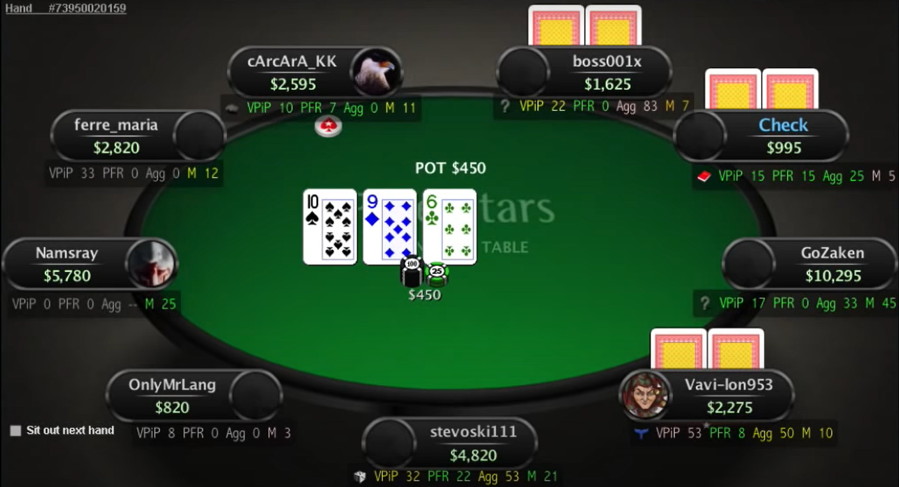
Set a simple rule with your friend: every session lasts 20 minutes, no matter the score. This keeps it friendly and prevents anyone from tilting into a bad mood. Also, try to play with the same person regularly—the real fun begins when you start remembering their past bluffs and adjusting your strategy.
Another easy tip is to watch a few YouTube highlights of professional heads up matches, but don’t copy them. Instead, just notice how often they check instead of bet—it’s usually more than you think. Then, during your next game, deliberately check more often to see how your friend reacts; you’ll learn more from that experiment than from any guide.
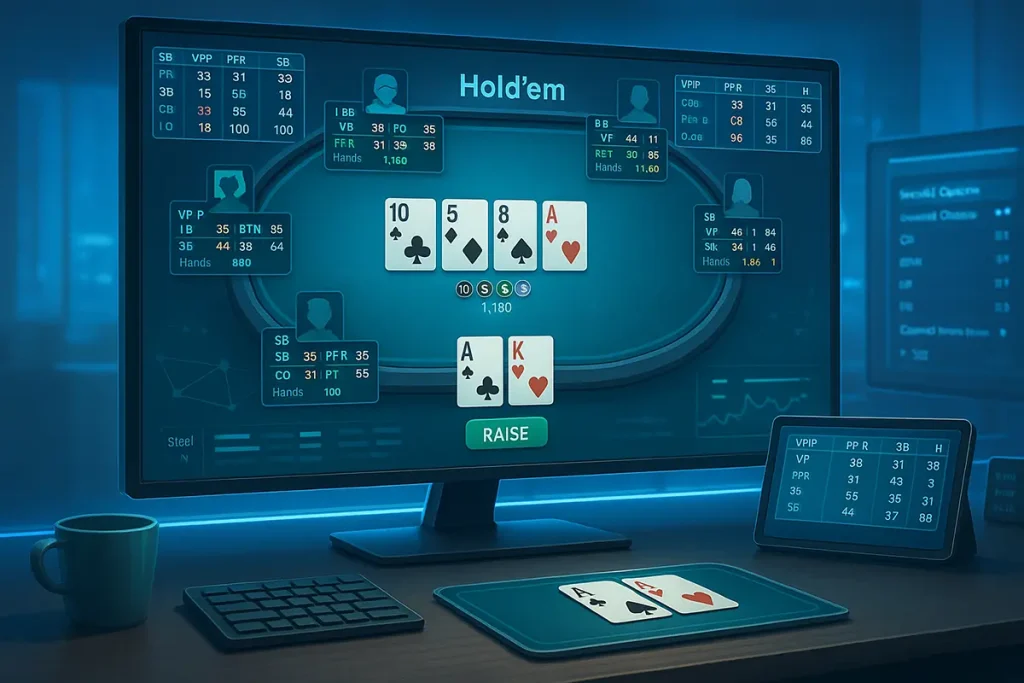
Finally, keep a notebook of your own psychological “tells.” Do you bet faster when you’re strong? Does your friend type “lol” before a bluff? Jotting down these patterns turns a fun game into a tiny lab for human behavior, and your social awareness will grow without you even noticing.
So, grab a friend, pick a time, and deal those two cards. You’ll find that heads up poker online is less about the cards and more about the connection—a shared, curious exploration of each other’s minds. Start small, laugh often, and let the bluffs begin. The best part? The only thing you’ll have to fold is your ego, and that’s a lesson worth every hand.