Growing Panaeolus Cyanescens Outdoors
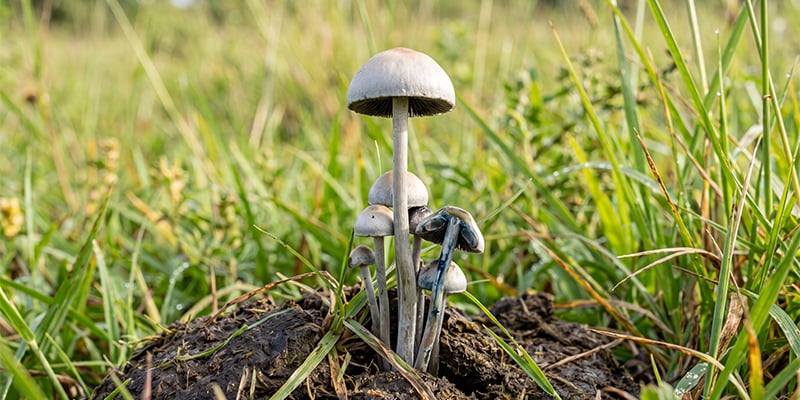
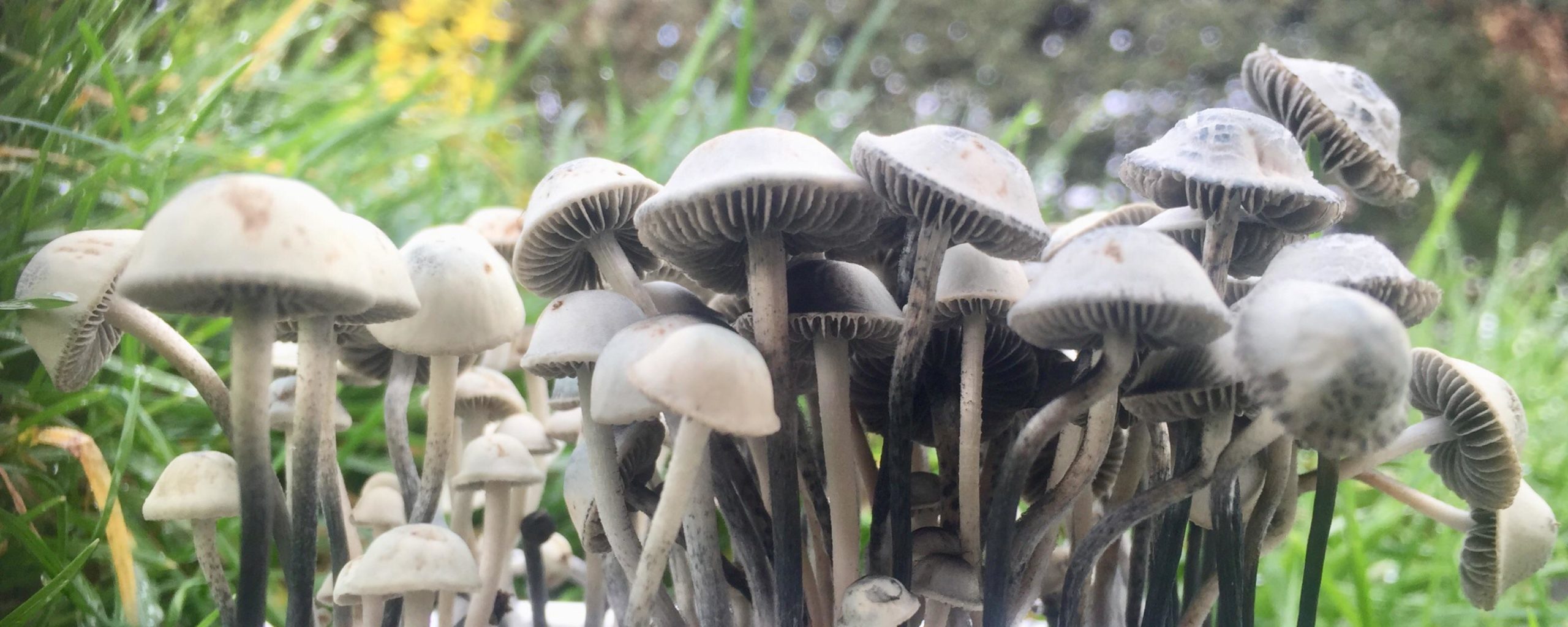
There is a particular fragrance that clings to the memory of a humid summer field after a sudden downpour—a scent of wet earth, crushed grass, and something else, something faintly chemical and profoundly alive. For centuries, this was the only herald of the organism we now call Panaeolus cyanescens, a species of dung-loving mushroom that has woven itself, quietly and persistently, through the annals of ethnobotany. Before the internet, before spore syringes and sterile agar plates, there were only the cow pastures of the American South and the tropical paddocks of Southeast Asia, where hands-on ranchers and wandering naturalists would occasionally stumble upon a cluster of small, bell-shaped caps that bruised a startling, deep blue. These were not the majestic, thick-stemmed psilocybin cubensis that would later dominate counterculture iconography; these were slender, unassuming, and yet, as history would reveal, they carried a potency that was almost laughably disproportionate to their size, demanding a legacy all their own.
The initial human necessity behind cultivating this elusive fungus was never about commerce or recreation in the way we understand it today. It was about intimacy with a landscape. In the mid-20th century, the central figures—men like Gordon Wasson and Roger Heim—were not looking for a high; they were looking for a thread connecting ancient Mesoamerican rituals to the fungal flora of the modern world. The discovery of Panaeolus cyanescens (often called "Blue Meanies" colloquially, though that name carries its own convoluted baggage) in Florida and California in the 1950s and 1960s was a revelation. Here was a mushroom that didn't require the iconic cow pie of the tropical Cubensis; it preferred the fibrous, sun-baked dung of cattle grazing on subtropical grasses, particularly those of the Pennisetum genus. The early cultivators were not scientists in clean labs; they were renegade mycologists with little more than a garden hose, a bag of manure, and a profound respect for the chaotic biology of decomposition. The process was less a science and more a prayer, dependent on weather windows and the whims of spore drop, a slow, analog dance with nature that now feels impossibly romantic.
To understand the outdoor cultivation of this species is to grapple with a paradox: a mushroom that is globally distributed, yet incredibly finicky about its spot in the sun. The early history is steeped in what we might now call "accidental horticulture." Foragers in the 1970s realized that the cyanecsens' mycelium was not just a passive inhabitant of the dung but was actively engaged in a complex war with competing molds and bacteria. The first "cultivators" realized that a freshly laid cow patty was sterile inside, and the trick was to introduce the spores quickly, before the other fungi moved in. They used mason jars filled with soaked straw and horse manure, the "PF Tek" era of the 1980s focusing heavily on Cubensis, but the outdoor specialists knew that Panaeolus demanded more. The breakthrough was the "storm culture"—a technique where a patch would be prepared in a shaded, grassy area, the soil amended with a thick layer of aged manure, and then the entire area would be left to the mercy of the elements, relying on a violent thunderstorm to trigger the fruiting. It was a game of patience, a gamble against aridity, and the success rate was abysmal by modern standards, yet the thrill of finding a flush of storm-forged blue-bruisers was unmatched.
Must Read
The Golden Age of the Manure Patch: Transformations and Forgotten Techniques
As the 1990s dawned, the landscape of cultivation shifted from the humid, secretive backyards of the Gulf Coast to the pre-internet bulletin board systems that crackled with static and typewritten wisdom. The transformation of outdoor Panaeolus growing revolved around the central realization that this mushroom was a "secondary decomposer." Unlike wood-loving species, it didn't need the vigorous breakdown of lignocellulose; it needed the microbial pre-digestion of cellulose that occurs in the gut of a grazing animal. This led to a bizarre period known as the "Cow Diet Era," where growers became obsessed with animal husbandry. Articles in underground journals, printed on cheap paper and passed hand-to-hand, urged growers to locate a specific field, befriend the farmer, and stealthily alter the cattle's diet by introducing a small amount of fungal spawn to their feed—a process that was both dangerous and rarely effective. The more practical, yet equally forgotten technique, was the "straw slurry." Growers would take bulk pasteurized straw, chop it finely, mix it with cow manure at a ratio of 3:1, and then layer it into shallow trenches dug in their lawns. The bizarre part was the irrigation protocol: growers used rainwater exclusively, because the chlorine and fluorides in tap water were seen as "entity inhibitors," a pseudo-scientific belief that persisted for over a decade.
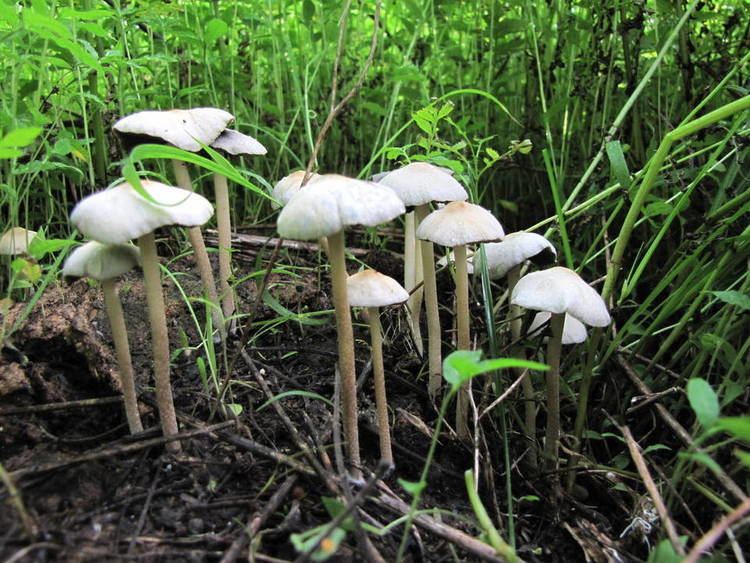
Another vintage fact that has been lost to the modern digital age is the use of "companion plants." In the late 1970s, amateur mycologists in New Zealand and Hawaii noticed that Panaeolus cyanescens did not fruit in exposed, barren dung patties. They fruit specifically where the grass is thick and has been recently grazed, because the grass provides a shadowy microclimate and the root systems wick away excess moisture. The forgotten technique was to plant a specific variety of warm-season grass, like Bermuda grass (Cynodon dactylon), directly over the prepared spawn bed. This created a living roof, a natural greenhouse effect of humidity, and the grass roots acted as a physical barrier to competing, sun-loving molds. Growers would spend weeks pruning the grass to maintain a canopy height of exactly four to six inches, treating the mushroom patch like a zen garden. This level of horticultural intimacy has almost entirely vanished in the age of indoor monotubs, but for those who practiced it, the results were magnificent: massive caps, up to 3 inches across, with a caramel-colored umbo and gills that turned jet black, yielding a potency that made the indoor "Golden Teachers" of that era feel like a placebo.

The 2000s brought a dark age for the outdoor patch as a cultural entity. The rise of the internet led to the tracking of spore prints and the commodification of genetics, but it also brought a wave of "lazy cultivation." Growers wanted the reliability of indoor grows, and the outdoor patch was increasingly viewed as a relic of a slower, dirtier time. Yet, the most significant transformation of this period was the discovery of "storm drive." This was a term coined on the old Mycotopia forums to describe the phenomenon where the mycelium would only initiate primordia formation after a sudden drop in barometric pressure followed by warm, soaking rain. Growers replicated this by using industrial sprinklers set to a "pulse" cycle that mimicked rain, but they missed the crucial factor of temperature shock. The forgotten fact was that Panaeolus cyanescens requires a soil temperature swing of at least 5°C (9°F) between day and night. Indoor growers couldn't achieve this without expensive climate controls, so they abandoned the species, leaving the outdoor patch as the home for a specific type of obsessive purist. These purists developed the "fatty mulch" method, layering a thick, decaying straw bed over a nutrient-rich base of chicken manure (which is higher in nitrogen), and then burying it under a layer of live moss. This bizarre technique, which seemed arbitrary at the time, was actually a hack for nitrogen management, as the moss absorbed excess nutrients that would otherwise trigger heavy mycelial overgrowth without fruiting.
Modern Hacking: The Fusion of Old Wisdom and New Tech
Today, the ancient principles of the outdoor patch are being resurrected and hacked with a technological precision that would have baffled the growers of the 1960s. The key modern innovation is the "biotope simulation unit." Instead of finding a cow pasture, modern hobbyists are building micro-biomes in their backyards using PVC hoops and shade cloth. They combine a base of aged, leached manure with a layer of freshly cut grass clippings, then spray the entire surface with a solution containing commercial microbial inoculants (like Trichoderma harzianum in small doses, ironically, as a immune booster for the mycelium). They use open-source weather APIs to timelock their watering systems to mimic the humidity peaks of the classic rainy season. The modern hack is the use of "myco-paste"—a gel of hydrated spores and nutrients injected directly into a coir and manure blend buried six inches underground. This bypasses the fragile surface spawn, placing the energy directly into the warmer, more stable subterranean zone.
The most radical modernization is the use of genetic "weatherproofing." There are now labs informally breeding for "temperate tolerance," selecting isolates of P. cyanescens that can fruit at temperatures as low as 18°C (64°F), which was previously thought impossible. Combined with automated soil moisture sensors that communicate via Wi-Fi to a home server, the classic "storm culture" no longer relies on a violent thunderstorm. Instead, a combination of a cooling fan (to simulate the wind drop) and a fine mist blaster (to simulate the rain) can trigger a flush within 48 hours, on demand. However, the most cherished hack among the new generation is the "de-worming" protocol. Historically, outdoor patches were ravaged by nematodes and fly larvae. The modern solution isn't chemical pesticides (a heresy), but the introduction of Stratiolaelaps scimitus, a predatory mite that devours fungus gnat larvae, and Steinernema nematodes that kill the harmful larvae. This biological defense network allows the outdoor patch to remain an open-air ecosystem, retaining the wild, potent character of the mushroom, while drastically reducing the crop loss that plagued the old-timers.
The Eternal Questions of the Blue Field
1. Why is my outdoor patch bruising blue, but producing very few mushrooms?
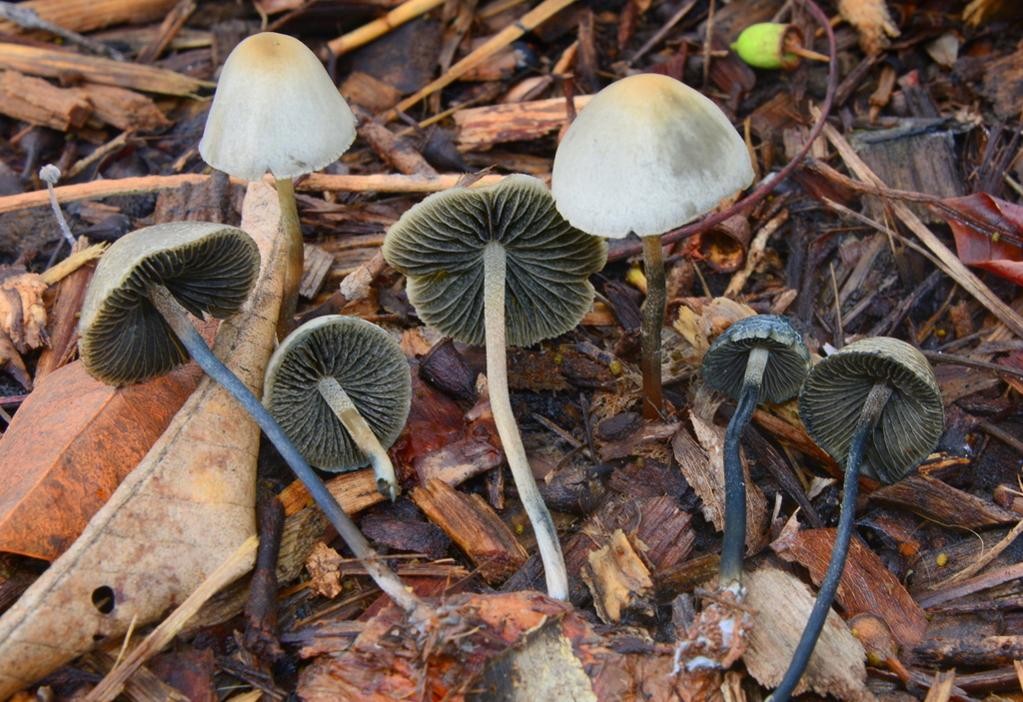
This is the most common, and historically fraught, issue. The blue bruising is oxypsilocin, an oxidation byproduct, and indicates vigorous mycelial activity. However, in the vintage lore of the 1980s, a blue patch with no fruits was called "the ghost in the soil." The historical myth was that the mycelium was "spent" or that a rival fungus had taken over. In truth, the modern fact is that this is a classic sign of excess nitrogen in the substrate. The mycelium is in a "vegetative overdrive," consuming nitrogen to build up hyphal mass, and lacking the phosphorus and potassium signal to switch to reproductive fruiting. The old-timers fixed this by waiting for rain, which would flush the nitrogen. The modern hack is to apply a very dilute solution of phosphorus-heavy amendment, like bonemeal tea, which triggers the switch without washing away the mycelium’s metabolic base. Blue bruising without fruiting is not a disease, but a nutritional imbalance—a sign your soil is too rich, a problem our ancestors solved with a simple flush of clean water.
2. Can I transplant wild mycelium from a pasture into my garden, or is this a myth?
In the 1970s, this was the "sacred sod" technique. Growers would take a sod cube from an active pasture, containing both the grass and the buried mycelium, and transplant it directly into their yard. The myth was that the mycelium would "imprint" on the new soil, creating a permanent patch. The grim reality, as discovered by the 1990s cultivators, was that this often introduced parasitic molds and mites, leading to a catastrophic die-off. The modern fact is that this is still viable, but only if you perform a "hospital transfer." You must break the sod, isolate the pure white mycelium strands (rhizomorphs) from the dirt, and clean them gently with diluted hydrogen peroxide. Then, you inoculate a sterile, manure-based bedding tray to allow the mycelium to recover in a controlled environment before exposing it to the brutal outdoors. Wild genetics are notoriously fickle, and their environmental acclimatization is a slow process—rushing it is a recipe for ruin. The past taught us that the "wild" spirit of the mushroom is not in the dirt, but in the genetics, which must be stabilized over several generations.
3. Is outdoor cultivation of Panaeolus cyanescens legal and safe?
This is the most critical question, laden with historical baggage. In the 1960s, the legal status was murky; dried mushrooms were sold openly in head shops in parts of the US until the 1972 federal legislation criminalized psilocybin. The historical myth was that "going outdoors" was safer than indoor because you could claim they were accidental "weed mushrooms." This was a dangerous fantasy that led to many arrests in the 1990s. The modern fact is unequivocal: growing Panaeolus cyanescens for the psilocybin content is illegal in almost every jurisdiction worldwide (except for specific research permits). The spores are often legal to purchase for microscopy, but the introduction of spores to a nutrient substrate is considered cultivation, a felony in many places. Safety-wise, there is a gross misunderstanding about outdoor growth. While this mushroom is potent, the field also contains deadly lookalikes like Galerina marginata, which can grow in the same grassy habitat. The modern practice demands rigorous spore printing and microscopy to confirm identification before even thinking about consumption. The old-timers knew the dangers, but they accepted the risk as a rite of passage. For us today, the wisdom is to treat outdoor cultivation with a respect that goes beyond legality—it is a practice of deep ecological understanding, not a shortcut. It demands that you become a master of ecological nuance, armed with the knowledge that the mushroom is a biological treasure that requires a cathedral of conditions to thrive.
Looking ahead twenty years, we see a profound, almost poetic revival of the outdoor Panaeolus patch. As climate change alters the grazing patterns of livestock, we will likely see a shift toward vertical, rooftop "pasture plots" where mycelium is cultivated in a symbiotic relationship with hydroponic greenery, fusing the ancient dung-cycle with modern urban agriculture. The futuristic vision is not a sterile lab, but a living, breathing garden called a "psycho-habitat." These spaces will be designed as biodiversity reservoirs, using the mushroom's aggressive mycelium to bioremediate heavy metal-laden soils, breaking down pollutants while producing a potent botanical. The focus will shift from raw chemical extraction to "harm reduction via ecology," where micro-dosing with field-fresh, rain-irrigated fruits becomes a normalized part of wellness routines in eco-villages. The mushroom, which began as a secret in the cow patty, will be reborn as a keystone species in the fight for mental health and soil regeneration.
Yet, we must not lose the soul of the craft. The next century of growers will have AI-driven weather predictors and robotic harvesters that can scan for the perfect stage of the expanding cap, but they will still feel the same primal joy that the 1950s foragers felt when they bent down to see that vibrant blue bruise, a bruise that signals a life force more complex than any algorithm. The future of growing Panaeolus cyanescens outdoors is a return to the pastoral, a rebellion against the sterile indoor monotub that dominated the early millennium. It is a handshake with the ghosts of the hunters, a commitment to the slow, irrefutable magic of decomposition and rebirth. The field is not just a growing medium; it is a time machine, connecting the ancient mycophobia of our ancestors to the microscopic sentience of a future where we finally understand that we are not growing mushrooms—they are growing us, one storm, one patch, one blue bruise at a time.