
How Much Does Pt Cost Per Session
Let’s face it: we all want to move better, feel stronger, and dodge the aches that come with adulthood. That’s why so many of us finally cave and book that first physical therapy (PT) session—only to gasp at the bill. But here’s the secret: PT isn’t just for injuries; it’s a masterclass in how your body actually works, and the price tag is often more flexible than you think.
Think of a PT session as a tune-up for your engine, not just a repair shop for a breakdown. The benefits ripple far beyond fixing a bad knee—better balance, less back pain from desk marathons, and even improved sleep because your nervous system finally relaxes. You’ll learn to squat, lift, and even tie your shoes without your lower back screaming, which makes everyday life feel dramatically easier.
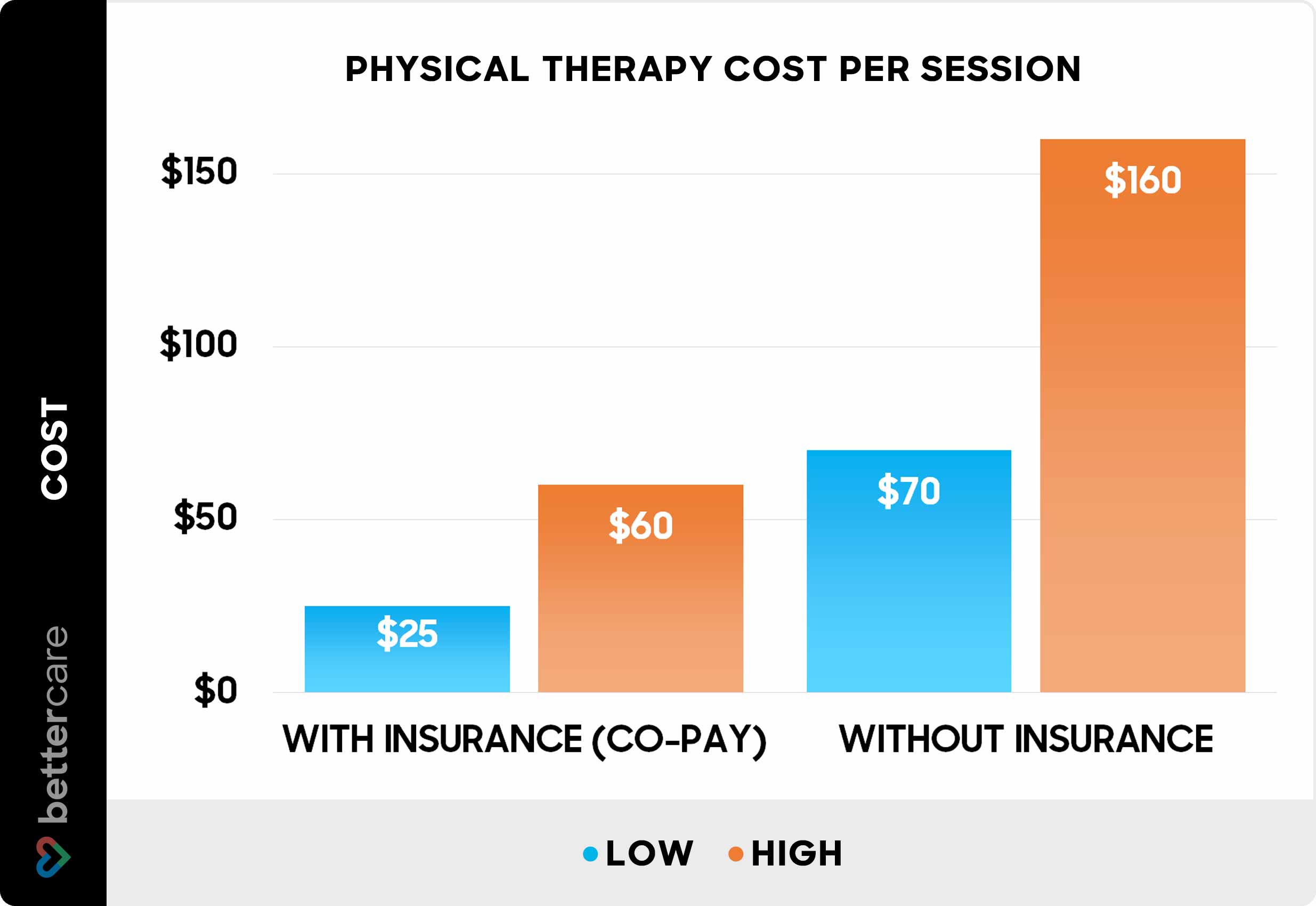
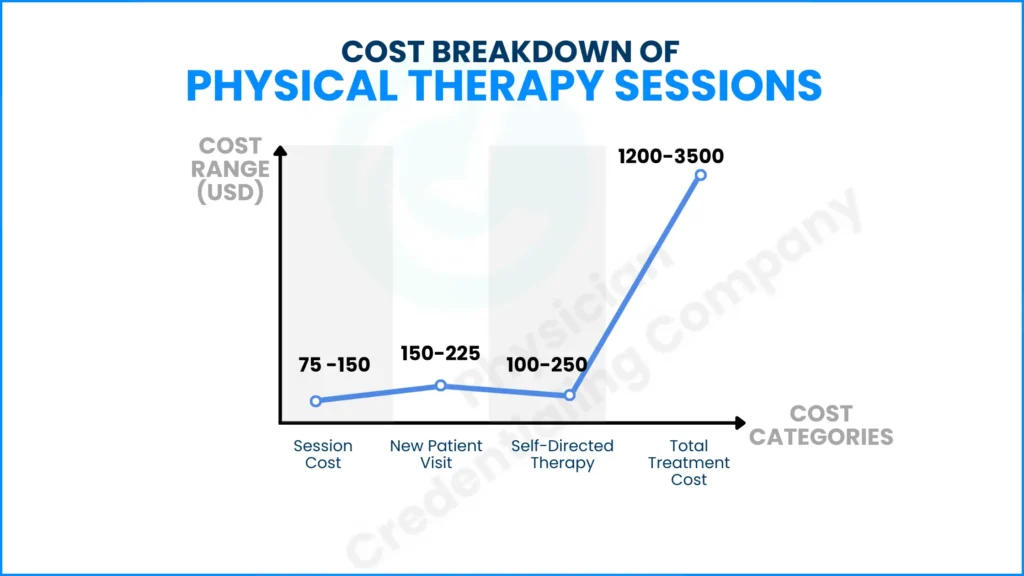
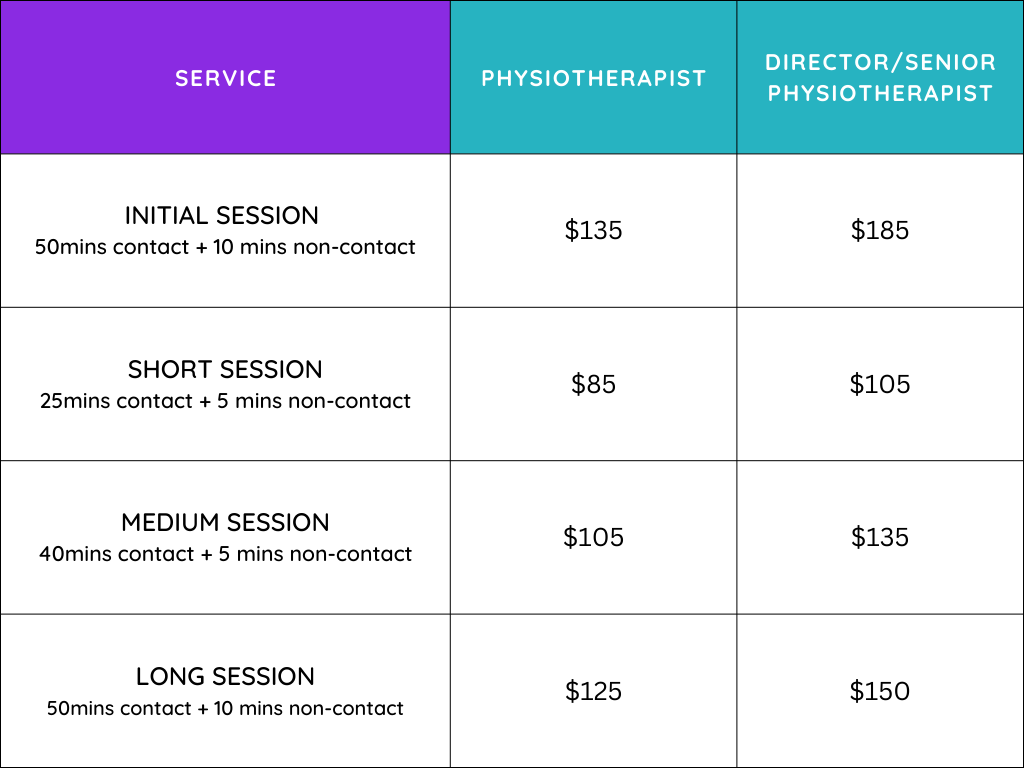
Now, the big question: how much does it actually cost? In the U.S., a typical 45-to-60-minute session runs anywhere from $75 to $150 if you pay cash, but with insurance, your copay might be just $20 to $50. Without insurance, many clinics offer “self-pay” rates that drop to $50-$100, especially if you buy a package of four or more visits.
Must Read
But wait—there’s a twist. The price wildly depends on where you go and who you see. A hospital-based clinic might charge $200 per hour, while a small private practice with a solo therapist might only ask $85. Your location matters more than you’d guess: a session in Manhattan can cost double one in rural Ohio, yet the quality of care is often identical.
So, how do you get the most bang for your buck? First, ask for a “plan of care” upfront—a good PT will tell you how many sessions you need and why. Second, do your homework: many clinics offer a free 15-minute consultation, so you can compare prices and personalities before committing a dime.

Third, and this is huge: your homework between sessions is where the real value lives. A PT session is just the spark; the fire burns when you do those 10-minute daily stretches at home. If you skip them, you’ll need twice as many paid visits, so treat your exercises like a non-negotiable meeting with yourself.
Another pro tip: look into “maintenance” sessions—many clinics offer a discounted monthly rate (like $60 per visit) for ongoing mobility checks, even if you’re not injured. That’s a steal compared to chronic pain meds or a surgical consult. And don’t forget telehealth: online PT sessions often run 30% cheaper, and for many issues, a camera angle is all the therapist needs.

Finally, never be shy to negotiate—yes, really! Call three clinics, say, “I’m paying out-of-pocket, can you match X price?” and you’ll be shocked how often they say yes. Cash patients are actually cheaper for clinics because they skip insurance paperwork, so use that leverage.
Here’s the golden rule: your first session should always include a full assessment, not just a quick rubdown. If you’re charged $100 and all you get is heat pads and a generic handout, walk away. A great PT will test your strength, watch you move, and give you one specific homework exercise—that’s worth the money.

To enjoy PT more effectively, think of it as a coaching relationship, not a doctor visit. Bring your workout shoes, wear comfy clothes, and come with a list of “what hurts when” questions. The more engaged you are, the faster you graduate, and the less you’ll spend in the long run.
So, stop guessing and start asking. Whether you’re a weekend warrior or a desk-bound zombie, one or two PT sessions can teach you more than a year of YouTube videos. And at $50-$150 per visit, it’s a bargain compared to a lifetime of stiffness—just remember to do your stretches, negotiate like a pro, and never pay full price without asking.

.png)