Games To Play With Friends On App

There is a quiet vulnerability in the act of opening a game app and waiting for a friend’s avatar to appear. In that digital liminal space, we are not just passing time; we are subconsciously negotiating a fundamental human need for belonging. Our brains, wired for tribal connection, interpret these virtual interactions as real social events, releasing oxytocin and dopamine in patterns remarkably similar to physical togetherness. Yet, in our hyper-connected age, we often feel paradoxically isolated. The games we choose to play with friends on our phones have become a modern-day campfire—a place to gather, share stories, and feel the warmth of another’s presence, even from miles away. Understanding this psychological underpinning transforms a trivial pastime into a profound tool for emotional maintenance.
The relevance of this has never been more acute. We live in a time where geographical distance is the norm, yet emotional proximity is the desperate need. The casual swipe of a card or the cooperative tappity-tap of a puzzle isn't just a distraction; it’s a lifeline. When we engage in these micro-interactions, we are actively rewriting the narrative of loneliness. We are telling our amygdala that we are safe, that we are not alone, and that someone out there is thinking of us in real-time. This article isn’t about high scores or leaderboards; it’s about the messy, beautiful, and essential human psychology that unfolds when we play together, virtually. It is an exploration of how these games act as a mirror to our personalities, a balm for our anxieties, and a subtle gymnasium for our emotional intelligence.
The Hidden Emotional Architecture of Digital Play
Beneath the colorful graphics and catchy soundtracks lies a complex emotional chessboard. When we choose to play a cooperative game like Sky: Children of the Light or a competitive one like Wordle (sharing results), we are making a subconscious decision about our emotional state. A preference for cooperative games often signals a high need for psychological safety; we crave the reassurance that comes from working with someone towards a common goal. The anxiety of failure is distributed, and the triumph is shared. This mirrors a secure attachment style, where one feels confident in the support of their social network. Conversely, a gravitation towards competitive apps like Brawl Stars or 8 Ball Pool might hint at a need to validate competence or assert autonomy within the friendship, a playful attempt to renegotiate social hierarchies in a safe environment.
Must Read
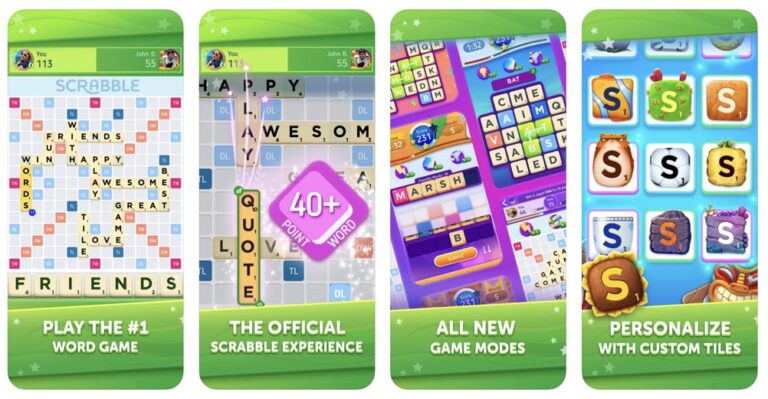
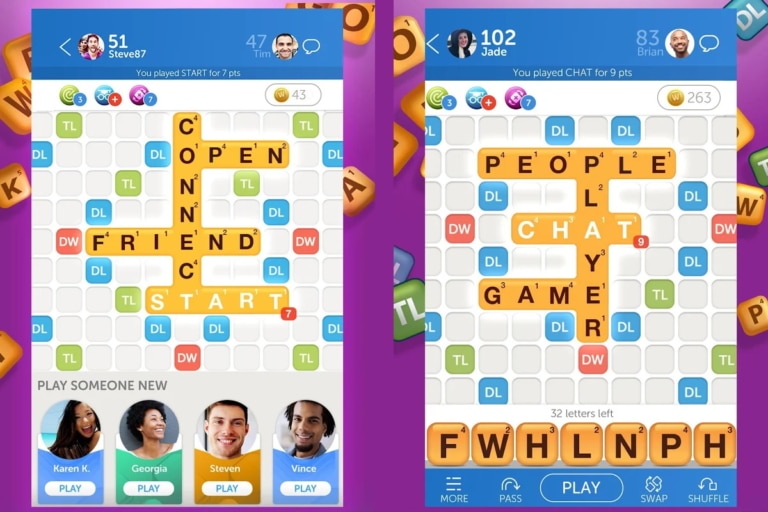
There is also the subtle dance of turn-taking and shared attention. Games like Words With Friends or Spades require patience and a respect for the other person’s time. This asynchronous play is a profound act of trust. We place a piece of our attention into a digital void and trust that the other person will honor it. When they respond, we feel seen. When they don’t, our brains often trigger a low-grade threat response—a feeling of being ignored. This is the psychological hurdle of the modern era: interpreting silence in a world of constant ping. The game becomes a barometer for the relationship's temperature. Are they engaging? Do they care? The emotional stakes are high, even if the game pieces are digital.
Furthermore, these games act as a permission slip for childlike vulnerability. In adult life, we are conditioned to be guarded, efficient, and composed. But when we lose a silly game of UNO! or fall off a ledge in Fall Guys, we are allowed to be clumsy. We laugh at ourselves. This shared vulnerability is the glue of deep friendship. It signals to our primate brain that it is safe to show weakness. The cognitive bias at play here is the "IKEA effect" applied socially—we value the connection more when we have invested effort (even if that effort is just losing gracefully) into building it. These games give us a structured, low-risk environment to practice forgiveness (for a bad move) and resilience (after a crushing defeat), which translates directly into our real-world emotional fortitude.
Curating Your Digital Social Diet for Mental Wellness
To harness the psychological benefits of these games, we must become intentional curators rather than passive consumers. The first step is to perform a "social app audit." Ask yourself: How do I feel after playing this specific game with this specific person? If you feel drained, anxious, or inadequate, that game is a toxic tonic. Conversely, if you feel connected, energized, and light, you have found a healthy psychological nutrient. Choose games that amplify your strengths and allow you to show up as your best self. For instance, if you are naturally a strategist, pick a game that lets you feel competent. If you need comfort, pick a soothing, low-stakes environment where the focus is on conversation rather than competition.

Next, establish a "ritual of connection" around the game. Do not just open the app when bored. Instead, message your friend: "I’m feeling a bit stressed, want to build a world together in Minecraft?" This transactional framing transforms the game into a deliberate act of co-regulation. It sets an intention. During the game, practice mindfulness. Notice the sound of your friend's laughter (or their typed "hahaha"), the shape of their avatar, the shared problem-solving. This is a form of meditative presence. By anchoring yourself in the sensory details of the digital interaction, you trick your nervous system into believing you are physiologically synchronized with your friend, which lowers cortisol levels and increases feelings of safety.
This newfound awareness must also be extended to the boundaries of play. It is crucial to recognize when gaming is a form of connection versus a form of avoidance. If you are using the game to avoid a difficult conversation with that same friend, the app becomes a shield, not a bridge. Schedule a "tech-free check-in" with your core group. Use the game as the initial icebreaker, but consciously pivot to deeper topics. Ask, "What was the highlight of your week?" This blends the dopamine of the game with the oxytocin of genuine sharing. Furthermore, implement "sleep hygiene" for your social gaming. Do not engage in high-stakes competitive play right before bed, as it can spike adrenaline. Reserve the hours before sleep for cooperative, passive games that allow for winding down together, like a collaborative puzzle or a virtual garden.
Finally, diversify your "emotional portfolio" of games. Just as a financial portfolio needs variety, so does your social brain. Have one game that is purely silly and physical (like Heads Up!), one that is intellectual (like Trivia Crack), and one that is deeply cooperative (like Stardew Valley). This ensures you are exercising different emotional muscles. The silly game releases endorphins, the trivia game engages the prefrontal cortex for mental sharpness, and the cooperative game builds trust. By alternating these, you create a holistic workout for your relationship, preventing stagnation and boredom, which are the silent killers of long-distance friendships.
Frequently Asked Questions: The Psychology of Play
Why do I feel anxious when my friend doesn't play back immediately?
This is a classic activation of the brain's "social monitoring system." In our evolutionary past, being ignored by the tribe was a lethal threat. Despite knowing that your friend is just busy, your amygdala doesn't differentiate between a physical exile and a digital "read receipt." The anxiety you feel is a ghost of an ancient survival mechanism. This is compounded by the "mere urgency effect," where the constant availability of our phones makes us perceive delays as intentional slights, rather than logistical realities.

To manage this, reframe the anxiety cognitively. Remind yourself that the game is an asynchronous gift, not a demand. The pause in play is a space for your friend to live their life; it is not a rejection of you. Use the waiting period as a mindfulness bell. When you feel the urge to check if they have moved, take three deep breaths and consciously redirect your attention to your physical environment. By acknowledging the trigger and soothing your inner child with self-compassion, you build a stronger, less anxious attachment to your digital friendships. Eventually, you will learn to savor the anticipation as part of the fun, rather than fearing it.
Can competitive games damage a real-world friendship?
Yes, they can, but only if communication and emotional regulation are lacking. Competition activates the 'fight-or-flight' response and raises testosterone levels, even in a virtual setting. This can inadvertently breach the "play frame"—the psychological buffer that differentiates play from reality. If a player has low self-esteem or a fragile ego, a loss in a game can be perceived as an attack on their identity, leading to passive-aggressive behavior or overt hostility. This creates an emotional scar tissue in the relationship that can be difficult to heal.
However, when navigated with empathy, competition is a profound growth tool. It allows for the practice of "constructive conflict." Before engaging in competitive play, establish a verbal contract: "No matter what happens, we are friends after." This conscious pre-commitment signals to your brain that the game is a controlled environment. The key is to debrief after the game. If you feel a surge of frustration, voice it in a vulnerable way: "I felt frustrated, but I love that you beat me—it makes me want to improve." The vulnerability conundrum demands that we place the relationship higher than the scoreboard. If a specific game consistently triggers darker emotions, have the maturity to retire it and switch to a cooperative title. The goal is to cultivate the bond, not to defeat the other person.
Are these app games a substitute for in-person meetups?
From a psychological standpoint, they are a complement, not a complete substitute. In-person interactions saturate the senses with far more data—smell, touch, micro-expressions, and proximity. These signals are crucial for full-spectrum emotional intimacy. However, for individuals with chronic illness, geographic isolation, or severe social anxiety, app games are a vital, literal lifeline. They provide a sense of "phantom presence" that halts the spiral of loneliness. They are the bridge that keeps the connection alive until the physical path is available again.
In a healthy dynamic, you should treat app games as the appetizer or the dessert, never the main course. They are excellent for maintaining daily contact, fostering a sense of "micro-presence," and coordinating future plans. But they cannot replace the deep, restorative power of sitting in silence with a friend over coffee. The ideal model is a "hybrid" relationship—use the app for daily maintenance and laughter, but actively schedule video calls and physical meetings to solidify the bond. The digital realm is the scaffolding; the physical is the architecture.
How can we use games to help a friend who is struggling emotionally?
Games can be a powerful "side-door" to emotional support. Many people are too guarded to respond to a direct text: "How are you feeling?" But they might respond to an invitation to play Calico or Unpacking (highly therapeutic games). The game provides a parallel activity that lowers the social pressure of eye contact and allows for easier disclosure. The focus on a shared mundane task gives the brain a break from hyper-vigilance, making it easier to open up. The key is to be present, not performative. Do not use the game to distract them from their feelings; use it as a gentle platform to let them express them.
When playing with a struggling friend, adopt a "witnessing" stance. As you play, ask open, non-directive questions like, "What’s the heaviest part of your week right now?" Then, listen without trying to fix. The game acts as a container for the emotional weight. It is a form of "companionable silence," which is often more healing than advice. By showing up consistently, day after day, for a game of chess or a puzzle, you are communicating an unmovable message of support. This consistency builds "ontological security"—the feeling that the world is safe and predictable—which is often shattered during depressive episodes. You become the anchor.
What is the best way to introduce a new game to a group of friends?
The introduction of a new game is a delicate dance of "cognitive load" management and social hierarchy. The primary hurdle is the "curse of knowledge"—you know the rules, but they don't. If you dump too much information, you induce cognitive fatigue and frustration. The empathetic approach is to choose a game with a low learning curve or a tutorial. Start by playing a "practice" round with no stakes, where you explicitly state: "Let's just explore the buttons for fun; winning doesn't matter." This lowers the performance anxiety significantly.
Furthermore, be sensitive to the group's diversity of skills. If one person is a hardcore gamer and the other is a novice, the dynamic can become imbalanced. A great facilitator will pair players or create team-based modes to level the playing field. Ask the group for their preferred genre before suggesting a specific app. Some people find word games mentally draining after a long work day, while others find them soothing. The ultimate goal is to find a "flow state" for the group. Start with a game that is low-stakes, visually soothing, and has a chat interface to encourage conversation. The game should act as a third space, not a demanding taskmaster. If the first attempt fails, do not take it personally. Acknowledge the mismatch and pivot with humor, reinforcing that the goal is connection, not the specific software.
The quiet revolution of playing games with friends on our phones is a testament to the human spirit's capacity for adaptation. We are turning a tool of potential isolation into an instrument of profound intimacy. By understanding the psychology behind turning, waiting, competing, and cooperating, we unlock a sustainable path to maintaining our mental health. We learn to be gentle with our anxious minds, to forgive our competitive instincts, and to prioritize the sacred bond over the transient score. This mastery is not about digital literacy; it is about emotional fluency.
Ultimately, these pixels and sounds are merely vessels for the most human of activities: showing up for one another. When we approach virtual play with intentionality, we are not just passing time; we are building resilience, practicing empathy, and weaving a safety net of connection that catches us in our darkest hours and launches us into our brightest ones. So, open that app, send that invite, and play. In that simple act, you are performing a profound act of self-care and collective healing, proving that distance is merely a physical property, not an emotional one.