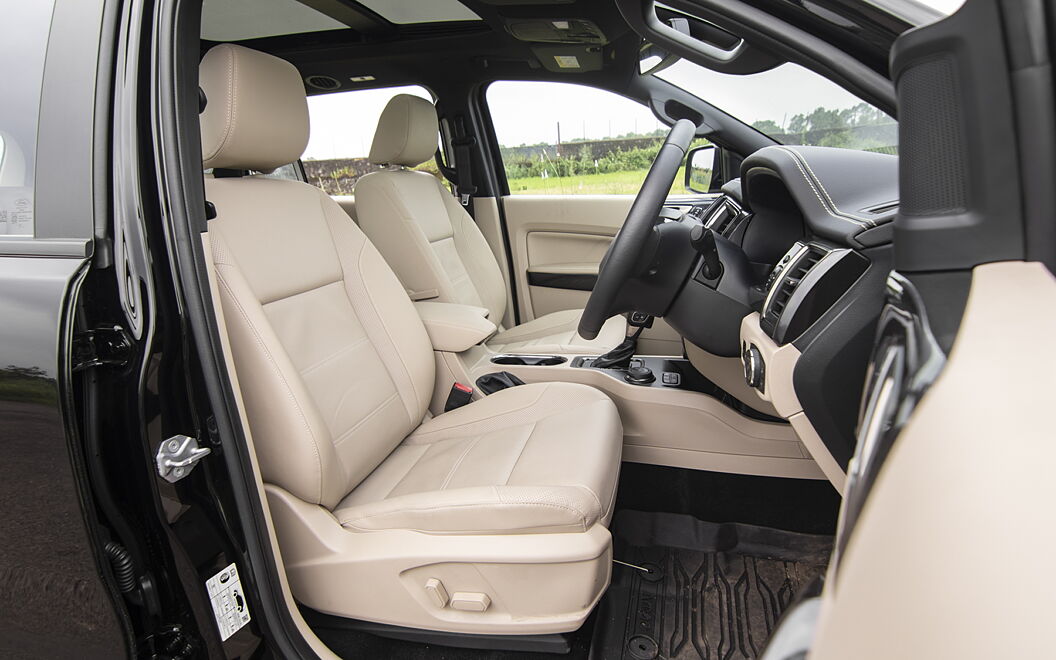
Ford Endeavour 2008 Model Interior

The year is 2008. The global financial crisis is simmering, but in the garages of the upwardly mobile, a different kind of bull market is raging. The Ford Endeavour, a nameplate that has since become a cult classic in markets like India, Australia, and the Middle East, was already staking its claim as the definitive "shock and awe" SUV. But to judge this machine solely by its chassis or its brawny ladder-frame construction is to ignore the true theater of the experience: the cockpit. Stepping into a 2008 Endeavour is not merely entering a vehicle; it is stepping into a time capsule of late-2000s automotive bravado, where plastics were thick, buttons were plentiful, and the concept of "minimalism" was considered a European disease. Yet, behind the dated infotainment and the acres of dashboard, lies a masterclass in utilitarian ergonomics and psychological dominance that remains surprisingly relevant in our age of over-styled, screen-dominated cabins.
Why revisit an interior that’s nearly two decades old? Because in the rush toward digital everything, we have lost a certain tactile honesty. The 2008 Endeavour’s cabin is a relic of a time when an SUV was meant to feel like a fortress, not a lounge. It doesn’t pretend to be a luxury sedan; it proudly struts its commercial-grade DNA, yet wraps it in enough faux-wood and chrome to make a Vegas casino lobby blush. For the enthusiast, this interior isn’t just a place to sit—it’s a study in contrasts: the hard-wearing utility of a workhorse trying to pass itself off as a gentleman’s club. Understanding this interior is to understand why a generation of drivers still searches for this specific model, not for its off-road prowess, but for the singular feeling of invincibility that only this specific dashboard architecture can provide.
The Ergonomic Theater of Command
Climb into the driver’s seat of the 2008 Endeavour and the first thing you notice is the sheer height. It is a throne, not a seat. The steering wheel, a thick-rimmed, leather-wrapped boat anchor of a tiller, tilts and telescopes—a luxury we take for granted today, but in 2008, it was a godsend for taller drivers who previously had to hug the wheel of competing SUVs. The dashboard is a horizontal slab of grey and beige, designed to make the cabin feel wider than a Texas highway. However, the psychological trick here is the split-level design. The lower half, where your knees rest, is entirely hard, unyielding plastic. This isn't a cost-cutting flaw; it’s a deliberate cue. It whispers to you that this vehicle is built to be washed with a hose, that mud and dust are acquaintances, not enemies. The upper half, however, features a soft-touch binnacle that houses a digital display for the climate control, flanked by chunky rotary dials that click with a satisfying, mechanical resistance—a tactile feedback loop that modern touchscreens simply cannot replicate.
Must Read
There is a dark, fun fact about this interior: the "wood" trim. Depending on the variant, you might find a plasti-wood that is so aggressively glossy it reflects the sun directly into your eyes at certain angles, creating a blinding glare that has startled more than one owner into thinking a police light bar was behind them. This is the interior's personality—it refuses to be subtle. In Australia, where this generation was sold as the Ford Territory’s more butch sibling, the interior was nicknamed the "Spaceship" by local mechanics, not because of high-tech gadgetry, but because of the sheer volume of buttons dedicated to the 4WD system and the electronic traction aids. The real cultural impact, however, is the "commander's view." In congested city traffic, the Endeavour’s interior offered a psychological refuge. You sat so high above the car in front that you felt less like a participant in the daily grind and more like a museum curator observing the evolution of lesser vehicles below you.
But let’s talk about the steering wheel audio controls. They are a brilliant example of "engineering over design." The buttons are placed on the back of the spokes, a move that confuses new users but becomes second nature within days. This is the antithesis of intuitive design; it is a learned behavior. Psychologically, this creates a bond with the machine—you possess a secret knowledge. The seats themselves, cloth in base models or leather in the higher trims, are flat and wide, lacking the aggressive bolsters of modern sport seats. Yet, this is deliberate. In a vehicle designed for bumpy, off-camber terrain, deep bolstering would be a nuisance, trapping you in a vice while the suspension does its work. Instead, the flat bench allows you to slide subtly, your hips acting as a secondary gyroscope, reading the terrain through your body while the seatbelt does the heavy restraining. It is a connection to the vehicle that is pure, unsullied by over-engineering.
Scenarios, Case Studies, and Living With the Beast
Scenario 1: The Suburban Safari. Imagine a father in 2008 Mumbai, navigating the chaotic monsoon floods. The interior of the Endeavour becomes a lifeboat for his family. The air-conditioning, with its rear blower controls located in the roof console, allows the kids in the third row to adjust their own airflow. The floors are covered in a thick, carpeted mat that absorbs the sound of the diesel engine’s clatter, but the door sills are bare metal, allowing for easy cleaning of mud-caked boots. The takeaway? This is an interior designed for a "wipe-down" life. Actionable insight: If you are restoring one today, do not attempt to make it smell like a new car. Instead, embrace the scent of rubber mats and diesel, and install a high-quality modern head unit that fits the double-DIN slot, instantly giving you Bluetooth without destroying the retro vibe.

Scenario 2: The Overlander. Case studies from Australian outback forums show that the 2008 Endeavour’s interior is the secret weapon of long-distance touring. The center console, large enough to swallow a 1.5-liter water bottle, becomes the holy grail for practicality. The 12V power socket in the rear cargo area is a testament to forward-thinking design, allowing for a portable fridge without ugly wiring across the cabin. However, the interior's biggest enemy is the sun. The dashboards are notorious for developing "sticky" surfaces in hot climates as the plasticizers degrade. The actionable takeaway here is to always use a sunshade when parked and to treat the dash with a UV protectant religiously. This specific flaw has created a niche aftermarket industry for custom dash covers, turning a design weakness into a customization opportunity.
Scenario 3: The Daily Driver in 2025. How does this ancient cabin fare against a modern Hyundai or Kia? Surprisingly well, in terms of visibility. The A-pillars are relatively thin, and the glass area is vast. Compare that to the bunker-like sightlines of a modern electric SUV, and the Endeavour feels refreshingly open. The downside is safety. There are no curtain airbags in most base trims, and the seating position, while great for visibility, can be uncomfortable on a 12-hour road trip due to the lack of lumbar adjustment on lower variants. Practical insight: If you own one today, replace the original dampers and consider adding aftermarket seat cushions. The cabin noise, while acceptable, can be dramatically reduced by adding sound deadening material to the rear wheel wells, which are the primary source of road roar.
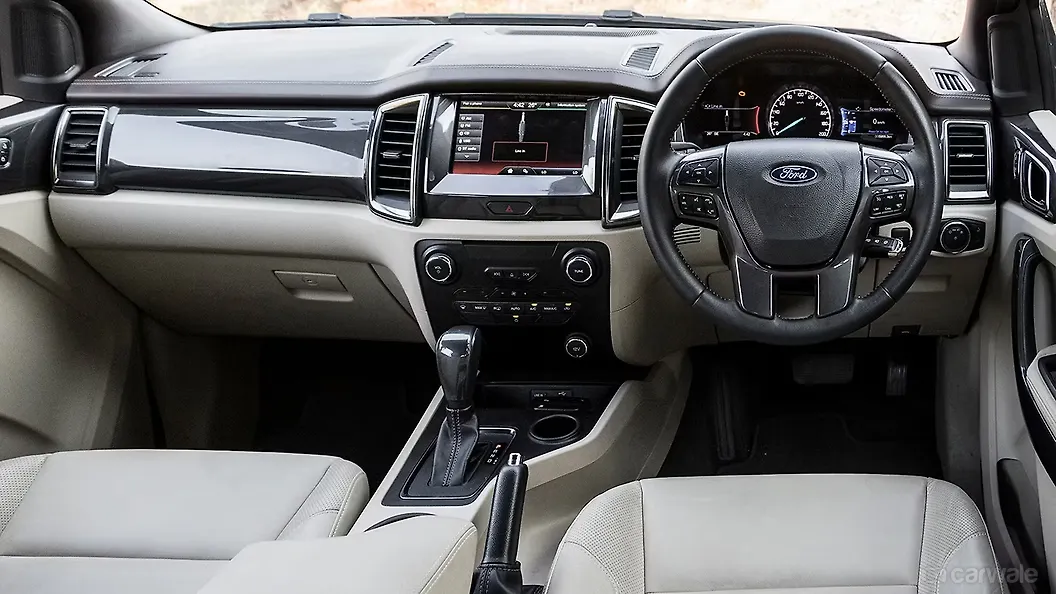
Ultimately, the case for the 2008 Endeavour interior is one of negative space. It does not bombard you with information. There is no lane-keeping warning beeping at you, no speed sign recognition flashing on the windscreen. The only ancillary screens are for the climate control and the trip computer—a small, orange LCD that feels like a Casio watch from the 80s. This is the modern takeaway: we have become so over-stimulated that the silence of this cabin is a form of luxury. It forces you to drive, to listen to the engine, to feel the road. It is one of the last interiors that treats the driver as the primary computer, not the vehicle.
Frequently Asked Questions (The 2008 Ford Endeavour Cabin)
Is the 2008 Endeavour interior considered "luxury" by today's standards?
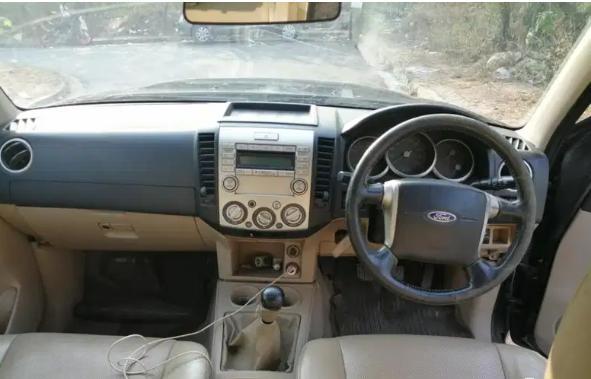
Absolutely not, and that is its charm. By 2025 standards, it is utilitarian at best. The leather is thick but coarse, the stitching is functional rather than artistic, and the headliner is a simple, woven fabric that feels like a good suit lining but lacks the suede-like Alcantara of modern luxury SUVs. There is no ambient lighting in the footwells, no heated steering wheel, and no power-adjustable seat memory on most trims. However, the perception of luxury in this vehicle comes from the sheer commanding presence of the layout. The high beltline, the huge mirrors, and the massive steering wheel create a sense of "captain of the ship" that many expensive European SUVs lose with their low, car-like seating positions. It is luxurious in spatial ego, not in material softness.
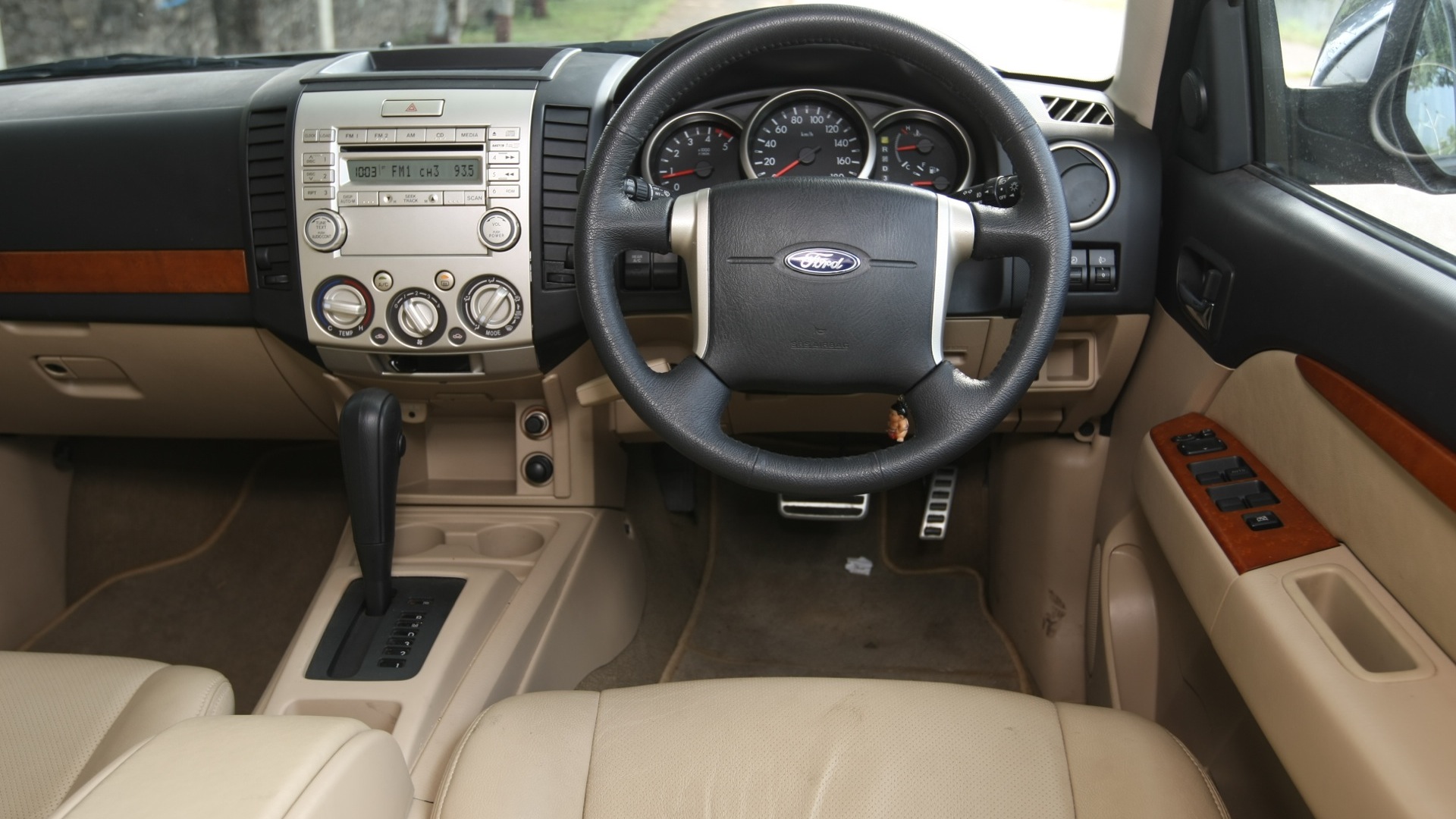
The build quality, too, is a mixed bag. The plastics are high-grade polypropylene that resist scratching but are prone to squeaking in extreme cold. The "wood" is obviously plastic, but it is a convincing enough imitation that at a quick glance, it passes. The real luxury is the simplicity of repair. If a switch fails, you can replace it with a basic screwdriver. If a panel cracks, a scrappy auto upholsterer can re-wrap it in leather for less than the cost of a modern dealer diagnostic fee. This is a DIY luxury, predicated on accessibility, not exclusivity.
How reliable is the electrical system for the dashboard and infotainment?
The 2008 model year is notorious for a specific gremlin: the climate control stepper motors. The blend door actuators, which direct hot or cold air, fail frequently, resulting in a "clicking" sound behind the dashboard that sounds like a typing chimpanzee. This is a well-documented issue, and the parts are cheap to buy online, but the labor is intensive—often requiring the removal of the entire dashboard. Regarding the infotainment, the stock single-disc CD player with AM/FM is bombproof. The auxiliary input, if fitted, is located in the center console, but it is a mini-jack that can be finicky with modern phone connectors.
However, the most significant issue is the battery drain. The 2008 Endevour has a known parasitic draw because the interior lighting module sometimes fails to "sleep" after the doors are closed. If you park the car for more than two weeks, you will likely return to a dead battery. This is a critical practical insight: always disconnect the battery if storing the vehicle. Mechanics will tell you that the core wiring harness is thick and well-protected, but the connectors where the harness joins the BCM (Body Control Module) can corrode in humid climates, causing erratic warning lights. Treat the electrics with respect, and they will treat you well.
Can you fit three child seats in the second row?
Yes, but with certain caveats. The second-row bench in the 2008 Endeavour is wide and flat, offering three distinct seating positions with three-point seatbelts. There are no ISOFIX (LATCH) points on the sliding seats of the earliest 2008 models, but there are top-tether anchors. This means you must use the seatbelt installation method for child seats, which is perfectly safe if done correctly. The challenge is the seat belt buckles; they are buried slightly into the seat base, making it fiddly to buckle and unbuckle when a child seat is wedged against them.
The larger issue is rearward-facing infant seats. The interior's deep seat cushions and flat backrests mean that the rearward-facing seat will require a generous noodle or towel to achieve the correct 45-degree angle, as the seat base is very flat. However, the sheer legroom in the second row is massive—even with the front seats pushed all the way back, a six-foot-tall adult can sit behind a six-foot-tall driver. The cabin width allows for three bulky child seats if you buy the "narrow" models. It is not a car designed for children first, but its high riding position means kids get a great view, and the thick side pillars make them feel secure.
What is the biggest storage or practicality flaw in this interior?
Ironically, for a vehicle of its size, the door bins are laughably small. They cannot fit a standard 1-liter water bottle that is ubiquitous today. This is a hangover from the 2000s, where water bottles were slimmer. The glovebox is also shallow, and the center console lid does not slide forward for armrest adjustment, which is a major ergonomic miss for taller drivers. However, Ford cleverly placed a large, bin-like shelf on the very top of the dashboard, just below the windshield. It is the perfect size for sunglasses and toll tickets, but it is dangerously reflective and can blind you if you place anything shiny there.
Another flaw is the third-row access. To get into the way-back jump seats, you must tumble the entire second row forward. This mechanism is heavy and requires significant strength, often frustrating for elderly parents or passengers in skirts. The third row itself is only suitable for children or as a temporary seat for adults on short journeys. The cargo space behind the third row is practically non-existent—enough for a couple of duffel bags. But flip that third row flat (which creates a perfectly level load floor, a rarity for the time), and you have a cargo van. The practical workaround is to remove the third row entirely and install a custom drawer system, which many overlanders have done, transforming the interior into a more useful canvas.
How does the 2008 Endeavour interior hold up in extreme heat or cold?
In extreme heat (over 40°C/104°F), the interior is resilient but lets you know it. The hard plastics do not warp, but they do expand, causing audible "ticks" as you drive over bumpy roads. The leather, if not conditioned, will crack at the seams, particularly on the bolsters. The steering wheel, which is leather-wrapped, can become scorching to the touch, necessitating a steering wheel cover—a very common accessory in Middle Eastern markets. The air conditioning system is a beast, though. The compressor is powerful, and the vent placement allows for excellent airflow. It can freeze you out of a desert heatwave in five minutes, provided the cabin filter is clean.
In extreme cold (below -10°C/14°F), the story changes. The diesel engine takes a while to produce heat, so the cabin remains frigid for the first 15 minutes of driving. The door seals are not double-lipped, so cold drafts will sneak in around the windows. The rear washer fluid hose, which runs through the roof, can freeze and burst, spraying water down the interior headliner. This is a known design flaw in Canadian and European markets (where the vehicle was sold as the Everest). However, the cabin does warm up eventually, and the heated mirrors work admirably. The thick glass and heavy doors retain heat well once it is there, making it a cozy bunker against the snow.
Looking at this interior today, we see more than just a car. We see a reflection of our relationship with technology. The 2008 Endeavour interior asks us to be participants, not passengers. It lacks the omnipresent digital eyes and the gentle chimes that coax us into complacency. Instead, it offers a raw connection: the click of a real button, the snap of a mechanical lever, the feel of a physical key turning in the ignition. In an era where we are inundated with silent, seamless, and soulless interfaces, the Endeavour’s cabin serves as a poignant reminder that driving is a tactile art.
It connects to our daily lives because it champions the idea of "good enough." We do not need a 15-inch screen to tell us the outside temperature; we have a window for that. The Endeavour’s interior strips away the noise, forcing us to focus on the essentials—control, visibility, and comfort. It is a metaphor for decluttering your mental space. When you sit in that high, commanding seat, the world outside feels a little smaller, a little more manageable. The absence of digital distractions is not a deficiency; it is a sanctuary.
Ultimately, the 2008 Ford Endeavour interior is a monument to a philosophy that has largely vanished: building a vehicle that feels like a tool, a partner, and a sanctuary, all at once. It is imperfect, quirky, and occasionally infuriating. Yet, it is precisely these flaws that make it human. It invites you to learn its secrets, fix its quirks, and adapt to its rhythm. In our race toward autonomous, sterile cabins, we risk losing the soul of the journey. This old Ford, with its glorious plastic and its analog heart, is a stubborn, beautiful reminder that sometimes, the best interface is the one you can reach out and grip with both hands.