Ethiopian Currency Vs Indian Currency
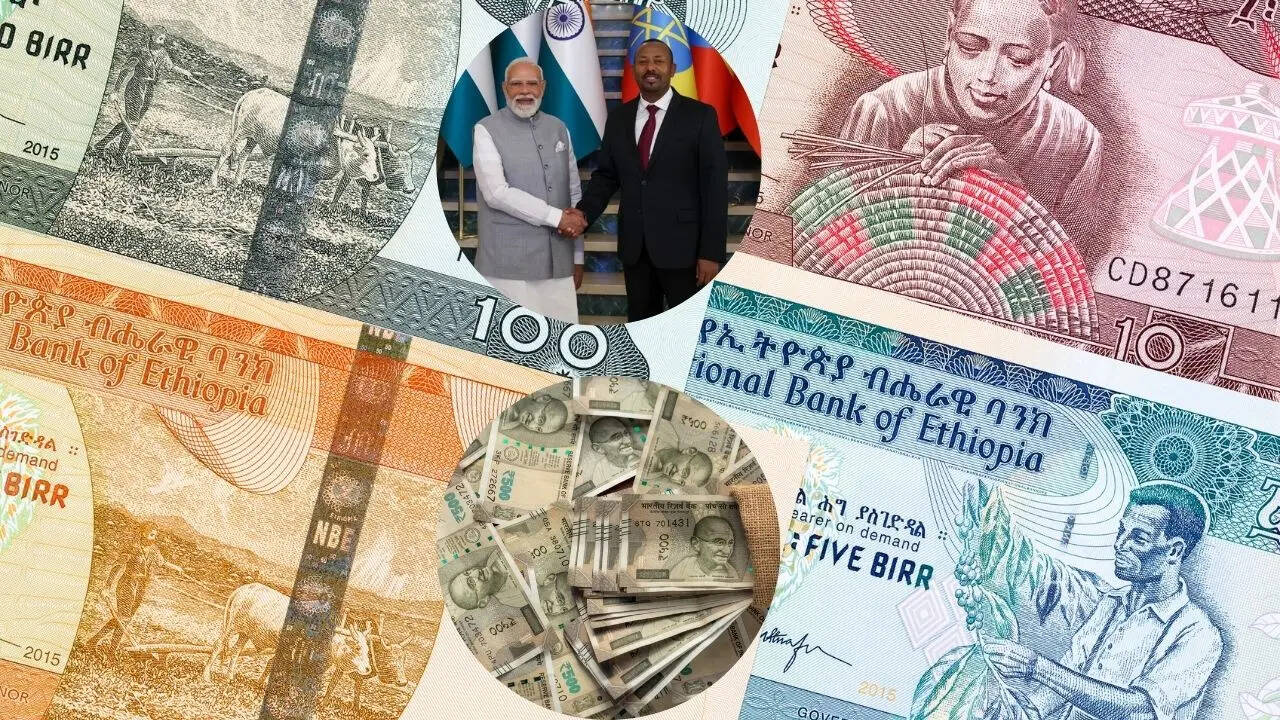
Picture this: you’re in Addis Ababa, sipping a macchiato that costs more than your morning coffee in Mumbai. Or you’re in Delhi, buying a mountain of street food for the price of a single Ethiopian birr note. Yes, we’re pitting Ethiopian Birr against the Indian Rupee in the world’s most unlikely currency cage match.
The “How Much Is That in Real Money?” Problem
First, the raw numbers will make your head spin like a dervish. One US dollar will get you about 57 Ethiopian birr, while the same dollar grabs you roughly 83 Indian rupees. So, the rupee is “stronger” on paper, but that’s about as useful as knowing a giraffe’s neck is longer than its legs—true, but what do you do with it?
Here’s the twist that breaks your brain: a 100 birr note is worth about 145 rupees. You walk into a shop in Addis with a crisp blue note and you’re a minor tycoon, but in Mumbai, that same value gets you a decent thali and maybe a compliment from the waiter.
What Your Money Actually Buys (Spoiler: Confusion)
Let’s talk buying power, because that’s where the joke lives. In Ethiopia, a cup of coffee—the fuel of the nation—costs around 10 birr. That’s about 14 rupees. In India, you can grab a similar cup for 20 rupees, which is roughly 14 birr. Wait, that’s… the same? Yes, congratulations, you’ve discovered that exchange rates are a lie and both countries just want you caffeinated.
But try buying a taxi ride. In Addis, a short hop costs 50 birr (72 rupees). In Delhi, that same distance might cost you 150 rupees (104 birr). So suddenly, your Ethiopian money makes you feel like a high-rolling commuter, while your Indian cash makes you feel like you’re paying a ransom for a three-minute ride.

The “Zero” Problem: A Maths Nightmare
Here’s a fun fact that will make you weep: Ethiopia is one of the few countries where millions of birr are actually needed for ordinary things like a used Toyota. A mid-range car costs about 2 million birr—that’s 2.9 million rupees, which sounds like a Bollywood villain’s fortune.
Meanwhile, an Indian might carry a wallet with 500-rupee notes and feel sophisticated, while a comfortable Ethiopian walks around with a wad of 200-birr notes that look like Monopoly money. Psychologically, you’re a millionaire in Ethiopia until you realize a refrigerator costs 20,000 birr, and then you’re just a person with a fridge problem.

The Final Verdict: It’s All Vibes
The rupee is the cool, collected cousin who always pays with exact change. The birr is the dramatic friend who hands over a fat stack of bills and says “keep the change” like they’re in a mob movie. Both currencies are equally terrible at making you feel rich internationally, but locally, they’re perfectly designed for their chaos.
So next time someone asks which is stronger, just shrug and say, “It depends on whether you’re buying coffee or a car.” And if you’re ever confused, just remember: in both countries, the only safe bet is that you’ll leave with less money and more stories. Cheers to that.