Entry Level Erp Consultant Salary

So You Want to Be an ERP Consultant?
Let’s talk about the elephant in the room: the entry-level ERP consultant salary. You’ve heard the buzzwords—SAP, Oracle, Microsoft Dynamics—and you’re picturing yourself solving billion-dollar puzzles. Then you see the numbers, and your coffee suddenly tastes bitter.
Here’s the truth no one tells you: that first salary is less “glamorous jet-setter” and more “glorified spreadsheet whisperer.” It’s okay to laugh. I did, right into my empty wallet.
The Numbers: Not Quite Gold, But Not Chump Change
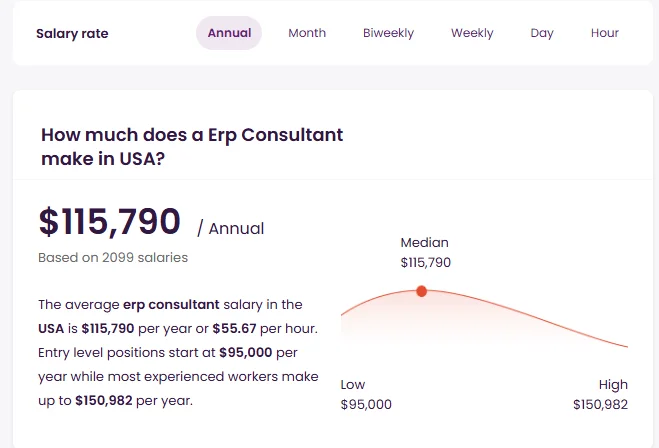
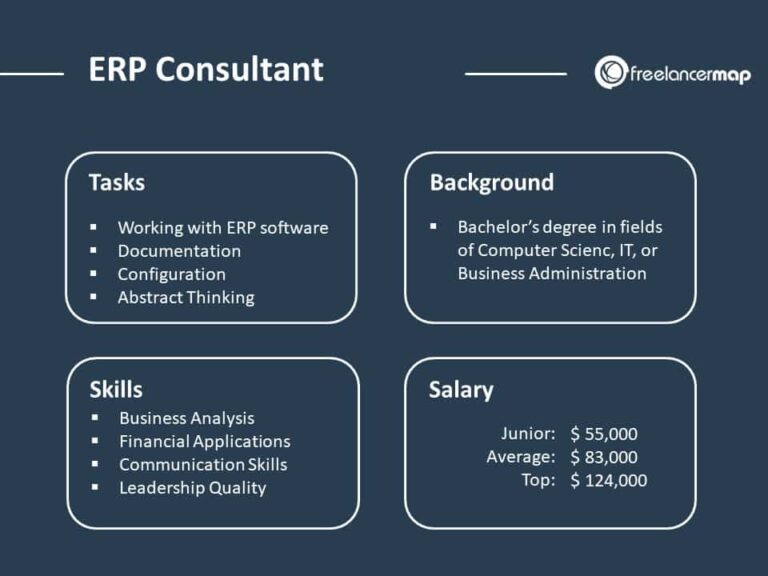
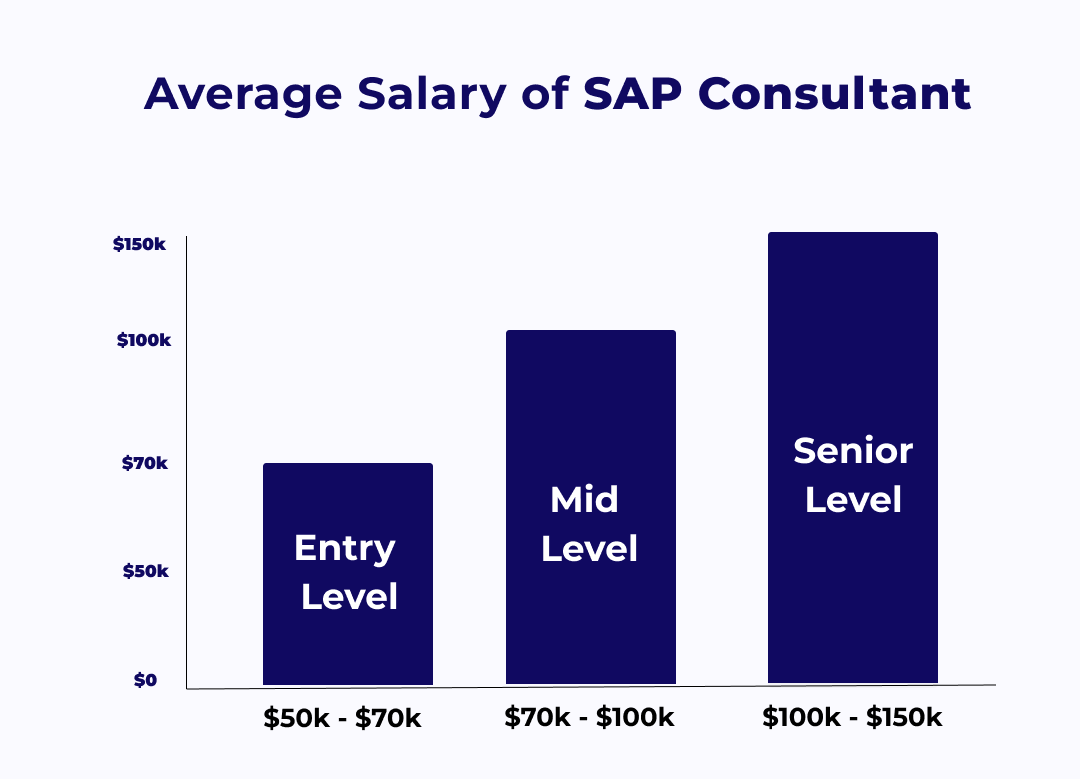
For most newbies, you’re looking at $55,000 to $75,000 a year in the U.S. That’s before taxes, your student loan, and that “emergency” burrito you’ll buy after a rough demo.
Must Read
But wait—don’t scroll away. That number includes a secret weapon: overtime. Yes, you’ll work it, but you’ll get paid for it. And some firms throw in a small bonus if you survive your first “go-live” without crying in the bathroom.
Why So “Low”? Because You Know Nothing Yet
An entry-level ERP consultant is like a puppy in a tuxedo—cute, but not yet useful. Companies pay you to learn their messy system, not to fix it. You’re essentially paying yourself in experience, which is worth more than cash, kind of like spinach is worth more than fries.
Your first year is a firehose of acronyms: MRP, CRM, PO, SO, and my favorite, “WTF” (which you’ll mutter softly during testing). Salary feels low because your value is theoretical. Shocking, I know.
“Pick a good mentor, because your paycheck won’t be your best friend for a while.”
The Real Paycheck: Free Lessons in Chaos
Here’s my unpopular opinion: the salary is a lie, but the training is a goldmine. You’ll learn how to blame the data, not the user, with a straight face. You’ll master the art of saying “that’s a feature, not a bug” during client calls.
Every mistake you make (and you will make many) is a free class in business logic. That’s better than any MBA, and it costs you only your dignity. Plus, you get to expense lunch—sometimes even a donut.

Cost of Living: The Great Equalizer
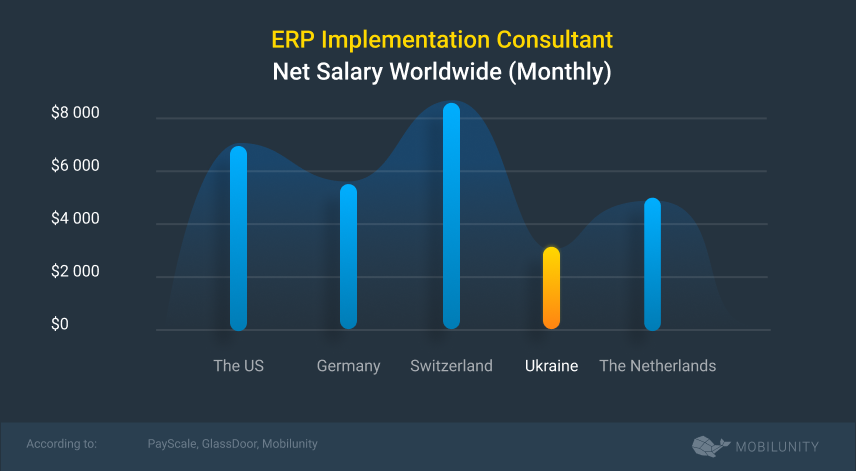
If you land that $70k in San Francisco, congrats, you’ll rent a closet with a shared bathroom. But in Des Moines or Atlanta, that same salary buys you a two-bedroom and a cat named SAP. So the true number depends on your zip code, and that’s a game of roulette.
Don’t hate the player; hate the cost of avocado toast. But seriously, location is a huge lever. Remote roles are popping up, though, which means you can live cheap and still sound fancy on Zoom.
But Wait, There’s More (The Good Stuff)
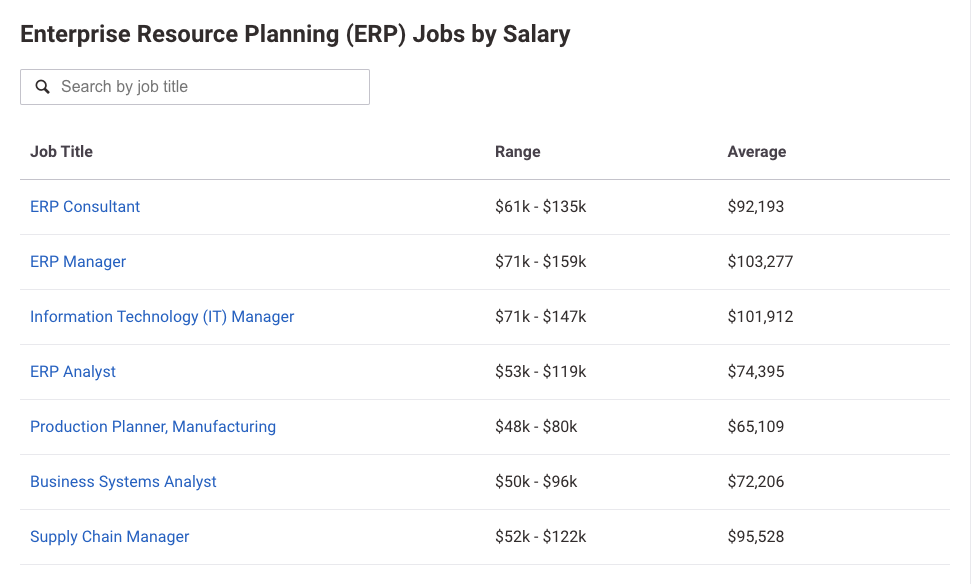
Once you survive two years, your salary can jump to $90k or even $110k. That’s the marionette string that keeps you dancing through endless configuration screens. Your first year is basically paid hazing for that future payday.
Plus, you get a job title that sounds like a wizard: “Associate ERP Consultant”. That’s a conversation starter at parties, even if you’re just explaining what “integration” means for the tenth time.
“Entry-level pay is just a subscription fee for future knowledge. You’re not buying a car; you’re buying a driver’s license.”
The Unpopular Opinion: It’s Worth It (For the Weird Ones)
If you love puzzles, hate repetitive work, and enjoy explaining things to grumpy clients, this is your jam. The salary isn’t sexy, but the learning curve is a thrill ride. You’ll get to say “nice” words like implementation and golive with a straight face.

But if you’re only here for the money, run. Go sell insurance or code apps. ERP is a long-term game, and the first year is like eating broccoli—good for you, but no one’s posting a selfie of it.
Final Reality Check
Your first ERP salary will be modest, your stress will be high, and your coffee consumption will triple. However, every late-night bug you fix adds a zero to your future paycheck. That’s not a promise; it’s a threat—a loving one.
So, take the job, absorb the chaos, and laugh when your boss asks for a “quick fix” that takes six hours. The money catches up, but the stories last forever. And hey, at least you’re not in sales. That is a real salary nightmare.