Easy Ways To Make An Essay Longer
We’ve all been there: staring at a blinking cursor, a word count that mocks us, and a deadline that’s creeping closer. The essay is due, your argument is solid, but your conclusion is looking tragically thin. Before you resort to desperately changing the font size, take a breath—there are honest, clever ways to bulk up your paper while actually improving it.
This isn’t just about padding for a grade; it’s about deepening your thinking. A longer essay, when done right, gives you room to explore nuance, address counterarguments, and show your professor you truly understand the material. It’s the difference between a quick snack and a full meal—both satisfy, but one leaves you more nourished.
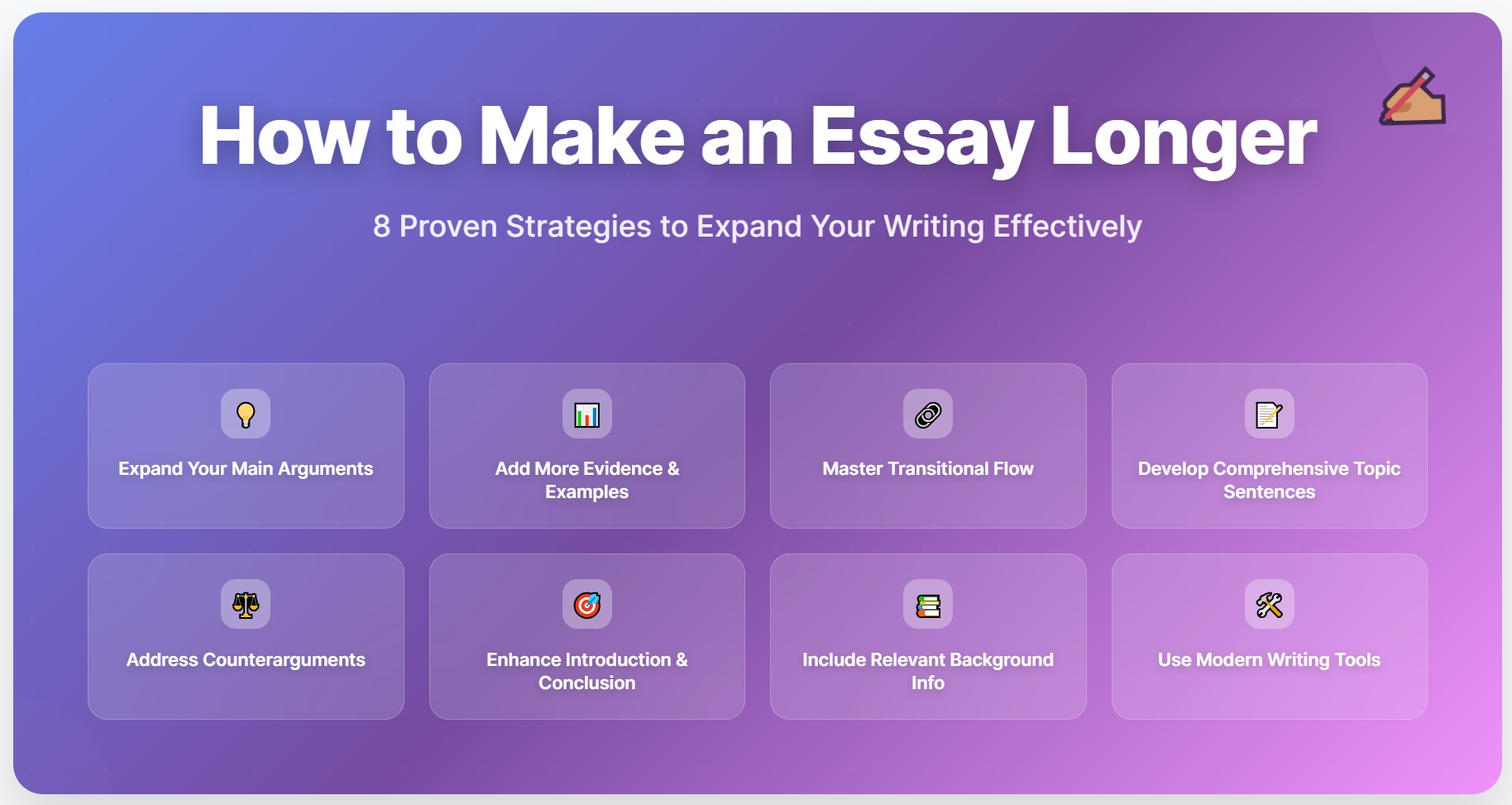
Think of your introduction and conclusion as bookends. The most painless fix is to revisit your introduction and expand on the “why.” Why does this topic matter historically, socially, or personally? Then, mirror that depth in your conclusion by speculating on future implications or broader questions your essay raises.
Must Read
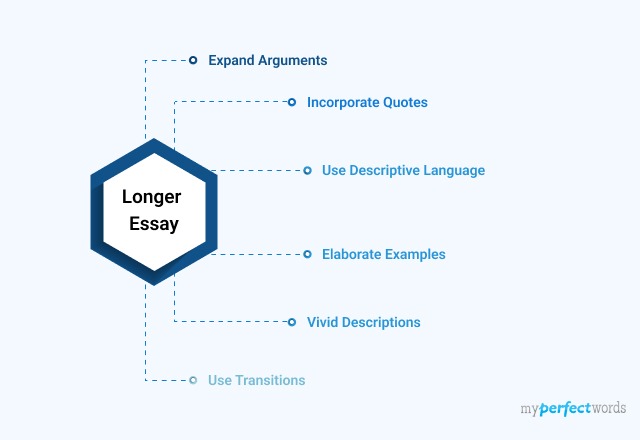
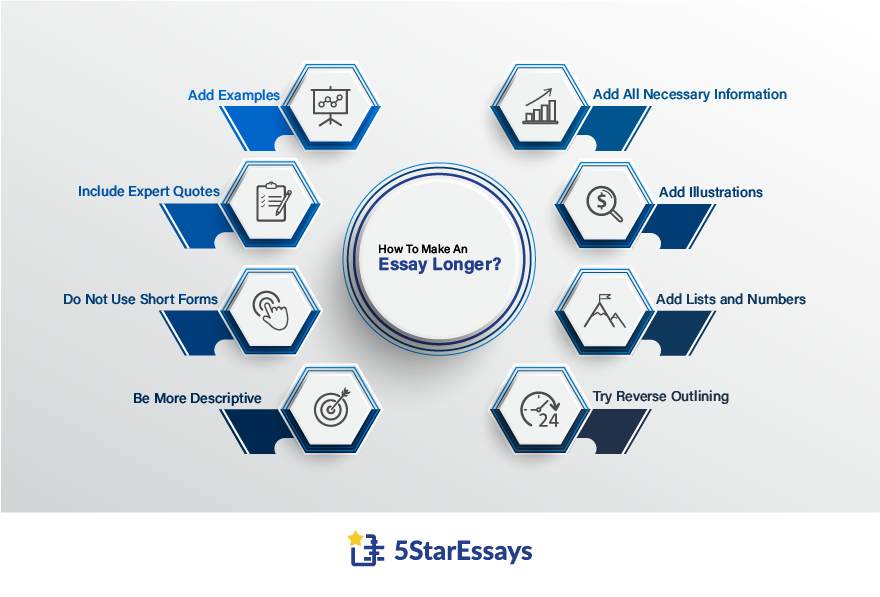
Your body paragraphs are the best territory for expansion. Instead of just stating a quote, spend 2-3 sentences analyzing it. Break it down word by word, explain the tone, and then connect it back to your thesis—this instantly adds layers of insight without any fluff.
Another powerful trick is to acknowledge the other side. Dedicate a short paragraph to a counterargument. Explain why someone might disagree with you, then politely dismantle their logic. This not only lengthens your essay but also proves you’ve considered the full picture, which is the hallmark of a high-grade paper.
Read through each of your claims and ask, “So what?” If you’ve stated that “social media affects teens,” force yourself to detail how it affects them, when it’s most harmful, and who is most vulnerable. These follow-up sentences turn lazy generalizations into rich, specific analysis.
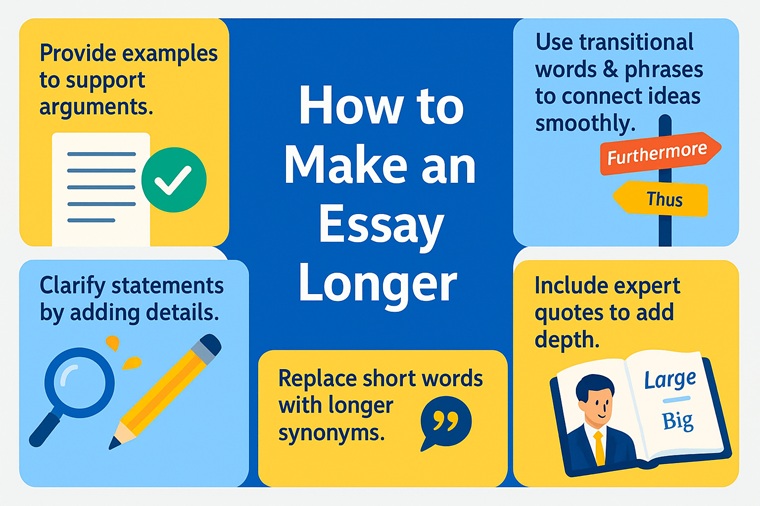
Don’t forget the power of examples. If you mentioned a theory, add a real-world case study or a brief anecdote. For instance, if you’re writing about economics, describe a specific market crash or a neighborhood business that succeeded against the odds. Concrete details are pure gold for word count and reader engagement.

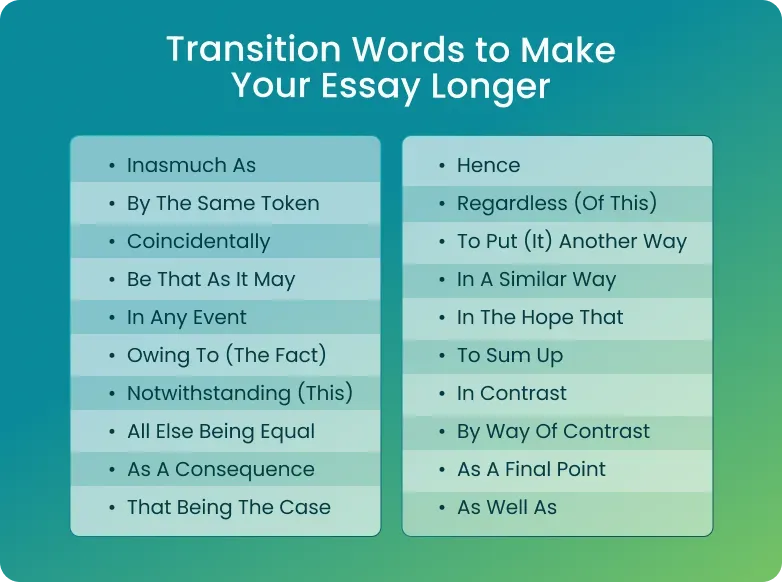
Use transitional phrases to your advantage. Instead of “next,” try “furthermore,” “in contrast,” or “building on this idea.” These small connectors force your brain to add a new thought or link between paragraphs, naturally expanding the narrative and making your flow smoother.
If you’re still short, look for any sentence that feels rushed. Break long, complex ideas into separate sentences, then elaborate on each half. Ask yourself if you’ve truly defined your key terms. A succinct “democracy” can become a full sentence on its origins, its modern interpretations, and why your definition matters here.

Finally, never add random filler like “in today’s society” or restate the prompt word-for-word. Readers and graders can smell that from a mile away. Instead, end each paragraph with a mini-summary that ties back to your thesis—this reinforces your argument while adding a clean, professional line or two.
So, the next time you’re freaking out about a short draft, don’t panic. Treat it as a creative challenge. You’ll find that these expansion techniques don’t just make your essay longer—they make it smarter, more persuasive, and more enjoyable to read. And that’s a win, no matter what the word count says.