Dr Jordan Peterson Personality Test
You know that feeling when you’re at a party, and someone brings up astrology, and suddenly everyone’s comparing their Mercury in retrograde? Well, the Jordan Peterson Personality Test is the intellectual’s version of that—but with more caveats and fewer crystals. It’s not about star signs; it’s about digging into your own chaotic brain and trying to figure out why you cried at a car commercial last Tuesday.
Instead of asking “What’s your sign?”, this test asks you to rate statements like “I am always prepared” on a scale from “strongly disagree” to “strongly agree.” It’s like a psychological Tinder profile, but instead of swiping right, you’re just confronting your own procrastination habits. And let’s be honest, the first time you take it, you’ll feel like you’re being personally roasted by a very polite Canadian professor.
The Big Five, But Not the Band
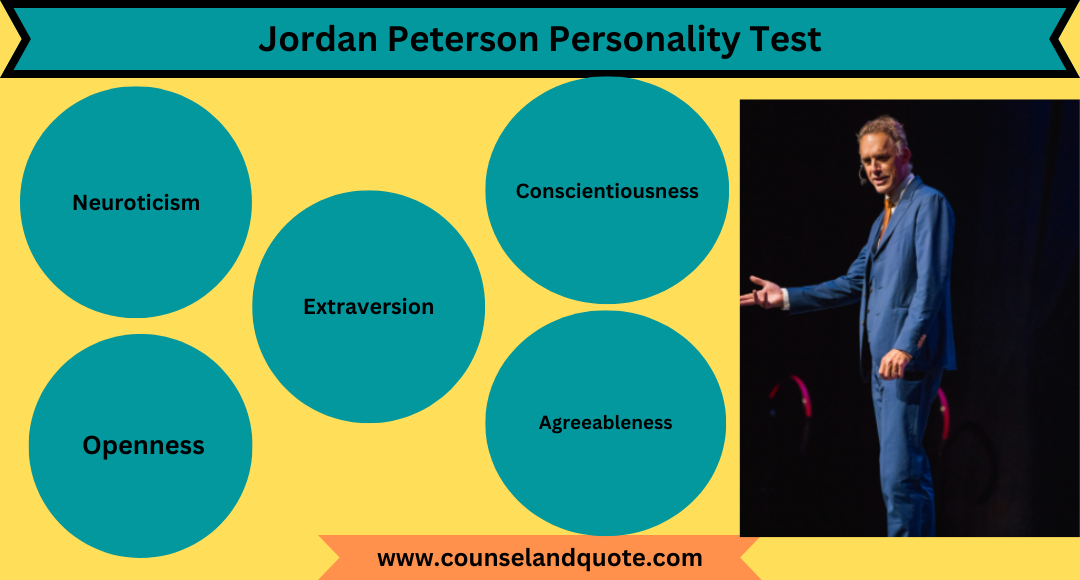
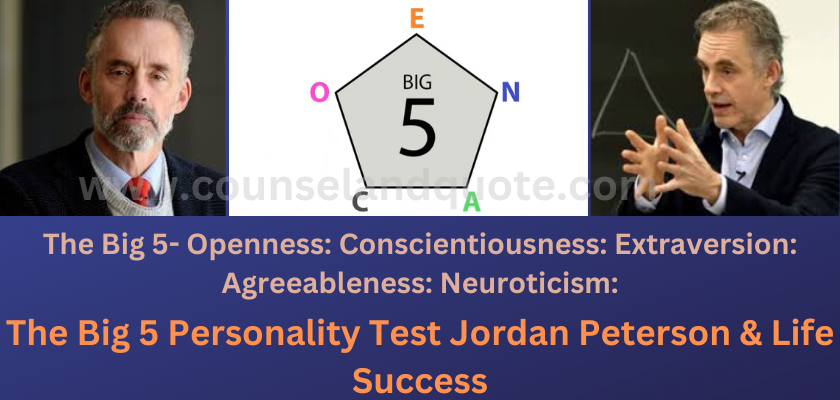
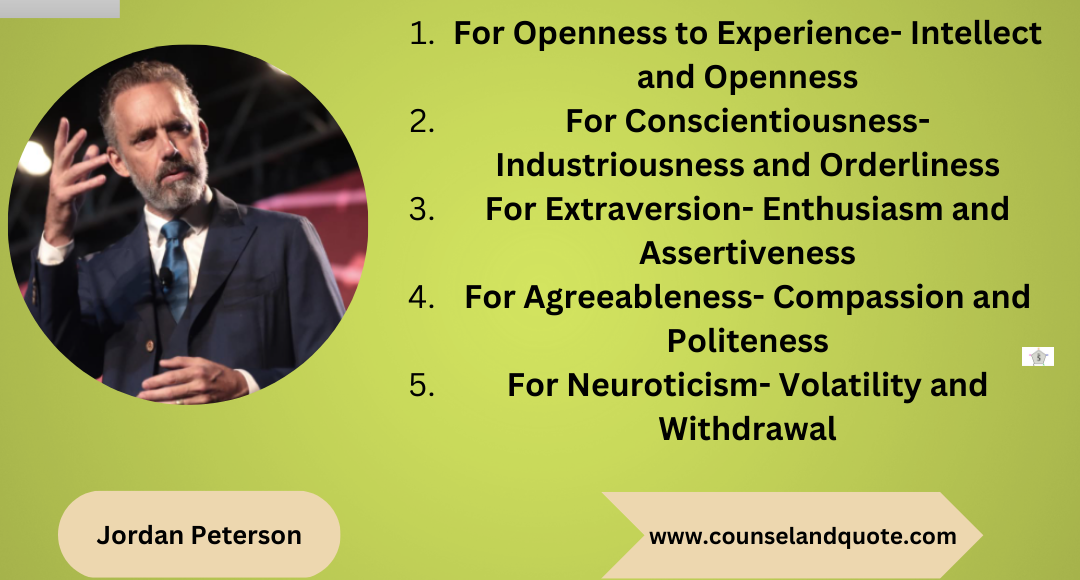
At its core, this test is based on the Big Five personality traits: Openness, Conscientiousness, Extraversion, Agreeableness, and Neuroticism. I like to think of them as the five friends you have in every group chat: the dreamer, the responsible one, the party animal, the people-pleaser, and the one who texts “are we still on?” forty times.
Must Read
You get a score for each, and no, one isn’t “better” than another. Unless you score super high on Neuroticism, in which case, you’re probably already spiraling about that email you sent three years ago. But here’s the funny part: you’ll take the test thinking you’re a laid-back, go-with-the-flow type, and then your Conscientiousness score will come back at 2%. That’s the moment you realize your “go-with-the-flow” vibe is just a fancy word for avoiding your taxes.
Why It Hits Different
What makes Peterson’s version stand out is the extra layer of “dark” traits—like spite and callousness. It’s like the test suddenly asks, “Would you step on a Lego just to watch someone else wince?” And you’re like, “Wait, that’s an option?” It turns a simple personality quiz into a moral inventory that feels less like a BuzzFeed article and more like a intervention from your smarter friend.
I remember taking it after a bad breakup, and my Agreeableness score was so low that the results basically said I had the warmth of a parking ticket. But the genius is in how it frames this: instead of saying “you’re a jerk,” it says, “You value authenticity over harmony.” See? Now I feel like a misunderstood philosopher instead of a guy who just told his ex’s mom that her lasagna was “structured.”
The “Ugh, This Is Accurate” Moment
The real fun starts when you compare results with your partner or roommate. You’ll discover that your high Extraversion (you love parties) and their low Extraversion (they love naps) is why you have arguments about “just one more cup of coffee” at 9 PM. It’s not that either of you is wrong—it’s that your brain’s reward system is wired to a different frequency.

One buddy of mine took it and scored super high on Openness, which means he’s creative and curious. But his Conscientiousness was so low that he once forgot his own birthday. The test didn’t fix him, but it did explain why he’d start five projects a day and finish none. Now, we just call it his “van Gogh energy,” and it’s oddly comforting.
It’s Not a Magic Mirror
Look, I’m not saying this test will solve your life’s problems. It won’t tell you why you’re still single or why you can’t stop buying succulents. But it does give you a vocabulary for your own quirks. When you can say, “Oh, that’s just my low Agreeableness talking,” it turns an argument into a scientific observation. Suddenly, you’re not yelling at your sister about who ate the last slice of cake; you’re ethically dividing resources based on your trait profiles.
And that’s the real beauty of the Jordan Peterson Personality Test. It takes all the messy, confusing parts of being human and puts them into neat little boxes with percentages. You might not agree with the boxes, but at least you know why you panic-cleaned your kitchen at 2 AM before a deadline. Spoiler: it’s the Neuroticism, mixed with a dash of high Conscientiousness. You’re not weird—you’re just a statistically interesting outlier.
So, go ahead, take it. Just be prepared for the moment when you realize you’re not the hero of your own story—you’re a score of 78% in Conscientiousness and 92% in Spite. And honestly? That’s way more useful than knowing your horoscope. It might even explain why you argue with strangers on the internet about pineapple pizza. That’s not a personality flaw; that’s a data point.