Does It Lower Your Credit Score To Check It
The concept of credit scores has been a vital part of our financial lives for decades. It's hard to imagine a time when lenders didn't have a way to gauge our creditworthiness, but it wasn't always this way. In fact, the first credit scoring system was developed in the 1950s by Bill Fair and Earl Isaac, who founded the Fair Isaac Corporation (FICO). This pioneering system used a complex algorithm to analyze credit data and assign a score to individuals, revolutionizing the way lenders made decisions. As we fast-forward through the years, it's fascinating to see how our relationship with credit scores has evolved, particularly when it comes to the question of whether checking our credit score lowers it.
In the early days, credit scores were a mysterious and often intimidating concept. People were wary of checking their scores, fearing it would negatively impact their creditworthiness. This myth has persisted, with many believing that checking their credit score would lower it. However, this couldn't be further from the truth. In reality, checking your credit score is considered a soft inquiry, which doesn't affect your credit score. It's only when lenders or creditors perform a hard inquiry that your score might be impacted. As we delve deeper into the history of credit scores, it's essential to separate fact from fiction and understand the evolution of this concept.
As we navigate the labyrinth of credit scores, it's crucial to recognize the human necessity behind it. The need for credit scores arose from the desire to create a standardized system for evaluating creditworthiness. This enabled lenders to make informed decisions about who to lend to and at what interest rate. Over time, credit scores have become an integral part of our financial lives, influencing everything from mortgage applications to credit card approvals. The question of whether checking our credit score lowers it is a pressing concern, as it affects our ability to make informed financial decisions.
Must Read
A Brief History of Credit Scores
The 1960s saw the widespread adoption of credit scoring systems, with lenders and creditors beginning to rely on these scores to make decisions. As the years went by, the algorithms used to calculate credit scores became increasingly sophisticated, incorporating a wider range of data points. The 1980s witnessed the introduction of the FICO score, which quickly became the industry standard. This score, ranging from 300 to 850, provided a standardized measure of creditworthiness, making it easier for lenders to compare applicants.
During the 1990s, the internet revolutionized the way we accessed credit information. Websites like Experian and Equifax allowed individuals to check their credit reports and scores online, democratizing access to this vital information. However, this increased accessibility also led to concerns about identity theft and data breaches. As the years went by, the importance of credit scores only continued to grow, with lenders relying on them more heavily than ever before.
The 2000s saw a significant shift in the way credit scores were used. The subprime lending crisis highlighted the importance of responsible lending practices, and regulators began to scrutinize the use of credit scores more closely. In response, lenders adapted their practices, placing greater emphasis on creditworthiness and risk assessment. Today, credit scores play a vital role in our financial lives, influencing everything from interest rates to loan approvals.
As we explore the vintage facts surrounding credit scores, it's fascinating to note the bizarre ways this topic was treated in previous decades. In the 1970s, credit scoring systems were often secretive and opaque, making it difficult for individuals to understand how their scores were calculated. This lack of transparency led to widespread mistrust and confusion, with many believing that credit scores were arbitrary and unfair.
Modernizing Credit Scores
In recent years, the classic principles of credit scoring have been hacked and modernized for today's fast-paced world. The rise of alternative credit scoring models has enabled lenders to evaluate applicants using non-traditional data sources, such as social media activity and rental payments. This shift has expanded access to credit for underserved populations, such as those with thin credit files or no credit history.

The increasing use of machine learning algorithms has also transformed the credit scoring landscape. These sophisticated models can analyze vast amounts of data, identifying patterns and correlations that traditional scoring systems might miss. As a result, lenders can make more informed decisions, and individuals can enjoy greater access to credit. However, this increased reliance on technology also raises concerns about bias and discrimination, highlighting the need for ongoing regulation and oversight.
Frequently Asked Questions
Will checking my credit score lower it?
The answer to this question is a resounding no. Checking your credit score is considered a soft inquiry, which doesn't affect your credit score. In fact, it's essential to regularly check your credit score to ensure it's accurate and up-to-date. By doing so, you can identify any errors or discrepancies and take steps to correct them. This proactive approach can help you maintain a healthy credit score, which is essential for securing favorable interest rates and loan terms.
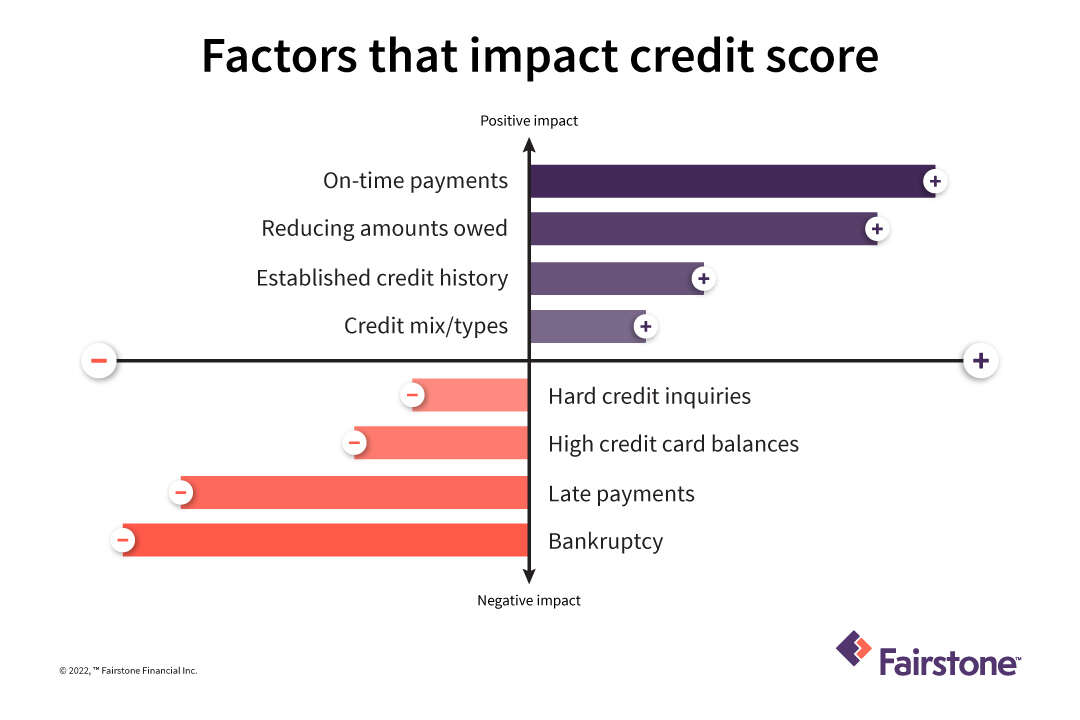
It's essential to differentiate between soft inquiries and hard inquiries. While soft inquiries don't impact your credit score, hard inquiries can temporarily lower it. This is because hard inquiries are typically made by lenders or creditors when you apply for credit, and they can indicate to other lenders that you're taking on additional debt. However, the impact of hard inquiries is usually minimal and temporary, and it's essential to remember that checking your credit score is a soft inquiry that won't harm your creditworthiness.
:max_bytes(150000):strip_icc()/common-things-that-improve-and-lower-credit-scores2-f5cf389fdf4f46579ddcc49d8db40525.png)
How often should I check my credit score?
The frequency at which you should check your credit score depends on your individual circumstances. If you're applying for credit or monitoring your score for errors, it's a good idea to check it regularly. However, if you're not actively using credit or applying for loans, you may only need to check your score periodically. The key is to find a balance between monitoring your score and avoiding obsessive checking, which can be unnecessary and even counterproductive.
It's also essential to recognize the historical context of credit scores. In the past, credit scores were often difficult to access, and individuals had limited visibility into their credit data. Today, the situation is vastly different, with numerous online resources and tools available to help you monitor and manage your credit score. By taking advantage of these resources, you can enjoy greater control over your financial life and make informed decisions about your credit.
Can I improve my credit score by checking it regularly?
While checking your credit score regularly won't directly improve it, this habit can help you identify areas for improvement and take proactive steps to enhance your creditworthiness. By monitoring your score, you can detect errors or discrepancies and correct them, which can have a positive impact on your score. Additionally, regular score checks can help you track your progress over time, enabling you to adjust your financial strategies and make more informed decisions.
It's essential to remember that improving your credit score takes time and effort. There are no quick fixes or magic solutions, but rather a series of responsible financial habits that, when practiced consistently, can help you achieve a healthy credit score. By combining regular score checks with sound financial practices, such as making on-time payments and keeping credit utilization low, you can enjoy greater financial stability and security.
As we look to the future, it's clear that credit scores will continue to play a vital role in our financial lives. In the next 20 years, we can expect to see significant advancements in credit scoring technology, including the increased use of artificial intelligence and machine learning algorithms. These developments will enable lenders to make more informed decisions, and individuals to enjoy greater access to credit. However, they also raise important questions about privacy, security, and regulation, highlighting the need for ongoing oversight and guidance.
The question of whether checking our credit score lowers it will become increasingly irrelevant as credit scoring systems evolve. Instead, we'll focus on personalized credit coaching and real-time credit monitoring, enabling individuals to make informed decisions about their financial lives. As we embark on this journey, it's essential to recognize the historical context of credit scores and the lessons learned along the way. By doing so, we can create a more equitable and transparent credit landscape, where individuals have greater control over their financial destinies.