Do Coconut Crabs Eat Humans
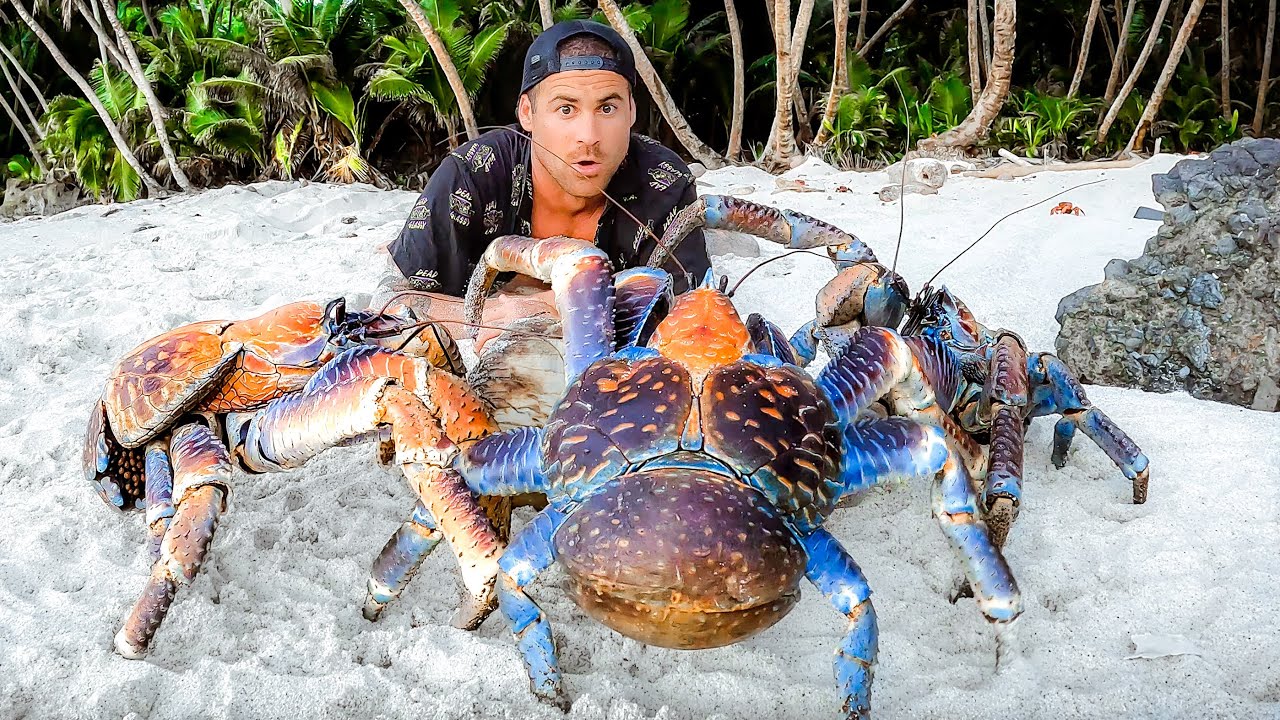
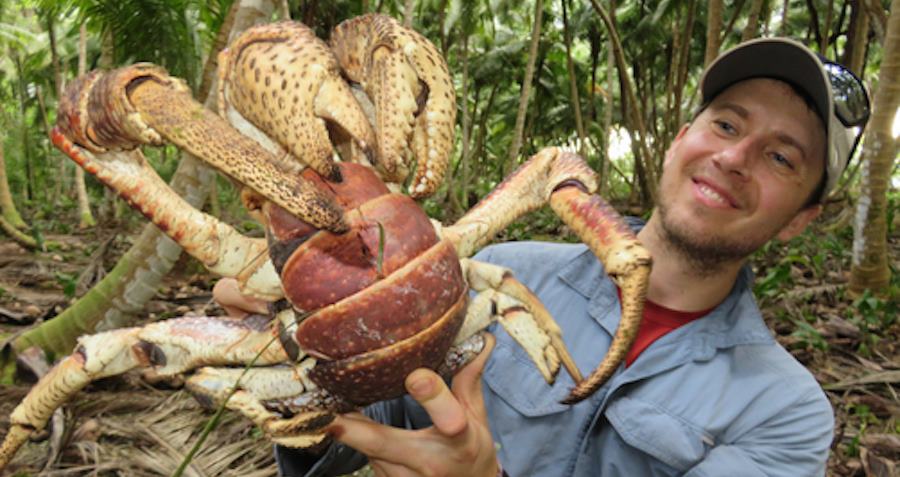
The notion of coconut crabs eating humans has been a topic of fascination and dread for many, especially for those who have encountered these formidable crustaceans in their natural habitats. The coconut crab, also known as the blue crab or Birgus latro, is the largest arthropod on land, with some specimens reaching weights of up to 9 pounds and measuring a staggering 3 feet from leg to leg. Their ability to crack open coconuts with their powerful claws has led to a widespread fear that they might view humans as a potential meal.
Historically, the fear of coconut crabs attacking humans has been somewhat exaggerated, with tales of their ferocity and strength being passed down through generations of island dwellers and travelers. In reality, coconut crabs are generally shy creatures that tend to avoid confrontations with humans, preferring to scavenge for food and shelter in the safety of their tropical habitats. However, their reputation as fearsome predators has endured, captivating the imagination of people around the world and inspiring numerous stories, legends, and myths.
Unveiling the Mystery
Delving deeper into the world of coconut crabs, it becomes apparent that their diet consists mainly of fruits, nuts, and seeds, which they collect from the forest floor and trees. In some cases, they have been known to eat small animals, such as insects, lizards, and even bird chicks, but this is not a significant component of their diet. The notion that coconut crabs might view humans as prey is largely unfounded, as they are not adapted to hunting or consuming large, warm-blooded animals.
Must Read
Despite their intimidating size and strength, coconut crabs are actually ecologically important species that play a vital role in maintaining the balance of their ecosystems. By consuming fruits and seeds, they help to disperse plant species and facilitate the growth of new vegetation. Additionally, their burrowing activities contribute to soil turnover and aeration, which can enhance nutrient cycling and support the development of other organisms.
In terms of their psychological impact on humans, coconut crabs have become a cultural symbol of the tropics and the mysterious, often feared creatures that inhabit these regions. Their ability to thrive in harsh, coastal environments has inspired a sense of awe and respect, with many people viewing them as a testament to the resilience of life on Earth. Moreover, the fear of coconut crabs has been exploited in popular culture, with numerous horror stories and films featuring these animals as monstrous, human-devouring creatures.
Real-Life Encounters
While attacks on humans by coconut crabs are extremely rare, there have been instances where people have been injured or threatened by these animals. In most cases, such encounters occur when coconut crabs feel cornered or threatened, such as when they are approached or handled carelessly. It is essential to exercise caution and respect when interacting with these animals, as their powerful claws can inflict serious injuries.

For those who venture into coconut crab habitats, it is crucial to be aware of their behavior and body language. If a coconut crab is seen to be raising its claws or making a hissing sound, it is likely feeling threatened or defensive, and it is best to maintain a safe distance. By understanding and respecting the boundaries of these animals, we can minimize the risk of conflicts and appreciate their fascinating behavior and ecology.
In addition to their potential as attackers, coconut crabs have also been the subject of conservation efforts, as their populations are threatened by habitat destruction, pollution, and overfishing. By protecting their habitats and reducing our impact on their ecosystems, we can help to ensure the long-term survival of these incredible creatures and the ecosystems they inhabit.
Furthermore, coconut crabs have been utilized as a food source in some cultures, with their meat being considered a delicacy in certain regions. However, the harvesting of coconut crabs for food has raised concerns about the sustainability of this practice, as it can lead to overfishing and depletion of their populations. As we consider the role of coconut crabs in our lives, it is essential to weigh the benefits and risks of exploiting these animals and to prioritize their conservation and welfare.
Frequently Asked Questions
Do coconut crabs really eat humans?
The idea that coconut crabs eat humans is largely a myth, with no documented cases of such attacks occurring in the wild. While coconut crabs are capable of inflicting serious injuries with their powerful claws, they are not aggressive towards humans and tend to avoid confrontations. In fact, coconut crabs are generally shy and elusive, preferring to scavenge for food and shelter in the safety of their tropical habitats.

It is worth noting, however, that coconut crabs have been known to scavenge human remains in certain circumstances, such as when they encounter a dead body in their habitat. However, this behavior is not unique to coconut crabs and is not indicative of a predatory interest in humans. Rather, it reflects their opportunistic feeding behavior and their role as decomposers in their ecosystems.
How can I protect myself from coconut crab attacks?
While attacks on humans by coconut crabs are extremely rare, it is still important to exercise caution and respect when interacting with these animals. If you encounter a coconut crab in the wild, it is essential to maintain a safe distance and avoid approaching or handling them carelessly. Coconut crabs are wild animals and should be treated with respect and caution, just like any other potentially dangerous species.
In addition to maintaining a safe distance, it is also important to be aware of your surroundings and to watch for signs of coconut crab activity, such as burrows or shell fragments. By being mindful of your environment and taking steps to avoid encounters with coconut crabs, you can minimize the risk of conflicts and appreciate these fascinating creatures from a safe distance.
Can coconut crabs be kept as pets?
While it may be tempting to keep a coconut crab as a pet, it is generally not recommended. Coconut crabs are wild animals that have complex social and spatial needs, and they require a lot of space and specialized care. In addition, coconut crabs are protected by laws in many countries, and their capture and trade are often regulated or prohibited.

Even if it is legal to keep a coconut crab as a pet in your area, it is essential to consider the welfare of the animal and the potential risks and challenges associated with caring for such a species. Coconut crabs are long-lived and can be quite messy, and they require a lot of food, space, and attention. Unless you are an experienced and knowledgeable animal caregiver, it is generally best to appreciate coconut crabs in their natural habitats or in well-managed zoos and aquariums.
How can I help conserve coconut crab populations?
Coconut crabs are an important part of their ecosystems, and their conservation is essential for maintaining the balance and diversity of these environments. To help conserve coconut crab populations, you can support conservation efforts and protect their habitats from destruction and degradation. This can involve reducing your carbon footprint, supporting sustainable tourism, and advocating for the protection of tropical habitats.
In addition to supporting conservation efforts, you can also reduce your impact on coconut crab populations by making sustainable choices and avoiding products that contribute to habitat destruction or pollution. By taking these steps, you can help to ensure the long-term survival of coconut crabs and the ecosystems they inhabit, and you can contribute to a more sustainable and equitable world.
What are some interesting facts about coconut crabs?
Coconut crabs are fascinating creatures with a number of interesting and unique characteristics. For example, they are excellent climbers and have been known to climb trees in search of food or shelter. Coconut crabs are also skilled diggers and can create complex burrows with multiple entrances and exits.
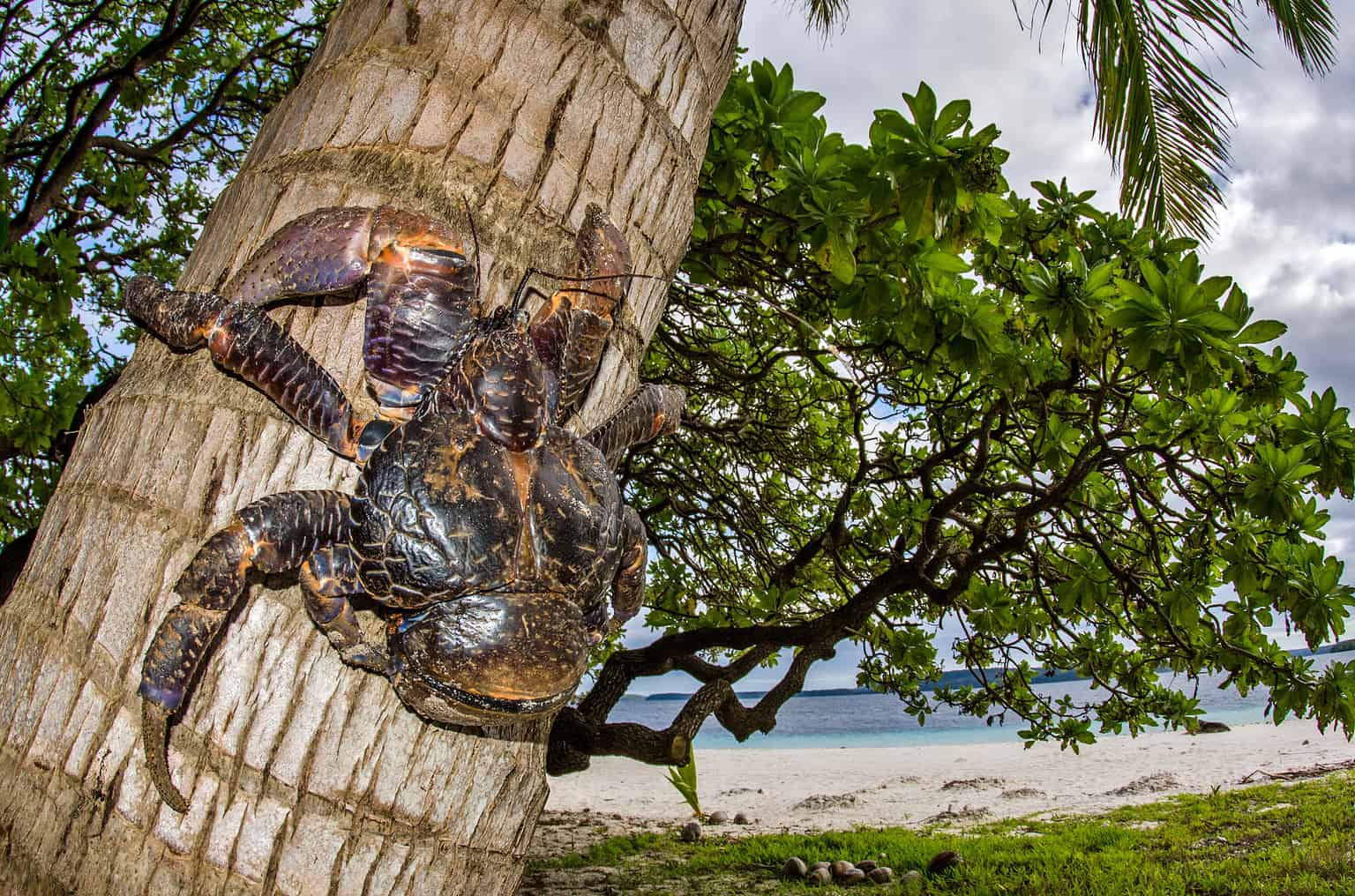
In addition to their impressive physical abilities, coconut crabs also have a number of interesting behaviors and adaptations. For example, they are able to regenerate lost limbs and have a highly developed sense of smell that helps them to locate food and detect predators. By learning more about these incredible animals, we can gain a deeper appreciation for their biology and ecology, and we can work to protect and conserve them for future generations.
As we reflect on the topic of coconut crabs and their potential to eat humans, it becomes clear that there is much more to these animals than meets the eye. While they may not be the mindless killers of popular legend, coconut crabs are fascinating and complex creatures that play a vital role in their ecosystems. By learning more about their biology, ecology, and behavior, we can gain a deeper appreciation for these animals and work to protect and conserve them for future generations.
The fear of coconut crabs attacking humans may be exaggerated, but it has become an integral part of our cultural heritage and our collective imagination. By exploring the symbolism and mythology surrounding these animals, we can gain insights into the human condition and our complex relationships with the natural world. Whether we view coconut crabs as fearsome predators or ecological heroes, it is clear that they have captured our imagination and will continue to inspire and fascinate us for generations to come.
Ultimately, the topic of coconut crabs and their potential to eat humans serves as a reminder of the complexity and diversity of life on Earth. By embracing our curiosity and sense of wonder, we can work to protect and conserve the natural world, and we can appreciate the incredible beauty and complexity of the creatures that inhabit it. Whether we are scientists, conservationists, or simply enthusiasts, we all have a role to play in promoting a deeper understanding and appreciation of the natural world, and in working to preserve the beauty and diversity of life on Earth.
:max_bytes(150000):strip_icc()/GettyImages-1307518359-6a86f7bcb53a42e5a661831cc44550d6.jpg)