Difference Between Sienna Xle And Le

Let’s be honest: walking onto a Toyota dealership lot can feel a bit like walking into a fancy ice cream shop. You know you want something good, but suddenly there are thirty flavors, and the guy behind the counter is asking if you want sprinkles, a waffle cone, or a caramel drizzle. In the Toyota world, that’s the Sienna. You see the shiny minivan, you know you need it for the kids, the dog, and that one IKEA trip you’re still paying for emotionally. But then the salesperson points to two badges: LE and XLE, and you realize you have a decision to make that feels way too important for a Tuesday.
Think of the Sienna LE as the sensible, no-nonsense friend who always has a backup snack in their purse. It’s the person who shows up to the party with a six-pack of seltzer and a folding chair, just in case. The LE is all about getting the job done: it has the same reliable hybrid engine, the same sliding doors, and the same space for your chaos as its fancier sibling. You get cloth seats, which are actually a blessing when your toddler discovers a juice box at the worst possible moment, and a basic but perfectly fine infotainment screen. It’s the minivan equivalent of wearing sweatpants that don't have a hole in them yet—comfortable, practical, and no one is judging you.
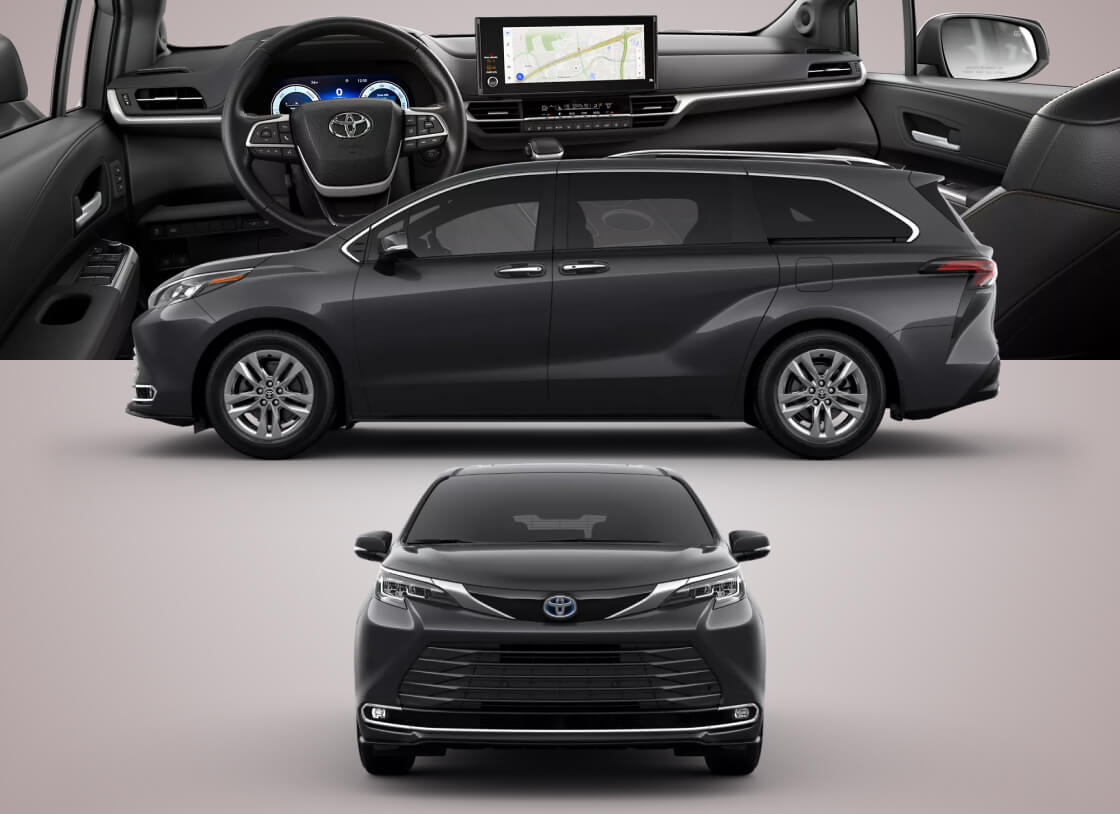
Now, let’s talk about the XLE. If the LE is sweatpants, the XLE is those “nice” sweatpants that are made from recycled ocean plastic and cost seventy dollars. They’re still sweatpants, but they whisper, “I have my life together,” even when you’re scraping goldfish crumbs off the floorboard. The XLE adds soft-touch surfaces, a power liftgate (which is a game-changer when your arms are full of groceries and a screaming infant), and heated front seats. I once sat in an XLE and genuinely considered filing for residency there—the lumbar support was that good. It’s the trim level that says, “I love my family, but I also love my lower back.”
Must Read
Here’s where the rubber meets the road, or rather, where the fake leather meets the real car seat. The biggest difference you’ll feel every single day is the seats. The LE gives you fabric that’s tough and easy to wipe down, perfect for a family that treats the van like a mobile snack kennel. The XLE upgrades you to SofTex, which is Toyota’s fancy way of saying “vegan leather that doesn’t crack in the summer heat.” It feels luxurious, but it also means your kids’ sticky fingers will leave smudges that you’ll agonize over with a microfiber cloth. It’s a trade-off: do you want a van that hides the mess, or a van that shows the mess but looks great while covered in it?

Another real-world difference is the vibe when you approach the van in a parking lot. With the LE, you push a button on the key fob, and the door swings open manually—like a trusty barn door. With the XLE, you stand there, press a button, and watch the power sliding door glide open with a soft hum, like something out of a spaceship. It’s not just convenience; it’s a theatrical performance. I watched a dad in an XLE do this, and he looked like a magician revealing a rabbit. Meanwhile, I was in my LE, yanking the handle like I was starting a lawnmower. The XLE also throws in a sunroof, which sounds great until you realize it’s just a giant window for the sun to glare at your kids’ tablets.
And let’s talk about the little things that make you nod your head in the XLE. The ambient lighting, which is basically a soft glow that makes the van feel like a cozy café instead of a kid-mobile. The second-row captain’s chairs that slide with the grace of a ballet dancer compared to the LE’s bench that feels like moving a couch. But here’s the kicker: the LE is often a few thousand dollars cheaper. That money could pay for a family vacation, a year of soccer registration, or about 400 gallons of gas. When you pull up in an LE, you’re telling the world, “I’m smart with my money, and I still get to the beach on time.” When you pull up in an XLE, you’re telling the world, “I’m smart with my money, and I also have a soft spot for my own glutes.”

You’re not going to notice the horsepower difference because there isn’t one—both are hybrid and get roughly the same stellar fuel economy. You’ll notice the psychological difference. In the LE, you laugh when a french fry falls into the seat crack because, eh, whatever. In the XLE, you frantically retrieve it with a pair of chopsticks you keep in the console for exactly that purpose. Both trims will haul a 4x8 sheet of plywood (sort of), both will fit three car seats across, and both will make you feel like a superhero when you successfully parallel park it downtown. The choice really comes down to your personality.
So, here’s my two cents after many years of living the minivan life. If you’re the type who uses your van as a workhorse, a home for muddy cleats, and a place where “cleaning” means spraying it down with a hose—get the LE. You’ll sleep soundly knowing you saved a bundle, and you’ll never miss the extra bells and whistles. But if you’re someone who secretly wishes your life came with a soft-close door and a seat warmer for those chilly soccer mornings, get the XLE. Just know that when you get home, you’ll probably find yourself sitting in the driver’s seat for a few extra minutes, just admiring the quiet luxury, before the kids bang on the window and remind you that you’re still, in fact, a taxi driver. And honestly? There’s no wrong answer—as long as you’ve got the sliding doors.